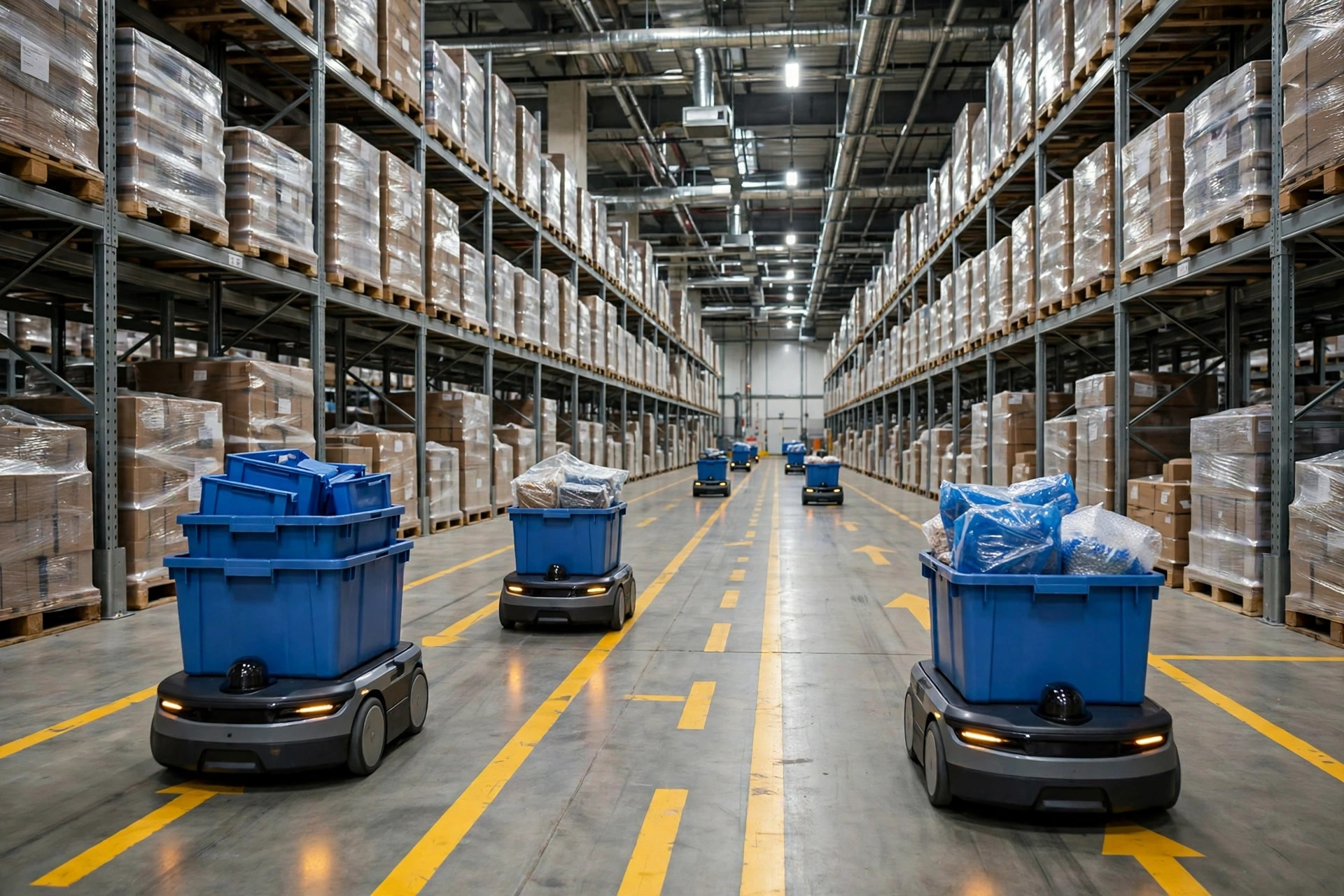
Two autumns ago, a sales rep from an integrator walked into my warehouse with a laptop, fired up a PowerPoint, and played an animation of a mini sortation line gliding along like something out of a sci-fi movie. "Boss Ma," he said, "with this system, peak season staffing headaches are over."
My heart was racing. Let me be honest: our little warehouse cannot afford to burn money like that. But man, he made it sound good. Luckily, my wife does our books, and she asked one quiet question from the corner: "How many years to pay back?" The rep froze for three seconds. "Usually two to three years."
"Usually"? We run 3,000 square meters with a dozen people. "Usually" doesn't pay our rent. I kept his proposal, spent a month thinking it over, and didn't buy. Not because the equipment was bad — because I realized something: warehouse automation requirements analysis isn't about picking equipment. It's about answering five questions first. Can't answer them? Then whatever you buy is a gamble.
Here's a sobering industry number: analyst estimates suggest 30 to 50 percent of robotics and automation projects worldwide never hit their original targets. The money gets spent; the results don't show up. And the problem is rarely the machine. It's what should have happened before the machine arrived — the requirements were never thought through. These five questions are the down-and-dirty method I built from the tuition I almost paid.
Automation Requirements Analysis, Question 1: Where Does It Actually Hurt?
Sales pitches always say "cut costs, boost efficiency." But they don't know where your costs actually live. Step one of any requirements analysis is to quantify your own pain.
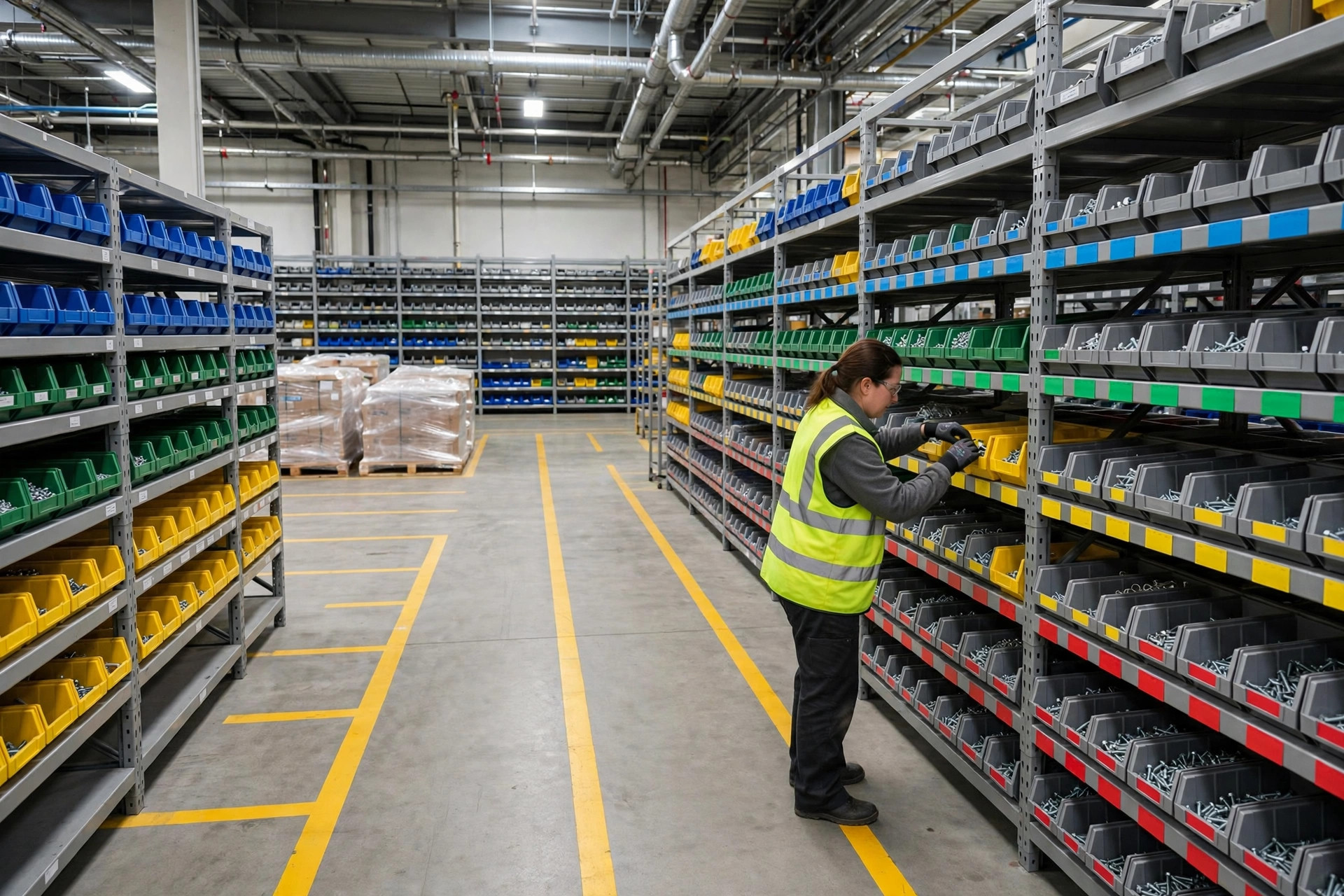
My redneck method: grab a stopwatch and shadow your pickers for three days. Time every action. Dump your orders into a spreadsheet and run an ABC analysis by SKU velocity. After three days, the truth pops out — in our warehouse, pickers spent well over half their day just walking: hunting for stock, waiting on orders, waiting on each other. Actual picking was less than forty percent of the time.
Here's a public industry figure: labor typically eats 50 to 70 percent of a warehouse's operating cost. So "freeing people from walking" sounds exactly right — but you first need to know why they're walking. Messy locations? Bad wave planning? Or just not enough volume to begin with? If re-slotting and re-coding your locations for a few thousand bucks fixes it, spending hundreds of thousands on equipment is using a cannon to kill a mosquito.
My verdict on this one: if you can't show data on where the time goes, don't talk automation yet. Do your ABC classification first. Sort out your locations first. There's an old saying in our industry — do your ABC analysis before you talk automation — and I second it with both hands.
Requirements Analysis, Question 2: Can Your Volume Carry the Bill?
This is my favorite question, because numbers don't do sales pitches. The payback formula is one line:
Payback (years) = Total investment ÷ Annual savings
And "total" means total: equipment, installation, facility work, software integration, training — all of it. Annual savings, be conservative: only count labor and error costs you can actually measure.
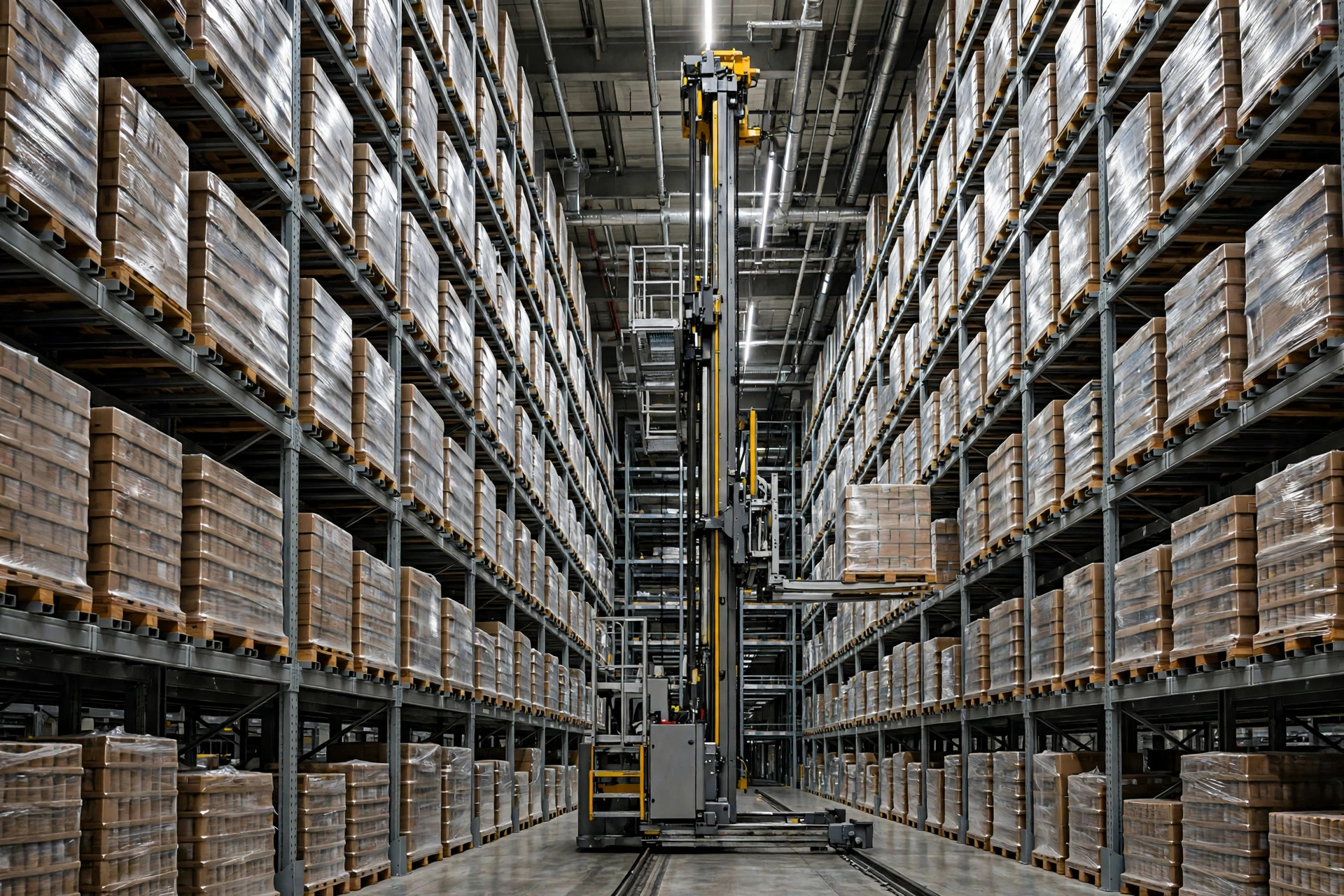
Industry benchmarks exist for reference: a cross-industry study (Mecalux and the MIT supply chain lab, 2025) puts the median automation payback at two to three years, with complex heavy systems running three to five. Small stuff like a modest AMR fleet can pay back in twelve to eighteen months; heavy AS/RS builds head toward the three-to-five range.
I ran our numbers back then: that sortation line was over 400,000 all-in, and even taking the rep's "saves three people" claim at face value, annual savings came to under 150,000 — payback pushing three years, and only in the fantasy scenario where volume never dips and headcount actually drops. Our kind of small warehouse sees volume cut in half in the slow season. Equipment doesn't do "slow season." Once I finished the math, I was cured: we cannot afford to burn money like that. At least not yet.
Verdict: any proposal with payback beyond three years gets an instant no from a small warehouse; beyond five years, even mid-size operations should think twice. Don't believe "it'll pay off once volume grows" — survive to that future first.
Question 3: Is Your Process Standardized Yet?
This is the most counterintuitive question, and where the most people crash. Automation is an amplifier: it amplifies efficient standardized processes, and it amplifies chaotic ones. Automate a mess and you get an automated mess — more expensive and harder to fix.
Before we bought our first electric pallet jack, I did something deeply unglamorous: wrote down the SOPs for receiving, putaway, picking, and checking, taped them to the wall, and ran them for thirty days. Once things ran smooth, the bottlenecks were obvious. Turns out our checking errors weren't a people problem — the check station lighting was dim and the barcode scanners were dying. Two new scanners and one lamp, under two thousand total, cut our error rate in half.
If we'd automated first, a two-thousand fix might have become a two-hundred-thousand "system optimization" line item. Every requirements analysis needs this test: can the current process survive one round of low-tech improvement first? If yes, do that first. What's left after that is what equipment is actually for.
Question 4: Can Your Site Handle It — Floor, Power, Network, Systems?
Equipment doesn't just sit there; it needs feeding. All the "little things" we almost missed:
- Floor: heavy equipment needs load-bearing capacity and levelness. Old industrial buildings have floors that forklifts have been beating up for years.
- Power: chargers, new circuits — is your electrical capacity enough? In our building, adding capacity meant applications to both the landlord and the utility. Three months minimum.
- Network: AMRs and AGVs need rock-solid wireless. Metal racking is a signal killer; one dropout, one dead robot.
- Systems: equipment has to talk to your WMS. Back then we were still on Excel plus WeChat — don't laugh, plenty of small warehouses still are. Without a WMS, automation equipment is blind.
Sales proposals bury all this under "customer responsibilities," one line of fine print. Your job is to translate that fine print into money and time, and add it to the math in Question 2. If your site can't take it, the best equipment in the world is a very expensive decoration.
Question 5: When It Breaks, Who Fixes It? And What's Your Exit?
The last question is about the worst case. Everything breaks eventually. The difference is what happens next:
- What does the annual maintenance contract cost? Is response time actually in the contract?
- Are critical spare parts stocked locally? If one imported part takes weeks, what ships your orders in the meantime?
- If the vendor goes under or gets acquired, who takes over your system?
And one more question that stings but has to be asked: if this equipment turns out wrong, what's it worth secondhand? Thinking about how you'd sell it before you buy it isn't pessimism — it's risk management. Small warehouses have thin margins for error. Your exit plan is your lifeline.
Three Honest Lines for Fellow Small-Warehouse Owners
After running through all five questions, the "automation" we ended up buying was a used electric pallet jack, two new barcode scanners, and a dirt-cheap basic WMS — total cost a fraction of that sortation line. We sailed through peak season just fine. Small warehouses have their own way of surviving. Nothing shameful about it.
Three honest lines for owners like me:
First, take these five questions into every sales meeting. If the rep can't answer "where does your warehouse hurt," walk away — he's prescribing before diagnosing.
Second, sometimes the best output of a requirements analysis is the conclusion "not yet." The hundreds of thousands you don't spend are this year's profit.
Third, automation is always "straighten out first, then speed up." With the process straightened out, equipment is the cherry on top. Without it, equipment is frost on snow.
We can't afford to burn money like that — but when it comes to spending it where it counts, nobody's sharper than us.
By Xiao Ma, Small Warehouse Owner