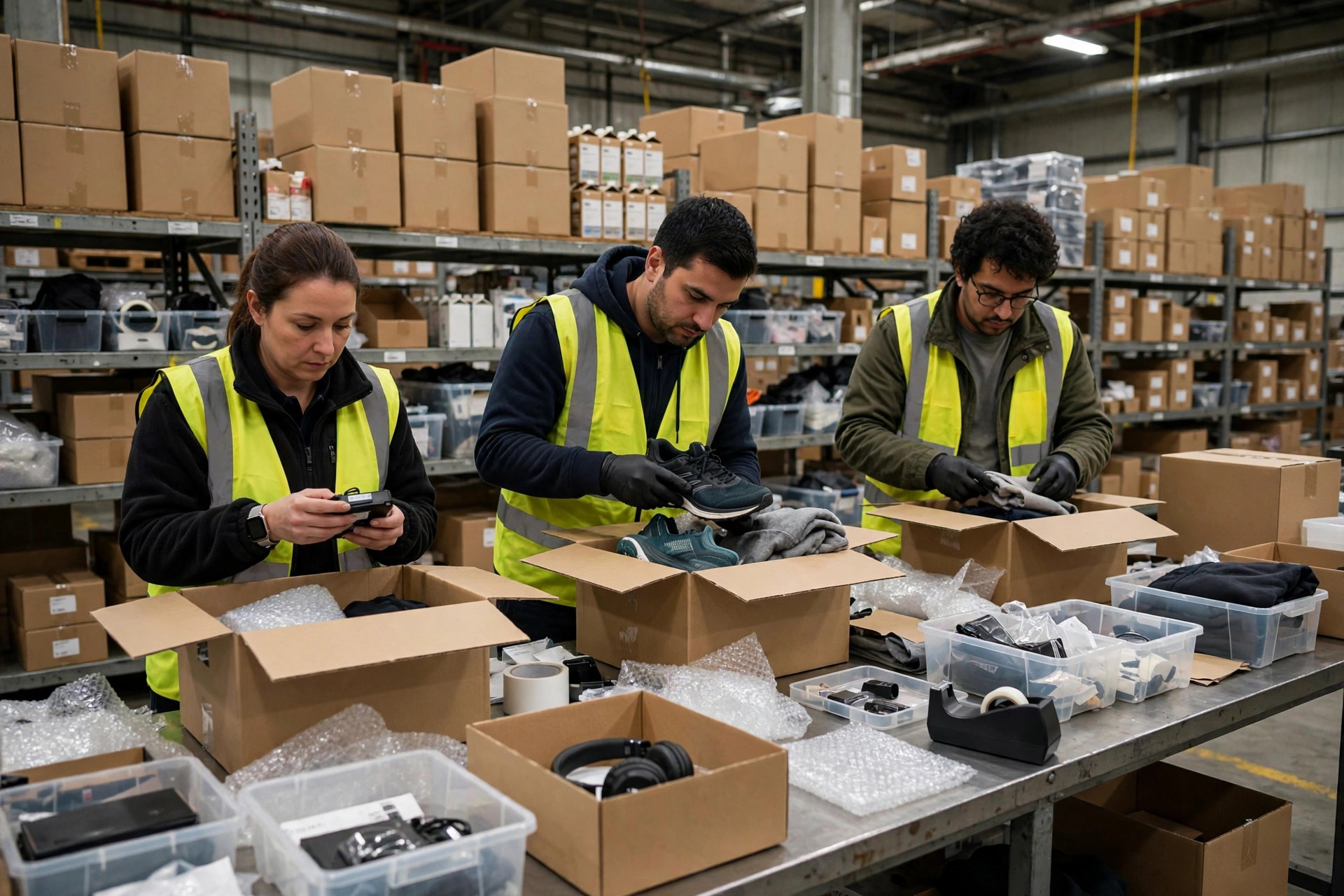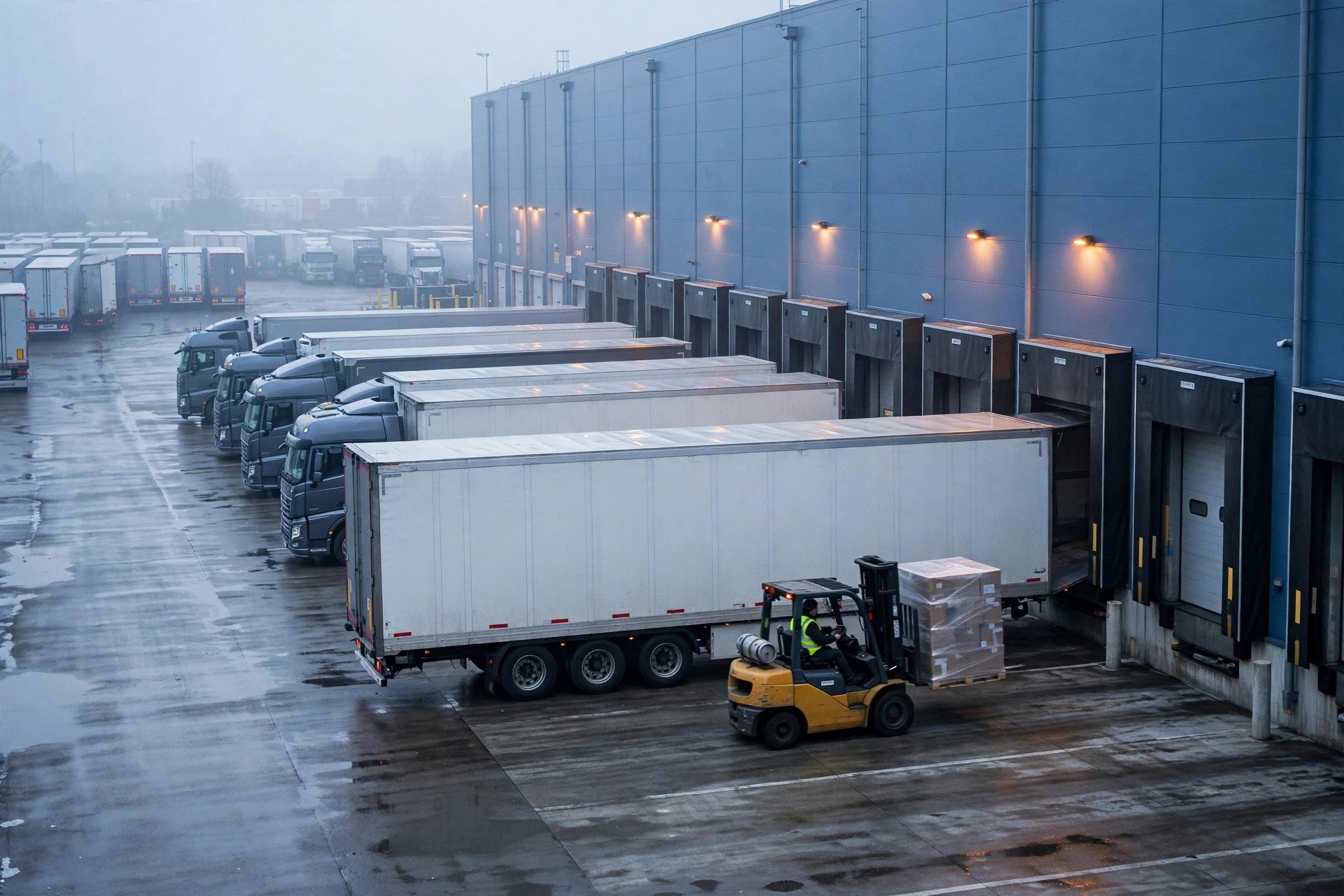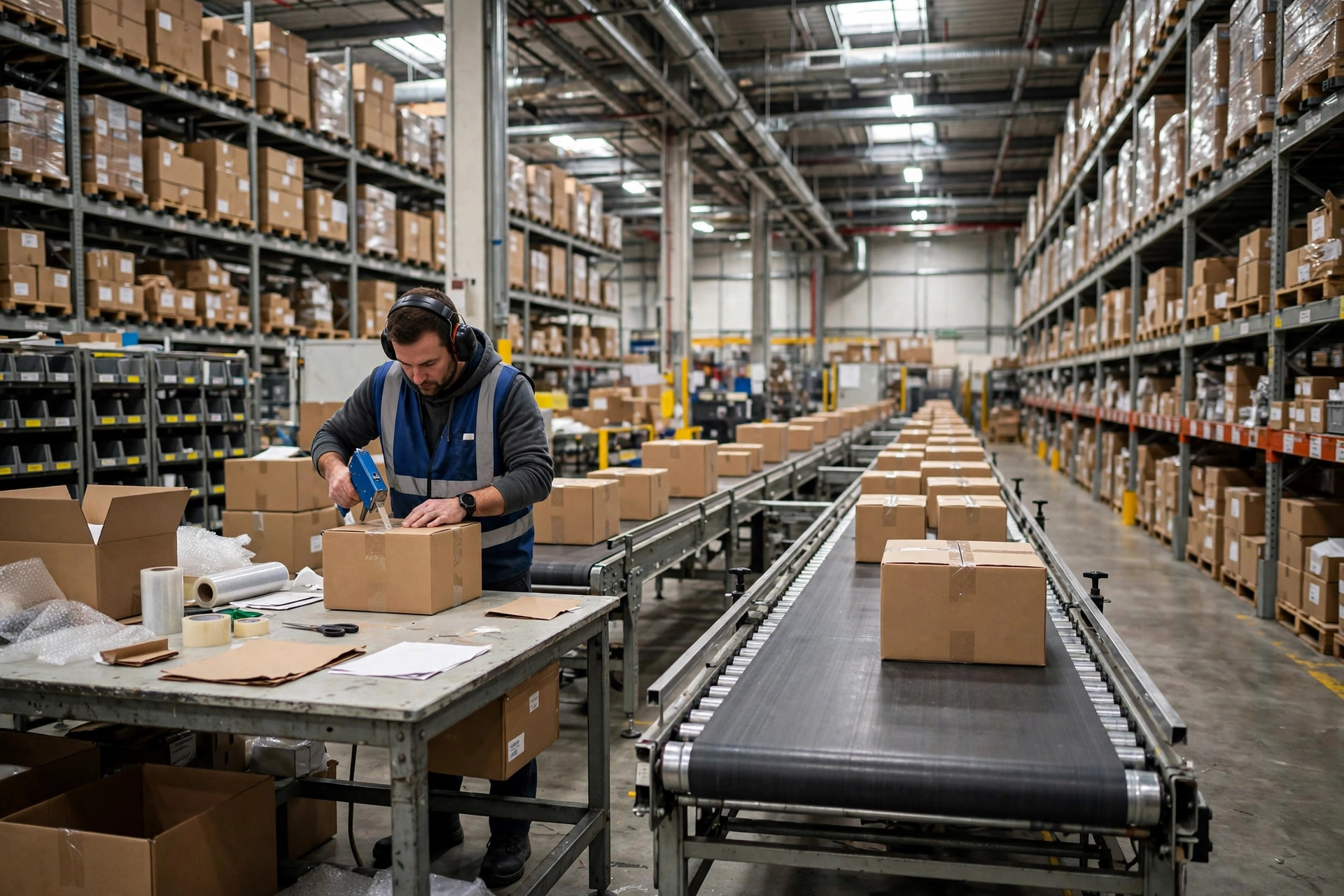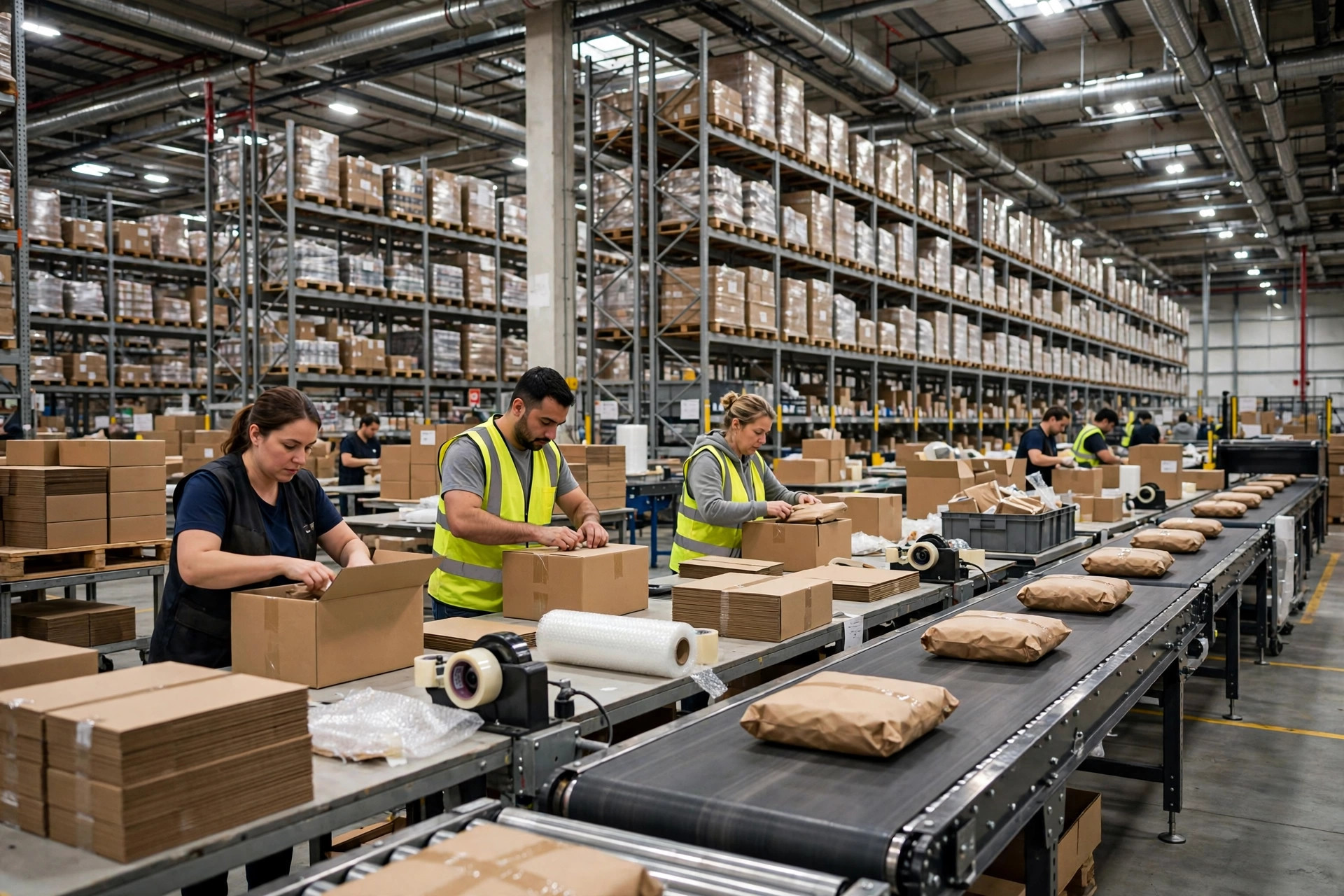
Last fall a seller of outdoor folding chairs came to me with a simple question. He rents a 12,000-square-foot warehouse in Ontario, California, employs four packers, and ships about 300 orders a day from his Walmart store — all of it seller-fulfilled. "Should I move my inventory into WFS?" he asked.
I didn't answer right away. Instead I asked him three questions: What's the most orders you've ever shipped in a single day? How are you handling returns right now? And do you know your true cost per order? He paused. Peak day was 900 orders, with his crew packing until 2 a.m. Returns were piling up in a corner, untouched. Cost? He figured shipping plus packaging, roughly.
That's when I told him his math was wrong. Choosing between WFS (Walmart Fulfillment Services) and seller-fulfilled isn't really a logistics decision — it's a business-model decision. Get it wrong and you'll either burn out your crew during peak season or bleed margin to storage fees in the slow months. After 20 years in warehousing, I've watched plenty of sellers get this wrong. Here's the honest breakdown.
What WFS Actually Charges You For
Most sellers think WFS is just "a shipping fee." It's not. The WFS invoice is a bundle: inbound receiving, monthly storage (by cubic volume), pick and pack, outbound shipping (tiered by size and weight), and return processing — plus long-term storage surcharges for slow movers. Walmart adjusts these rates regularly, so check the latest published rate card on Walmart's seller portal — any numbers I quote here could be outdated tomorrow.
What matters more than the rates is how the fee structure fits your product mix. WFS rewards velocity: fast-moving SKUs dilute the storage cost and benefit from scale on shipping. Slow-moving SKUs sitting in a WFS fulfillment center rack up monthly storage, and after a few months the long-term surcharges kick in. I know a home-decor seller who pushed all 200 SKUs into WFS at once; six months later, the bottom 120 SKUs had generated more in storage fees than in gross profit.
Now the seller-fulfilled side. I redid the Ontario seller's math properly: warehouse rent on 12,000 square feet, four packers' wages, boxes, bubble mailers, tape, his discounted carrier rates — plus mispicks, missed scans, and the customer-service hours spent on shipping disputes. He'd only ever counted "postage." His real cost per order came out much higher than he thought.
But seller-fulfilled gives you something WFS never will: flexibility. Want to change the packaging, slip in a thank-you card, or bundle a promo pack? Your own warehouse can do it tomorrow. WFS is a standardized pipeline — your inventory goes in, standard process comes out. Don't expect customization.
So the first verdict is straightforward: fast-moving, standardized SKUs usually win on WFS; long-tail SKUs and anything needing custom handling belong in your own warehouse. Don't go all-in on either. Mixing both is the norm among sellers who actually make money.
The Buy Box Battle Is Won on Delivery Speed
Walmart doesn't publish the Buy Box algorithm, but fulfillment performance has always carried heavy weight. WFS orders ship with 2-day delivery badges and consistent transit times, and the platform trusts orders it can see end to end. That's not a conspiracy — it's platform logic. WFS shipments are fully visible and the delivery promise holds up, so the Buy Box follows.
Seller-fulfilled means you own the on-time metrics yourself. Three hundred orders a day is fine; 900 on a peak day with four people packing until 2 a.m. is how a promised 2-day ship turns into a 4-day ship, and the Buy Box disappears. The Ontario seller lived this last Black Friday: he lost the Buy Box on his bestselling chair for two weeks, traffic got cut in half, and he described it as "watching someone else sell my product."
There's also a geography problem. WFS distributes your inventory across multiple fulfillment centers, so delivery times stay even nationwide. One warehouse in California means East Coast orders naturally take 2–3 days longer. Your options: rent a second warehouse on the East Coast and double your fixed cost, or accept weaker conversion and Buy Box competitiveness out east.
WFS has its own counterintuitive trap, though: WFS inventory and your own warehouse inventory are two separate pools. One seller moved 80% of his stock into WFS for peak season, then watched his listing show out of stock in one region while thousands of units sat in his California warehouse — untransferable on short notice. WFS replenishment has lead time. If you don't stage inventory 3–4 weeks before a big promo, with time for receiving and internal transfers, you're handing sales to competitors.
Returns and Inbound: Where the Devil Lives
Returns are the most misunderstood part of WFS. Returns go straight back to the WFS warehouse, the platform handles them, you pay a processing fee and never touch the product. Sounds easy — and it is easy. But you also lose inspection and resale. A huge share of returns aren't defective: wrong size ordered, buyer's remorse, duplicates. The product is brand new. Handling it yourself means opening the box, checking it, and putting it back on the shelf — that's recovered margin on every unit. With WFS, all you see is a processing fee, and you have almost no say in how the goods are dispositioned.
With seller-fulfilled, returns come back to your own dock. You can set up a returns station — open, inspect, sort: resellable goes back to stock, cosmetically flawed goes to clearance, genuinely broken goes back to the supplier as a claim. That takes process, labor, and floor space. The Ontario seller had hundreds of unopened returns stacked in a corner. I told him straight: at least half of that pile is resellable. That's not saving on labor — that's burning money.
Inbound compliance is where sellers get hurt worst. WFS inbound rules are exacting: appointment scheduling, pallet specs, carton labeling, packaging standards. Miss one and the shipment can be refused or hit with non-compliance fees. Back in 2023, a client sent 40 pallets into WFS ahead of peak season; the carton labels were printed 2 millimeters off-center, and the warehouse rejected the entire delivery. The truck sat at the gate for six hours — detention charges accruing — then hauled everything back for relabeling and a new appointment. A 2-millimeter printing error cost him the first week of peak season. You'd never face that shipping from your own warehouse, but with WFS, inbound compliance is a mandatory discipline.

Replenishment rhythm differs too. WFS offers restock recommendations, but they're driven by sales history — they won't catch your promo spikes or seasonal surges. You have to plan ahead yourself. Seller-fulfilled lets you watch your own inventory levels directly: simple and flexible, but entirely on you. Miss it and you stock out.
One Thing You Can Do Tomorrow
Don't pick a side yet. Tonight, pull 90 days of data from your seller dashboard: total orders, return rate, total shipping spend, packing labor and packaging costs. Compute your true cost per order. Then take your two fastest-moving SKUs, send a small batch — about two weeks of sales — into WFS, and run it for two weeks. Compare per-order cost, Buy Box share, and return handling against your own operation.
Until that data is in, don't bet the whole warehouse on either model. WFS and seller-fulfilled aren't either-or. The sellers making real money run a hybrid: winners ride WFS for speed and Buy Box share, long-tail and customized items stay seller-fulfilled to protect margin. Test small first, then decide — that's how veteran sellers do it.