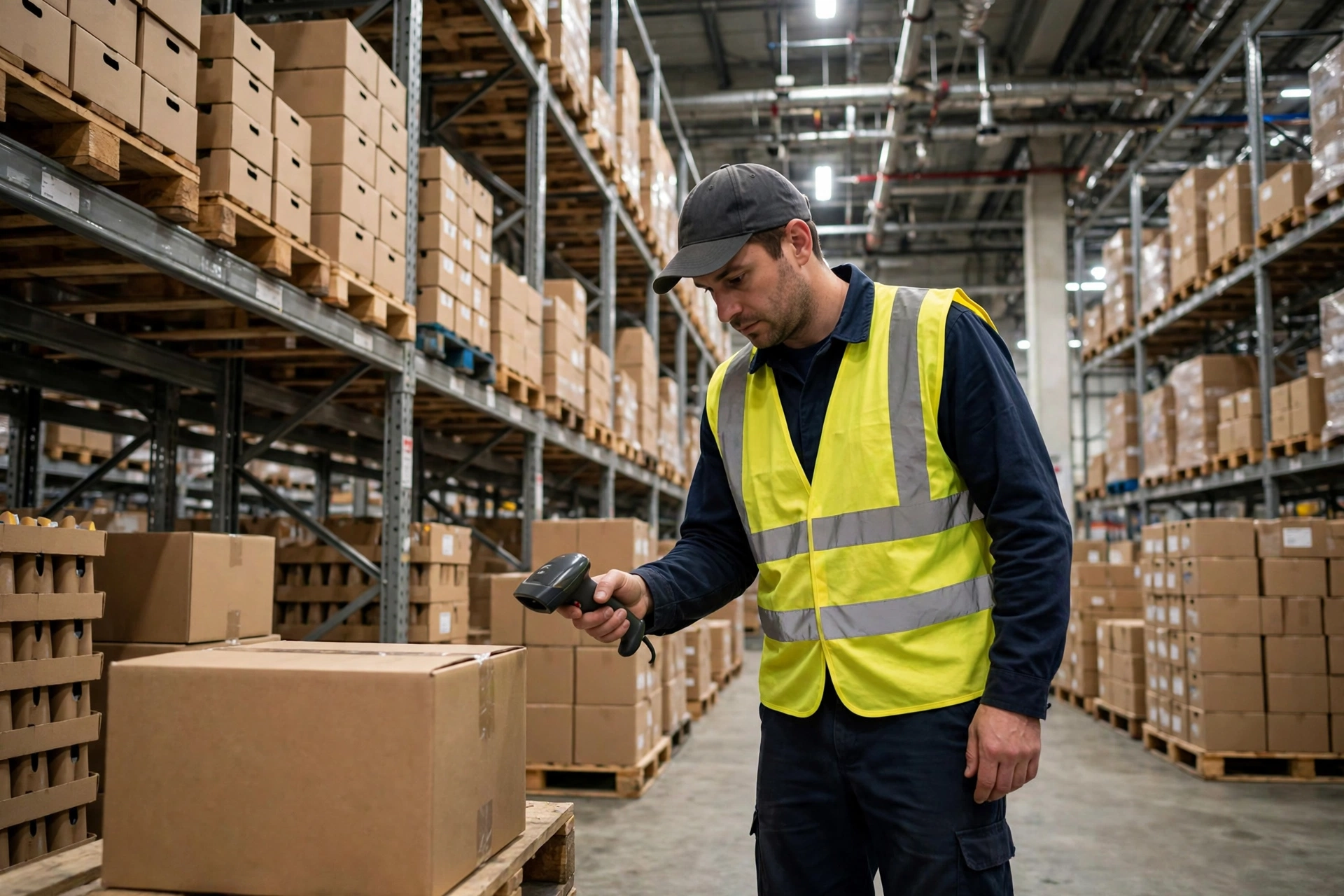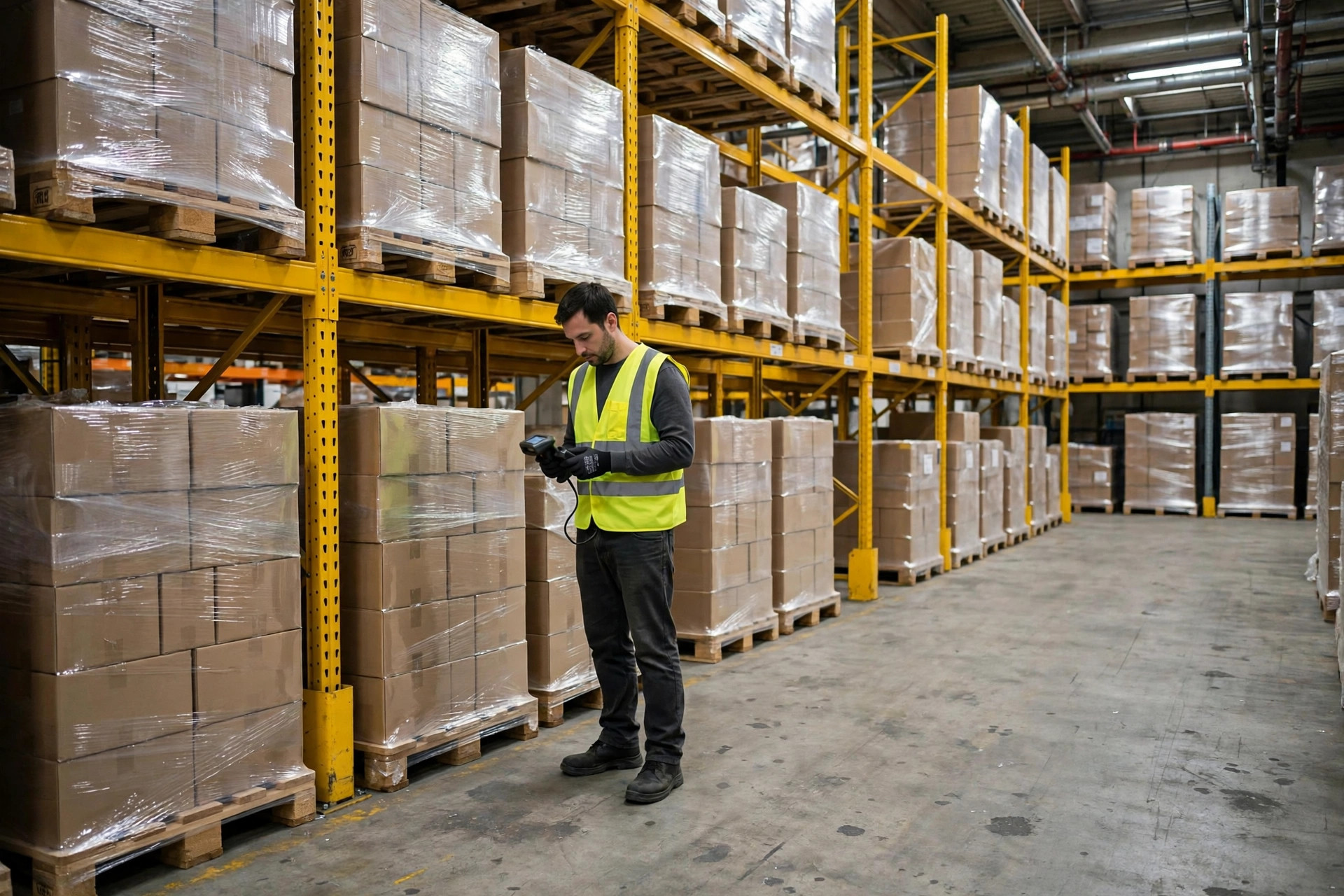
Our warehouse is 3,000 square meters, a little over 400 rack positions. Full physical count once a month: two people, two days — and we still miss stuff. The enterprise vision-counting systems, fixed cameras plus real-time matching? I took one look at the quote and put it down. We small warehouses can't burn that kind of money.
But then vision-language models showed up, and I realized there's a scrappy version we can steal. Same idea, a fraction of the cost.
VLM in plain words: it's AI that can look at a photo and understand human language at the same time. You snap a picture of a rack and ask, "This slot should hold blueberry snacks — is that what's in the photo?" It answers, and circles the wrong cartons. The big difference from old-school vision AI: the old stuff needed training — you had to teach it what every SKU looks like, and a packaging change meant retraining. VLM needs no training. You feed it the slot master data (what's supposed to be here) as the answer key, and it compares on its own. Small warehouses never had anyone to babysit training runs. Now we don't need to.
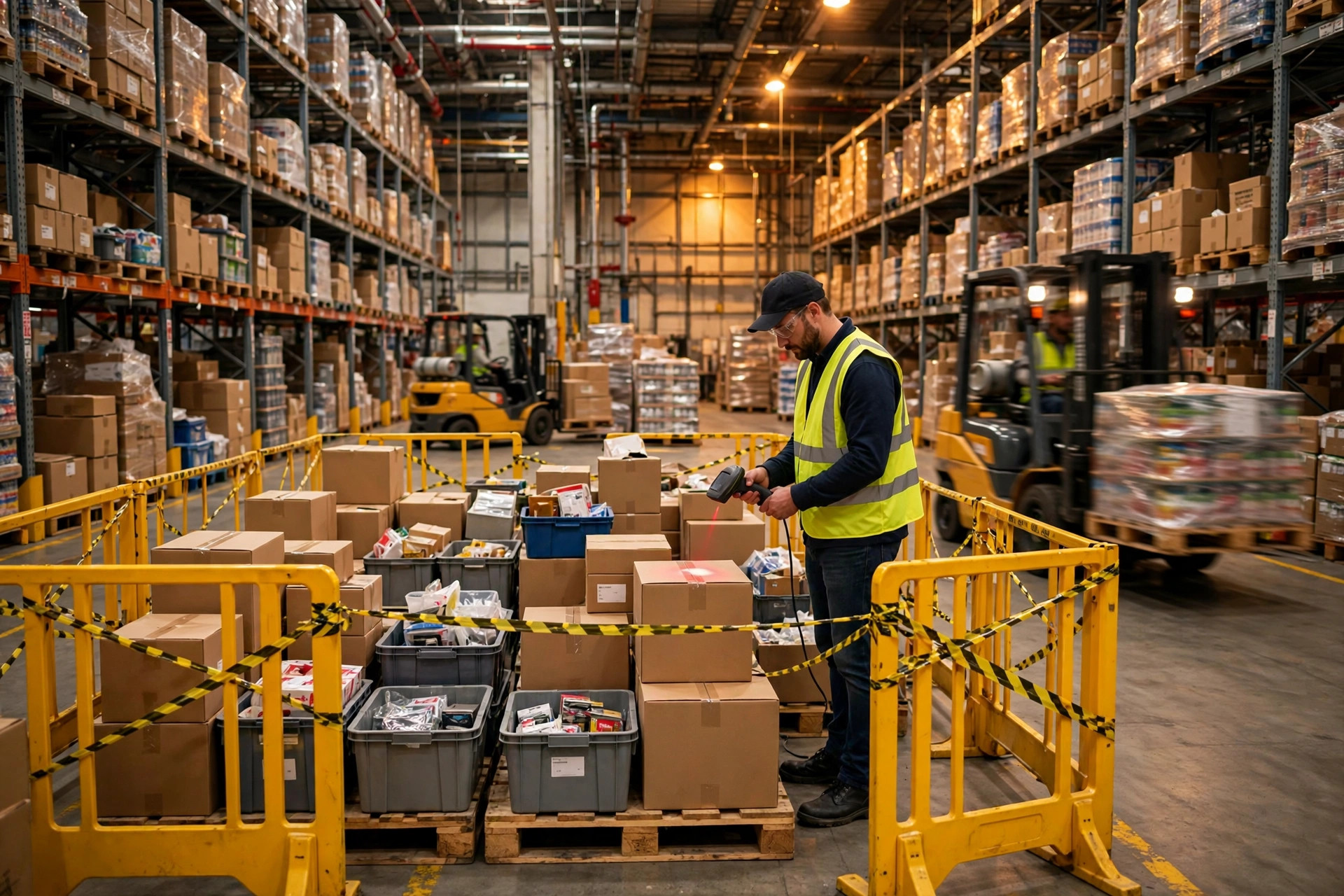
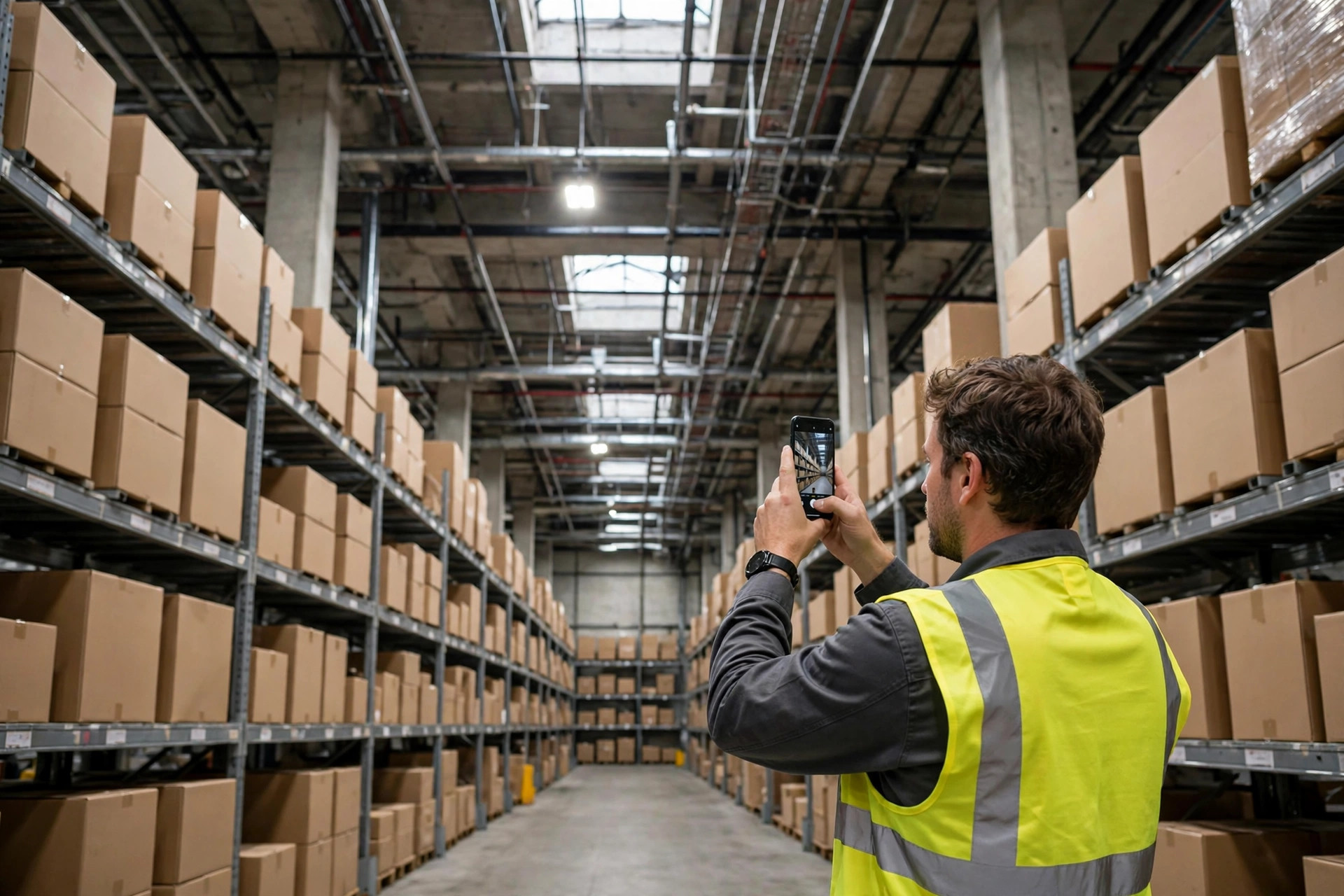
Here's our scrappy version, one round a week: print the slot list for high-velocity positions, plan a patrol route, one person with one phone, one photo per slot. Back in the office, batch the photos into the VLM and ask the same question every time: "This slot should hold A. Is A in the photo? Anything misplaced or missing?" Flag the problems, verify them by hand the next day. No code, no integration — a phone and a browser.
Does it work? Two true stories.
This March, one of our slots was supposed to hold 12 cartons of dried blueberries. Three cartons of dried cranberries had slipped in — nearly identical packaging. Three months of manual cycle counts missed it; the counters saw the quantity matched and moved on. The VLM photo patrol circled those 3 cartons in week one. Anyone running 3PL knows: a mispick is the most expensive mistake there is. One wrong shipment costs me more than half a year of counting labor.
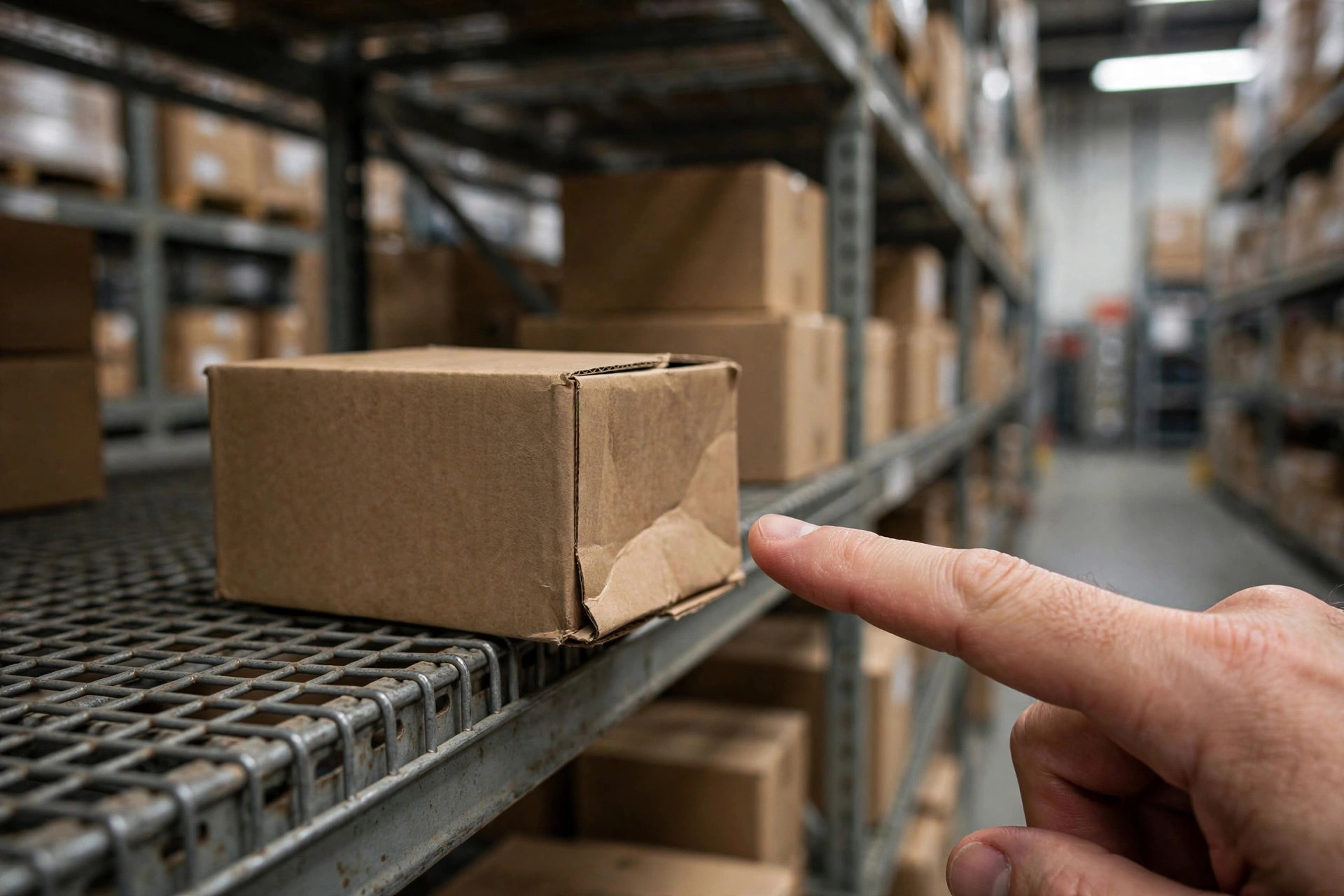
Second story: ghost slots. The system says there's stock; the rack is empty — or the reverse. We photograph weekly now, and the VLM just reports "this slot is empty," we match it against the system, and the discrepancy pops out. These used to surface only when a picker came up empty-handed — by which point the shipment was already late and the customer was already on the phone.
Now the math. Before: two people, two days, once a month, still with misses. Scrappy version: one person, half a day a week photographing; high-velocity zones checked weekly, slow zones monthly. Of the slots the AI flags as "problem," hand verification confirms roughly seventy to eighty percent are real problems — the rest are bad lighting or bad angles fooling the AI. The other direction: slots the AI clears but that actually have problems — call it ten to twenty percent slip through. So let me be straight: AI is a first filter. It does not replace human verification. Anyone telling you it fully replaces manual counting is selling something.
What does the scrappy version cost? The phone we already owned. The VLM side charges per image, and our weekly batch runs to a few hundred photos — the monthly bill is less than what we spend on stretch film in a week. The expensive part was never the AI. It was getting the slot master data clean, which took two afternoons and a pot of coffee.
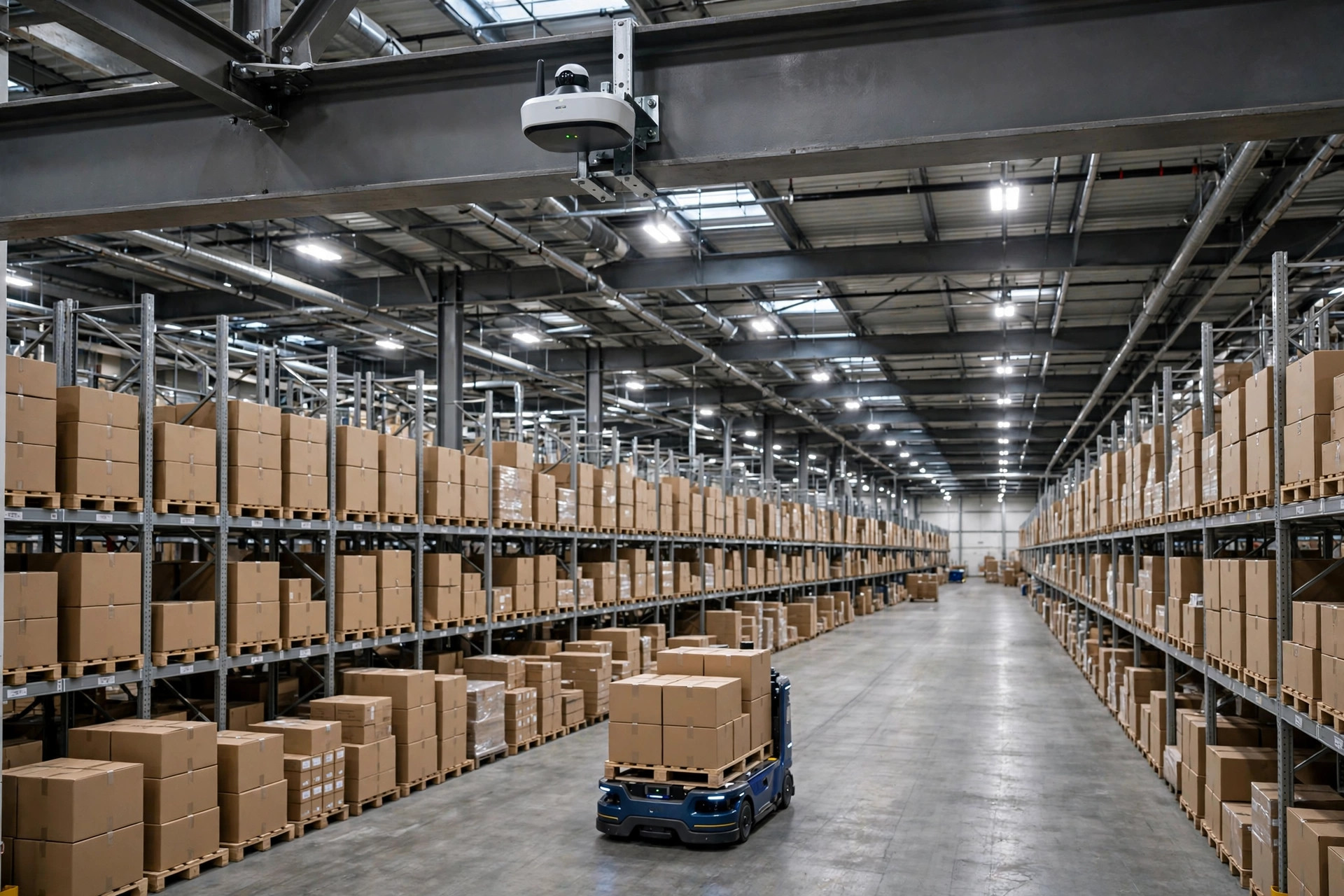
What did we steal from the expensive enterprise setup? The thinking, not the hardware. They use fixed cameras shooting in real time; we use a phone on a schedule — same "photograph and compare" idea. They train per SKU; we use slot master data as the answer key — same "no training needed" idea. Ideas are free. Hardware isn't.
Two counterintuitive findings. First: the more "professional" the photo, the worse the results. We started out having staff hold the phone level, perfectly framed, picture-perfect — and the AI did worse than with casual snaps. Then it clicked: VLMs have seen oceans of casual photos. Your staged shot is outside its comfort zone. Shoot however feels natural. Don't pose.
Second: don't roll it out warehouse-wide on day one. Start with the 20% high-velocity slots — in our experience, 80% of the problems live in that 20%. Once the routine runs smooth, expand. Small warehouses are short-handed; put the steel where the blade is.
One more detail that saved us a lot of rework: keep the slot labels legible. The VLM reads the slot number on the label in the same glance — if the label's fallen off or a carton blocks it, the AI can't tell which slot the photo is. We spent one afternoon re-sticking every label in the warehouse: straightened the crooked ones, replaced the missing ones. Best money we spent all quarter — call it "AI-era infrastructure," ha.
Three pieces of advice for fellow small warehouses: get your slot master data clean first — if the answer key is wrong, the AI is useless. Keep the photo route and angles consistent — don't shoot the left side today and the right side tomorrow. And hand-verify every AI flag within 24 hours; the dock changes if you wait.
Route planning matters more than you'd think: walk the slots in serpentine order, no backtracking; shoot in the same order as the printed list so matching photos later takes minutes, not an hour. And yes, we bought two selfie sticks for the high racks — laugh all you want, the AI sees more when the camera gets up there.
Big companies have their playbook. Small warehouses have ours. One phone plus an AI that can read photos, and even a little warehouse like ours can keep its racks honest.
By Xiao Ma, Small Warehouse Owner