Here is my verdict up front: the Valencia warehouse market works beautifully as a Mediterranean gateway, and poorly as a single national hub for all of Spain. If your freight arrives from the Mediterranean and your customers sit along Spain's eastern coast and nearby Southern Europe, a warehouse here makes real sense. If you want one building to serve the whole country, Madrid is the honest answer, and forcing Valencia into that role will show up in your freight bills sooner or later.
That is the trade-off in a nutshell. Valencia's strength is genuine: the port is right there, so the path from vessel to container to warehouse is short, and the city is compact enough that the port, the suburbs, and the highway network are not an hour apart the way they are in a sprawling capital. The weakness is just as real: its natural catchment is the eastern coast. Push deep inland or up north, and linehaul distance and service frequency both fall behind Madrid and Barcelona. So before you look at a single building, ask where your freight comes from and where it goes. That answer decides the location, and the location drags rent, labor, and trucking schedules along with it.
The Valencia Warehouse Market, Priced Honestly: Port vs. Suburb
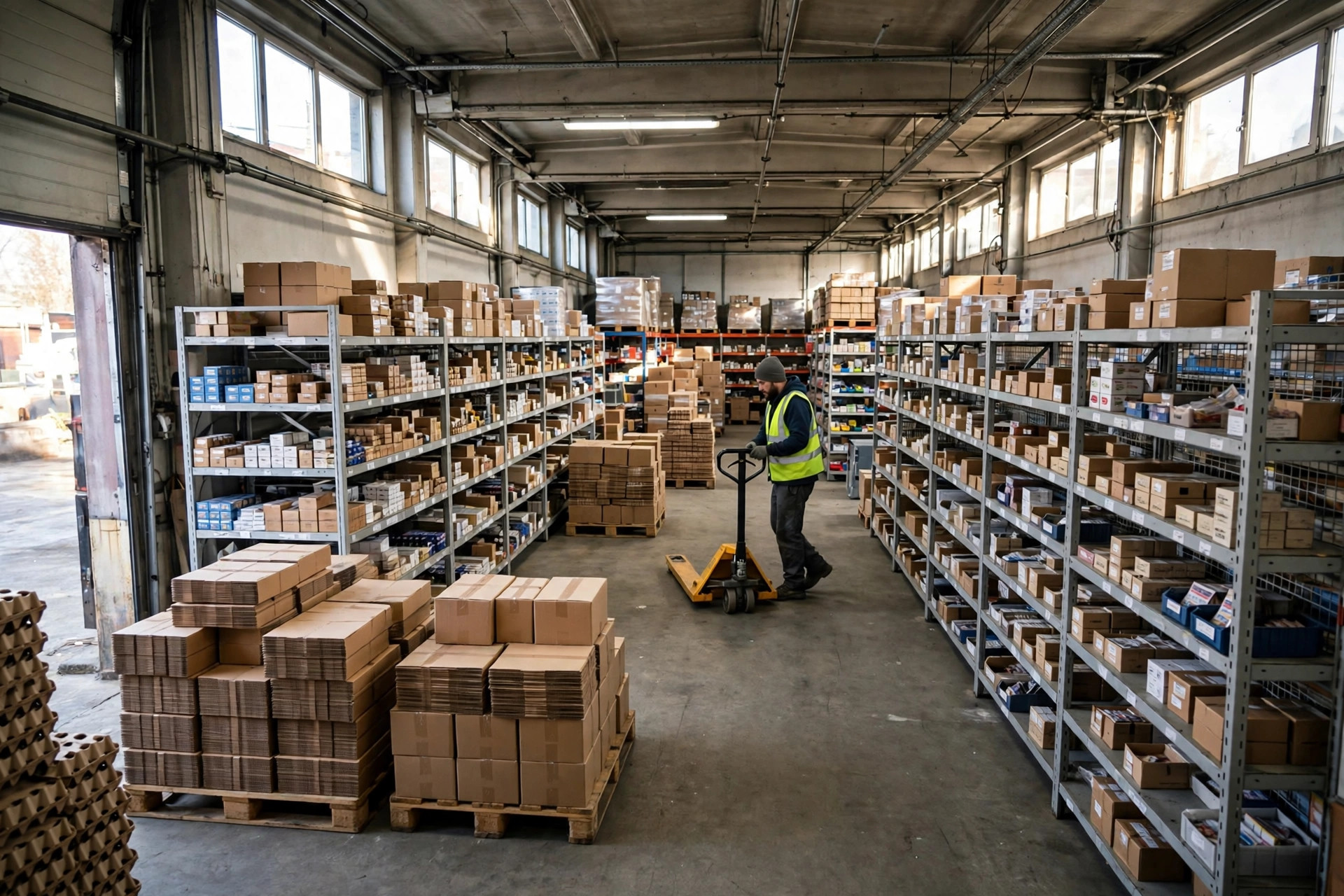
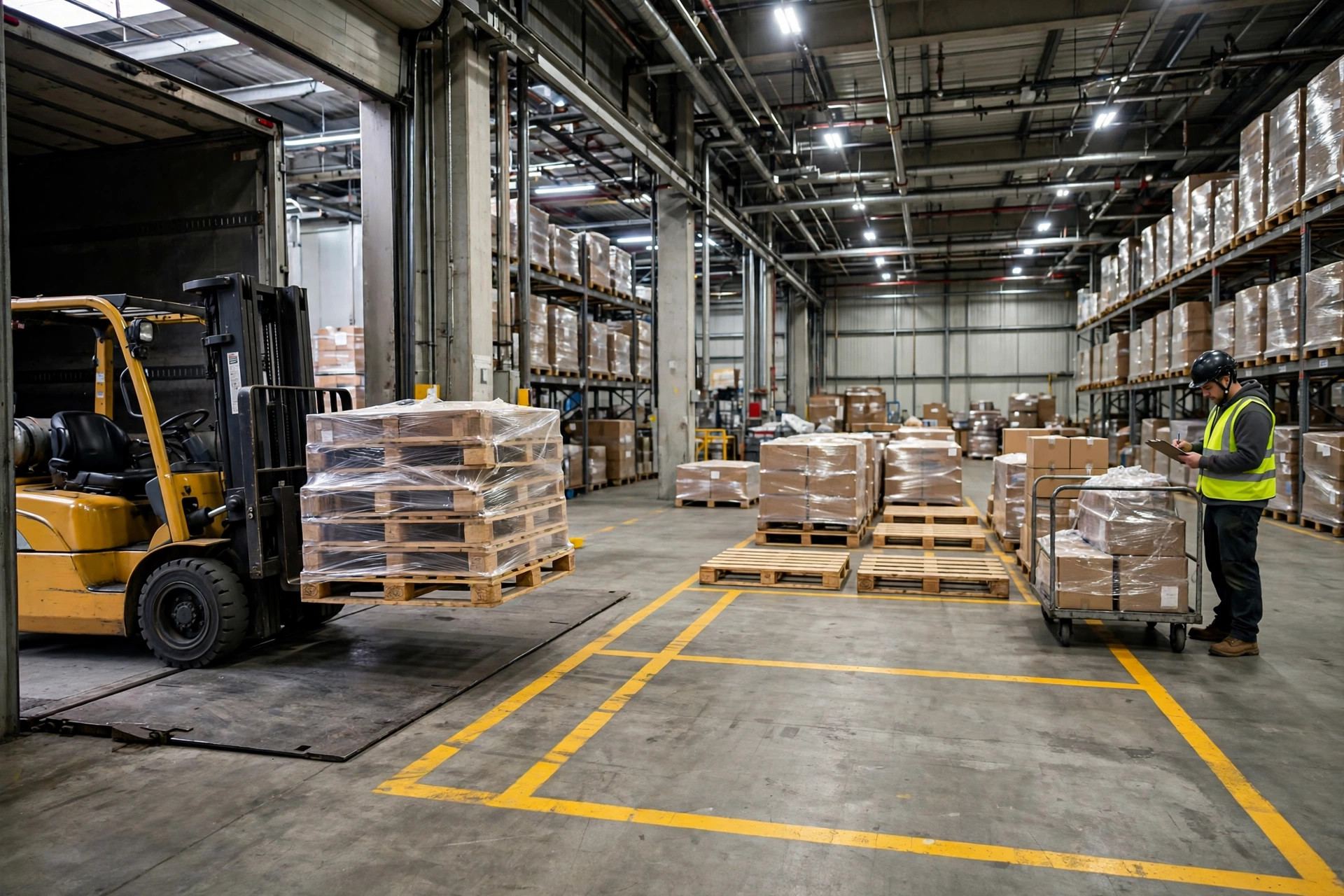
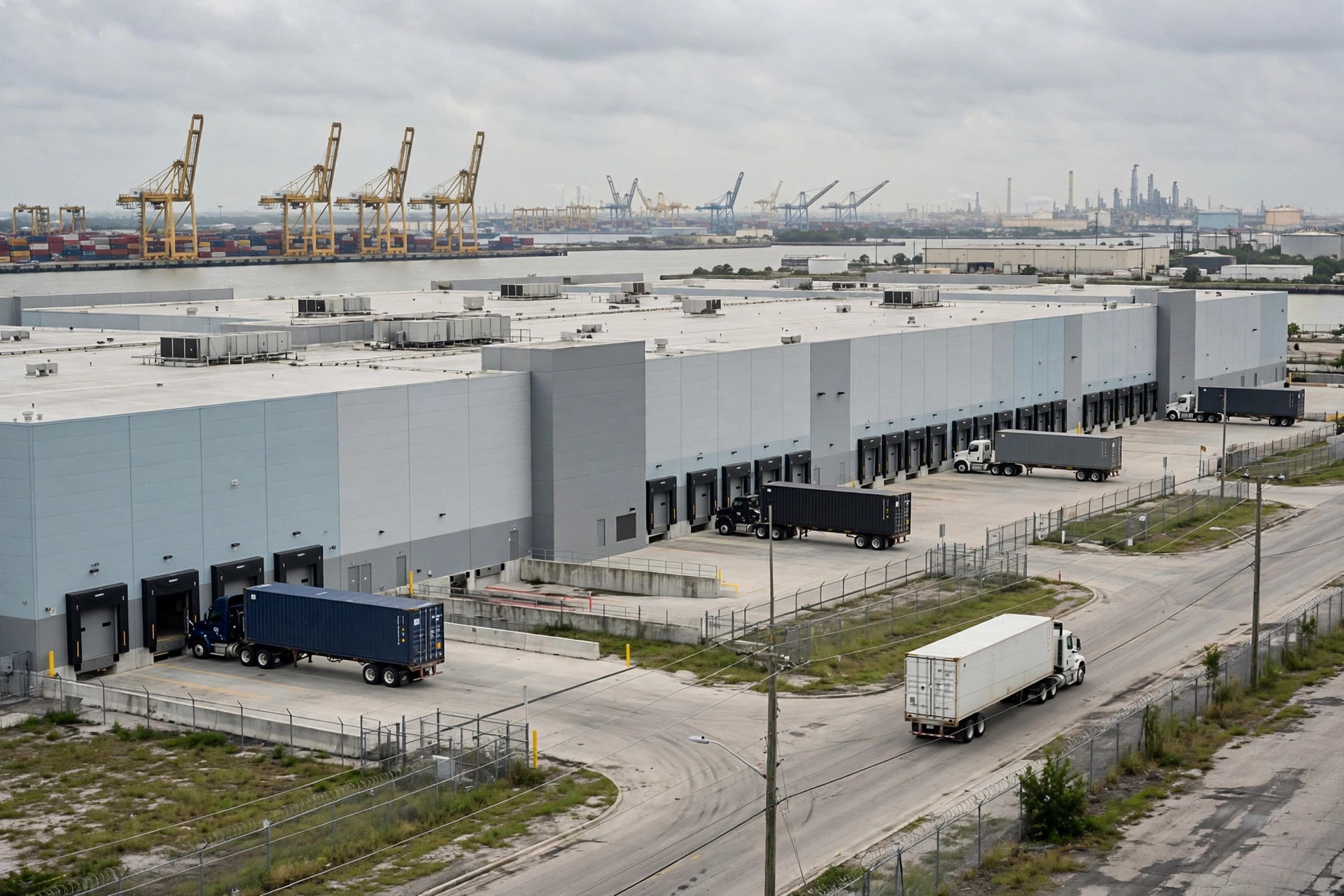
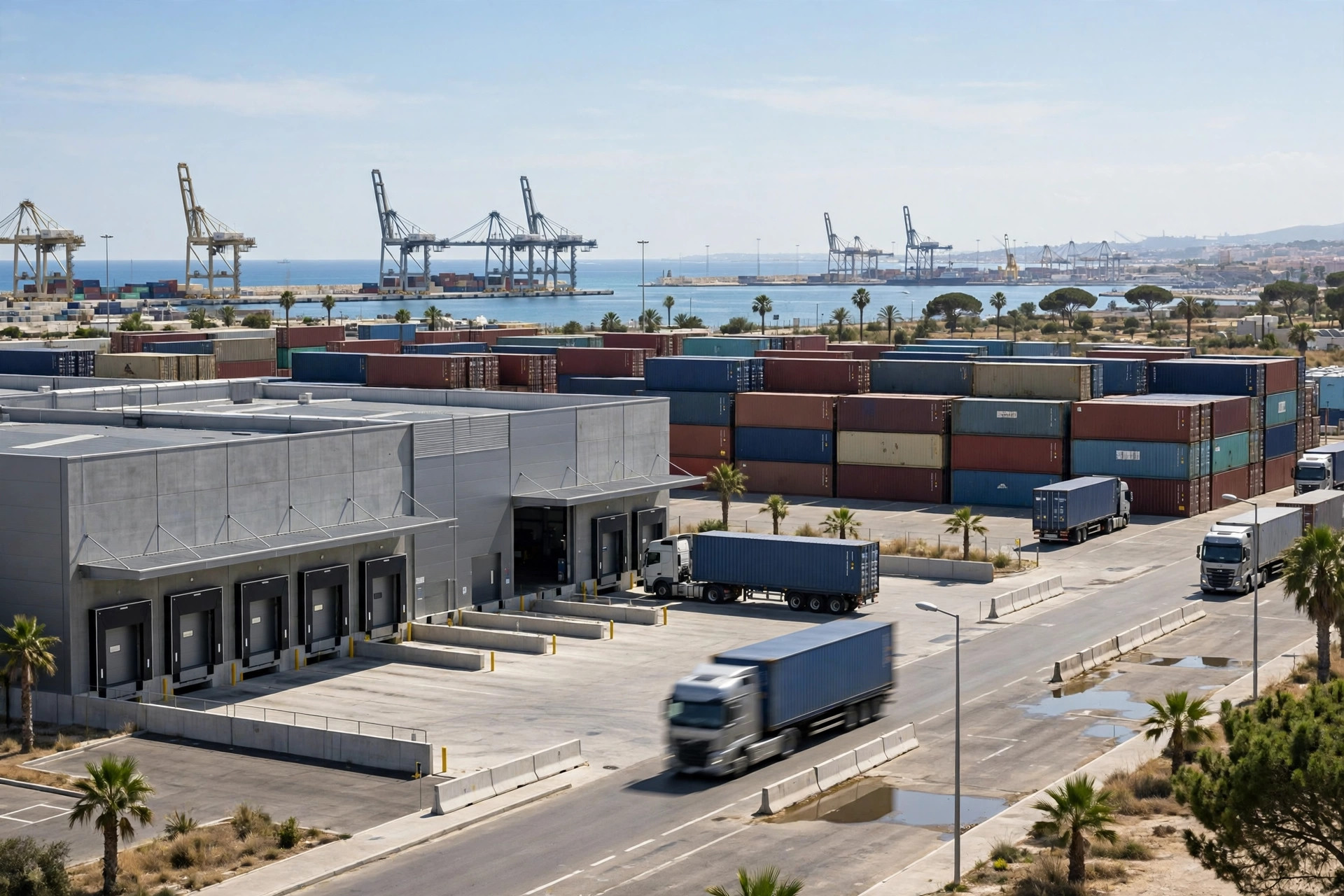
A warehouse near the port sells one thing: proximity. Containers come off the vessel and into the building, inspections, devanning, and dispatch all happen within sight of each other, and that suits fast-turning, time-sensitive freight. The price is also visible: space near the port is scarce and contested, trucks queue during peak port hours, and yards are often tight, so turning a large truck, staging freight, or running overtime is harder than it looks on a brochure. A suburban warehouse flips the deal. The yard is bigger, access is easier, and schedules are more flexible, which suits freight that needs sorting, labeling, kitting, or light value-added work. The price is an extra drayage leg from port to warehouse, so you have to build slack into your timeline.
I have seen too many operators compare headline rents and stop there. A port warehouse looks cheaper because it skips a drayage leg, until an inspection or a congested port day leaves a container sitting an extra day, and detention and rescheduling eat the saving. A suburban warehouse looks more expensive because of the extra leg, until smooth operations, fewer reworks, and no overtime firefighting make the busy season hold together. The honest math adds drayage, waiting time, rework, overtime, and peak-season disruption together, then asks which option costs less overall and varies less when things go wrong.
A Mistake I Watched Happen: Close to the Port, Stuck in the City
In the fall of 2023, an auto-parts client told me he wanted a small warehouse right by the port of Valencia, for exactly one reason: it was close to the port, so freight could ship the moment it arrived. I pushed back. His freight did not ship on arrival. It had to be sorted, kitted by vehicle model, and then dispatched to dealers across Spain, and a small port-side building could not hold that workflow. He signed anyway, and the first peak season proved the point. Three containers arrived together, the warehouse could devan only one at a time, and the other two waited outside. Dealer orders were urgent, so the crew devanned by day and kitted by night, and for two straight weeks they were chasing the schedule. Two shipments still went out two days late.
We changed the setup. The port side kept only a small transfer point for receiving containers and short-term staging. The real distribution warehouse moved to the suburbs, with more than twice the space, so devanning and kitting could run at the same time. After that, the same inbound volume stopped tripping over itself, and late shipments largely disappeared. The lesson stuck with me: close to the port is not the same as easy to operate. A warehouse earns its keep by letting your process run, not by having a fashionable address.
What Fits Here, and When to Walk Away
The freight that fits Valencia has a clear profile. First, Mediterranean inbound freight: goods arriving by sea from North Africa, Southern Europe, or the Eastern Mediterranean, then distributing along Spain's east coast and nearby markets, follow a naturally short chain. Second, seasonal, fast-turning consumer goods and auto parts: once the vessel arrives, containers need fast devanning, putaway, and dispatch, and either a near-port or suburban building can handle that rhythm. Third, freight that needs work inside the building: sorting, labeling, repacking, and kitting all run better, and usually cheaper, in a larger suburban warehouse.
Walk away in three cases. First, if your main market is northern Spain or the deep interior, a Valencia warehouse means long linehaul runs every day, and the freight cost gets uglier the longer you run it; put the hub near Madrid instead. Second, if your business leans heavily on air freight or dense rail schedules, Valencia's service choices are thinner than the two big hubs, and you should not trade linehaul options for the word "port." Third, if your volume cannot yet support a dedicated building, do not sign one anyway and hope volume catches up. Start with a third-party or shared warehouse, prove the volume, and only then talk about your own space.
Here is the counterintuitive part: most sellers assume the closer to the port, the better, and I think the opposite is usually true in Valencia. For most operations, the suburban warehouse is the right way to use this city. The port's job is to catch the vessel quickly, not to host every task. Let the port be the door and the suburb be the workshop: receiving at the door, brains and hands in the suburb, and the whole chain runs faster and steadier. The door and the workshop were never meant to share the same small yard.
Choosing in the Valencia Warehouse Market: A Simple Decision Frame
| Option | Best for | What it costs you | What you get |
|---|---|---|---|
| Near-port warehouse | Freight that ships on arrival, turns fast, needs little handling | Tight yard, peak queues, hard to expand | The shortest port-to-warehouse leg |
| Suburban warehouse | Freight that needs sorting, labeling, kitting, or distribution | An extra drayage leg, timeline slack required | Smooth operations, flexible schedules, a peak season that holds |
| Valencia plus Madrid or Barcelona distribution | Freight that needs both a Mediterranean entry and national coverage | Two sites to coordinate and manage | Fast entry plus broad coverage, if the split logic is sound |
Use the table this way: look at your product type, then your order destinations, then your handling complexity. If two of the three point to the suburbs, go look at suburban buildings. If two point to the port, ask hard questions about the port building's operating limits before you sign. And if national coverage is a hard requirement, do not hang everything on Valencia alone; add a Madrid or Barcelona distribution point where it belongs. The coordination cost of two warehouses is far cheaper than the freight cost of one warehouse straining to serve the whole country.
Before you sign anything, pin down three items in writing. First, peak-hour truck access and queuing rules, so you do not discover in peak season that large trucks cannot get in. Second, the triggers and pricing for exceptions: inspections, detention, and overtime. Verbal assurances do not count. Third, room to grow: if volume doubles, can you expand in place, or will you have to move? Treat rates, fees, and policy details as subject to the latest official terms; do not build next year's budget on last year's quote sheet.
One last piece of advice: Valencia is a good gateway, but a gateway is not the whole map. Draw your freight flow first, vessel to warehouse to customer, with the time and cost of every leg marked, and then decide where the warehouse belongs. Once the map is clear, will the answer not pretty much choose itself?
By Lao Mi, Supply Chain Veteran (20 yrs)