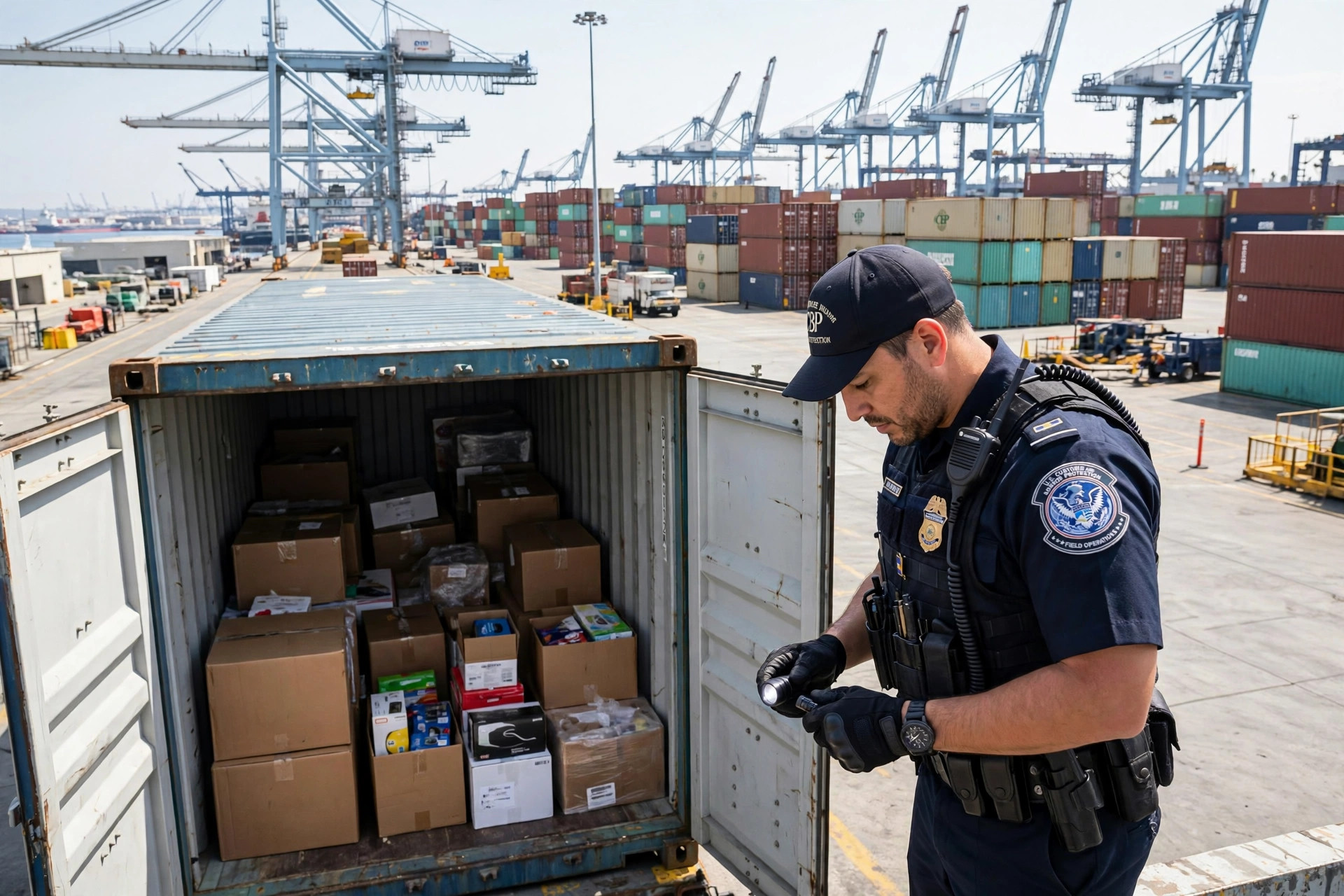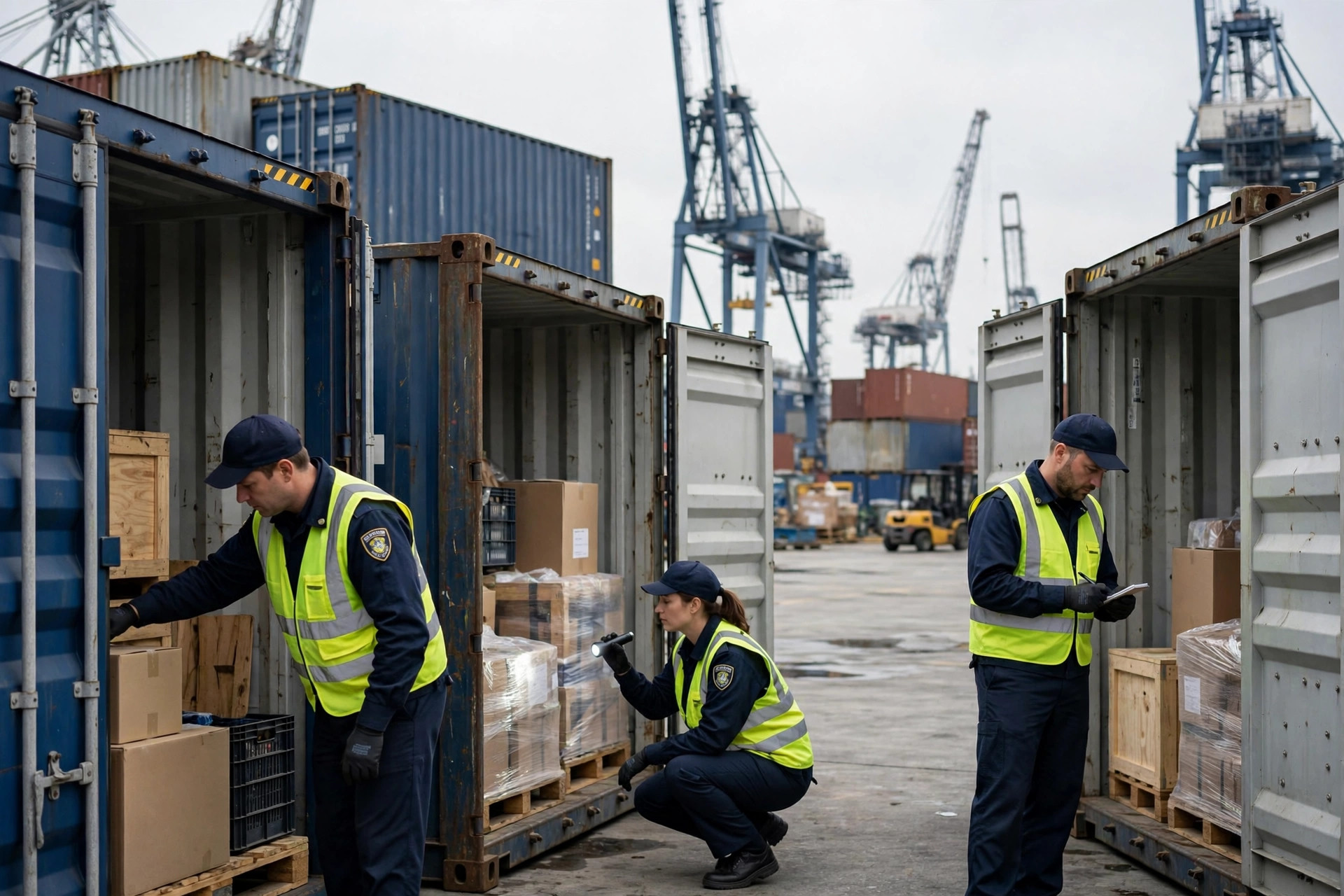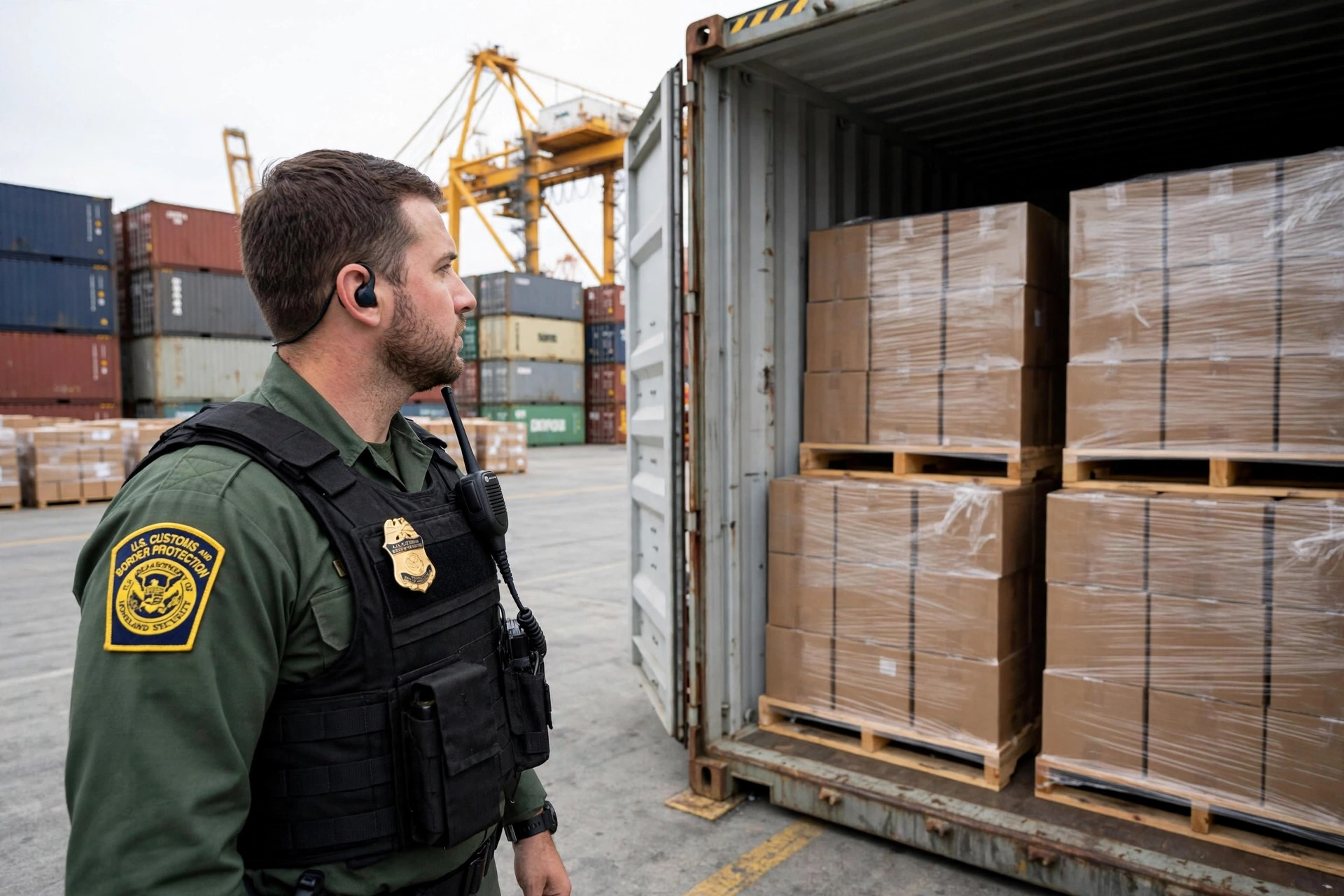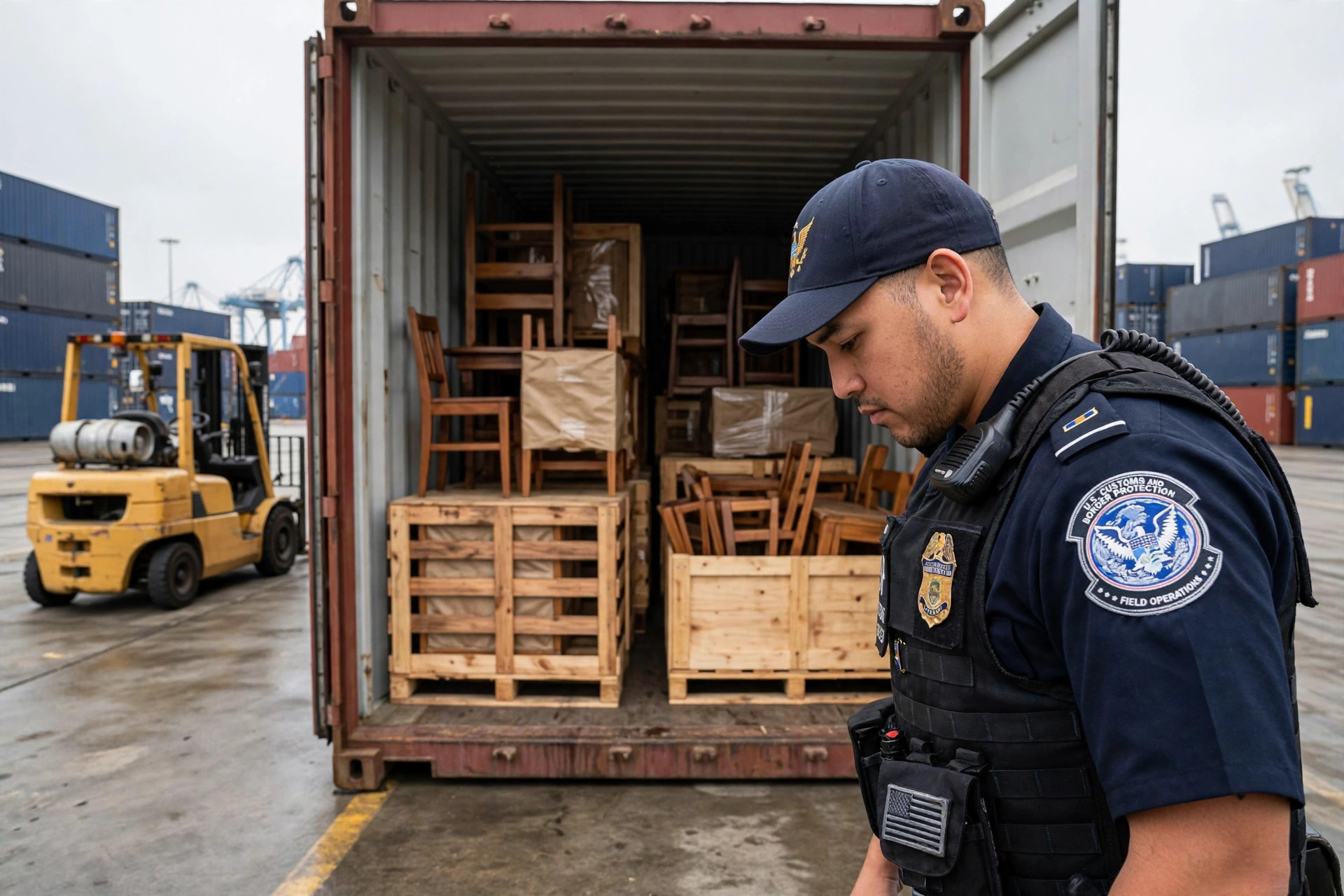
Tuesday morning. Your customs broker forwards a letter from CBP — Form 28, Request for Information: produce the commercial invoice, packing list, bill of lading, and proof of origin for last August's shipment, within 30 days. You open the shared drive. The commercial invoice exists only as a scan. The packing list is gone. The bill of lading lives in the forwarder's system — and the forwarder switched systems last year, so the old records won't export.
This isn't fiction. It's what it looks like the first time an importer learns about the five-year rule.
U.S. Customs is explicit about this: 19 CFR 163.4(a) requires import-related records to be kept for five years from the date of entry. Note the wording — from the date of entry, not the arrival date, not the payment date. Five years doesn't sound long, until one audit forces you to re-tell the story of every shipment you've made in half a decade.
What to Keep, and for How Long
The must-keep list: commercial invoice, packing list, bill of lading (ocean) or air waybill, CBP Form 7501 (the Entry Summary your broker sends you), proof of origin (if you claimed a free-trade-agreement duty rate), proof of payment, the contract and proforma invoice with the supplier, and product specifications. These documents corroborate each other. Customs never looks at one document — it looks at whether the whole set tells a consistent story about value, classification, and origin. Invoice says $100,000, payment record shows $80,000 — where did the other $20,000 go? That gap is where the questions start.
Five years is the general rule, and the exceptions matter. Drawback-related records are kept until the third anniversary of the claim's payment date. Packing lists technically require only 60 calendar days — but my advice is to keep them with the five-year set anyway, because running two retention schedules is exactly how the 60-day ones go missing. A consignee who isn't the owner or purchaser and files through a broker keeps informal-entry records for two years. And if you claimed preferential treatment under the USMCA, origin certifications and supporting records get five years too, under a separate provision (19 CFR 182.15) — don't miss that one.
There are three ways importers lose documents, and I've seen each of them more than once. First, the paperwork is scattered across the broker, the forwarder, and the supplier — and you don't hold a complete set yourself. When trouble comes, you discover the broker only kept their own slice. Second, the company switched ERP or email systems and the old records never migrated — the new system is spotless, and not a single old entry is searchable. Third, the person who knew where everything was filed left. The new trade manager gets a Form 28 and spends a week asking around the office where the bills of lading live. Nobody knows.
A Scan Is Not an Archive
The regulations allow electronic recordkeeping (19 CFR 163.5), but with conditions: when Customs asks, you must be able to retrieve, produce, and print. A PDF named "scan 2023" sitting in a shared folder is not an archive. It's digital garbage.
A compliant electronic archive does at least three things. First, file by entry number — one folder per entry, documents matched to the entry. Second, every file must be identifiable: which entry, what document, no guessing. Third, retrievable within 30 days of Customs' demand. And note that the 30 days run from the date Customs issues the demand (19 CFR 163.6) — not from when you start looking. Spending 29 days searching and asking for "a few more days" on day 30 is a request Customs is free to deny.
One more point most importers miss: don't keep your records only at the broker's office. The broker has their own retention duty for their own slice, but your complete file has to be in your hands. Brokers change, go out of business, lose data in system upgrades — your five-year obligation doesn't follow them out the door. Customs recognizes one party here: the importer of record. The recordkeeping duty is yours, not the broker's.
What do you do when a Form 28 arrives? Four steps. First, notify your customs broker immediately — don't try to answer it alone. Brokers deal with Customs daily and usually know what a given Form 28 is really fishing for. Second, read carefully which entry and which documents they're asking about; produce what's asked, nothing more. Volunteering extra documents is volunteering extra scrutiny. Third, respond within 30 days. If you genuinely can't pull it together in time, request an extension in writing before the deadline — the regulations let Customs grant additional time, but the request has to reach them before the due date. Late is late. Fourth, keep a copy of everything you send — what you submitted and when.
The worst move is silence. Ignore a Form 28 and CBP can revalue your shipment, reclassify your goods, or strip your free-trade-agreement claim — with back duties and monetary penalties under 19 USC 1509 on top. What usually follows a Form 28 is a Form 29 (Notice of Action), at which point Customs is telling you what it intends to do, and your room to maneuver shrinks fast. A Form 28 is essentially Customs giving you one chance to explain. Don't waste it.
Your Self-Audit Checklist
Run through this once a year. On ordinary days it's overhead; on bad days it's a lifeline:
- For every entry in the past five years: commercial invoice, packing list, bill of lading, and 7501 — complete?
- Records filed by entry number, retrievable within 30 days?
- Electronic archive searchable and printable — not just a pile of scans?
- For entries with FTA preference claims, origin certificates filed separately and covering the full five years?
- Do you hold your own copies of what the broker and forwarder keep?
- After any system, email, or personnel change — did the old records migrate intact?
- Is someone assigned to spot-check archive completeness every year?
The biggest enemy of recordkeeping isn't Customs. It's "we'll deal with it later." Five years is long enough to feel like the audit will never come, and short enough that one audit makes you re-tell five years of shipments. If you can't tell the story, you pay tuition.