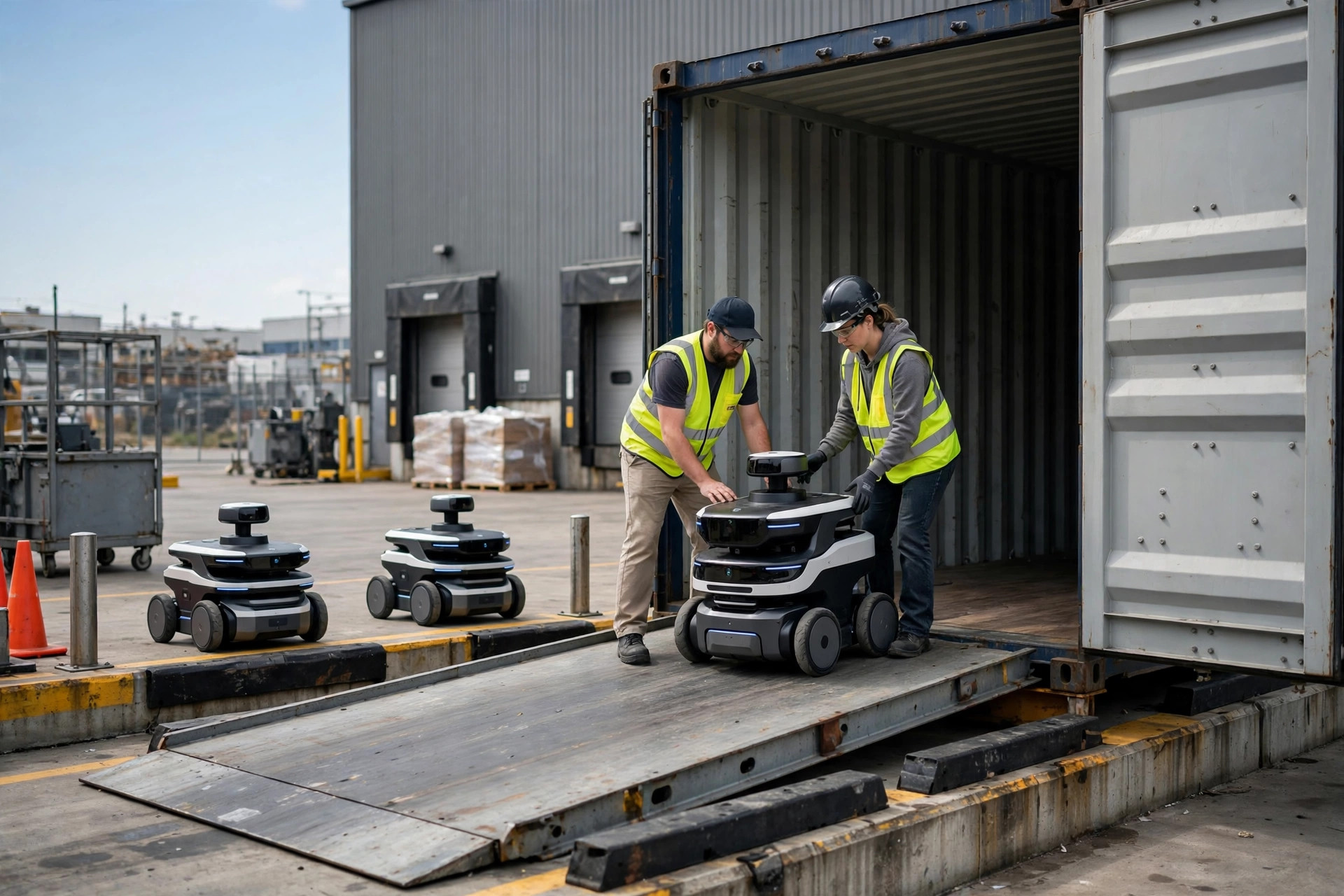
Your UK client wants UKCA. You only have CE. And the container is already packed.
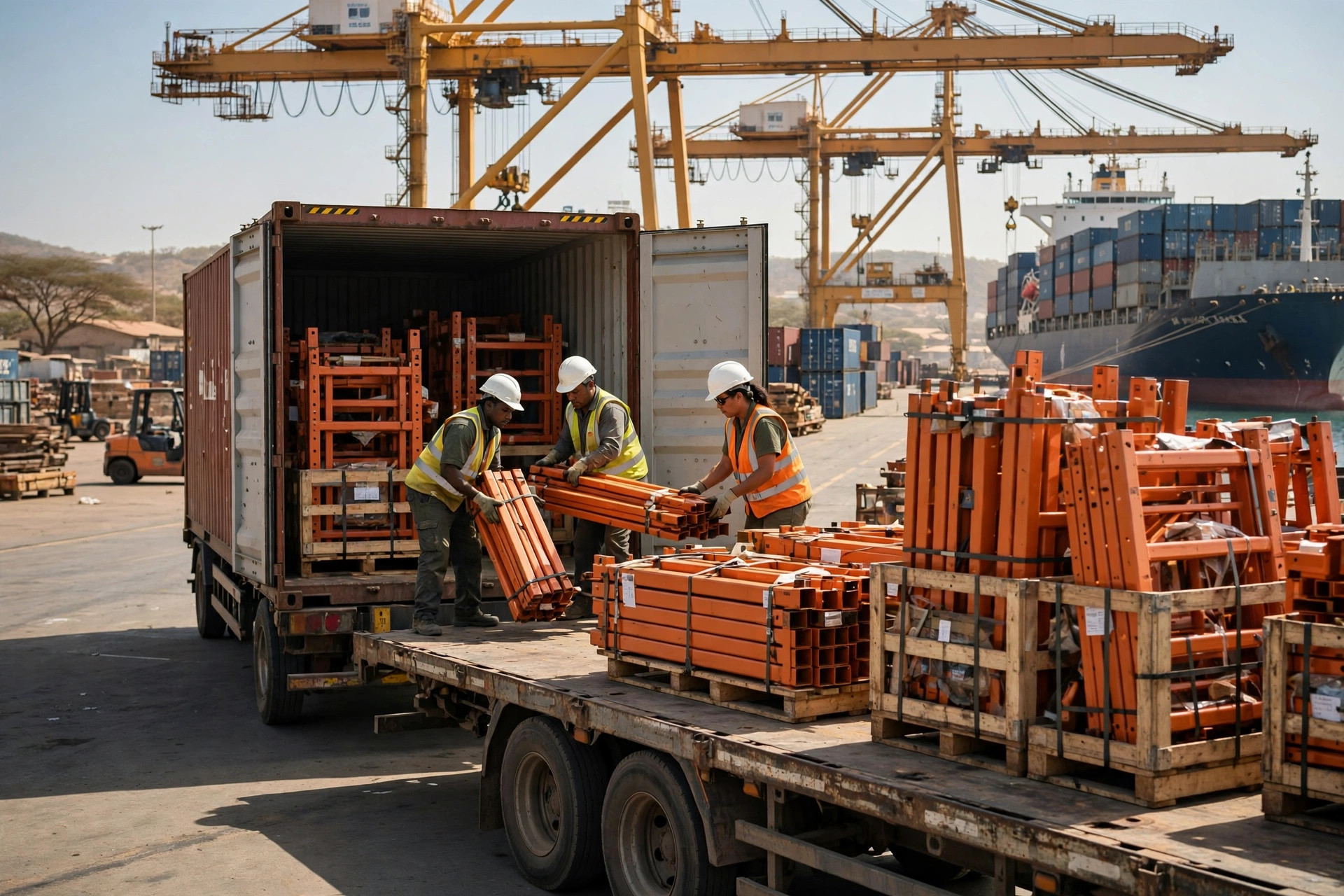
It was past midnight in Huzhou when the phone rang. A systems integrator I know — two four-way shuttle lines bound for London — had cargo staged and ready to sail. Then the UK client's compliance officer sent a one-liner: "Please provide your UKCA documentation." All they had was a CE DoC and an EU test report. Every extra day at the port burned thousands of yuan in storage fees; rolling the sailing was worse. It's like reaching a border checkpoint and being told you brought the wrong passport. Not no passport — the wrong one.
Since Brexit, the relationship between CE and UKCA has been rewritten several times. Here is the current state of UKCA certification for warehouse equipment, written for Chinese manufacturers shipping to the UK.
How UKCA Certification Actually Works Now: CE, UKCA, and the Post-Brexit Rules
After Brexit, the UK created its own UKCA mark to replace CE. The timeline then got pushed back repeatedly — end of 2022, end of 2023, end of 2024. Finally, on 1 August 2023, the Department for Business and Trade announced that CE marking would be recognized indefinitely in Great Britain (England, Scotland, Wales) under 18 product regulations — including machinery, which falls under the Supply of Machinery (Safety) Regulations 2008 (SI 2008/1597).
Think of it as a long-term visitor's pass: valid, no expiry printed on it, but officially still a "transitional arrangement." With CE and a solid technical file, your goods clear UK customs legally.
Two exceptions you must not miss:
First, Northern Ireland. It operates under special trade arrangements: CE remains mandatory, UKCA is not recognized, and if you use a Great Britain–based assessment body for the Northern Ireland market you need the additional UKNI mark. Any project touching a Northern Ireland warehouse gets its own compliance plan — never lump it in with a GB project.
Second, the rules are about to fork. The EU's new Machinery Regulation (EU) 2023/1230 becomes fully applicable on 20 January 2027, and the UK will not follow it — its own product-safety legislation is working its way through Parliament. CE and UKCA recognize each other today; there is no guarantee they will in 2028. Once the technical requirements and the referenced legislation diverge, the UKCA homework you skip now becomes an emergency later. That is technical debt with compounding interest.
CE vs UKCA for Warehouse Equipment: Which One Do You Actually Need?
Here is the counterintuitive part: the vast majority of warehouse equipment — conveyors, shuttles, AGVs and AMRs, stacker cranes, vertical lifts — is not on the machinery regulation's high-risk list (Annex IV). Which means what you call "UKCA certification" is legally "self-declaration": the manufacturer follows the internal production control procedure, signs its own Declaration of Conformity, and affixes the mark itself. The expensive part is not "getting the certificate" — it is building a technical file that survives scrutiny, plus the pre-testing against designated standards.
Think of it like a driving test: nobody can sit the theory exam for you, a coach can help with the practical, but the signature at the end is yours. Any agent telling you "UKCA requires a UK body to issue a certificate" for ordinary warehouse machinery is selling you something the law doesn't ask for (Annex IV high-risk machinery excepted).
| Dimension | CE | UKCA |
|---|---|---|
| Territory | EU/EEA (also accepted in Northern Ireland) | Great Britain (England, Scotland, Wales) |
| Machinery law | EU Machinery Directive 2006/42/EC (replaced by EU 2023/1230 from 2027) | UK SI 2008/1597, Supply of Machinery (Safety) Regulations 2008 |
| Standards | EU harmonised standards (EN) | UK designated standards (BS EN — check the BSI list for current versions) |
| Conformity route (typical warehouse kit) | Manufacturer self-declaration | Manufacturer self-declaration |
| Non-domestic manufacturer rep | EU authorised representative | UK authorised representative, or defined importer obligations |
| Declaration | EU DoC | UK DoC |
The decision framework is three sentences:
- Does your UK customer's tender or contract say "UKCA marking required"? Do it. Big UK 3PLs and retailers run compliance officers who accept paper, not promises — a UK DoC clears your file package instantly.
- Northern Ireland involved? Handle CE + UKNI as a separate case.
- Just want the goods in, with no customer mandate? CE remains legal — but book the UKCA gap as technical debt, to be cleared when the UK's new machinery regulation lands.
Case in point: in October 2024, a Jiangsu maker of underride AGVs won a 40-unit project with a major UK 3PL in Manchester. The tender said "UKCA marking required" in black and white. The manufacturer tried to ride through on CE; the compliance officer bounced it — not because the law rejects CE, but because the buyer's procurement policy required UKCA. It took about six weeks to produce a UK DoC and a technical-file addendum (standards swapped to the BS EN ISO 3691-4 designated versions) before the project was released. Lesson: the law is the floor; the customer is the ceiling. Check both.
The UKCA Certification Path in Five Steps (and Four Traps That Catch Everyone)
For self-declaration machinery, the UKCA route breaks into five steps:
- Pin down the regulations. Confirm the product sits under the Supply of Machinery (Safety) Regulations 2008, and check for overlaps — equipment with control cabinets usually also touches EMC and low-voltage rules. Get the regulations wrong and everything downstream is wrong.
- Pin down the standards. List the applicable UK designated standards and verify versions against the BSI list. The usual suspects for warehouse kit: BS EN ISO 12100 (risk-assessment framework), BS EN 60204-1 (electrical safety), BS EN ISO 3691-4 (driverless industrial trucks — mandatory reading for AGV/AMR makers), EN 528 (rail-dependent stacker cranes). Using an EU harmonised edition instead of the designated BS EN version is the number-one reason files get rejected.
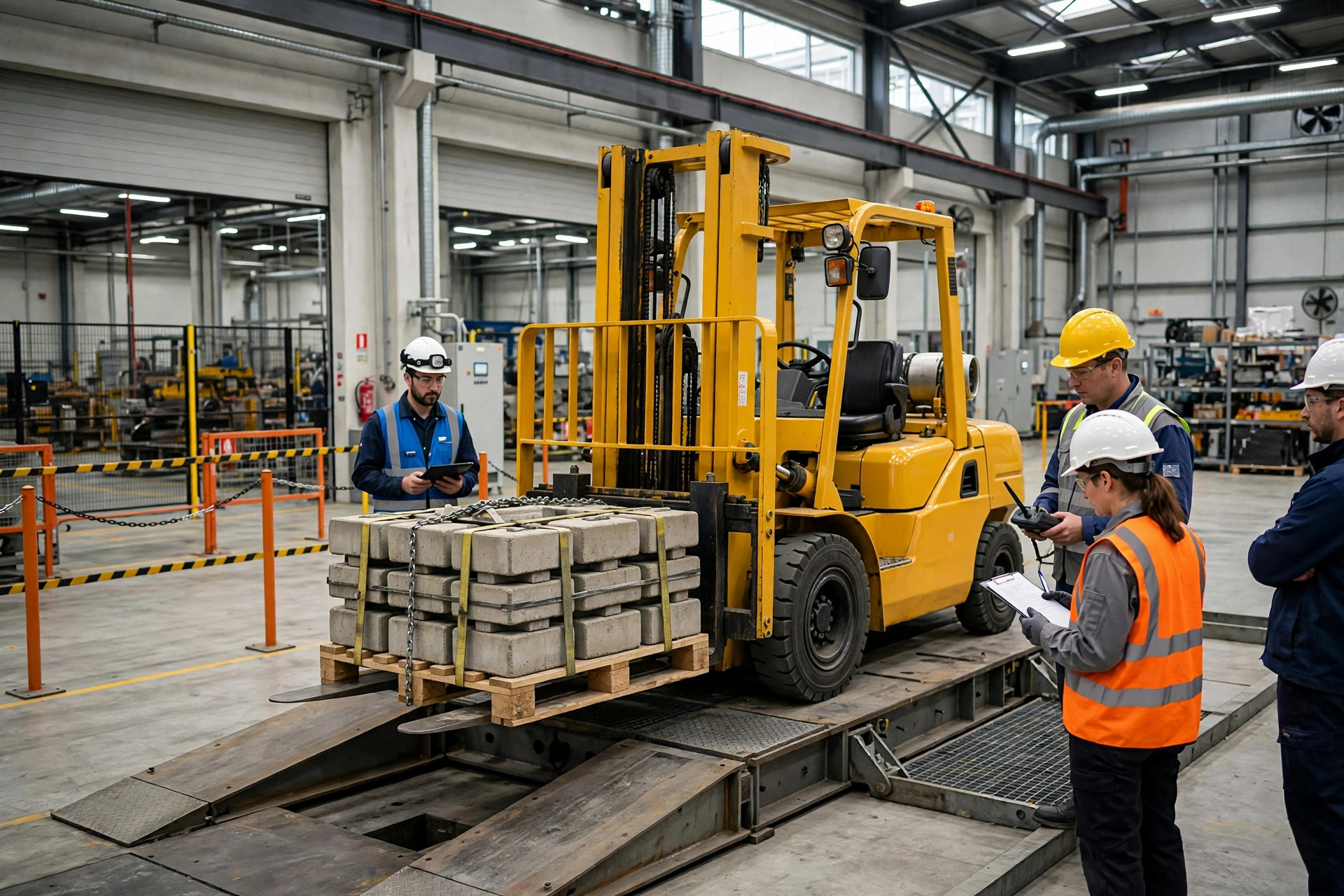
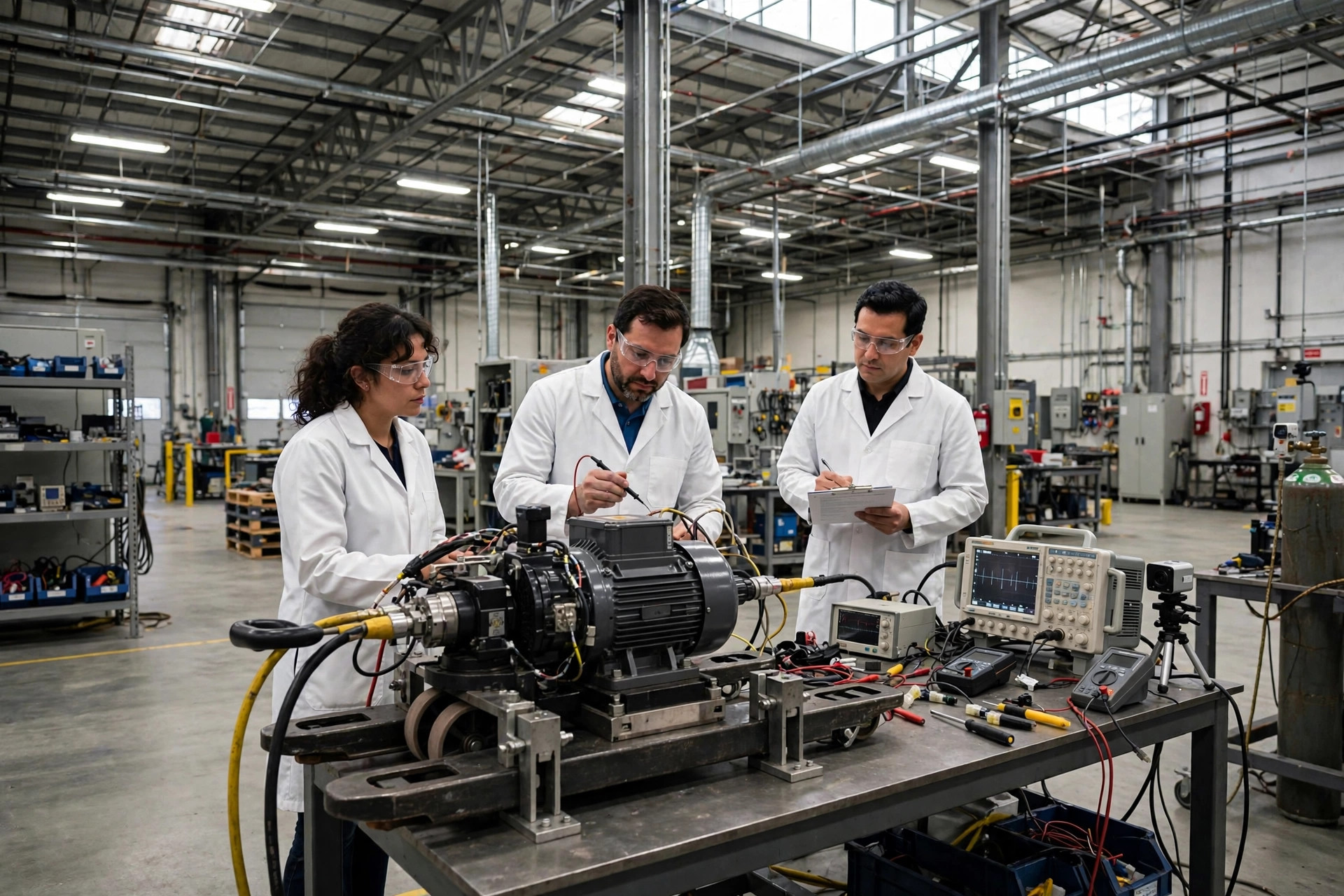
- Assess and test. Run the risk assessment and verify safety functions (safety PLCs, laser scanners and their performance levels) per the standards. If you can, put the machine through a third-party lab for pre-testing — data beats adjectives.
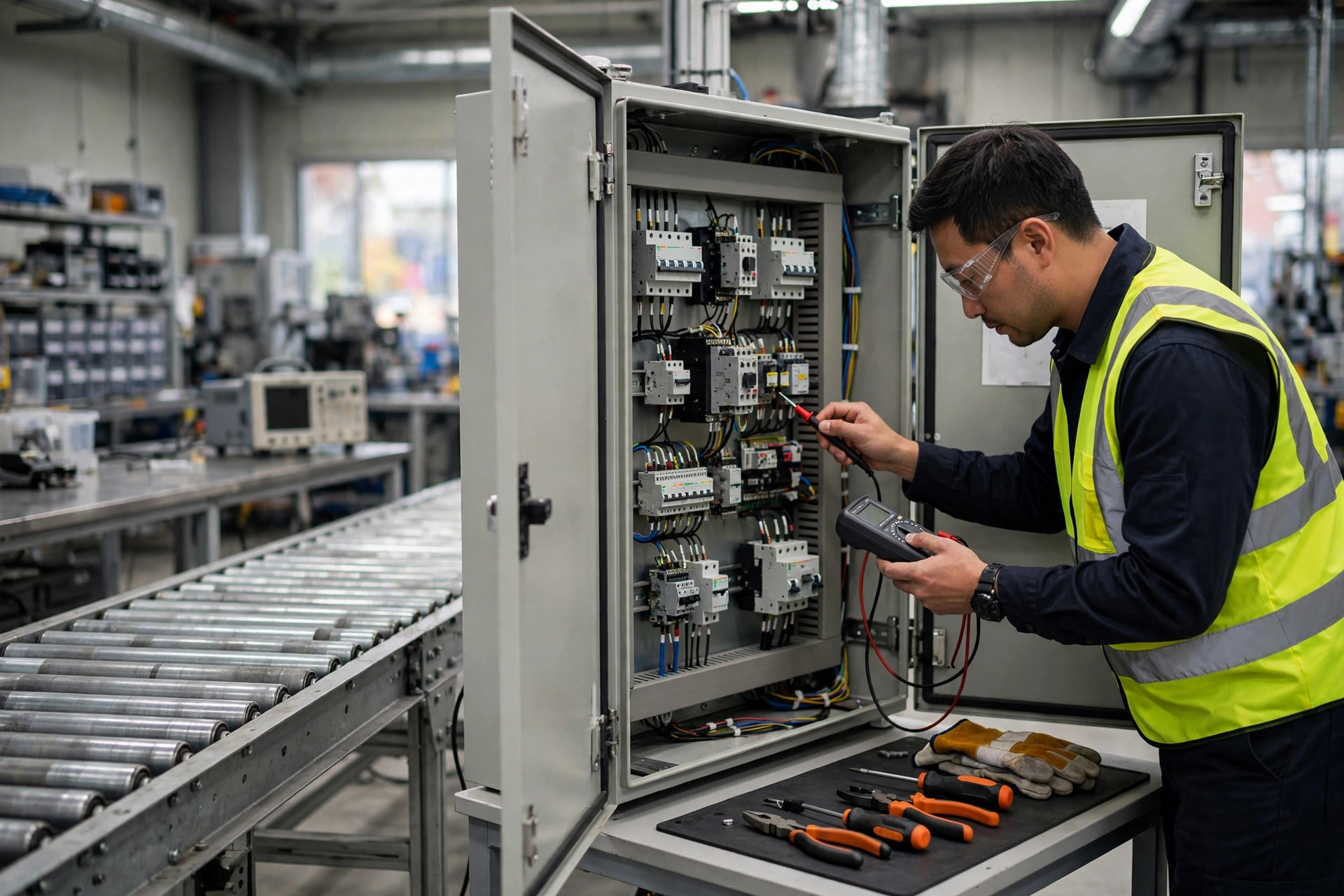
- Build the technical file. This is the heaviest block of the whole UKCA certification exercise. Minimum contents: product description and drawings, risk assessment report, standards list with compliance rationale, test reports, electrical schematics and component lists, the English user manual, and the draft UK DoC. Two hard requirements: entirely in English, and the referenced legislation must be the UK version (SI 2008/1597) — translating your EU file and leaving 2006/42/EC in the references is the most common failure in enforcement spot-checks.
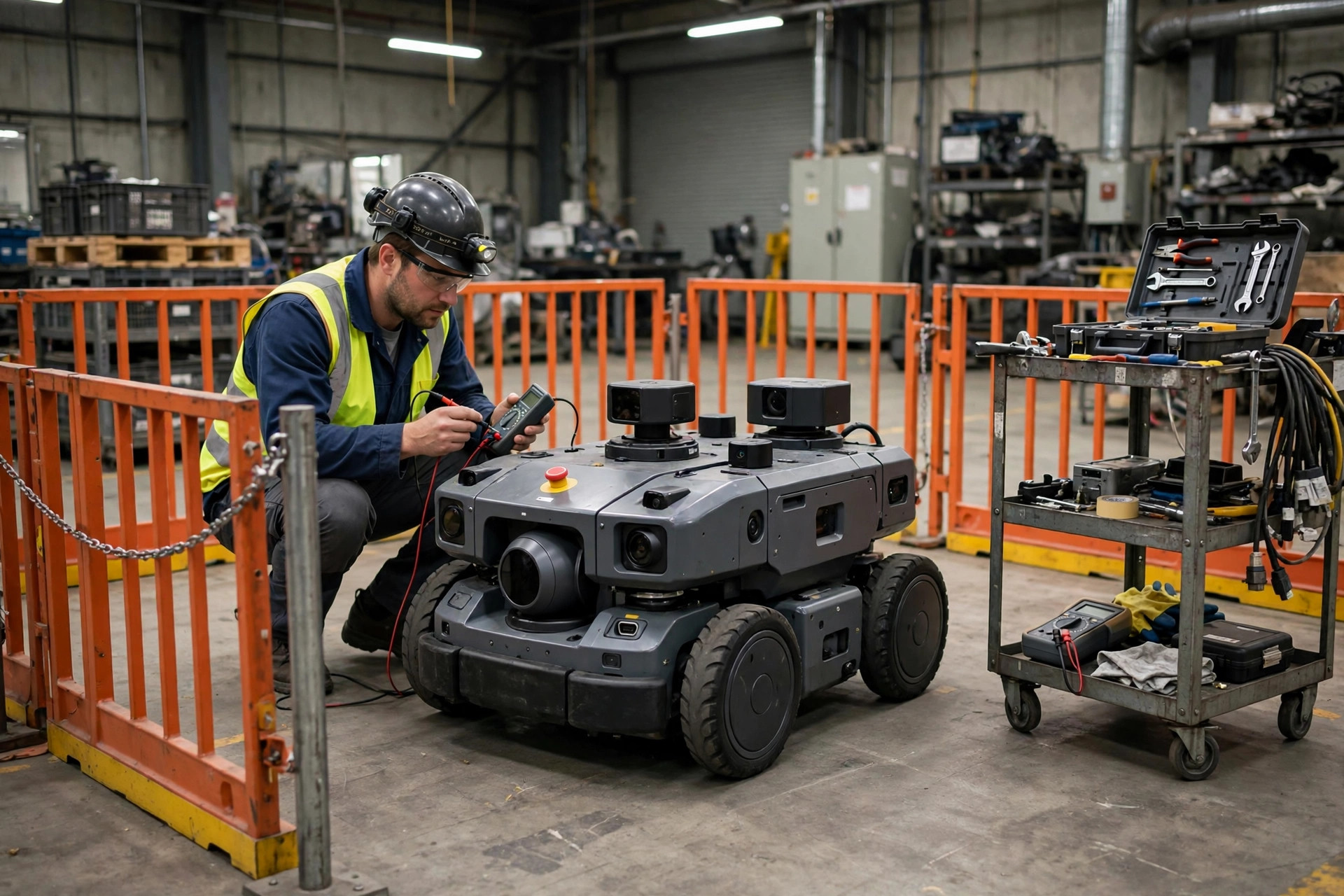
- Sign, mark, and name a UK contact. Sign the UK DoC, affix the UKCA mark, and establish a responsible party in the UK — either a UK authorised representative or clearly contracted importer obligations, with the importer's name and address on the product. The technical file must be producible to UK enforcement on request, and is typically retained for 10 years (check the legislation text for the current requirement).
On timing: a manufacturer with a decent file base typically completes the route in 4–12 weeks; starting from zero, double it. On cost: there is no "certificate issuance fee" for self-declaration machinery — the money goes to testing and the engineering hours to write the file. When a middleman quotes you a "UKCA issuance" price, ask what service each line item actually is.
The four traps, each paid for in real money:
- Wrong standard version — quoting the EU edition without checking the BSI designated-standards list. Fix: pull the list before you start.
- Templated files — a translated EU technical file with 2006/42/EC still in the references. UK enforcement checks for SI 2008/1597; wrong reference equals invalid file.
- Nobody in the UK — no authorised representative, no importer details on the product, so nobody can produce the technical file when asked. The easiest trap to overlook.
- Chinese-only manual — UKCA requires an English manual supplied with the machine; getting caught at installation is the most expensive place to fail.
So: is the money worth it? Watch this one number — whether your UK customer wrote UKCA into the contract. If yes, do it; it's the ticket in. If no, CE still clears customs legally — but keep a UK-law-compliant technical file ready, and don't be the one doing homework at midnight when the regulations fork in 2027. Compliance is always cheaper in advance than in arrears.
By Da Liu, Automation Engineer