Ask ten sellers about warehousing in Peru and nine will say Lima. The tenth is still thinking about Lima. I get it. Lima is familiar: freight forwarders, customs brokers, warehouses, the whole package, ready to go.
But the Trujillo warehouse market keeps coming up in conversation, and the people asking aren't tourists. They actually want to put a warehouse on Peru's north coast. So let me say it straight: Trujillo is not a cheaper Lima. It's a different play entirely. If your goods come from the north coast, ship out through the Salaverry port area, and sell to customers in northern Peru, a warehouse here saves you a lot of back-and-forth. If your goods are all imported and your customers are all south of Lima, setting up here just adds drama to your life.
The Trujillo warehouse market in three pieces: port, farm belt, suburbs
You have to split Trujillo into three pieces. Get the pieces mixed up and the whole plan falls apart.
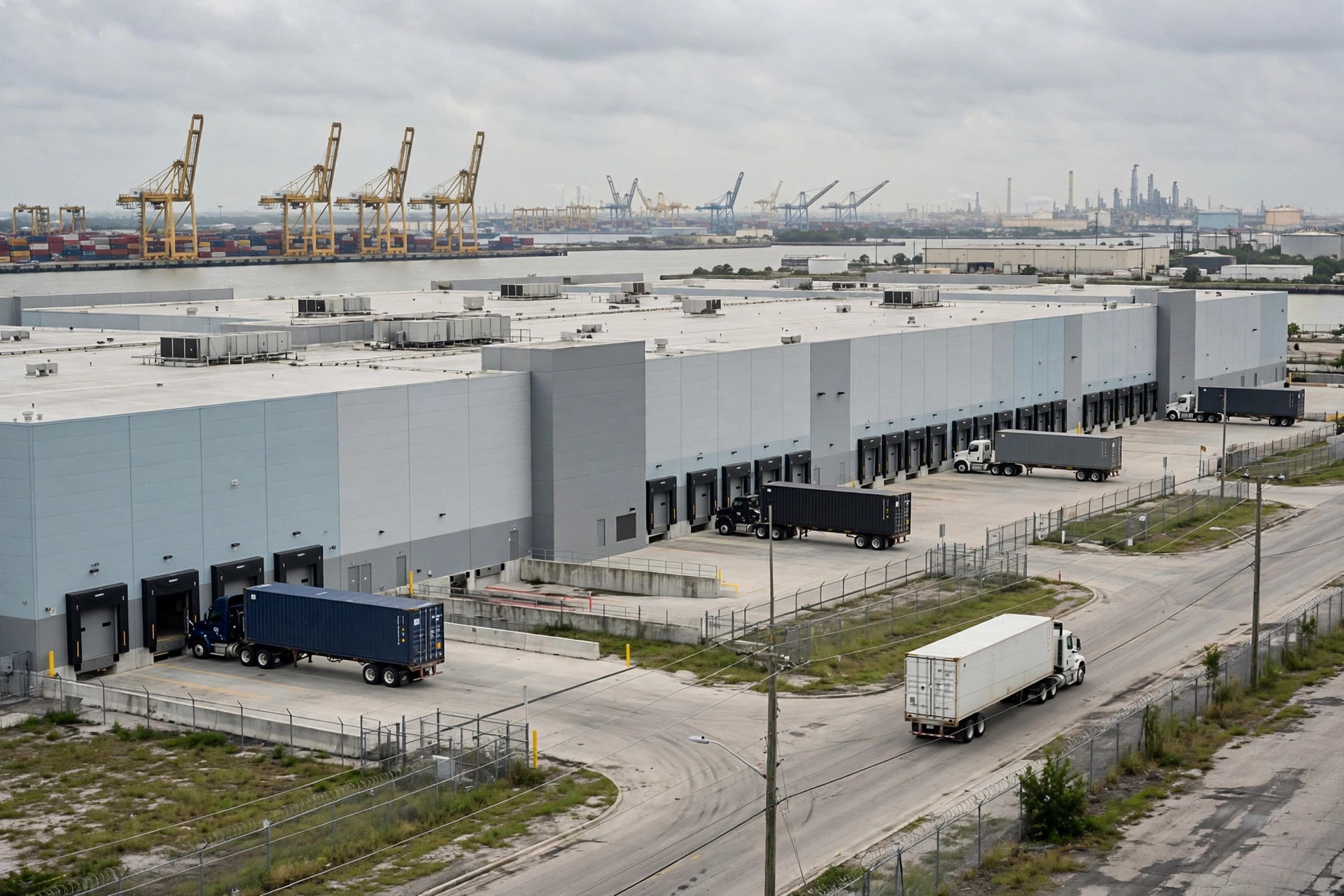
Piece one is the port direction. Salaverry port sits right next to Trujillo, one of the north coast's export doors. For north-coast farm goods, hauling from the fields to this port is a shorter trip than dragging everything south to Lima and shipping from there. Note what I just said, though: shorter distance, not necessarily lower cost. For small consolidated shipments and sailing choices, Lima offers far more options. We'll do that math below.
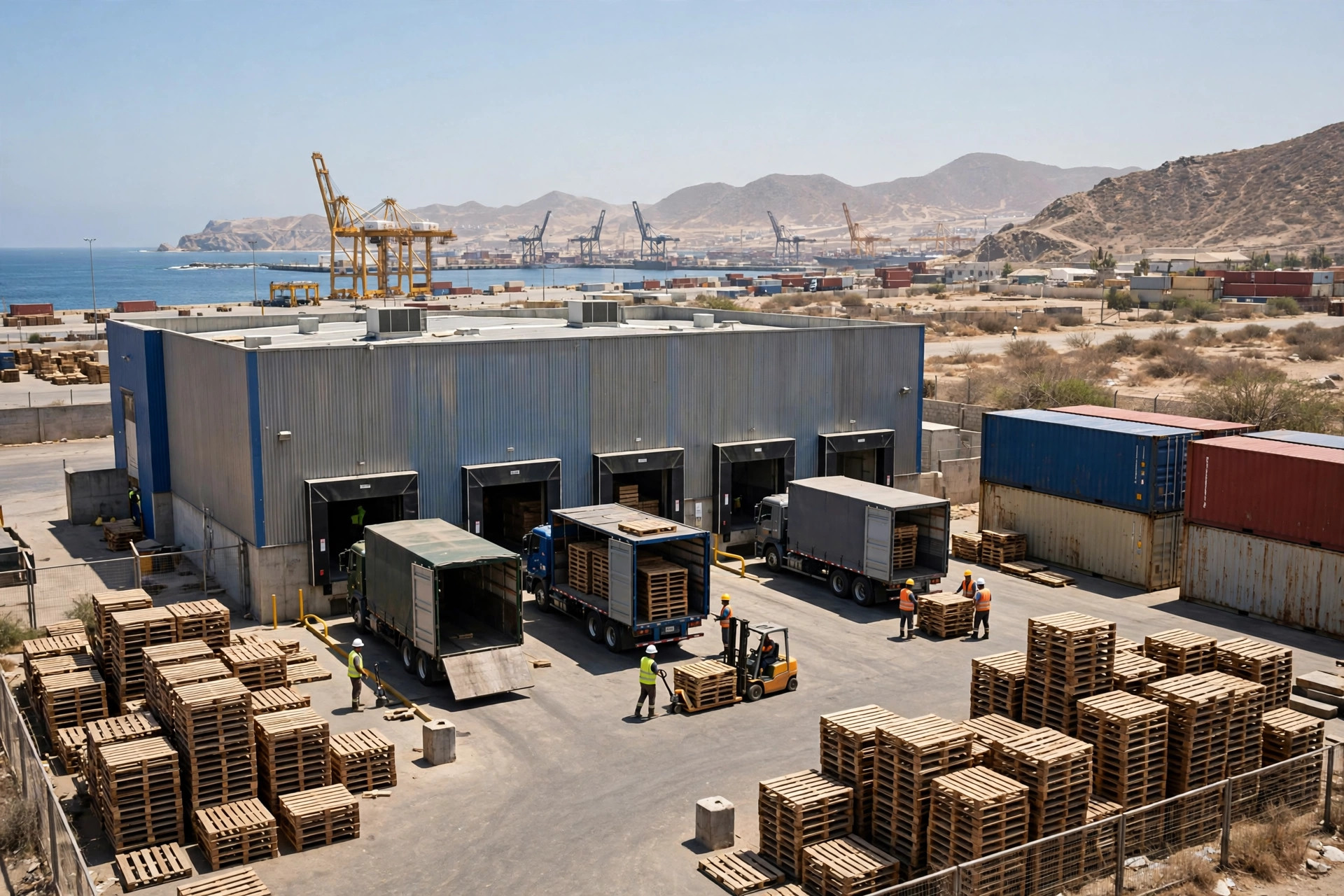
Piece two is the farm belt. Trujillo sits in the La Libertad region, one of Peru's big north-coast farming zones. Asparagus, blueberries, avocados, sugarcane all come out of this area. What does that mean for a warehouse? It means real demand for packaging, sorting, and cold chain — not brochure talk. If your warehouse can serve that demand, there's work beyond the peak weeks.
Piece three is the suburban warehouse belt. Outside the city, along the northern stretch of the Pan-American Highway, you'll find a string of suburban warehouses and logistics spots. They're not as standardized as the big Lima facilities, but they're close to both the farms and the port, which makes them good for distribution and transfer. They are not brand showrooms, and you shouldn't judge them like one.
Last September, blueberry season, I ran a shipment myself. A friend had bought fresh blueberries near Trujillo, over 200 boxes, and they needed cold chain from the start. We took them from the picking area to a small suburban warehouse with a cold room for pre-cooling and sorting, then sent them on toward the port the same day. My biggest takeaway: fewer handoffs, less damage. If sorting and pre-cooling happen near the fields before the long haul, the fruit arrives in better shape than if you bounce it through Lima first. But the whole thing rests on one condition: that small warehouse's cold chain cannot break. One break, and the quality of the entire lot collapses.
Here's my rough rule for checking a warehouse: visit once in the daytime, then again at night during peak season. Daytime shows you the hardware — cold rooms, docks, forklifts. Nighttime shows you whether the place is actually busy — how many trucks, whether the cold room lights are on, whether there are enough hands on the dock. Plenty of people talk about the Trujillo warehouse market. Very few have actually stood outside a warehouse door at night. I only trust what the second group sees.
The second story runs in the opposite direction. A friend in packaging rented a small suburban warehouse outside Trujillo two years ago to supply cartons and pallets to nearby farms. Peak season, trucks out every day, barely time to breathe. Off-season, orders fell off a cliff and half the warehouse sat empty. He wised up: short contracts before peak season, and he sublets half the space for temporary storage when things go quiet. The lesson is blunt. Seasonality is built into north-coast warehousing, so your contract has to move with the seasons.
Trujillo warehouse vs. Lima warehouse: run the numbers
No broker pitch, no gut feeling. Just the two options side by side:
| Factor | Trujillo warehouse | Lima distribution |
|---|---|---|
| Distance to north-coast supply | Close, field to warehouse often same day | Far, a long north-south haul with extra handoffs |
| Port connection | Near the Salaverry port direction, good for north-coast exports | More sailings and consolidation choices, better for small lots |
| Local delivery | Handy for covering northern Peruvian cities | Shipping north means an extra leg on the trunk route |
| Rent and labor level | Usually below Lima's core areas, but less standardized | Pricier, but warehouses, providers, and services are all there |
| Best for | North-coast farm goods, packaging, northern-market distribution | Imported goods, nationwide distribution, brand warehouses |
How to use this table: look at where your goods start and where they end. Goods from the north coast, shipping out from the north coast — Trujillo scores. Goods imported from overseas, customers all over the country — Lima scores. If neither applies, don't force it.
One more costing truth: cheap rent does not mean cheap total cost. I've watched people sign a cheap suburban warehouse, then discover forklifts, cold storage, and night shifts are all billed separately, and peak-season extra labor and trucks pile on top. Before signing, ask whether the price is all-in or itemized, and get peak-season extras written into the contract. Don't wait until blueberry season to argue about it. Customs and tax details change, so treat the official source as current and everything else as hearsay.
The counterintuitive part: close to the port doesn't mean cheap logistics
This is the biggest trap in Trujillo. People hear "port city" and assume logistics must be cheap. Wrong. Being near the port saves you the land leg from field to port. But sailing frequency, consolidation options, and customs support are all more mature in Lima. A small seller working out of Trujillo can face fewer sailings and long waits for consolidation, and the money saved on trucking gets eaten by waiting time.
Flip it around, and the picture changes. Big volumes, full containers, supply sitting right on the north coast — that's where Trujillo genuinely shines. Goods ready, shipped straight out, fewer handoffs, less damage, timelines you can control. That's the trade-off: the bigger your scale, the better Trujillo looks; the smaller your scale, the more Lima's mature network is worth.
So my decision framework is three questions, answered before you commit. One: are your goods produced on the north coast, or are your customers in the north? Two: can your volume support full containers or steady sailings? Three: can you live with empty space in the off-season and a fight for labor and trucks in peak season? Three yeses, come. Any no, get your model working in Lima first.
Three traps I've watched people walk into
Trap one: cold chain breaks. Plenty of north-coast farm goods need cold chain, and a warehouse that claims a cold room is not the same as a cold room that holds temperature around the clock. Test it in person before signing, and test it again before peak season. My method: run the first shipment small, watch the cold chain data end to end, and only scale up when it's clean.
Trap two: contract length. North-coast seasonality is brutal, and a long contract means paying for empty space in the off-season. Short contracts first, seasonal terms if you can get them, and peak-volume clauses agreed upfront.
Trap three: treating Trujillo like Lima. The provider ecosystem here is thinner — forwarders, brokers, repair services all get stretched in peak season. Book your peak-season resources a month early. Don't go looking for help after the goods have already arrived.
Here's the honest summary. Trujillo suits sellers whose supply sits on the north coast, who understand seasonal rhythm, and who can live with a less complete service ecosystem. If that's you, start with a small warehouse for one season. If it runs smooth, expand. That move worked for me — I tested it myself.
By Ah K, E-commerce Seller (5 yrs)