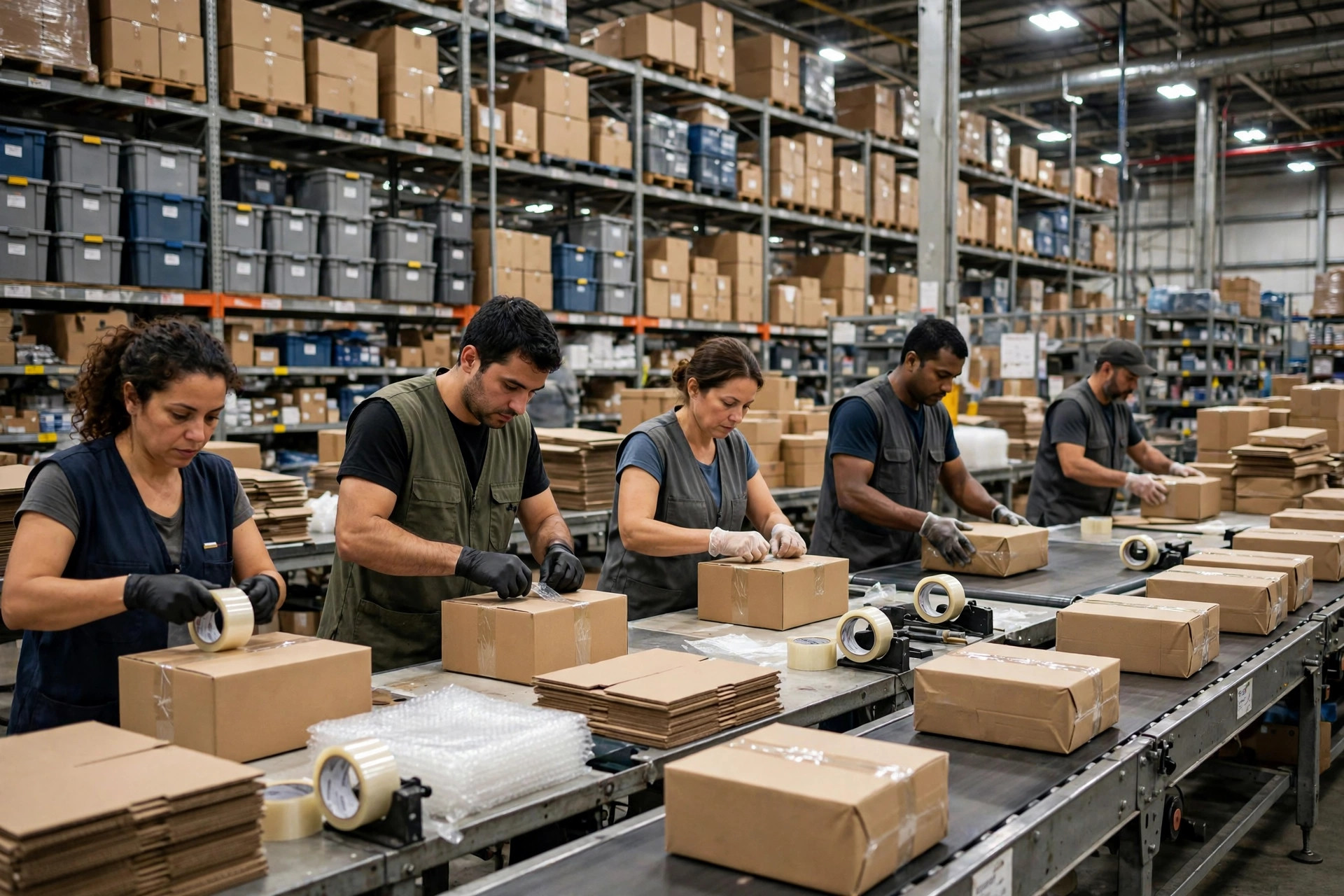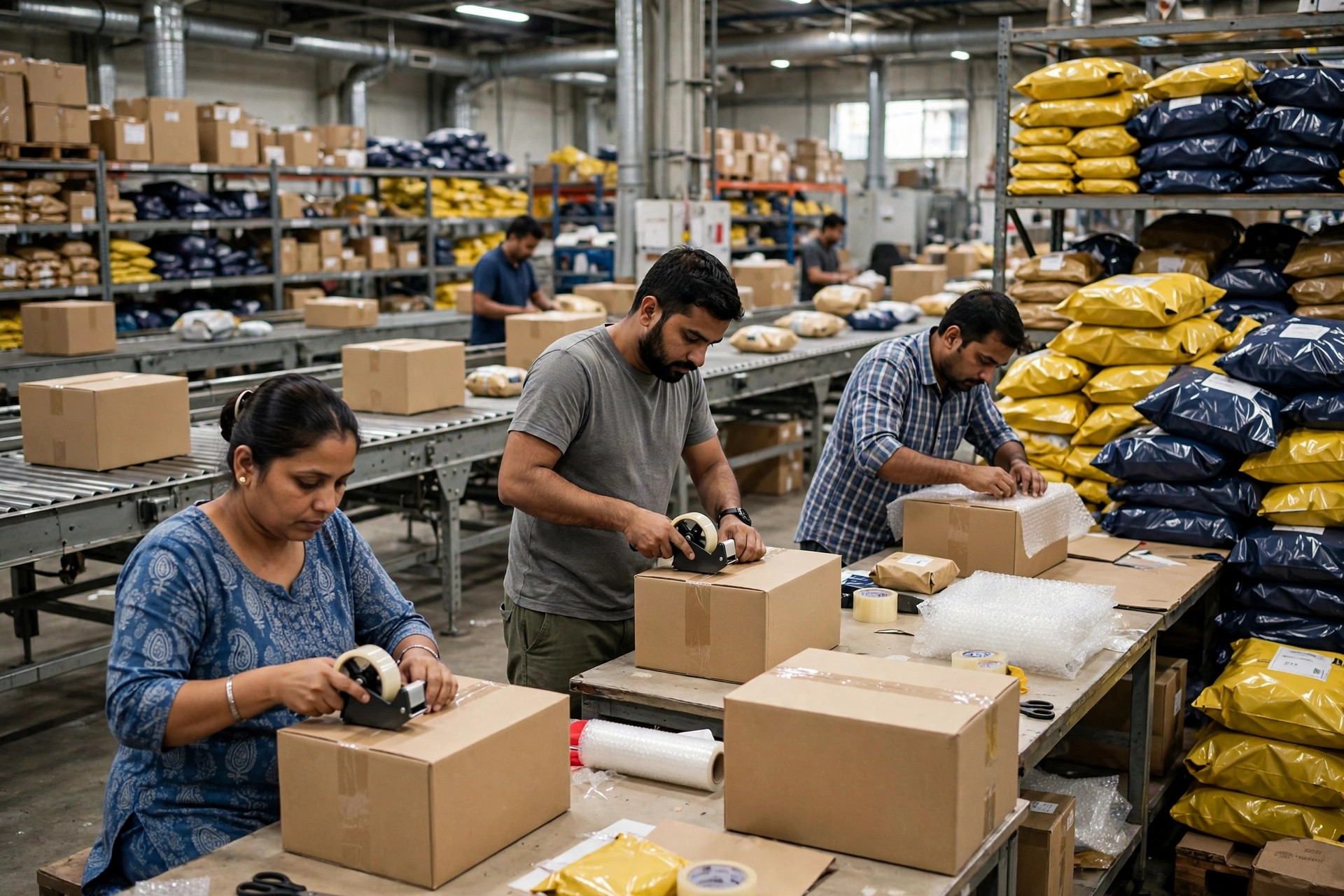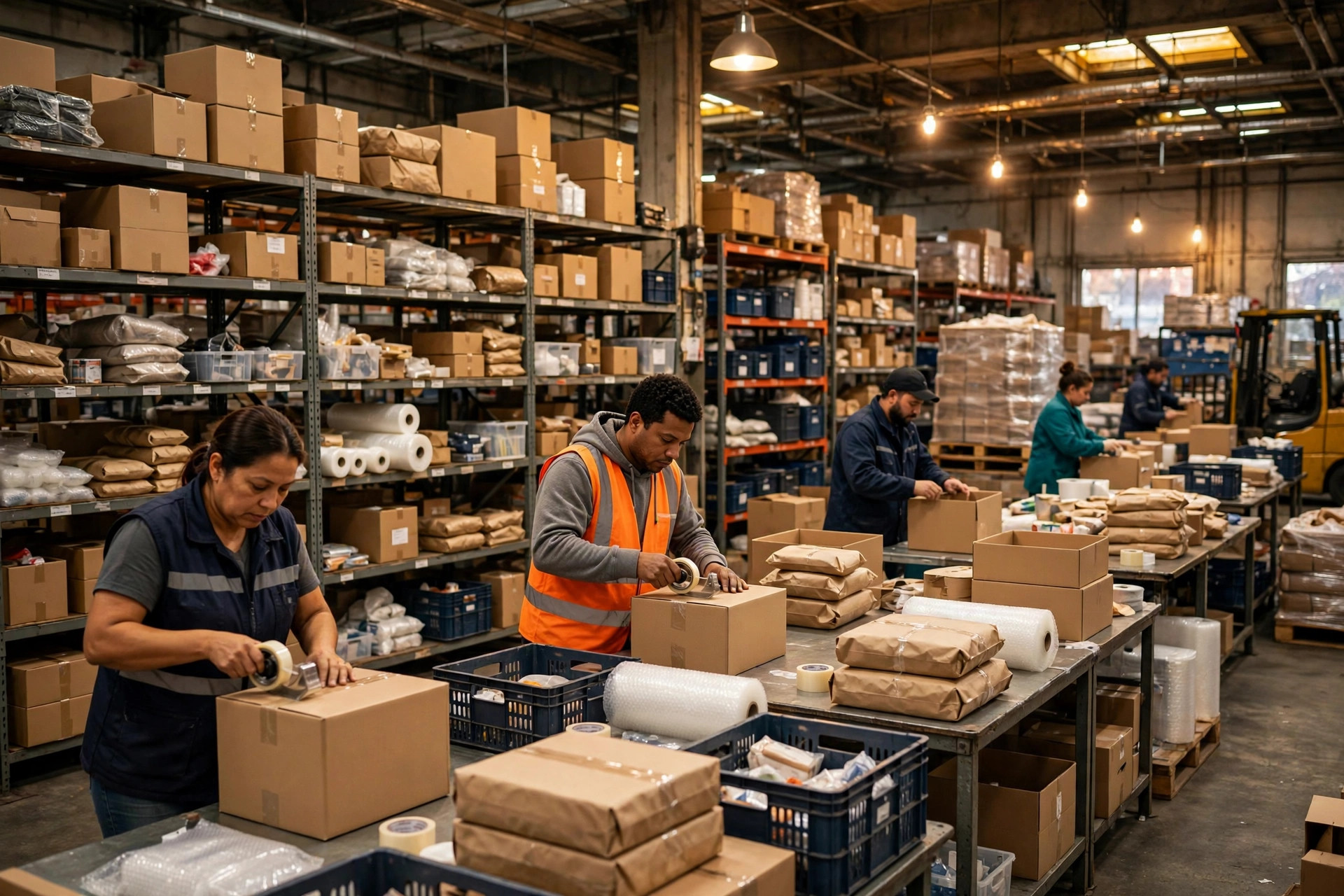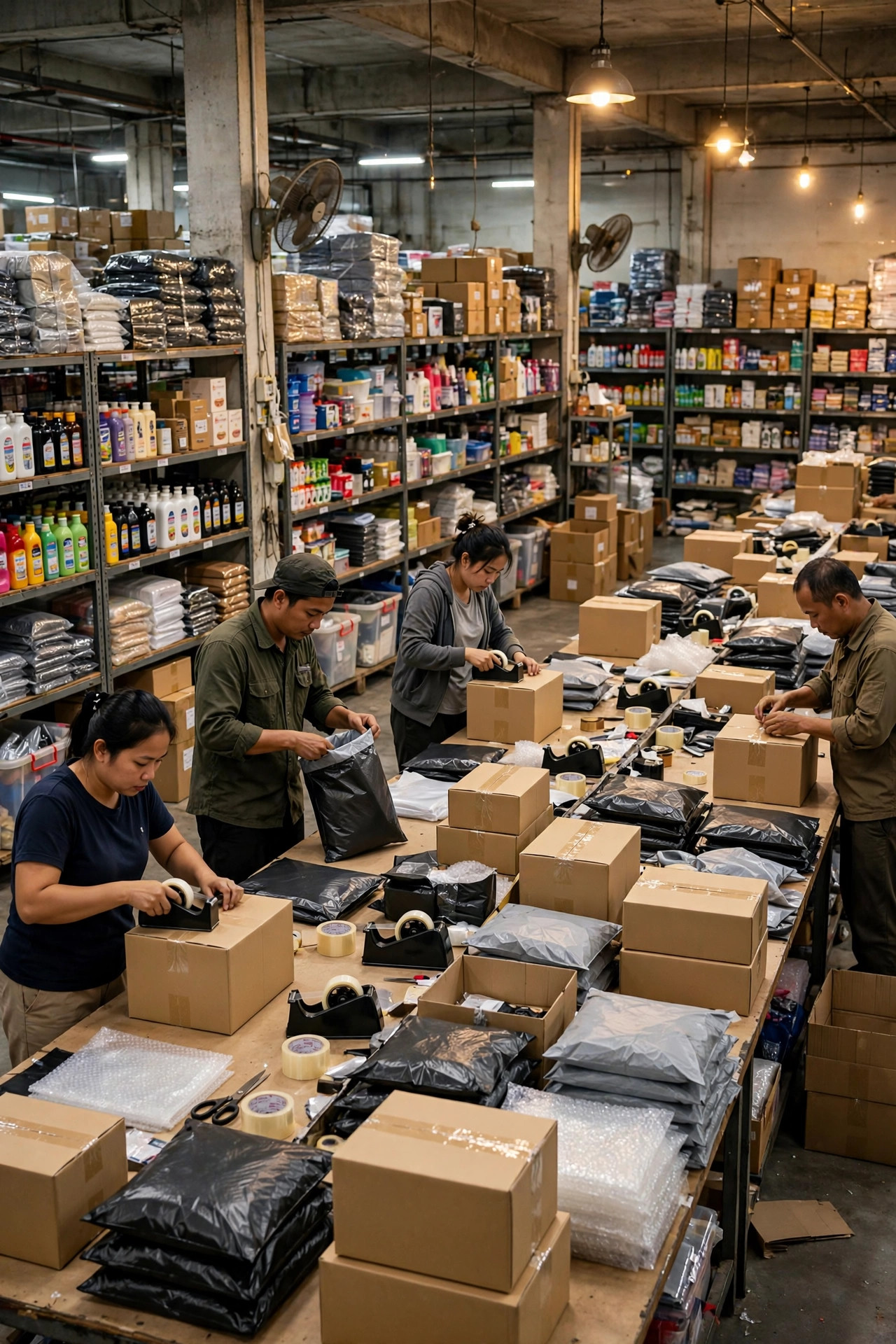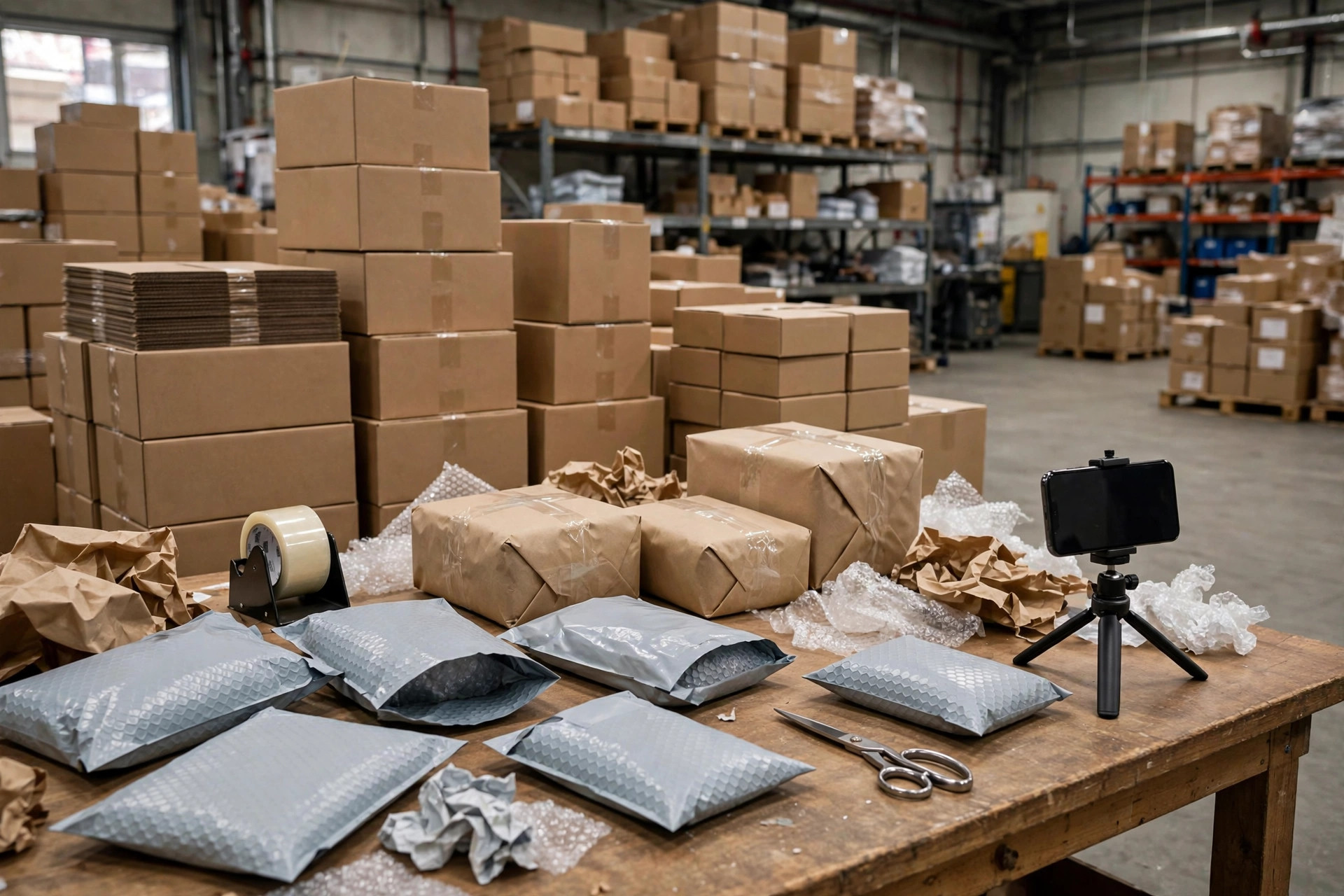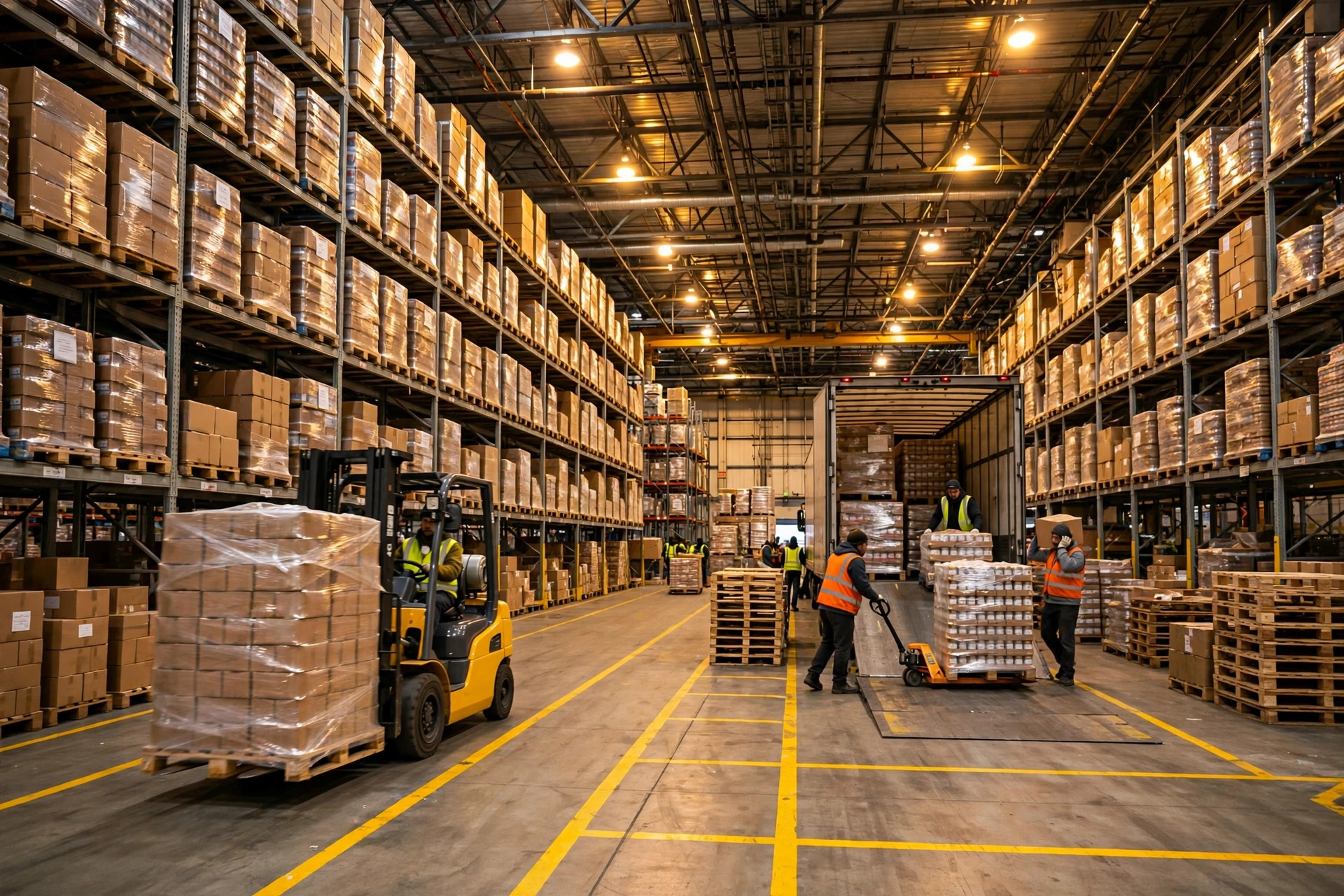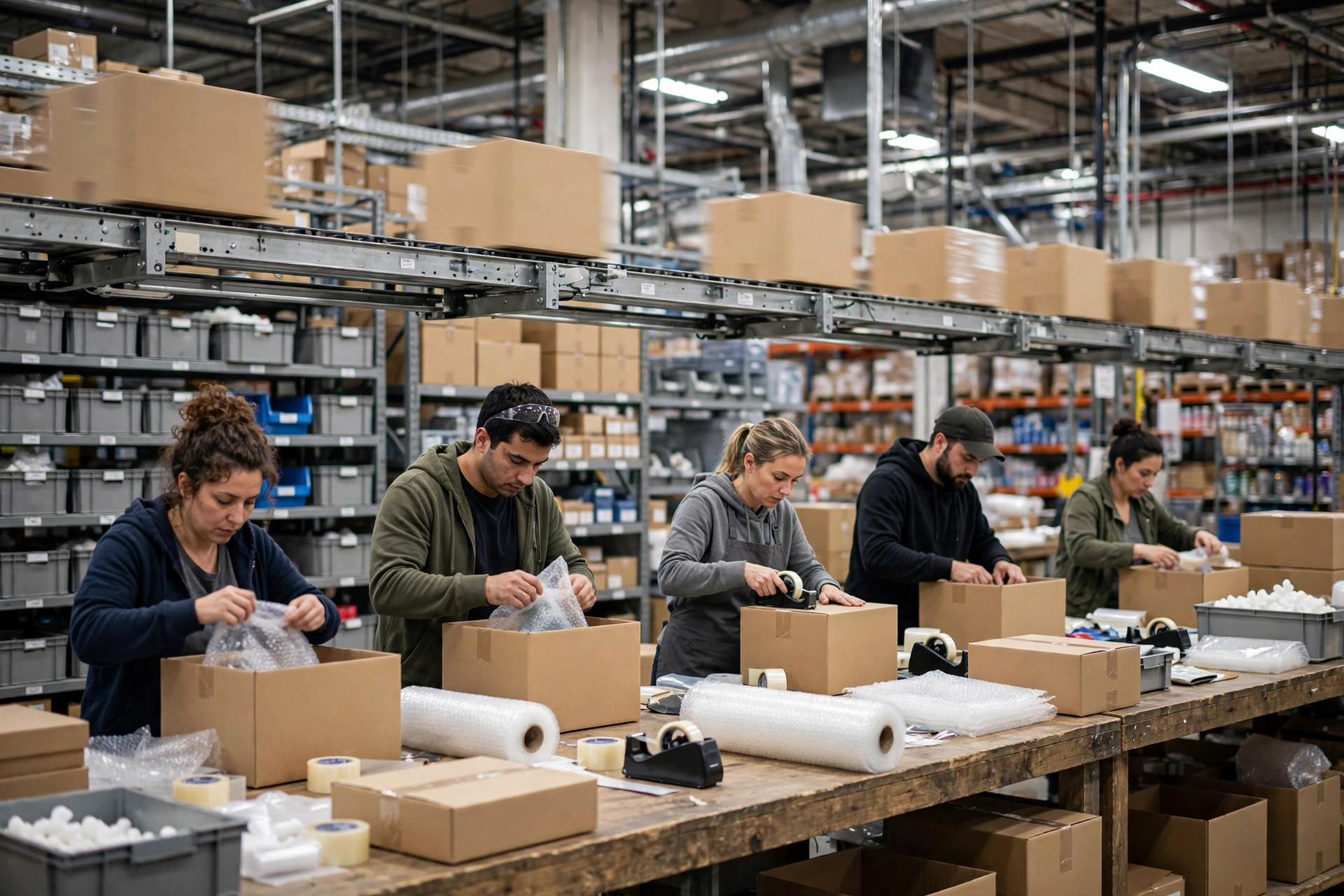
A seller friend of mine runs a home-decor shop out of a warehouse in Ontario, California, selling on TikTok Shop's US domestic storefront. Business was humming along for the better part of a year. Then, in mid-September, a creator's video went viral, daily orders spiked to several times the normal volume, and his warehouse spent three straight days digging out of the backlog. When the numbers refreshed in Seller Center, his late dispatch rate for that week had blown past 10%, his shop health score had taken a serious hit, and he'd been flagged with restrictions on joining major sales events. Over coffee he asked me: "Lao Mi, going viral is a skill — but not shipping on time feels like fate. How do these penalties actually work?"
He'd put his finger on the thing most sellers misunderstand. TikTok Shop doesn't really punish individual orders. It punishes your shop's health score — and once that score slides, your traffic, your event eligibility, and eventually your storefront go with it. There is no way around the fulfillment bar. You go straight through it.
Where the Penalties Actually Land
Let's get the rules straight first. In July 2026, TikTok Shop US replaced its old violation-points system with the Account Health Rating (AHR): a 0-to-1,000 scale where every new shop starts at 200 points, graded on a rolling 180-day window. When the score drops to the 150, 100, and 50 thresholds, the shop gets blocked from creating new listings and enrolling in major campaigns for 7, 14, and 28 days respectively. Hit zero and the account can be permanently deactivated. TikTok adjusts these parameters from time to time, so treat Seller Center as the source of truth — but the direction of travel, score-based grading with graduated restrictions, isn't changing anytime soon.
The teeth are in three fulfillment metrics: Late Dispatch Rate must stay at or under 4%, Seller Fault Cancellation Rate at or under 2.5%, and Valid Tracking Rate at or above 95%. Standard orders have to be dispatched within 2 business days — and "dispatched" is the operative word. TikTok's clock stops the moment the carrier scans the parcel into its network, not the moment you print the label. A printed label with the box still sitting in the corner of your warehouse counts as unshipped. Third-party analyses of the platform's published rules note that when the late dispatch rate overshoots badly — past 10%, say — enforcement can kick in fast: health-score deductions, order-volume caps, with no human review in between.
So stop asking "is shipping a day or two late really a problem?" In TikTok Shop's logic, a late shipment isn't a minor slip on one order. It's a systemic event recorded against your shop's health.
Why Warehouses Keep Tripping the Wire
With the penalty structure clear, here are the four ways I see warehouse operations step on the landmine — every one of them something I've watched happen in real US warehouses over the years.
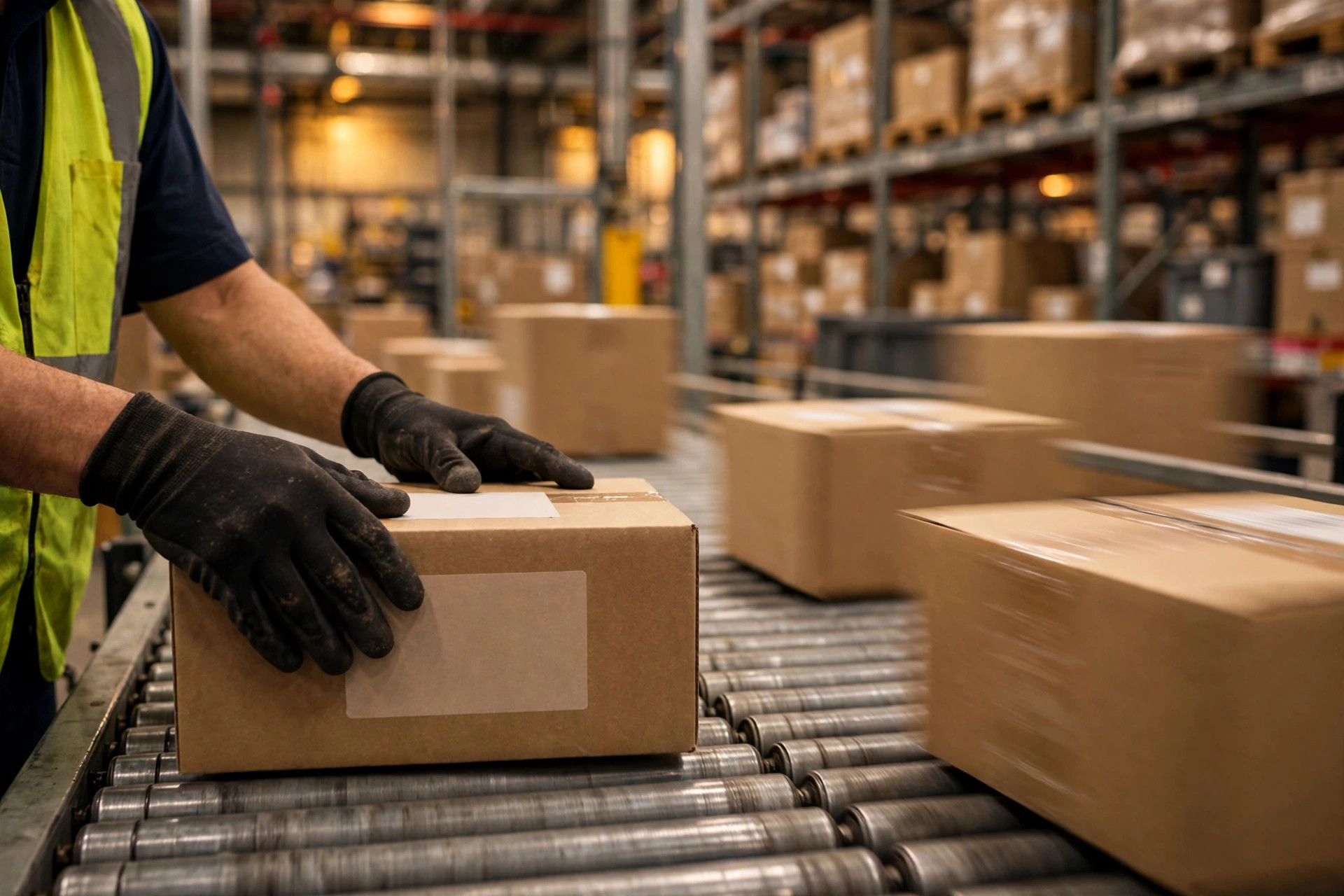
First, the "label printed equals shipped" illusion. This is the most common one. Between printing a label and the carrier's first scan sits a whole stretch of road: QC, staging, trailer loading, linehaul pickup. Plenty of small warehouses print everything Friday afternoon, the carrier doesn't pick up that day, and the parcels sit through the weekend — while the 2-business-day clock keeps ticking. Monday morning the scans come online and the system is full of "late."
Second, cutoff times set too optimistically. A cutoff is a promise to the buyer and an order to the warehouse floor. Some sellers set their cutoff after the carrier's last pickup of the day, which means those orders physically cannot leave the building that day — they're late before the next morning starts. Cutoffs have to be worked backward: start from the carrier pickup time and leave a real window for QC and staging.
Third, one shared inventory pool across channels. When TikTok goes viral, Shopify and Amazon orders are still coming in, all three channels eating from the same stock. Oversells become almost inevitable, and oversells mean cancellations — which is how a seller ends up breaching the cancellation-rate metric while still digging out of the late-dispatch hole.
Fourth, no viral-spike plan. A single warehouse has a hard capacity ceiling: only so many pack stations, only so many hands. A facility built for a few hundred orders a day has no mathematical chance of clearing several thousand without a rehearsed overflow plan. Late shipments stop being a risk and become arithmetic.
Four Moves That Keep Fulfillment Clean
Enough diagnosis — here's the prescription I give US TikTok Shop sellers, ordered from cheapest to most expensive to implement.
Move one: replenishment rhythm plus inventory isolation. Stocking to a 7-day rolling sales average is table stakes; on TikTok you multiply by a "viral factor" — SKUs with creator campaigns scheduled should carry two to three times normal safety stock. More important: give TikTok its own virtual reserved pool instead of mixing it with other channels. One oversell cancellation hurts your cancellation metric more than one late shipment hurts your dispatch metric.
Move two: backward-planned cutoffs. Run two of them: a hard "same-day pickup cutoff" set 1 to 2 hours before the carrier's pickup time — that's the warehouse's deadline, non-negotiable — and the delivery promise shown to buyers on the product page, which should skew conservative. After a label prints, there must be a carrier scan within 4 hours. Once a week, export "order placed time" and "first carrier scan time" from Seller Center and line them up; any leg running past 4 hours is your leak.
Move three: a carrier bench, not a carrier. Betting everything on one carrier hands your compliance to someone else's network. Run at least two — UPS paired with USPS, or FedEx paired with a regional carrier like OnTrac, which has real transit-time advantages on the West Coast — and split by destination ZIP. Below a few hundred orders a day, don't count on scheduled pickups; driving parcels to the carrier facility yourself is more controllable. Once volume stabilizes, negotiate a fixed pickup schedule and get the pickup time into the written agreement.
Move four: write the viral-spike playbook now and pin it to the wall. Four lines are enough: two hours after a creator video posts, check order volume — if it's triple the daily norm, trigger the plan. Pre-kit your hero SKUs so pick-pack-label collapses into one motion. Keep a temp-labor roster negotiated in advance, not on the day of the spike. And if the building genuinely can't keep up, pause promotion on some SKUs rather than letting the late dispatch rate cross the red line — traffic can be bought again, but a crushed health score can't be bought back. For hero SKUs, Fulfilled by TikTok is also worth a look: hand the least controllable slice to the platform's own warehouses (check the latest platform policy for current terms).
One thing you can do tomorrow: spend 20 minutes tonight exporting your last 30 days of orders from Seller Center, pull the "order placed" and "first carrier scan" columns, and compute your true dock-to-scan interval. Most sellers watch label-print time. The platform watches scan time. The hours in between are exactly where penalties find you. Measure that gap first, then talk about optimization — that's how warehouse people work.