Excerpt: TikTok Shop seller warehouse fulfillment breaks when a video goes viral overnight. This is how I prep a small warehouse for a 48-hour surge: pre-staged best sellers, two cutoff times, backup carriers, and the three mistakes that cost more than labor ever will.
Let me complain first. The most infuriating thing about selling on short video is that a viral surge gives you zero warning. One day you ship 200 orders. A video pops overnight. You wake up to 2,800 orders in the backend, and the number is still climbing. Ask platform support and you get a polite version of "check the latest platform rules." Meanwhile your warehouse is staffed for 200 orders, your packaging covers a week at normal volume, and your carrier shows up at 3 p.m. The surge does not care. That is why TikTok Shop seller warehouse fulfillment has to be designed for surges, not for average days.
I learned this the hard way. In August 2025, a storage video on my home gadget account went viral and pulled 3,400 orders in 36 hours. I had three people in the warehouse and packaging for about 800 orders. The carrier took 900 orders the next day. The other 2,500 sat in the warehouse for two days. I ended up diverting part of the volume to a friend's warehouse across town. That was the day I made a rule: for this business, a viral surge is not an accident. It is normal. You prep for normal.
Pre-staging: the TikTok Shop fulfillment prep before the video pops
Most sellers start prepping after the video goes viral. Too late. My rule is simple. For every video I plan to push, one week ahead I move the hero product into a staging zone at 1.5 times my forecast volume. How do I forecast? I take the average conversion of my last three similar videos and multiply by the ad budget multiple for this push. It will not be exact. Overstocking by 20% beats understocking every time.
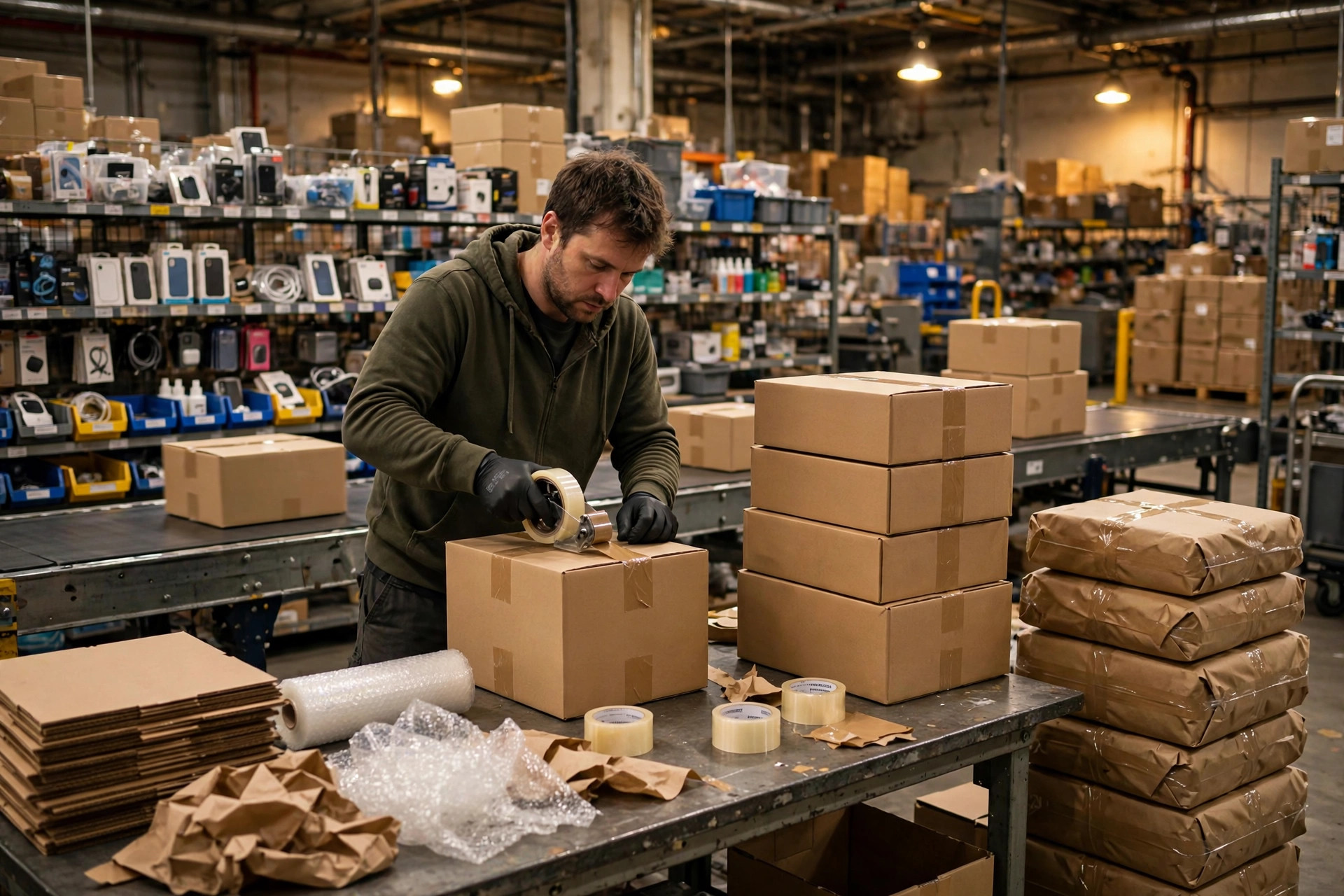
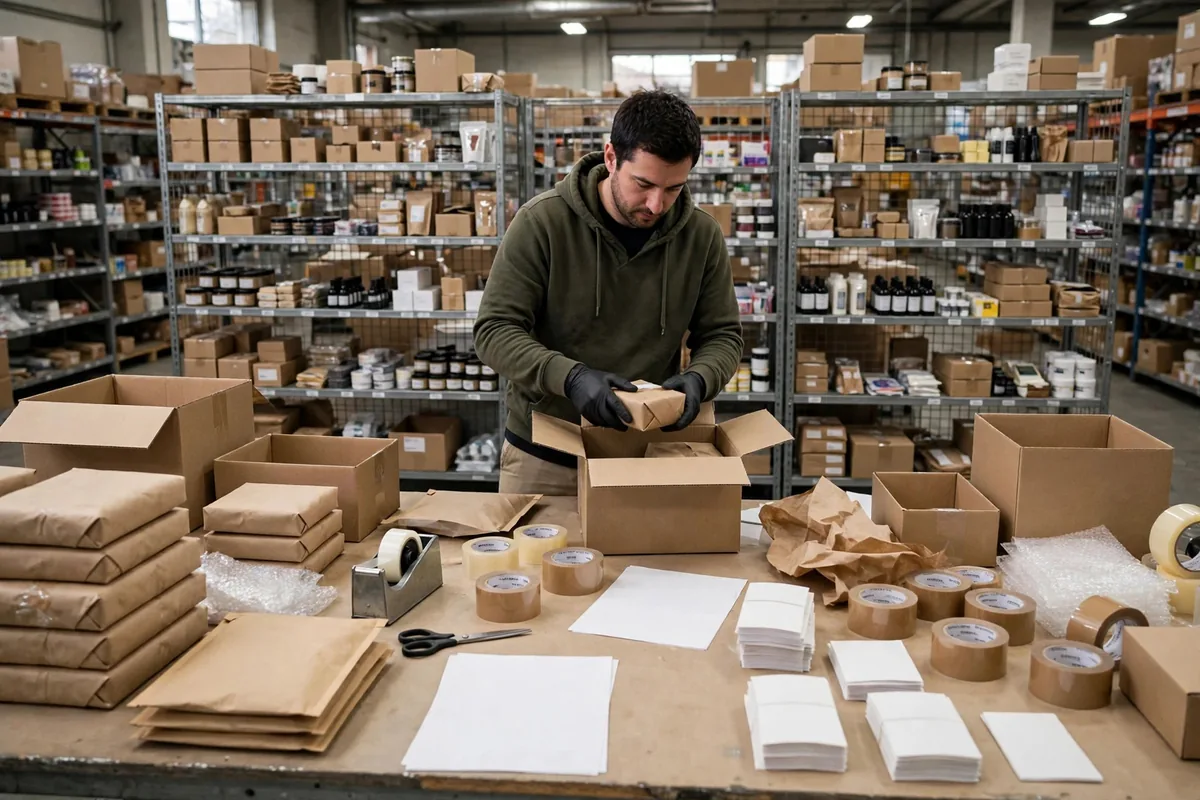
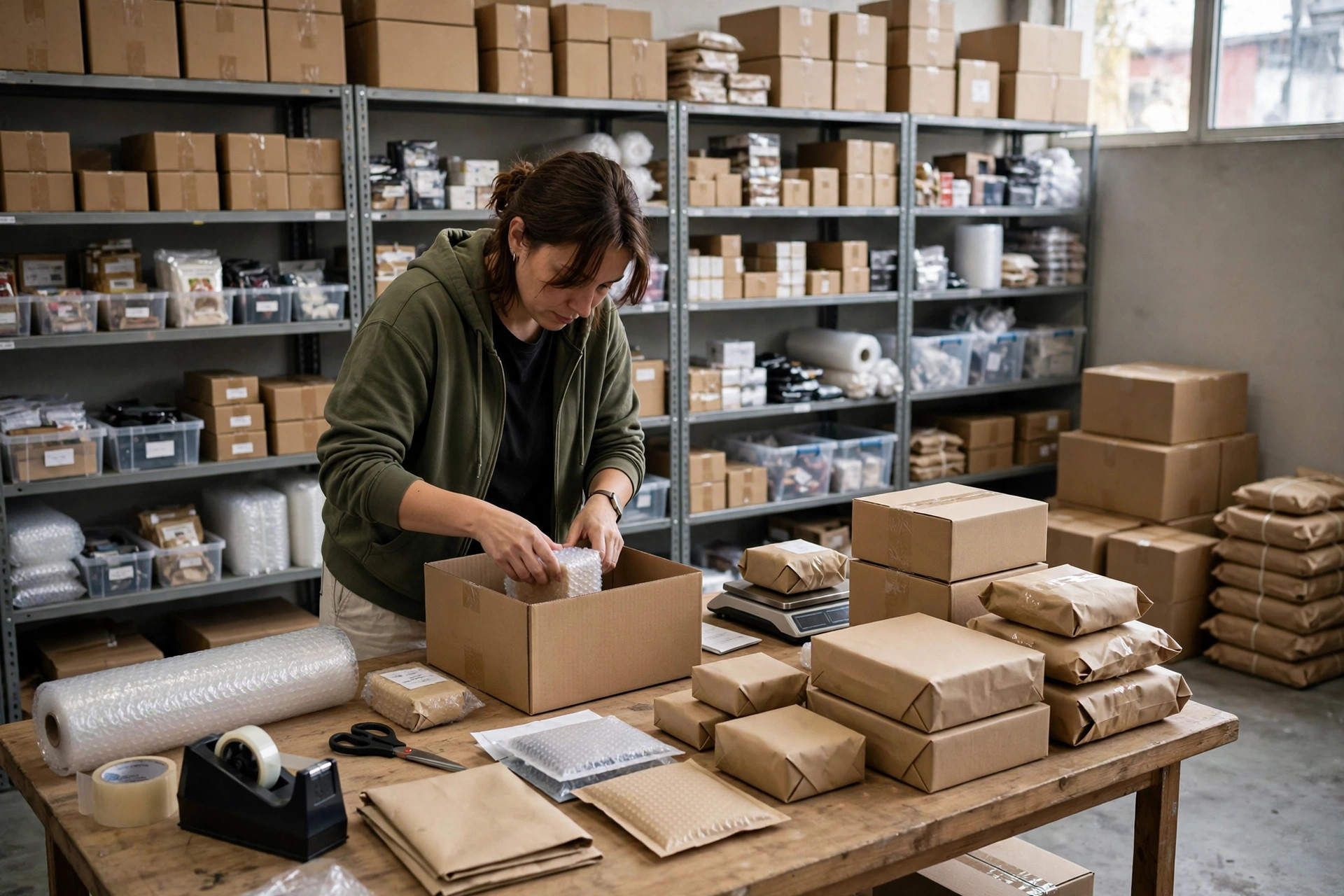
The method is unglamorous, and it works. The hero product gets its own zone with a best-seller tag. I pre-kit outer boxes, filler, and label paper in batches of 500 and stack them next to the packing benches. When the surge hits, packers grab from the staging zone instead of hunting across the warehouse. Packing time per order drops from about 4 minutes to under 2 minutes. Two minutes sounds small. Across 3,000 orders, that is 100 hours of labor.
One more detail. Free gifts and bundle sets get assembled in advance. I used to assemble them on demand, and on surge day I discovered the gifts had no labels. Three people spent a whole night labeling. Now bundles are pre-assembled in batches of 300 and restocked as they sell. The worst thing in a surge is not volume. It is volume plus assembly on the fly.
The 48-hour TikTok Shop fulfillment playbook: cutoffs, labor, carriers
Surviving 48 hours comes down to three schedules. Miss one and the whole thing wobbles.
First, the cutoff schedule. On surge day I switch from one 3 p.m. cutoff to two cutoffs, noon and 8 p.m., with the carrier collecting twice a day. Morning orders leave at noon instead of waiting until tomorrow. Carrier pickup frequency and delivery time requirements should be confirmed against the latest platform rules and your actual carrier agreement, not memory.
Second, the labor schedule. My benchmark is that one experienced packer ships about 220 orders in a 10-hour day. For 3,000 orders, that is at least 14 packer-days. I keep four experienced staff on hand. By 10 a.m. on surge day, part-timers must be called in, or they are gone. Part-timers do exactly two jobs: packing and labeling. They never pick. A picking mistake costs far more than a slow pack.
Third, the carrier schedule. Never rely on a single carrier during a surge. My split is 60% primary carrier, 40% backup. The backup gets about 50 orders a week in normal times, so when the surge hits, they actually show up first. Sellers who bet everything on one carrier discover, on surge day, that the truck is full and there is nothing they can do about it.
Here is the real cost breakdown from that 3,400-order surge, after I reviewed it:
| Item | Scale | Note |
|---|---|---|
| Part-time labor | About 10 people × 2 days | Local hourly rates; first half-day runs at 60% efficiency |
| Rush packaging | About 35% above normal price | Same-day delivery, freight extra |
| Overflow warehouse | Per-order fee | Includes their packing fee and system setup time |
| Late shipment impact | Refund rate up about 3 points | Varies by store; use your own data |
Look at that table. Labor and packaging are not the real cost. That is the part of TikTok Shop seller warehouse fulfillment nobody budgets for: the cost of losing control. Losing control is. Late shipments drive refunds and rating damage, and that bill dwarfs the labor bill.
Three mistakes that hurt more than labor costs
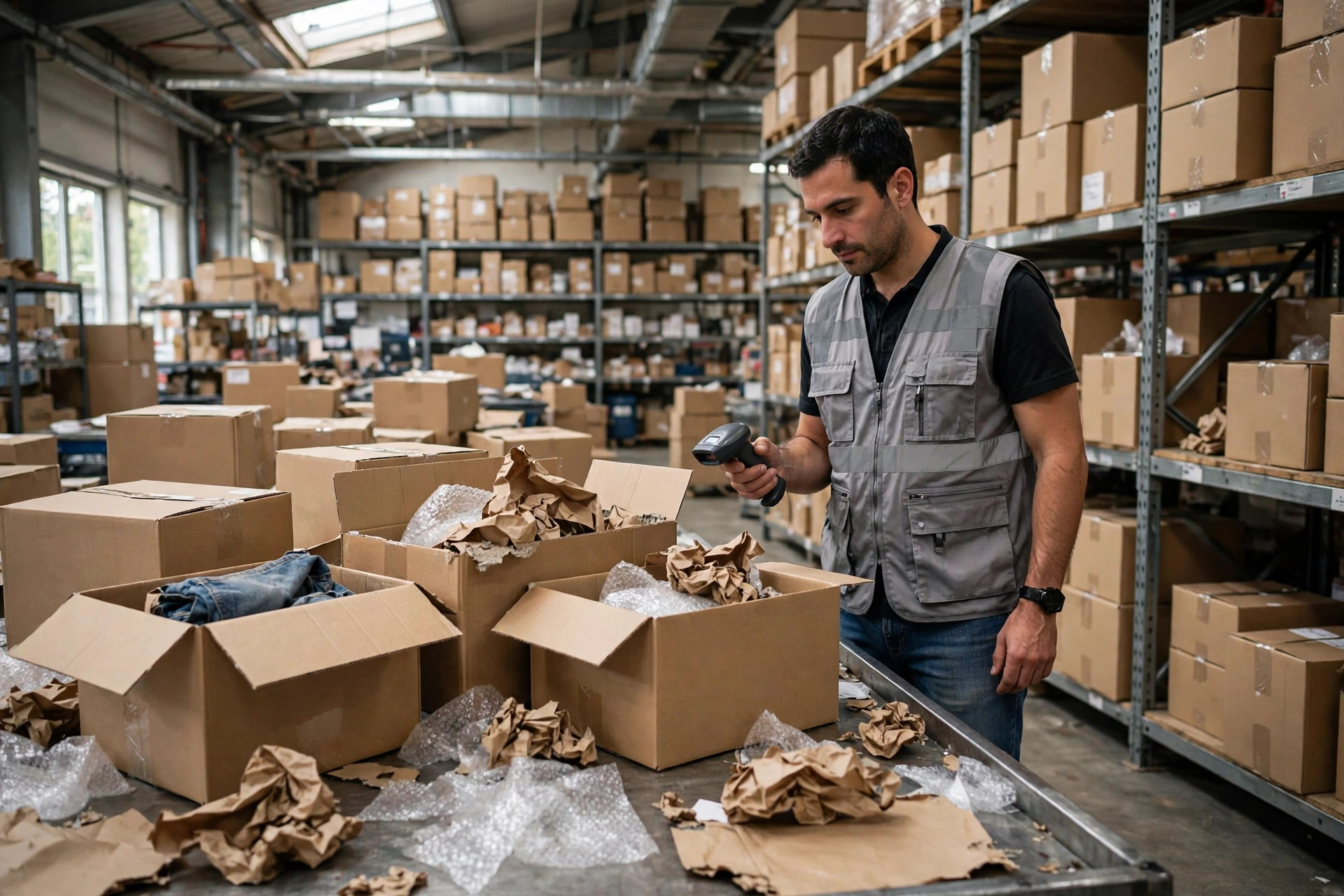
Mistake one: overselling. The storefront still shows stock while the warehouse is actually empty, because the system has not synced yet. I now set a safety stock line for hero products. When the staging zone drops below 200 units, the listing goes to limited purchase immediately. Better to sell less than to oversell. One oversold order costs you more than one order: it costs account standing and hours of customer service time.
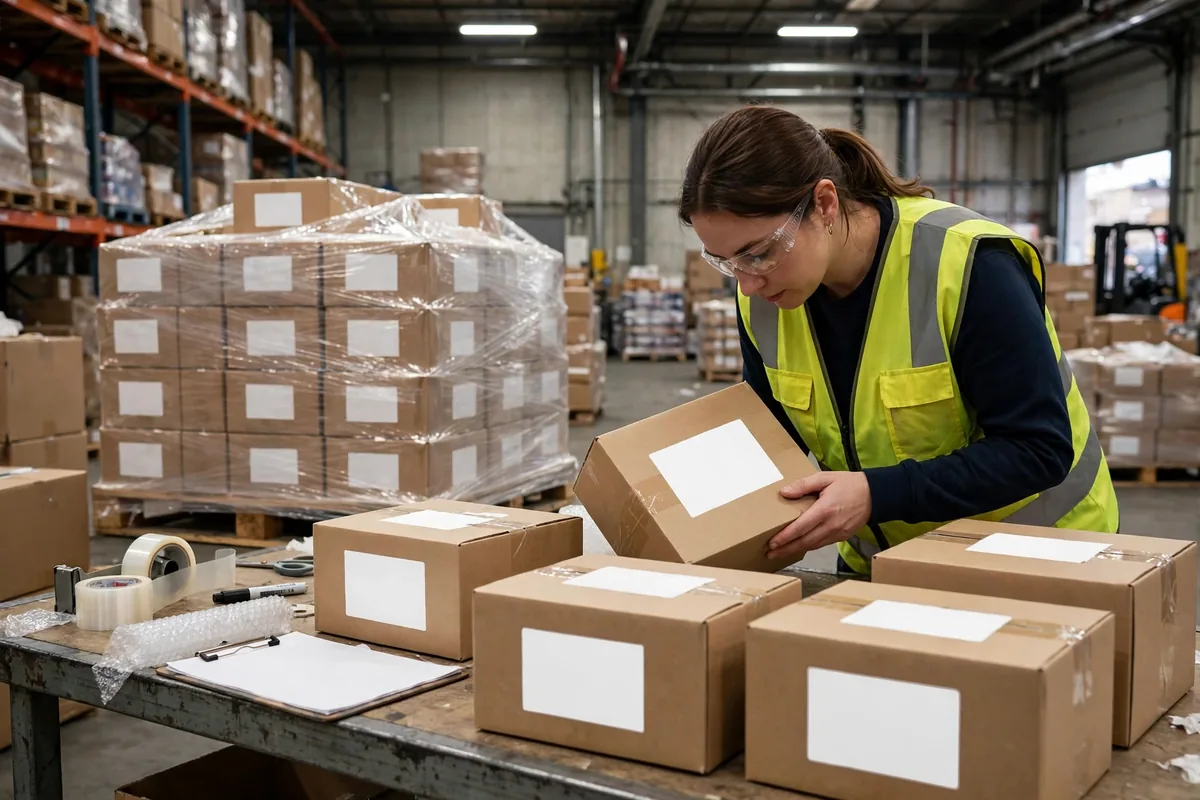
Mistake two: ignoring returns. The return wave from a surge usually arrives 7 to 10 days later. Clear a returns zone in advance. I once let returns pile up in the aisle until packers were stepping over boxes all day, and throughput fell off a cliff. Now, on day three after a surge, the returns zone is cleared and one person handles returns separately, so returns never compete with outbound packing for hands.
Mistake three: disbanding the moment the surge ends. A viral video leaves behind new customers, and their repeat purchase rate within 30 days runs higher than normal traffic. For a week after a surge, I slip a short handwritten thank-you card into those orders. It costs a few cents. The second wave of repeat orders often pays back the surge labor cost on its own. Do not just count one order. Count what a customer is worth over 30 days.
Here is the counterintuitive truth. During a surge, the thing to save is not labor. It is decision time. Write the trigger conditions for cutoff changes, purchase limits, and overflow diversion on the wall. When the trigger hits, you execute. No meeting, no debate, no waiting for the boss. In my 3,400-order mess, the biggest problem was not headcount. It was that I spent half a day debating whether to divert volume, and in that half day, another 800 orders arrived.
This trick actually works for me: before you hit publish on the next video, get three things ready first. The staging zone. The part-timer call list. The backup carrier. Then publish. A warehouse does not fear big volume. It fears volume arriving before the warehouse is ready. Get TikTok Shop seller warehouse fulfillment right once, and the next viral video feels like a good problem instead of a fire.
By Ah K, E-commerce Seller (5 yrs)