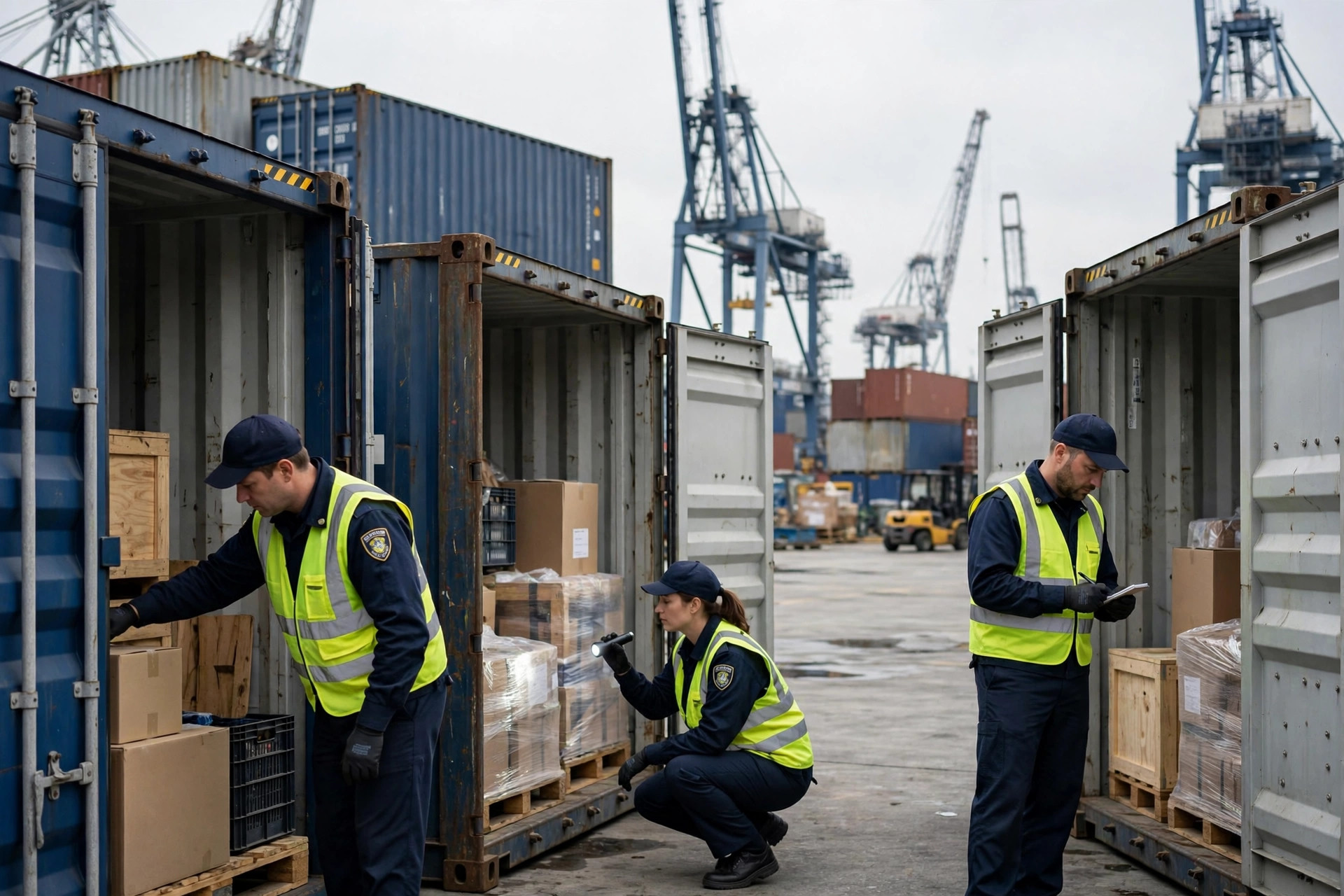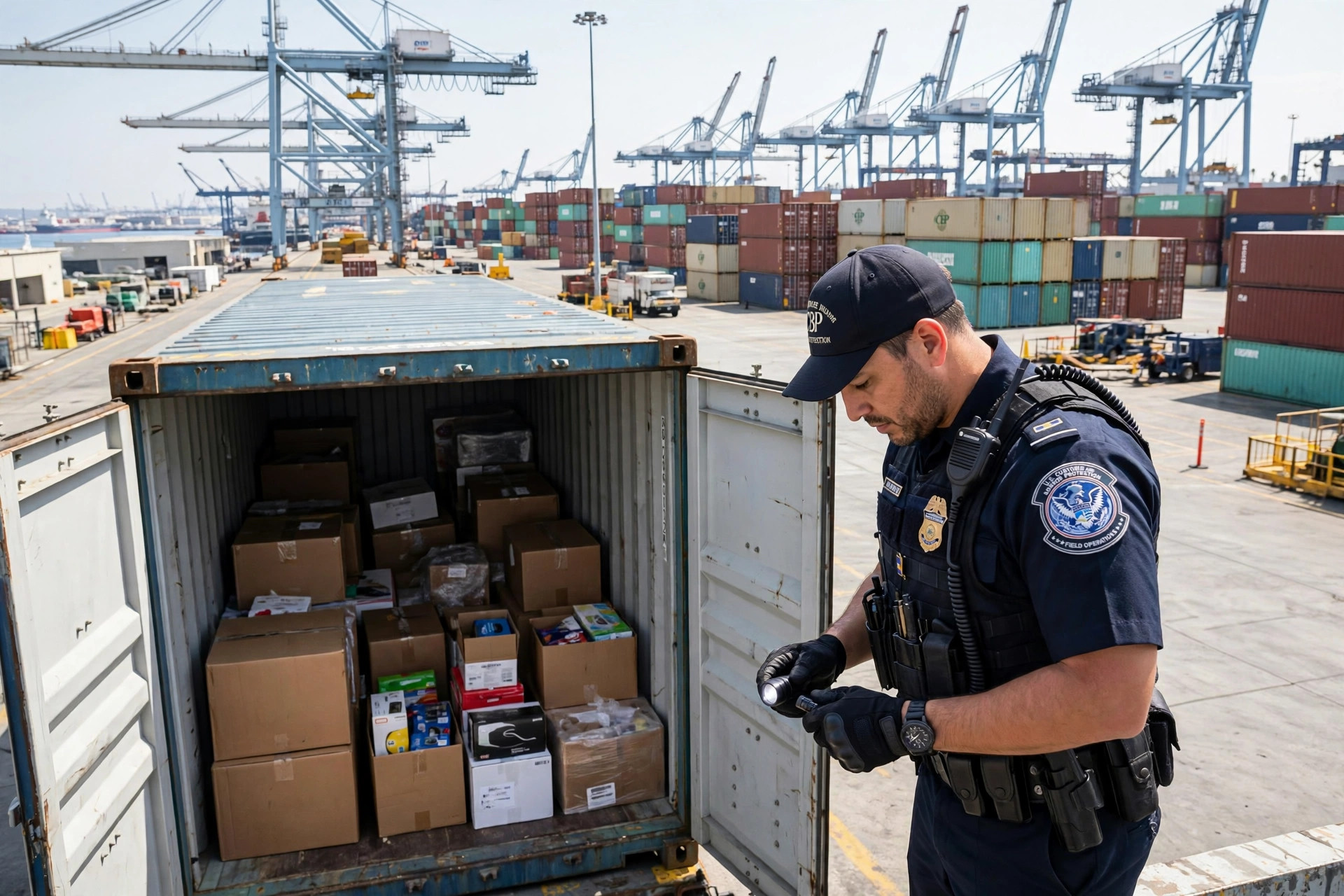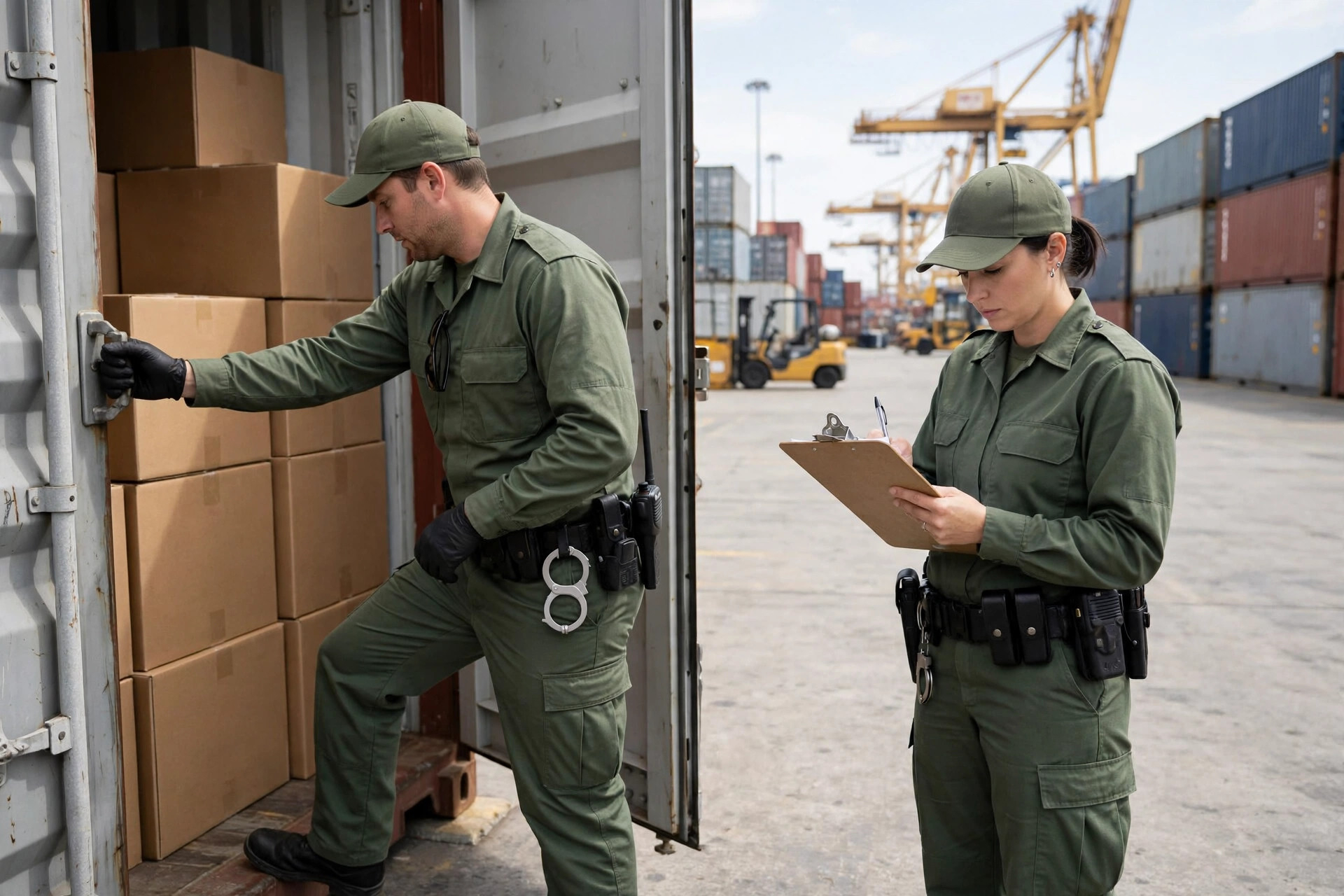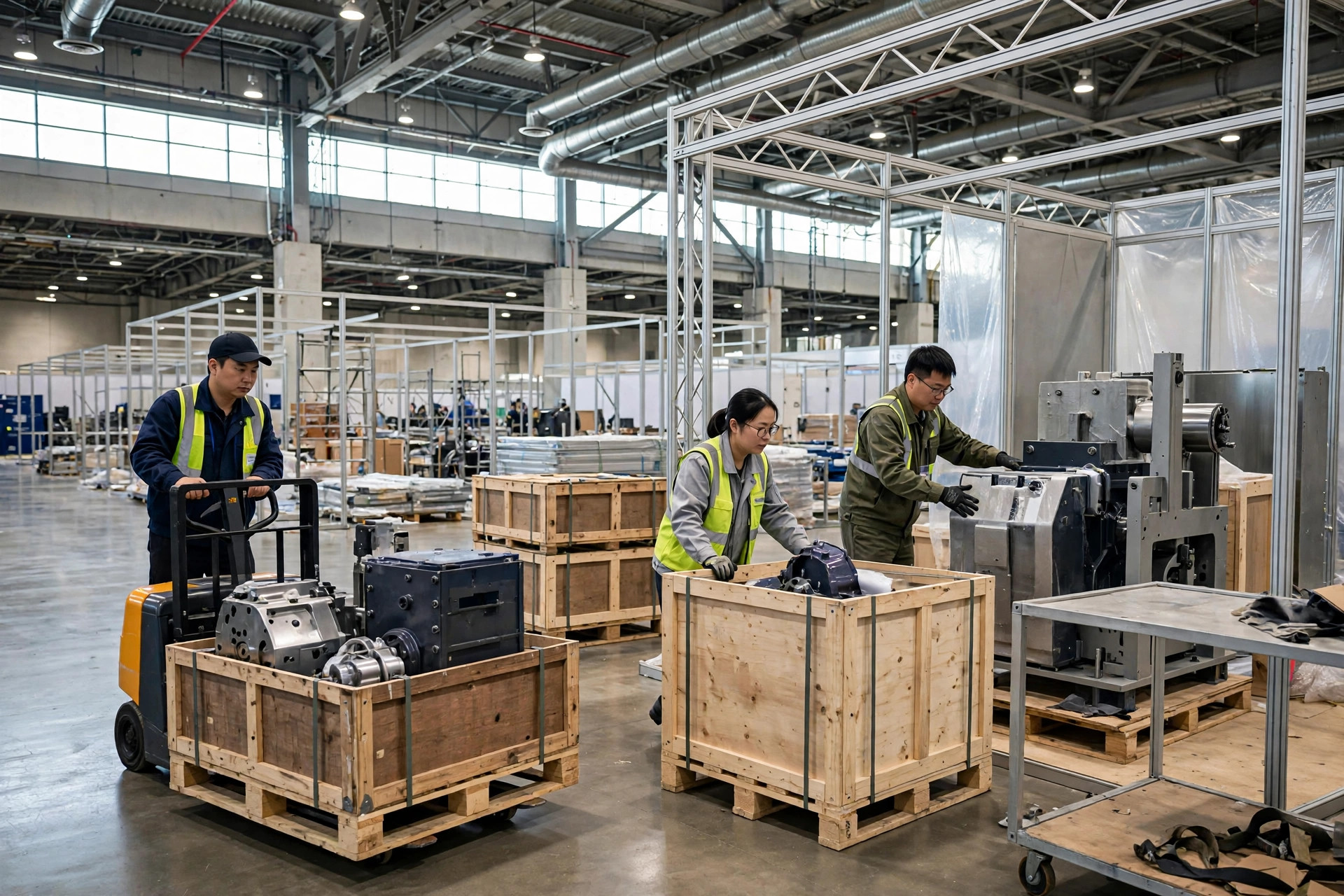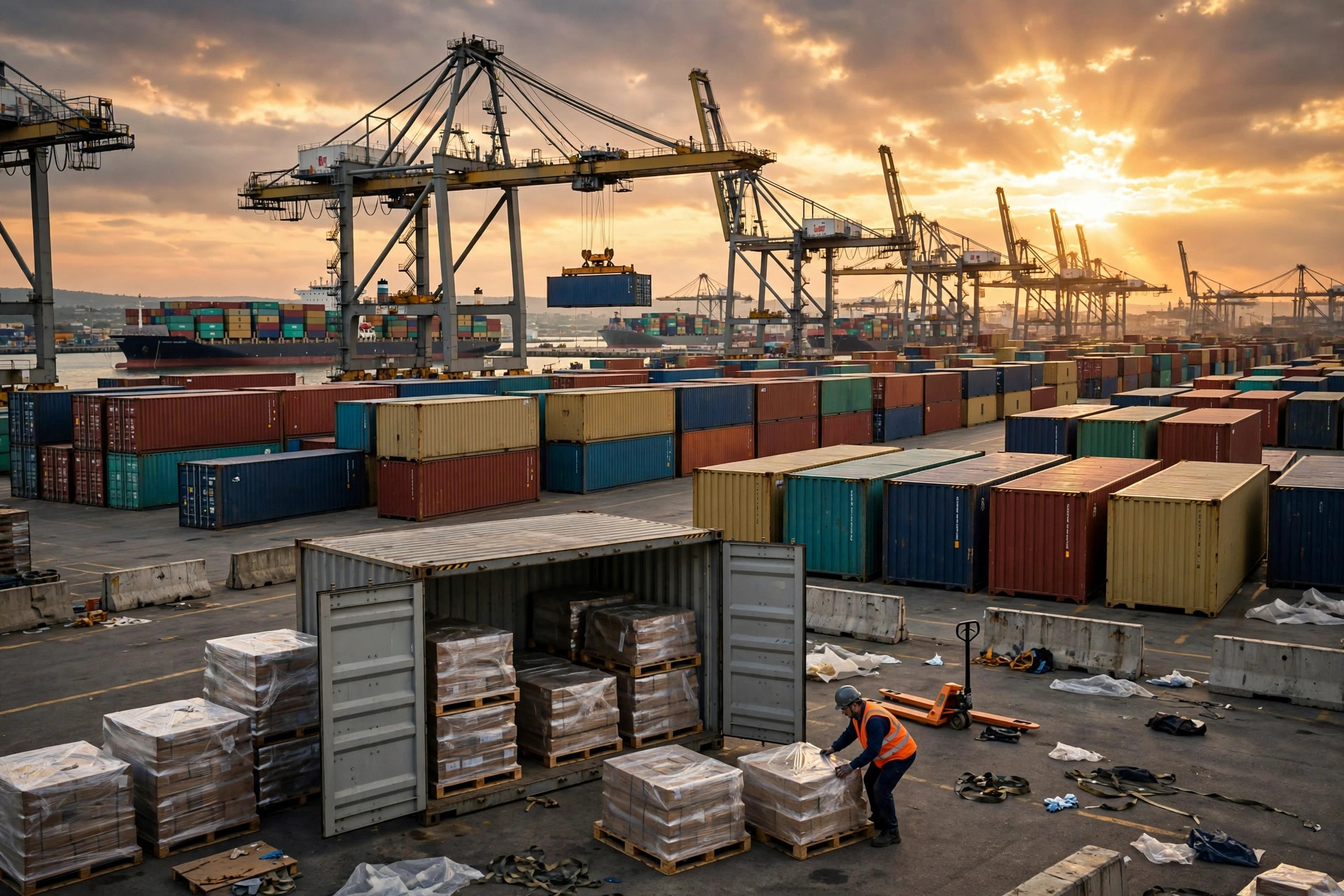
A friend who builds four-way shuttles called me two years ago, annoyed. He was shipping a demo unit to a trade show in Las Vegas, and his forwarder's quote had a new line item: a bond worth nearly half the machine's value. "Do I really have to pay duties just to exhibit?" Not exactly, I told him. You don't pay the duties—but you do park a bond with U.S. Customs. It's called a TIB: Temporary Importation under Bond.
Here's the verdict up front: for automation vendors bringing demo machines to the U.S.—for a show or a customer trial—a TIB is the cheapest legal route in. No duties at entry. But two rules are non-negotiable: the machine must leave the country within one year (extendable to three), and while it's here, you cannot sell it. Break either rule and Customs cashes the bond.
Duty deferred, bond posted
A TIB is a U.S. Customs procedure grounded in Chapter 98, Subchapter XIII of the tariff schedule and 19 CFR 10.31–10.40. The deal is simple: eligible goods enter without paying duty, and the importer posts a bond guaranteeing the goods will be exported or destroyed within the allowed period. Trade-show exhibits, samples, and professional demo equipment all qualify. At the big automation shows in Chicago and Las Vegas every year, Chinese vendors roll in demo machines and the process is routine—provided your broker has handled show freight before.
It is not a free pass. TIB goods cannot be sold or enter U.S. commerce. If a prospect at the show wants to buy the demo unit on the spot, you can't just hand it over—converting it to a formal entry and paying the duties comes first. The goods must also stay under the importer's control and be used only for the purpose declared at entry: exhibition is exhibition, testing is testing.
Compared with an ATA carnet, which covers 70-plus countries for globe-trotting exhibitors, a TIB is a U.S.-only instrument. If the U.S. is your only stop this year, it's simpler and cheaper.
One thing people get wrong: the freebies. Brochures and giveaway samples handed out at the booth are not TIB goods—they're consumed in the U.S., so they enter formally with duties paid. Only the machines and tools coming back out qualify.
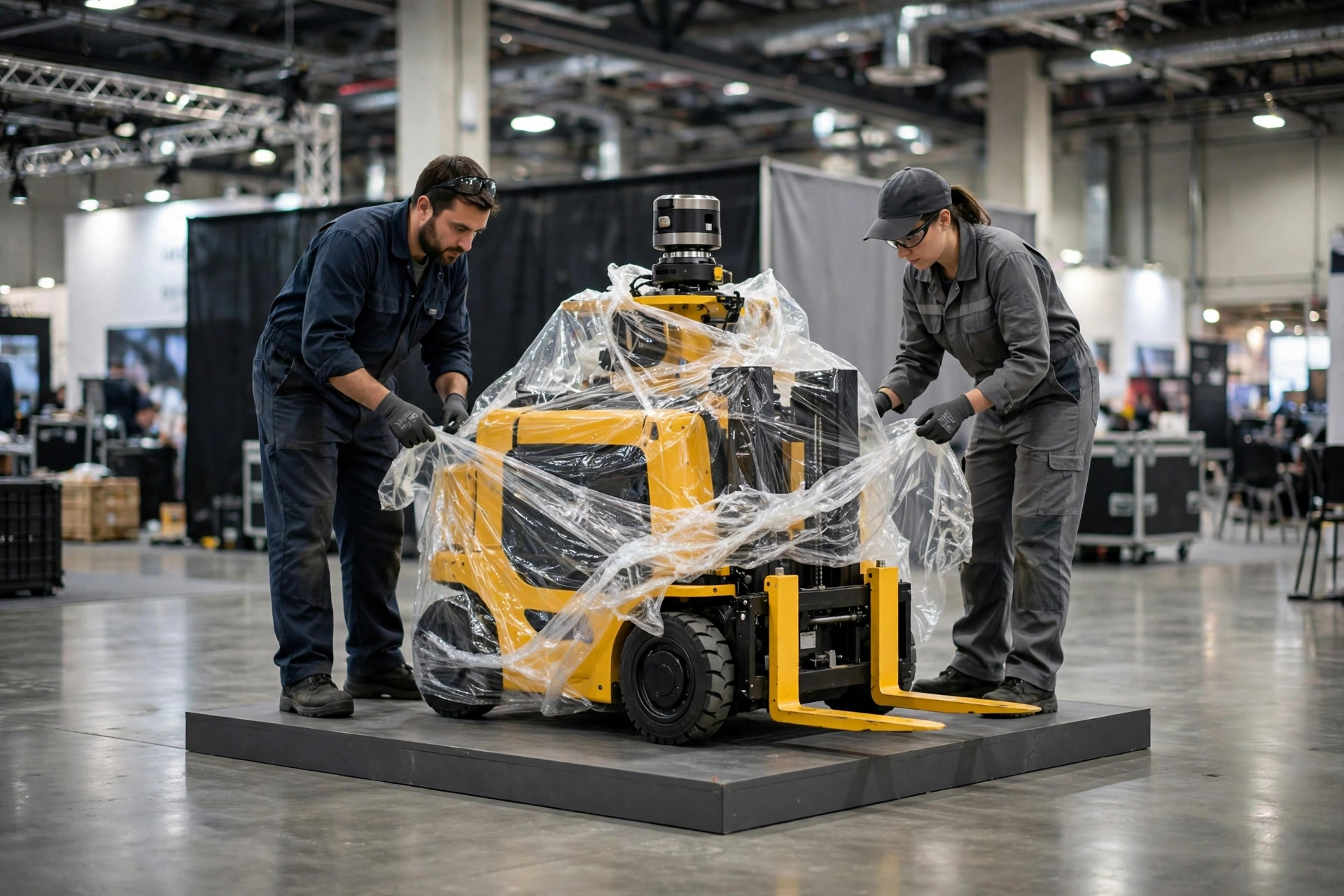
How big is the bond?
This is the question everyone actually cares about, and CBP's rule has two tiers under 19 CFR 10.31(f).
For most goods, the bond equals twice the estimated duties, fees included. For samples brought in solely to take orders (HTSUS 9813.00.20) and for professional equipment and tools of trade (HTSUS 9813.00.50), it's 110 percent of estimated duties.
In November 2022, CBP issued internal guidance (CSMS message 53992279) reminding officers to verify TIB bond amounts and demand additional security when the bond on file falls short. Demo AMRs and shuttle units generally land in the "professional equipment" bucket at 110 percent—nearly half the cash tied up—but the classification is the broker's and CBP's call, not yours. Spell out the purpose in the entry paperwork ("for exhibition and demonstration; re-export after the show") so the classification holds.
There are two ways to post it: a single-transaction bond per shipment, or a continuous bond for frequent shippers. If you're doing two or more U.S. shows a year, have your broker run the math—continuous usually wins. Don't cheap out here: a rejected entry with an insufficient bond leaves your machine racking up demurrage at the port, which costs far more than the bond ever did. And many large shows have appointed brokers who do this every year; using one is the easiest way to avoid rookie mistakes.
One judgment call from experience: if you already know the demo will probably stay in the U.S.—a pilot customer is basically committed—skip the TIB and file a formal entry from day one. Converting a TIB to a consumption entry mid-stream means redoing the paperwork, and the time cost isn't trivial. My rule of thumb: if the odds of the machine staying exceed fifty-fifty, import it properly at the start.
The one-year clock
The TIB period runs one year from the date of importation, with extensions available up to three years total. Two traps, both of which I've watched companies walk into.
First, each extension must be requested before the current period expires—there are no retroactive extensions. The show ends, the machine goes into a warehouse, everyone moves on to the next thing. Then the deadline passes, and Customs treats it as a breach regardless of your intentions. Mark "90 days before expiration" on the calendar the day the machine lands, and decide early whether to re-export or extend.
Second, re-export needs proof. When the machine leaves, you want CBP-supervised export records or complete export declarations on file—the bond isn't released without them. Start the paper trail on day one: entry documents, show setup records, a serial-number inventory, outbound bills of lading. Serial numbers matter most: the unit that leaves must be the unit that entered. Swapping in a different machine is a serious problem.
After the show, there are exactly three exits: re-export (the cleanest), convert to a formal entry and pay duties (when a customer wants to keep the demo), or destroy the goods (for consumable samples not worth shipping back). All three require formal procedures. "Leave it in the warehouse and deal with it later" is not an option.
The penalty for blowing it is straightforward: Customs assesses liquidated damages for the full bond amount. Breach a bond set at twice the duties and you've effectively paid the duties twice over. Nobody can afford that math.
Three things to do this week
If your show is next month, do these three things now. First, pull together the machine list—model, serial number, declared value—and send it to your broker to confirm which bond tier applies and whether to go single or continuous. Second, nail down the re-export evidence process in advance: CBP-supervised export or export-declaration release, and who handles it. Third, put "90 days before expiration" on someone's calendar, with a name attached.
The TIB itself isn't hard. The hard part is remembering that the bond you parked with Customs only starts mattering after the show ends.