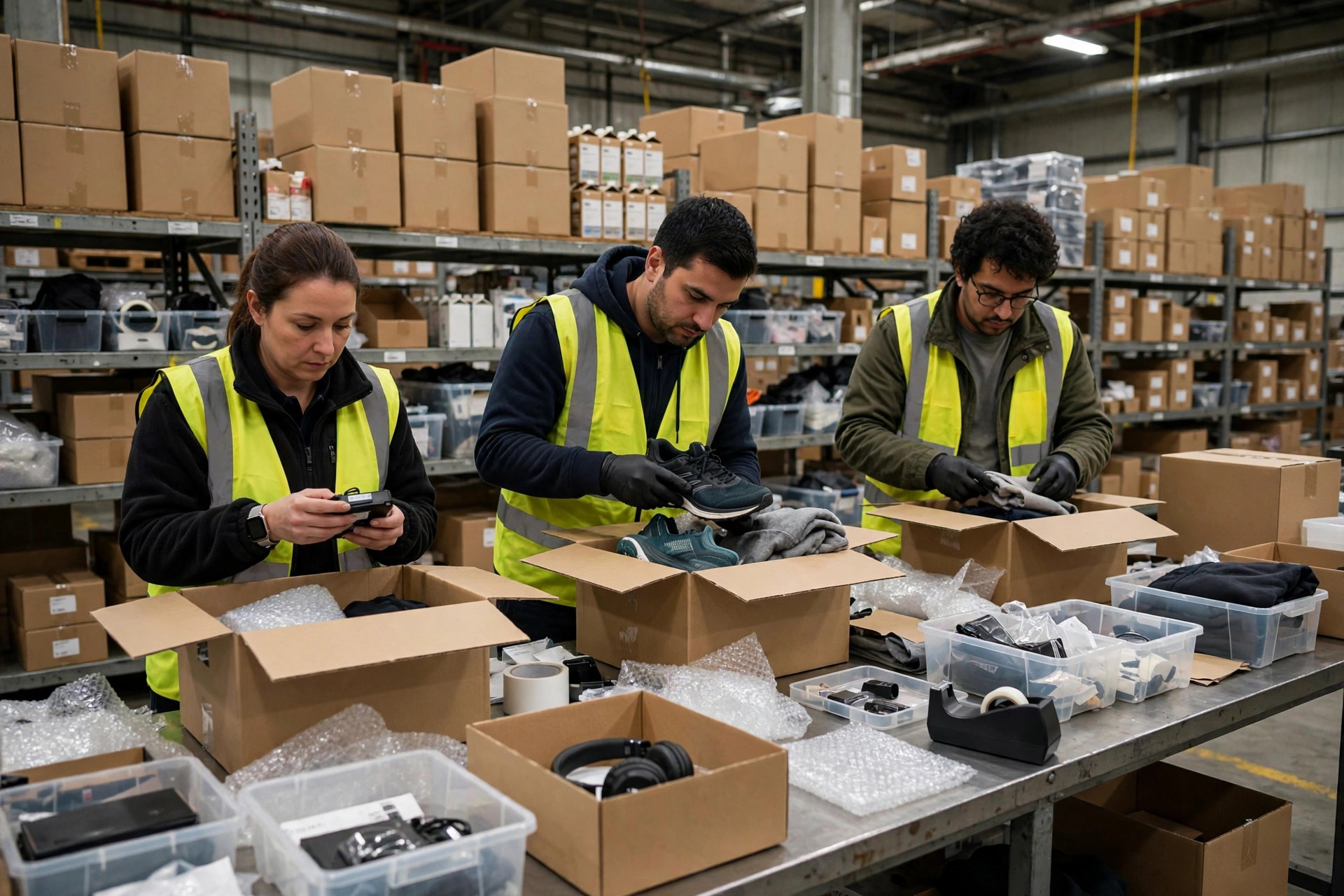
When Temu rolled out its semi-managed model, a seller I know in Shenzhen who makes home storage products jumped in early. His first shipment — half a container to a warehouse in Los Angeles — taught him the central lesson of this game within about six weeks: in semi-managed, pricing and inventory move together. Move one without adjusting the other, and the warehouse bill arrives before the profit does.
He priced aggressively to win traffic, then watched his margin evaporate. When he tried to raise prices, traffic fell off. His second replenishment was sized by doubling the first shipment's sales — right as the style went out of season — and the goods sat in the overseas warehouse burning storage fees. Three mistakes, one root cause: pricing and stocking are linked, and he managed them as if they weren't.
Understand the Game: What "Semi" Actually Means
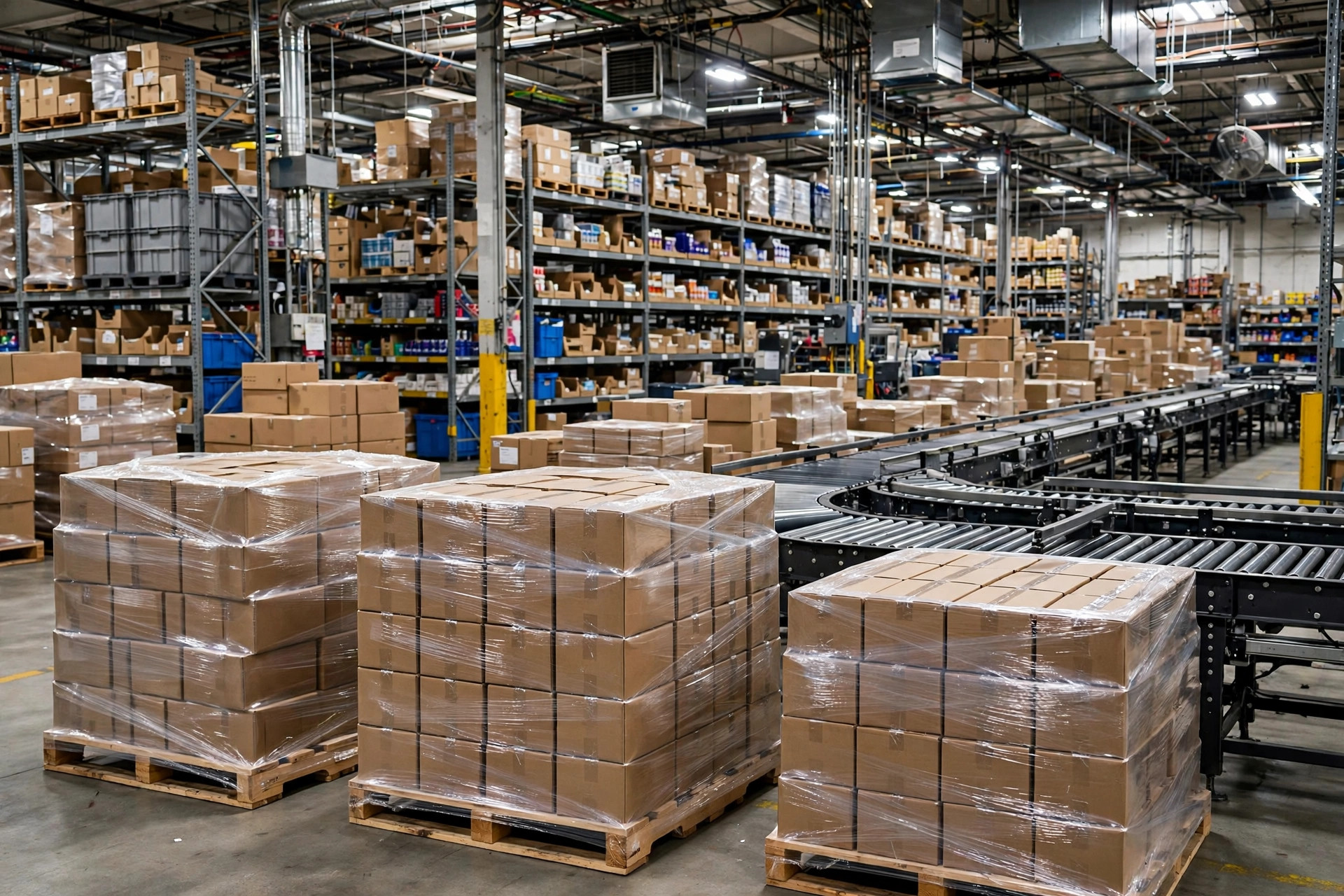
The core difference between semi-managed and fully-managed is who owns inventory and fulfillment. In fully-managed, you ship goods to the platform's domestic warehouse and you're largely done. In semi-managed, you stock an overseas warehouse — typically in the US — and you (or your warehouse partner) pick, pack, label, and ship every order. The platform handles traffic allocation and the after-sales rulebook.
Three things change for you. First, delivery speed is your responsibility, and fulfillment performance feeds directly into your store's weight on the platform — check the platform's latest published rules for the exact metrics. Second, you set your own prices, but the platform benchmarks them against fully-managed listings of the same product; price too far above and the traffic dries up. Third, all inventory risk sits with you: overstock ties up cash, stockouts kill your momentum.
Stop running semi-managed with a fully-managed mindset. Fully-managed is a supply mindset. Semi-managed is a retail mindset, with a warehouse operation in between.
Pricing: a Scale With Traffic on One Side and Margin on the Other
Step one of pricing is breaking your cost structure apart, because semi-managed costs look nothing like what you're used to. Ocean freight amortized per unit, overseas warehousing and handling fees, US last-mile delivery, packaging, return losses — plus the platform's commissions and service fees (check the latest published rates; they change). Plenty of sellers compute "factory price plus freight" and forget handling fees and returns, then discover they're losing money on every order.
My advice: build your own cost card, one row per SKU, with every cost item filled in line by line, and compute your break-even price. Above break-even, leave room for two tiers: everyday margin and promotional headroom for platform campaigns. Pricing without that card is driving blind.
On strategy, my judgment is this: you can price competitively to build velocity on a new listing, but don't race to the bottom on day one. It's easy to cut price and brutally hard to raise it back — platforms have longer price memories than you'd expect. In the mature phase, the game is turnover, not per-unit profit. The thin-margin, high-velocity logic applies here just as it does anywhere else — but run the numbers on your own cost card; someone else's formula won't fit your business.
Inventory: the Math Problem That Decides Everything
Inventory planning is the most technical part of semi-managed. The formula is simple: order quantity equals average daily sales times replenishment lead time times a safety factor. Every variable is hard to pin down, and that's where the skill lives.
Use a trend for daily sales, not an average. For a product on the way up, the trailing-30-day average will badly understate next month; for a fading style, it overstates. I look at the last two weeks of daily sales and adjust manually against the campaign calendar.
Lead time is where most of the traps are. Ocean freight from booking to warehouse putaway can take several weeks when things go well and well over a month when they don't, with inspections and warehouse appointment queues in between. My practice is to use a conservative figure based on actual arrival days from recent shipments — not the ETA the forwarder quoted. The gap between those two numbers is the entire explanation for your stockouts.
For the safety factor, my suggestion to newcomers is 1.3 to 1.5 — don't get greedy. Unlike a domestic warehouse, a replenishment takes weeks to land, so a stockout costs you ranking; but overstocking a slow mover will strangle your cash flow with storage fees. The compromise is split shipments: send the first batch conservatively, then send the second 10 to 15 days later based on actual sell-through, using small frequent batches to hedge against bad judgment.
And set a stop-loss line for slow movers — the chapter nobody wants to read. When a SKU trails expectations for several weeks running, stop waiting for next month to save it. My exit order: mark it down and recover whatever cash you can first; if it still won't move, do the math on continued storage fees versus shipping it back, and pick whichever is cheaper. The worst option is leaving dead stock in the overseas warehouse "waiting for an opportunity" — storage bills monthly, and time is on the fee's side.

Don't neglect the warehouse side either. Pick an overseas partner that actually cooperates: smooth inbound appointments, strict-but-clear labeling standards, fast putaway, returns handled promptly — all of it feeds your fulfillment score. I've toured plenty of third-party warehouses across the Inland Empire; at similar quotes, I'd take the one with solid system integration — inventory you can see syncing in real time — over one saving you a few cents per order in handling fees.
One question to take home: in your current replenishment formula, is the lead time field filled with the forwarder's ETA, or with your actual warehouse-receipt days over the last three months? Pull the history, replace the number with reality, and rerun the math. Thirty minutes of work — and quite possibly the most valuable half hour of your quarter.
While you're at it, pull out your cost card and check whether return losses and storage fees ate into your margin over the last quarter. Those two lines are the most underestimated costs in semi-managed — and exactly where experienced sellers pull ahead of newcomers.