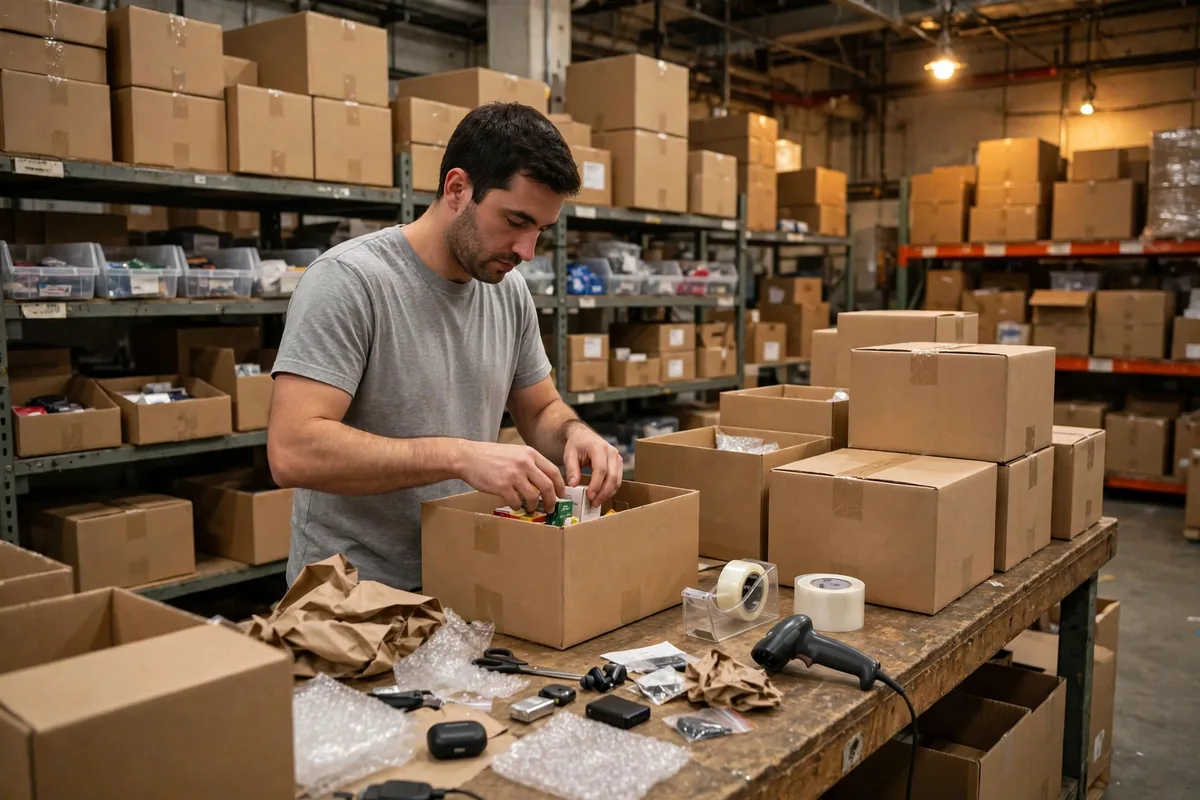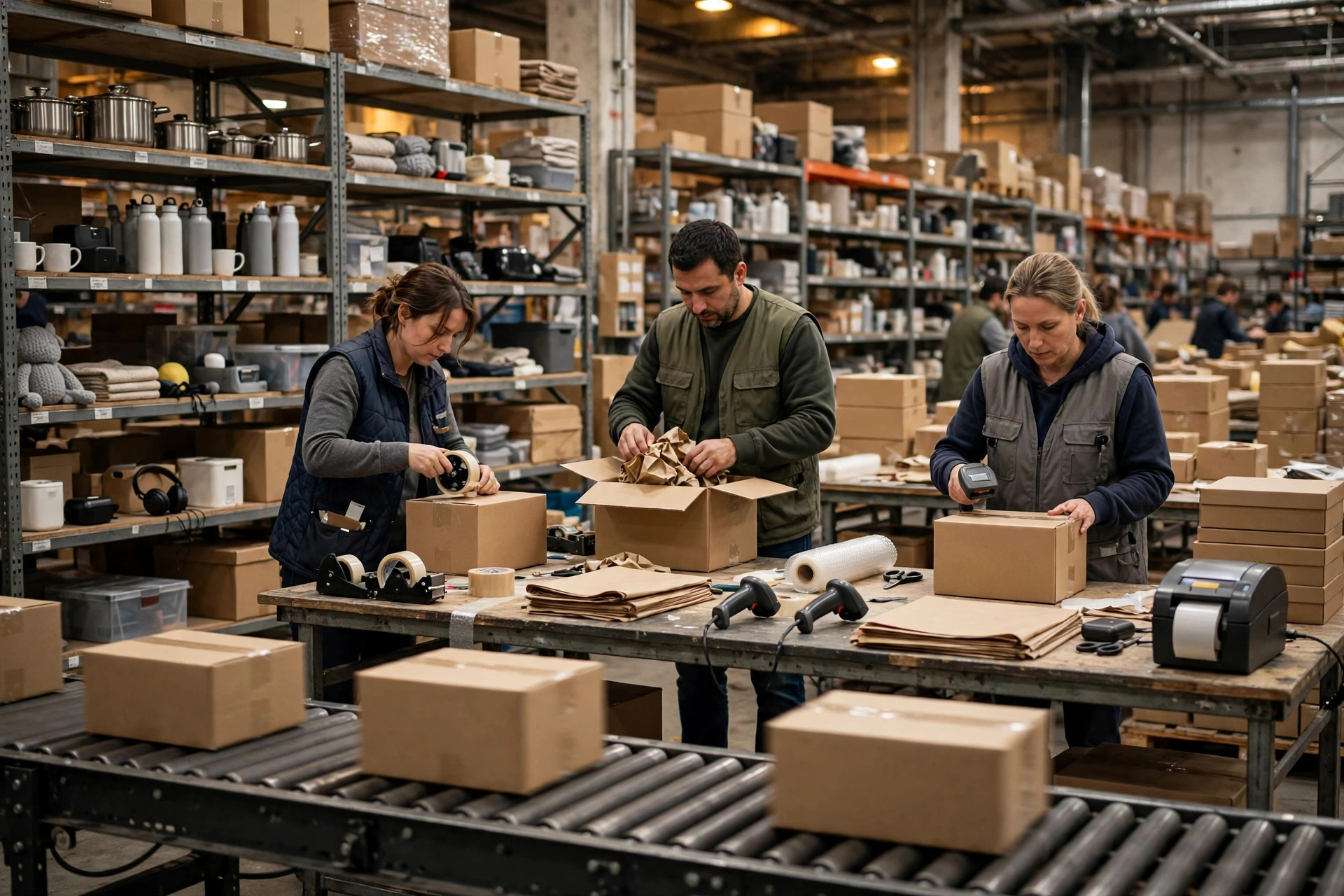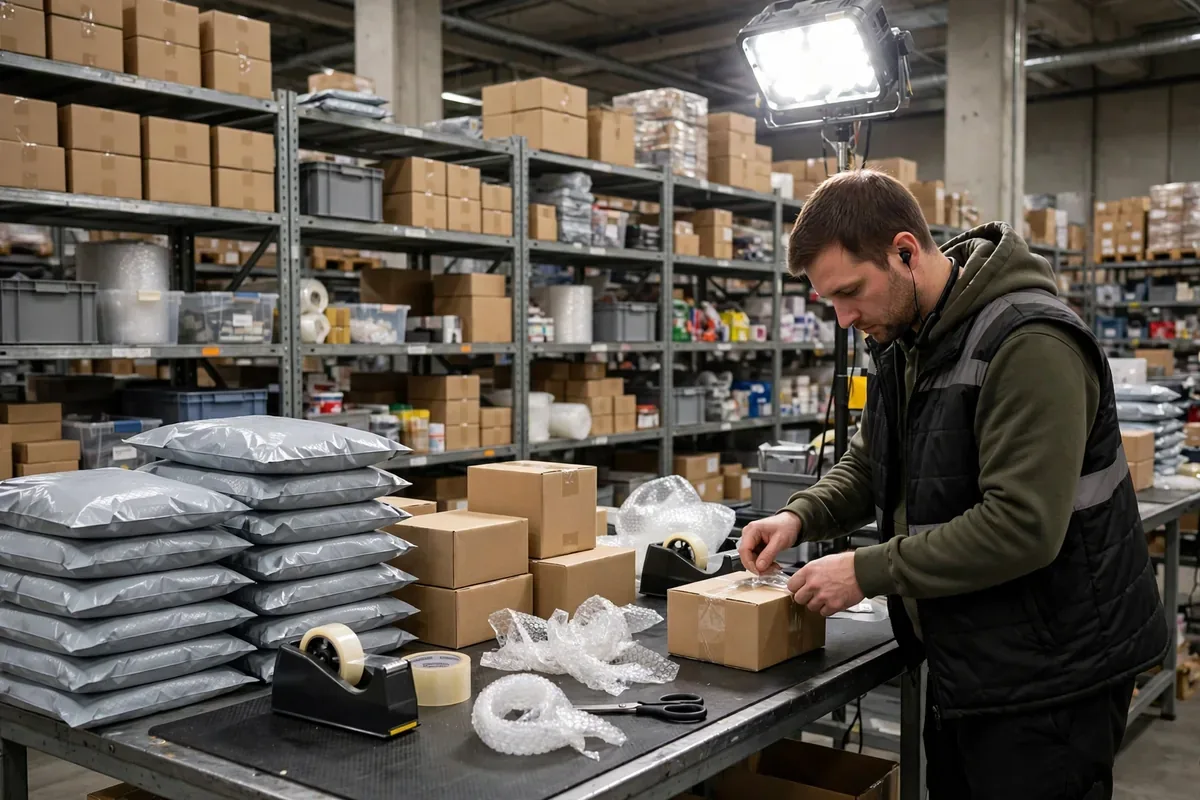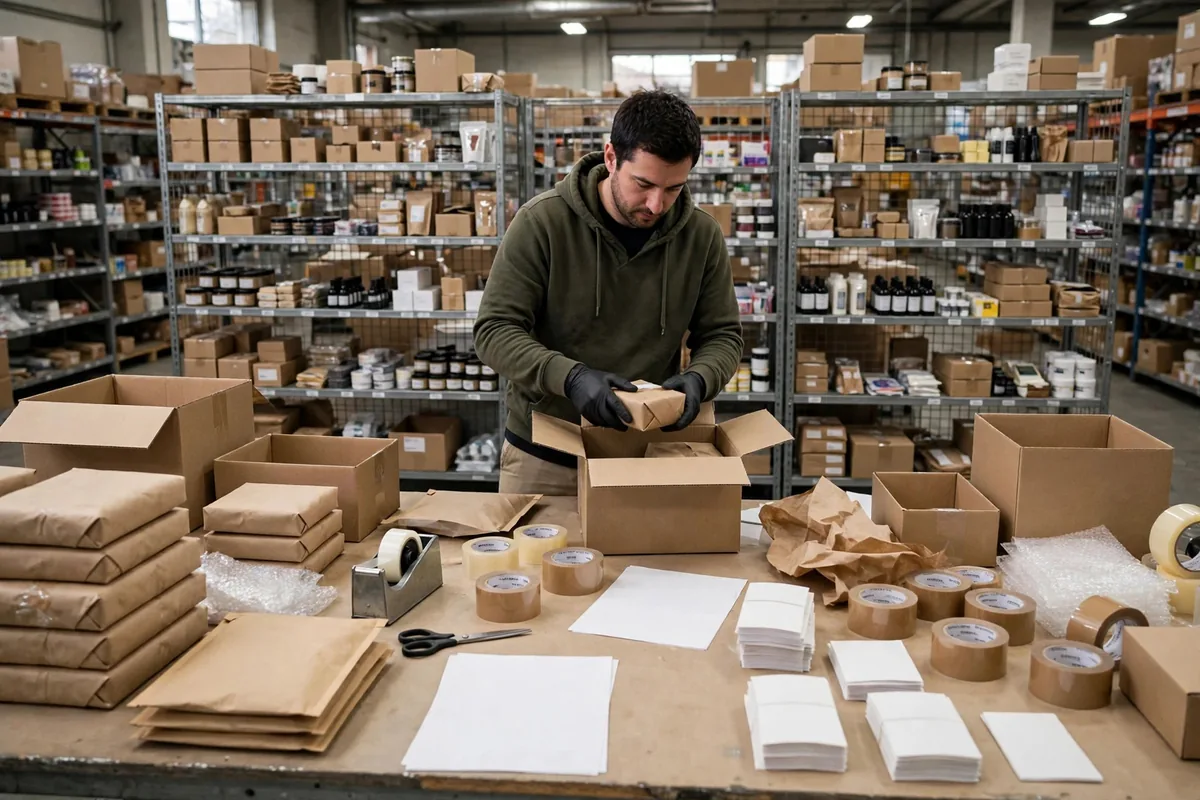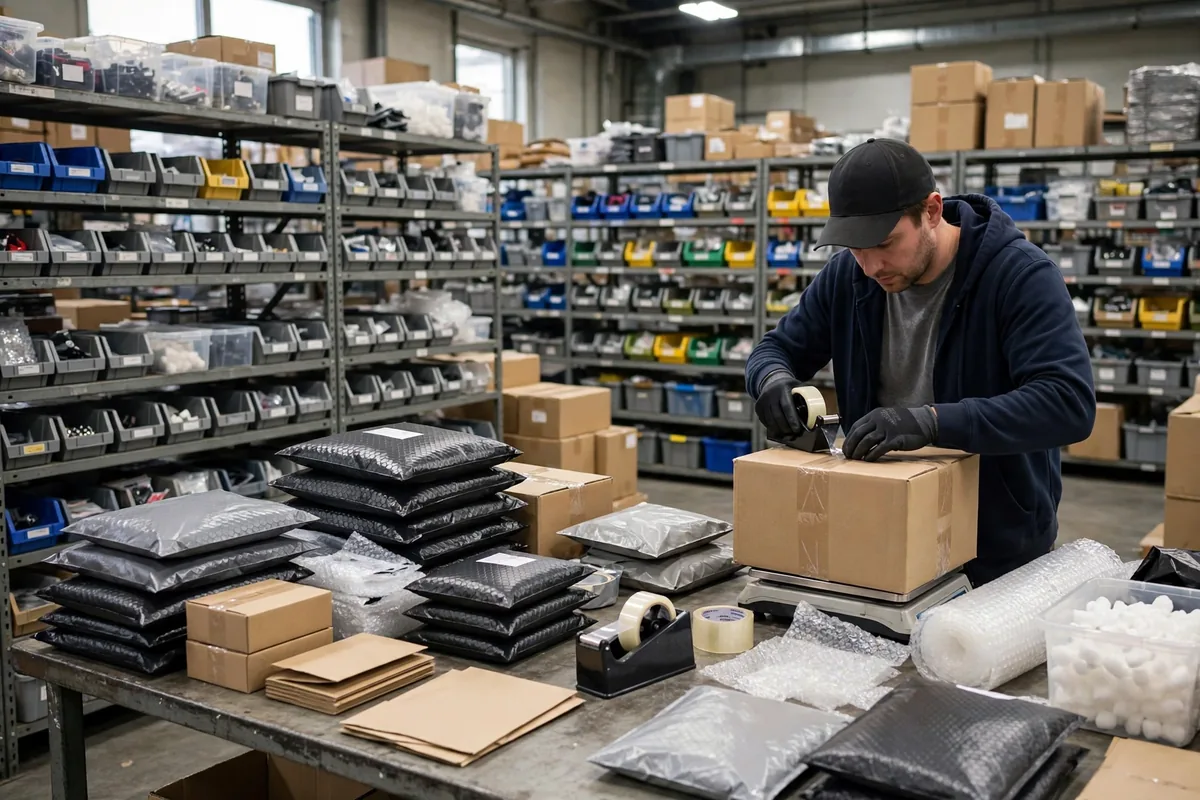
Let me be blunt: when I first switched to semi-managed, I thought it would be easy. The stock sits in my own warehouse, I ship it myself, what could go wrong? Plenty, it turns out. In a temu semi-managed fulfillment warehouse, inventory, lead time, and returns are not three separate chores. They are one tangled bill, and getting any one of them wrong drags the other two down with it.
My wake-up call came before a peak season. I sold storage boxes out of my Shenzhen warehouse, doing a few dozen orders a day, so I stocked about two weeks of cover the way I always had. Then a platform promotion hit and three days of sales wiped out my safety stock. Replenishment from the factory in Yiwu needed a production slot, and I was out of stock for a full week while the traffic was still pouring in. When the listing finally came back, I spent more on ads clawing back its ranking than I had lost on the stockout itself. That was the day I stopped stocking by average sales.
Stocking math: too little and you stock out, too much and your cash is trapped
Under a temu semi-managed fulfillment warehouse model, the inventory is yours and so is the stockout. The platform will not cover for you, and the buyer only sees two words: out of stock. That is the biggest difference from fully managed fulfillment: in fully managed, a stockout means the platform's warehouse ran dry, but in a temu semi-managed fulfillment warehouse, a stockout means your own math was wrong.
Now I break every listing into three layers. Daily sales set the normal replenishment rhythm. The last comparable promotion sets the peak I need to survive. And the cost of a stockout, meaning the ad spend and time it takes to recover ranking, tells me how much safety stock is actually worth paying for. Put those three together and stocking depth stops being a guess.
Take that storage box listing. Normal days did forty or fifty orders. Promotion days did more than three hundred. Stocking only for normal days meant empty shelves three days into a promotion. Stocking for peak levels all month meant thousands of units sitting in the warehouse after the promotion ended, cash trapped, and no budget left to tool up the next product. My fix, which I have tested and kept, is simple: hold normal cover year-round, add a separate peak top-up one week before a promotion, and stop replenishing the moment the promotion ends so inventory drifts back down on its own. No stockouts since, no dead stock either.
One trap people miss: several listings sharing one warehouse also share one packing team and one outbound dock. During peak week the packing crew cannot finish in the daytime, overtime piles up, and labor cost quietly eats the margin on every order. So the stocking question is never just "do we have enough units." It is also "can our people and our dock keep up."
| Stocking strategy | Stockout risk | Cash tied up | When it fits |
|---|---|---|---|
| Daily volume only | High, any promotion empties you | Low | Testing a new listing |
| Daily volume plus promotion buffer | Medium, an extreme spike can still break it | Medium | Mature listings with planned promotions |
| Peak-level stock all the time | Low | High, dead stock in slow weeks | Strongly seasonal bestsellers with cheap storage |
There is no universally right row in that table. A testing-stage listing that over-stocks is burning money, and a mature listing that stocks out is burning ranking. The stage of the listing decides which math applies.
Lead time math: your semi-managed warehouse has to keep the promise you made
The second sum is lead time. Platform rules change, so I will not quote specific time limits here, and you should always check the platform's latest policy before you act on anything in this article. What does not change is this: the promise is yours to keep, and your warehouse and your carrier are the ones keeping it.
A seller I know in Yiwu sells small accessories, low price, huge volume. He picked the cheapest shipping option he could find, reasoning that buyers of cheap goods would not mind waiting. Returns and bad reviews climbed together, and his customer service team spent every day answering "where is my order." The money he saved on freight went straight into refunds and support hours. When he switched to a faster, steadier carrier, freight per order went up slightly, but returns fell, reviews improved, the listing held its weight, and the whole business made more money. That is the counterintuitive part of lead time math: the cheapest freight option is often the most expensive option in total.
My own rule is to tie carrier choice to product tier. Small, light, low-price goods where buyers are not time-sensitive can go the economy route. Bulky goods, higher-priced goods, or anything pushing volume during a promotion need lead time with slack built in. And the warehouse needs a hard daily cut-off: orders before a fixed hour ship today, orders after it roll to tomorrow, matched to the carrier's pickup time. Set the cut-off too late and the packing team works overtime every night. Set it too early and buyers wait longer for dispatch. My warehouse runs one fixed afternoon cut-off, no exceptions, and the driver knows to collect at that hour. Nobody has to improvise.
One more warning: do not switch carriers right before peak season. A carrier that performs well for you all year can still choke in peak week, and a carrier you have never worked with is more likely to fail exactly when volume spikes. In semi-managed fulfillment, where lead time is counted against you, reliability beats cheapness almost every time.
Returns math in semi-managed fulfillment: goods that come back are a second business, not trash
The third sum is the one most sellers ignore: returns. Plenty of sellers calculate profit only on goods that stay sold, as if returned goods simply vanish from the books. Under semi-managed, returns come back to your own warehouse. Handled well, they are a second sale. Handled badly, they are pure loss.
Every return in a temu semi-managed fulfillment warehouse goes through three gates in your own building, with no platform team sorting them for you and no platform covering the labor. In my warehouse, those gates are: First, inspection: can this unit be sold again? Second, refurbishment: how much labor do new packaging, cleaning, and relabeling cost? Third, relisting: at what price, and on which listing, does it go back on sale? I keep a separate corner and a simple log for returns, and every return gets its reason recorded: wrong size, quality problem, or buyer simply changed their mind. The reason decides the treatment. A size-driven return can often be resold once the size chart is fixed. A quality problem has to go back to the factory or be scrapped, because reselling it just buys a second bad review.
The practice that actually moved the needle for me is same-day returns triage. Returns that arrive today get sorted today. Units fit for resale go back on sale today. Units that cannot be sold get a decision today. Leave them a week and the packaging gets damp, small parts go missing, and goods that could have been resold turn into waste. The longer returns sit, the more they cost. I have seen this play out too many times to doubt it.
And here is a judgment that surprises people: a listing with a high return rate is not necessarily a bad listing. Some categories just have high returns built in, like apparel, where buyers order two sizes and keep one. For those listings, the job is not to force the return rate to zero. It is to build the cost of handling returns into the price, so that "returned and resold" becomes part of the normal flow. The listings to worry about are the opposite kind: low return rate, but every single return is brutally expensive to handle, like large furniture, where one return's freight and refurbishment can wipe out ten orders of profit.
Add the three sums together and semi-managed comes down to one idea: the platform hands you control, and control has a price. Stocking, lead time, and returns each need a number you actually track in your own warehouse. Do not wait until the platform bill and a wave of buyer complaints arrive together to discover you have been making money on a sloppy ledger. This trick I tested myself: spend half an hour every week reviewing the three ledgers. It beats any growth hack I have tried.
By Ah K, E-commerce Seller (5 yrs)