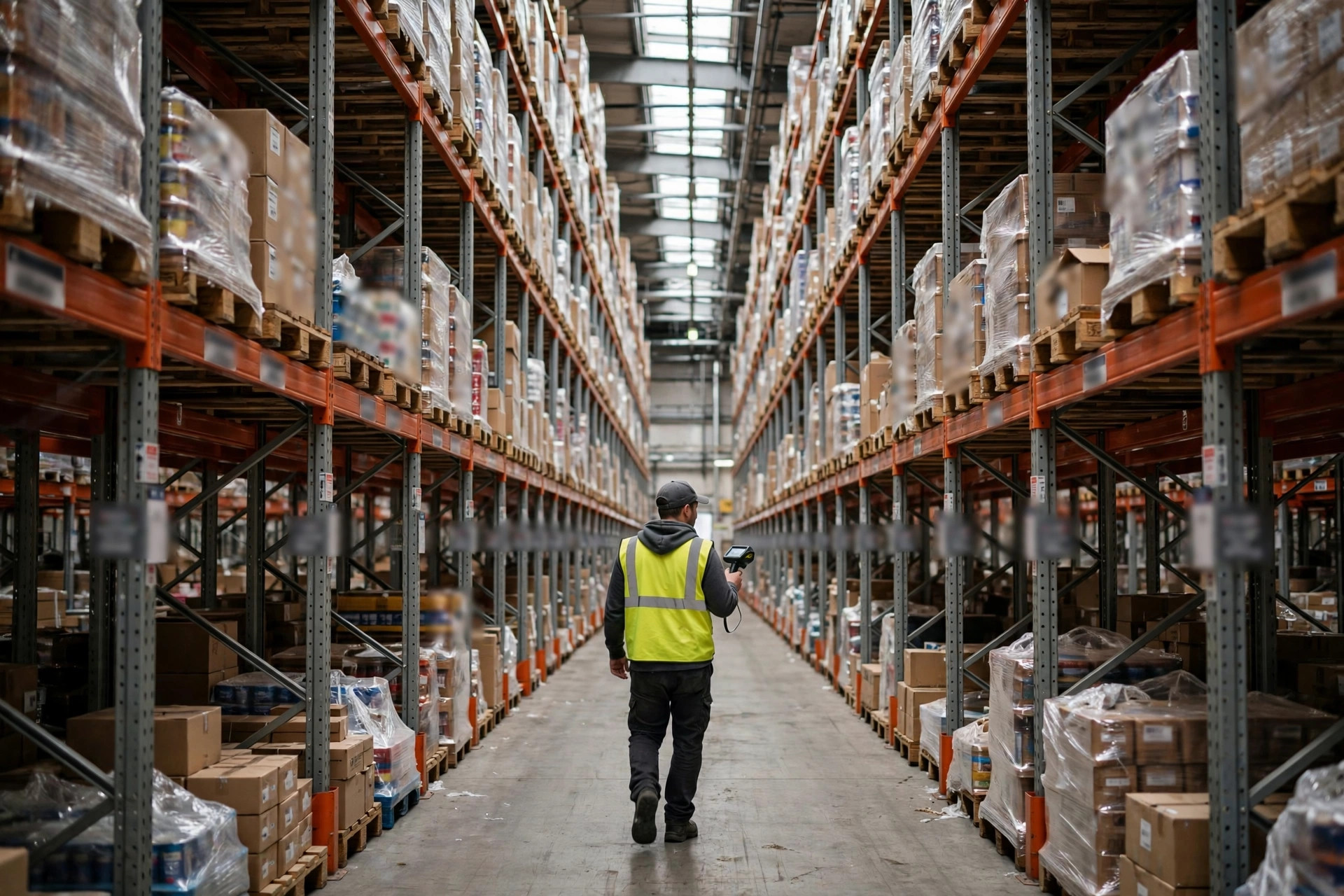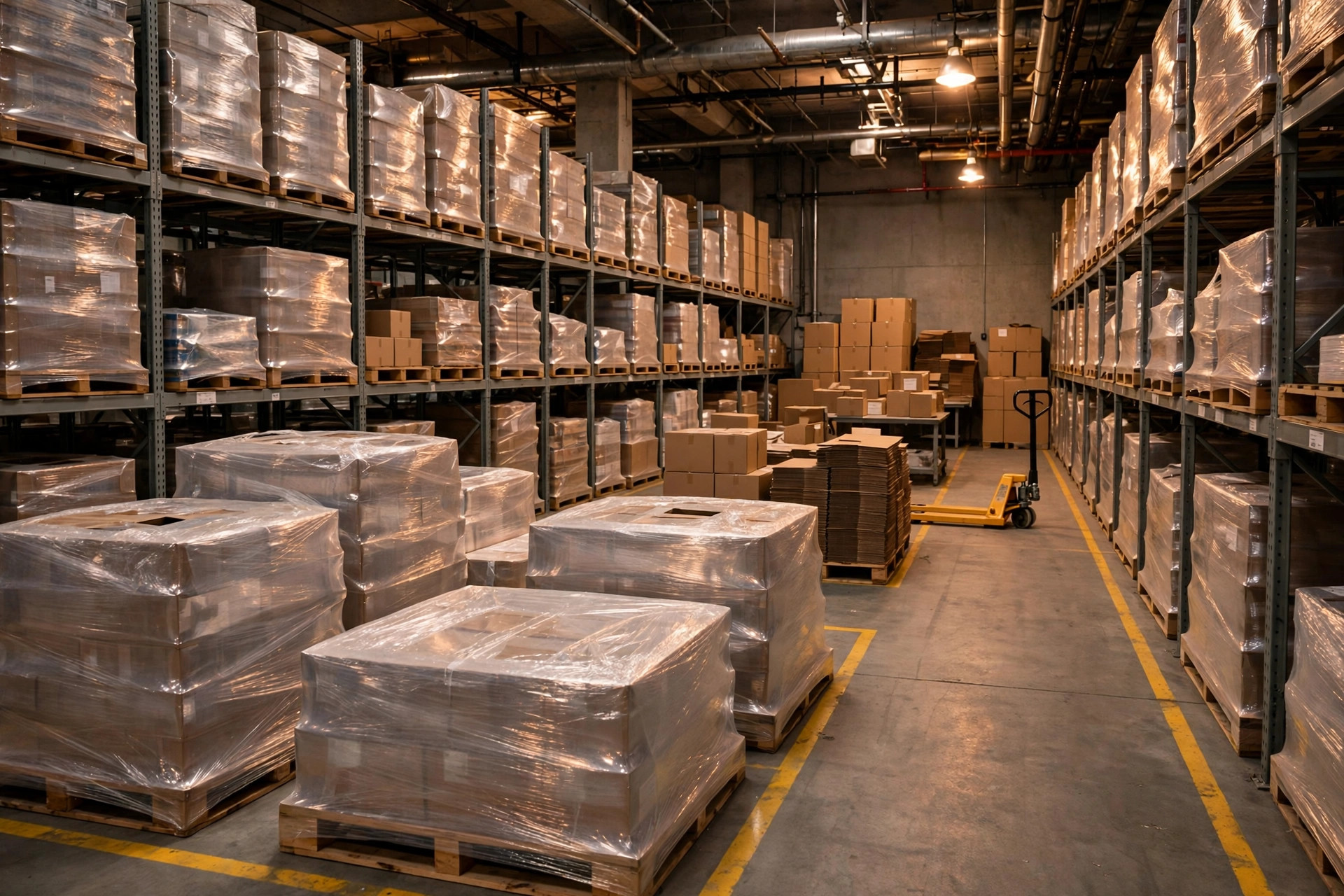
My warehouse is 5,000 square feet. On paper that sounds fine. In practice, it's one big room where receiving, storage, and packing all happen at once — like three roommates sharing a studio apartment and all trying to cook dinner at the same time.
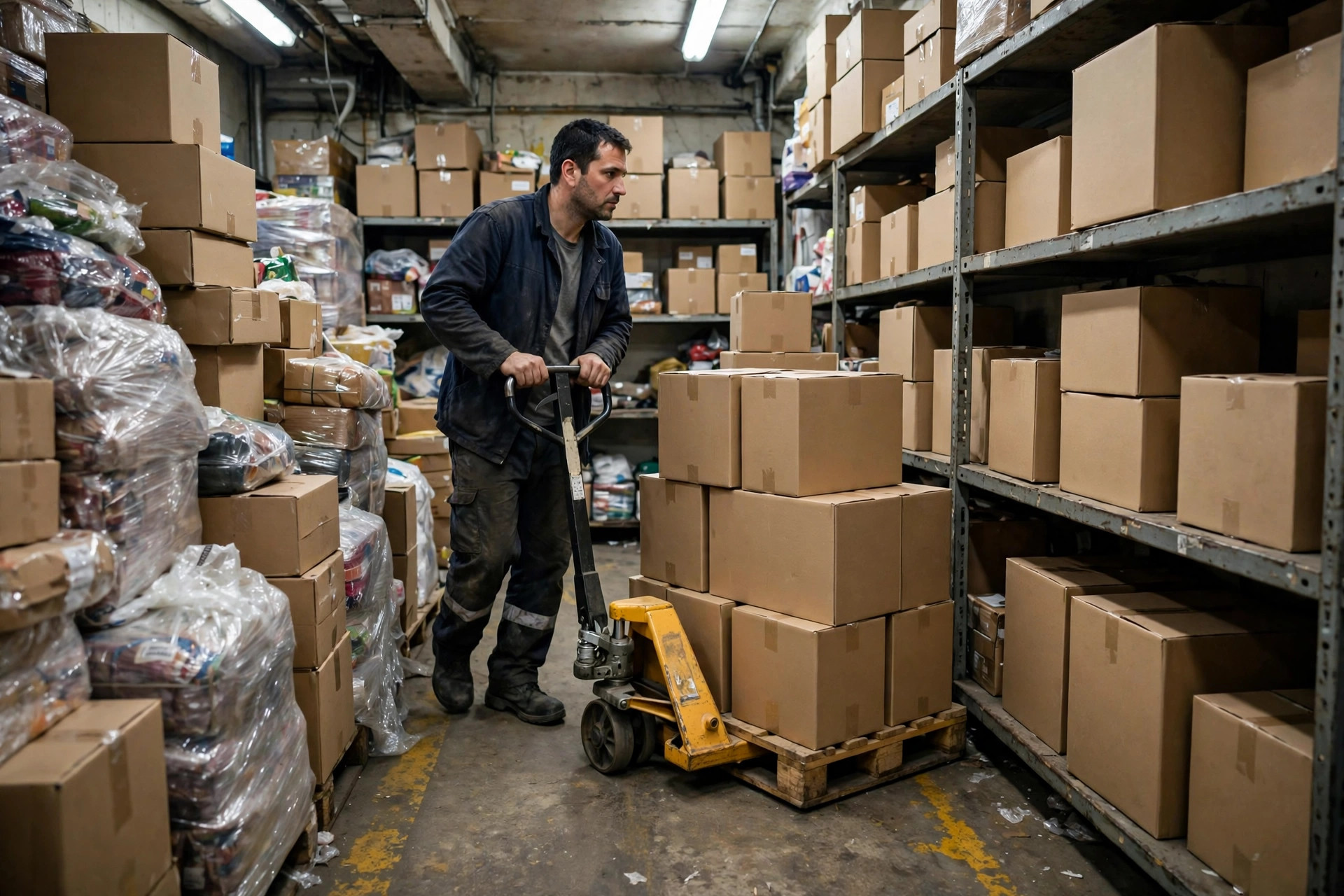
The worst of it was last August. Midday, a 53-foot dry van sitting at the dock door. Chen, my receiving guy, pushing a loaded pallet jack inward; Xiao Li from packing rushing outward with a stack of cartons. They met at the corner. Cartons went flying, the pallet load leaned sideways, and the two of them just stood there staring at each other. That was the day I decided: separate the three zones, or this warehouse was going to hurt somebody.
We're a team of five, me included. Every morning started with a half-hour treasure hunt — the pick ticket says the goods are in zone A, you walk over, and yesterday's receiving pallets are still blocking the aisle. Packing had it worse: during the afternoon rush, outbound cartons piled up until Xiao Li had to move boxes just to reach his own pack table. It wasn't a warehouse; it was Tetris at level 99.
The Big-Company Playbook Was Never an Option
I did ask around about proper flow optimization. A consulting firm quoted me $15,000 just for a simulation study. A conveyor system? Six figures. I did the math in my head — that's half a year of rent. We small warehouses can't burn money like that.
So I set three cheap rules for myself: freight moves one way and never doubles back; the three zones get physically separated, even if it's just a line of tape; and the fire lane stays empty — my landlord warned me once, and the lease lets him fine me for blocking it. I don't argue with landlords.
The $200 Fix: Tape, Signs, and a One-Way Loop
The method is almost embarrassing to describe: a few rolls of colored floor tape plus some handwritten location signs (yes, handwritten). One weekend. Under $200 total. The whole warehouse got re-zoned.
Here's how the zones work:
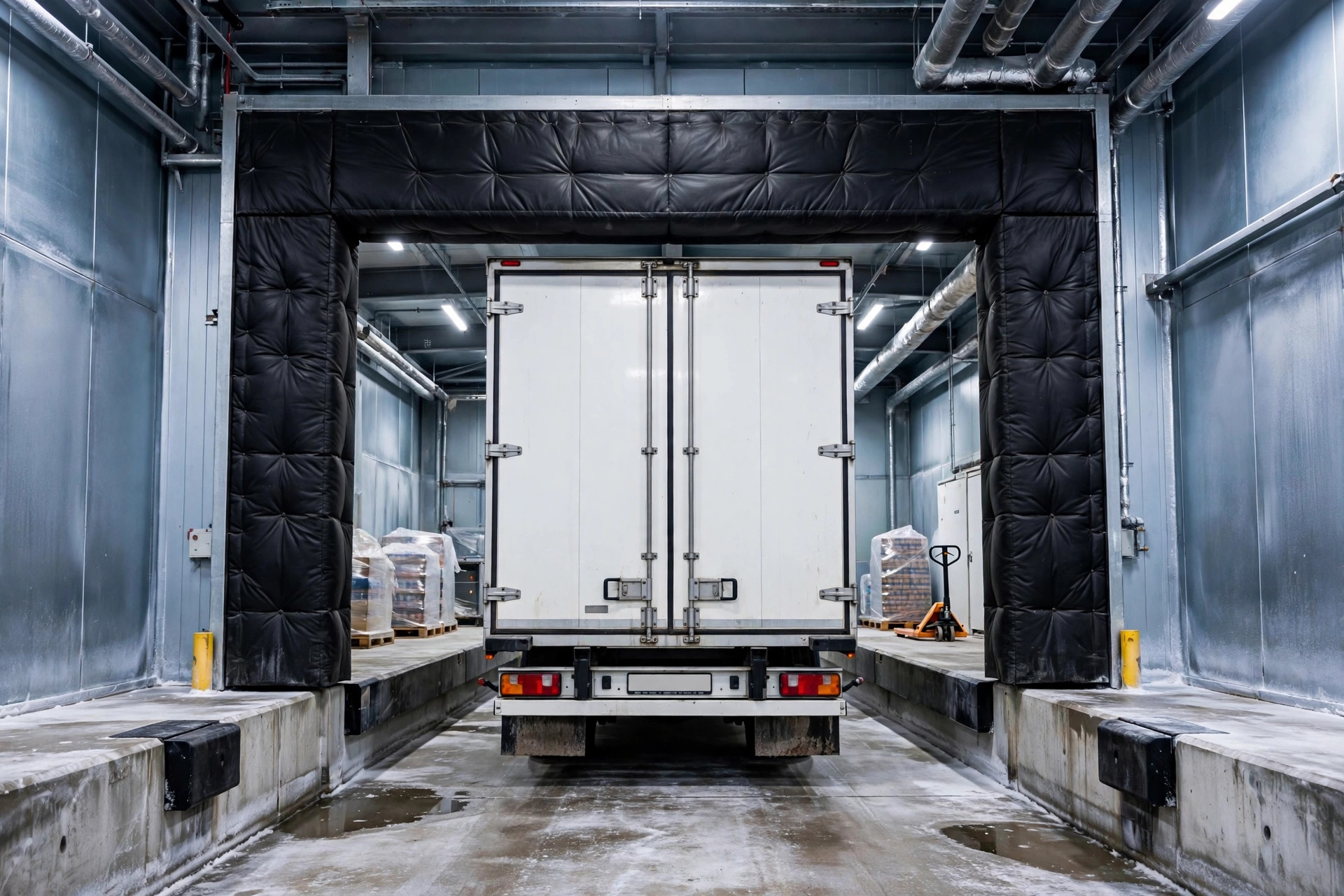
Receiving gets the yellow line, right by the dock door. Everything unloaded lands here, and there's a house rule: it clears within 24 hours — shelved or moved on. No overnight squatting. Receiving used to be a black hole where freight went in and never came out. Now the yellow line is an eviction notice.
Storage gets the blue line, in the middle. ABC slotting: A-movers on the two rack rows closest to packing, B in the middle, C shoved to the far end. This wasn't gut feel — I exported three months of pick tickets, summed picks per SKU, sorted them, and the top 20% became A. Dumb, tedious work. Trust the tickets, not your gut.
The signs were just as cheap: A4 paper folded in half, zone-row-level written in marker, laminated, hung on the rack. Pennies apiece, and nobody picks from memory anymore.
Packing gets the green line, at the far end. Pack tables, consumables, staging — all inside. Receiving pallet jacks are not allowed in. Inside the green line, it's the packers' territory.
The flow is a one-way U: in through the dock door → through storage to put away → pick from storage → pack → out the side door. Anyone going the wrong way is visible to the entire floor. That's the beauty of the cheap fix: the cost of breaking the rule is embarrassment, and embarrassment works better than fines.
The side door used to be a fire exit, permanently locked. We got the landlord's approval to add a roller shutter and turned it into the outbound door — separate in from out, and the loop finally closed.
What Changed After the Zones Stopped Fighting
The obvious part first: Chen and Xiao Li haven't collided since. Wasted walking dropped a lot — we did a rough check with phone step counters, about 2 km less per picker per day. That doesn't sound like much until you multiply it by 200 picks a day. It adds up to real labor.
Mispicks dropped too. The classic error was grabbing a slow-moving B-item that looked like the A-item bestseller — similar packaging, nearby slots, a picker in a hurry. After the re-zone, A and B sat two rack rows apart, and that mistake basically vanished.
Then came last November's pre-Thanksgiving surge. Freight everywhere, and old habits said "stack it in the fire lane." The landlord happened to walk through during an inspection and warned us on the spot: the lease allows fines for blocking it. After that we drew the fire lane in red tape with one house rule: whoever stacks there buys bubble tea for the whole warehouse. A year later, the red zone is still spotless — not even a cardboard corner.
I once laid the three options side by side, and the math was clarifying:
| Option | Cost | Time | Result |
|---|---|---|---|
| Tape zoning + one-way flow | Under $200 | One weekend | Zones stopped fighting; mispicks dropped |
| Mid-range: extra mobile racks + electric pallet jack | ~$8,000 | Two weeks | More capacity, but the flow problem stayed — collisions continued |
| Big-company: simulation + conveyor + WMS | $100k+ | Months | Great results, but at our volume the payback math never closes |
Here's the counter-intuitive part: in a small warehouse, the real enemy isn't travel distance — it's collisions. Fancy simulation software shaves seconds off each pick path. Our biggest waste was two people stuck in an aisle waiting for each other to move — minutes gone, several times a day. Congestion costs more than distance. Fix the fighting first; worry about speed later. Get the order wrong and the money is wasted.
Straight Talk for Fellow Small-Warehouse Owners
First, tape before racks. Misplaced tape peels off; a wrong rack is a painful return. Zoning is a thinking problem, equipment is a spending problem — think first.
Second, don't copy textbook ABC. Tally your own pick tickets. My A-items look nothing like the warehouse next door's, and copying their homework won't buy you efficiency.
Third, one-way flow is the floor, not the ceiling. Even if all you can draw is a circle, make freight move in one direction. A two-way aisle is just a collision waiting to happen.
Fourth, re-zone on a schedule. We spend half a day every quarter peeling tape and re-laying it — the product mix changes, so the flow has to change too. A frozen layout goes stale in six months. We re-slotted once in Q2 this year: a new client's goods became A-items, the old A-items dropped to B, and we swapped two rack rows in three hours. Pick efficiency bounced back the next day.
Six months in: packing never got buried by receiving again, and mispicks fell from a dozen-plus a month to single digits. No big spend — just tape and a few house rules.
We can't outspend the big players. But we can outlast them — one roll of floor tape at a time.
By Xiao Ma, Small Warehouse Owner