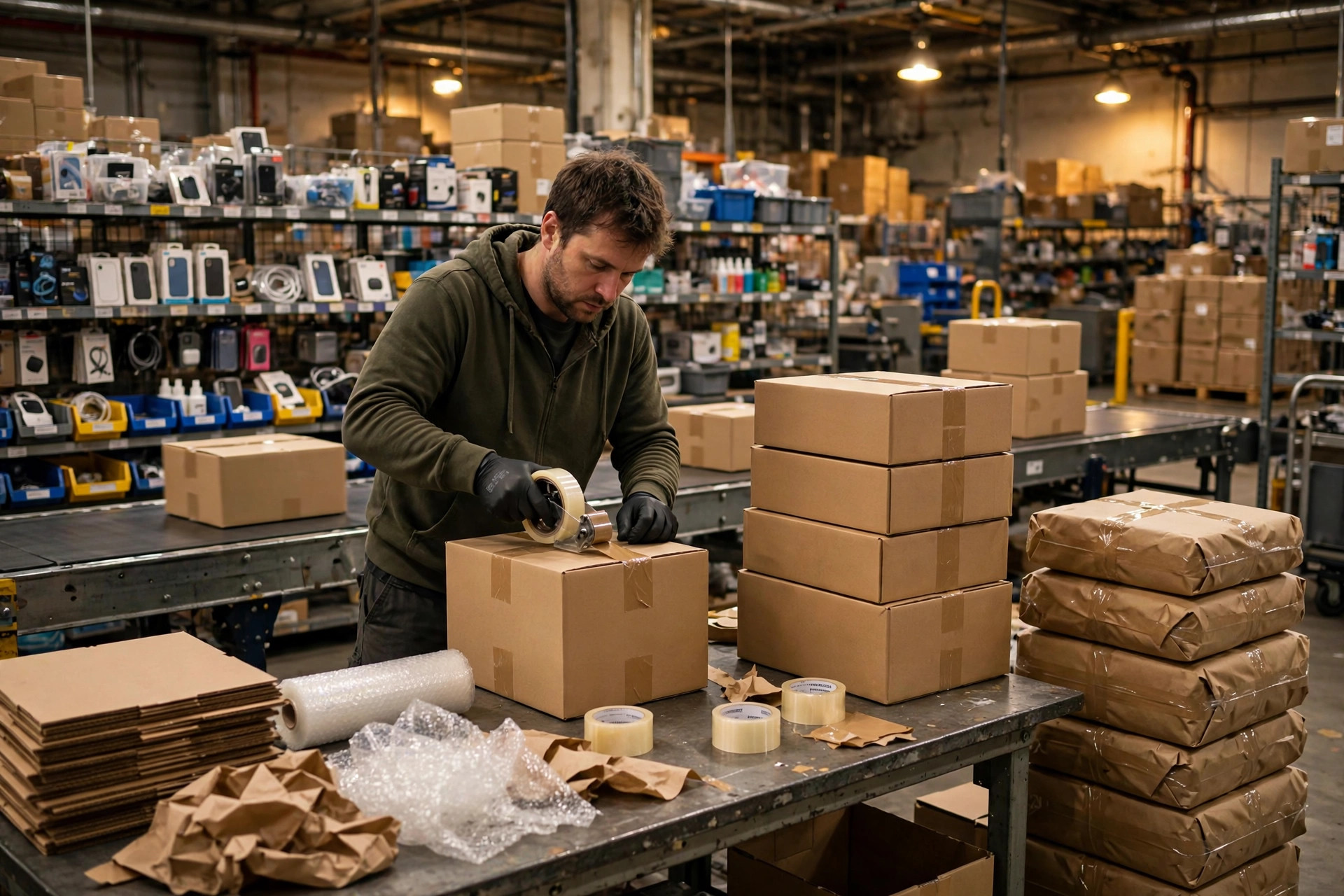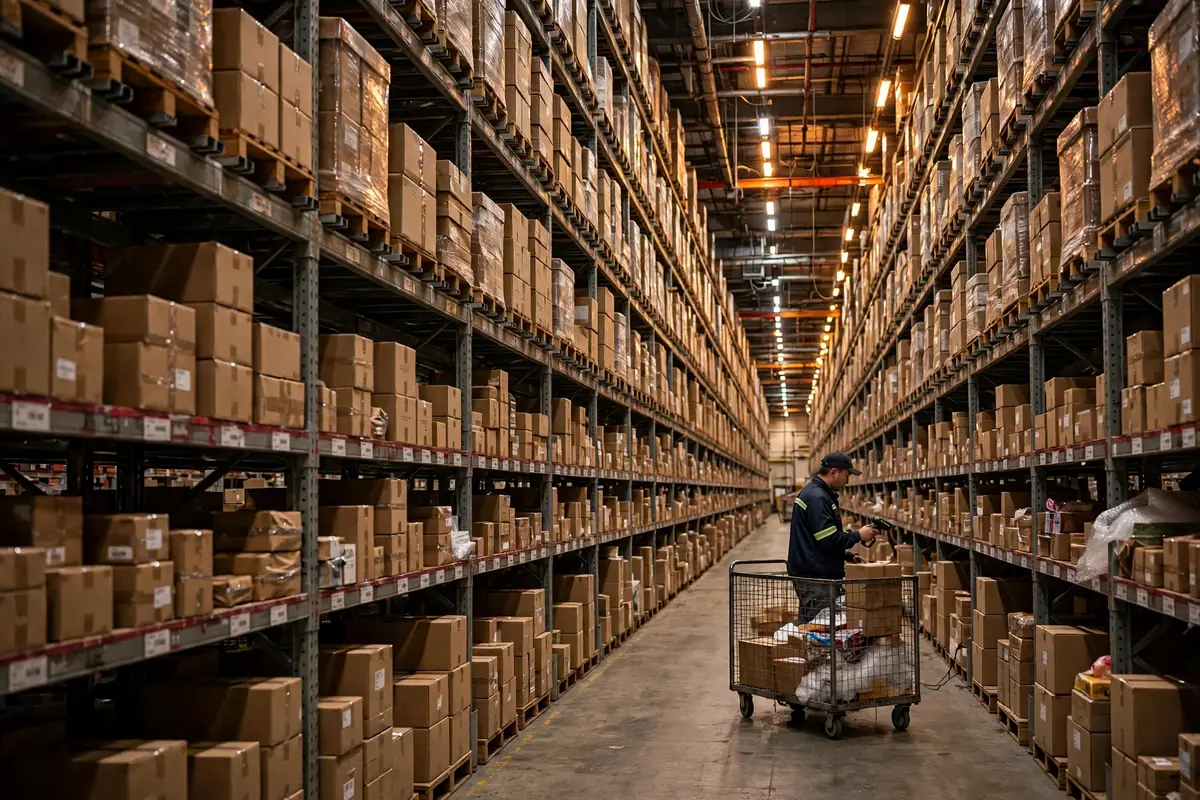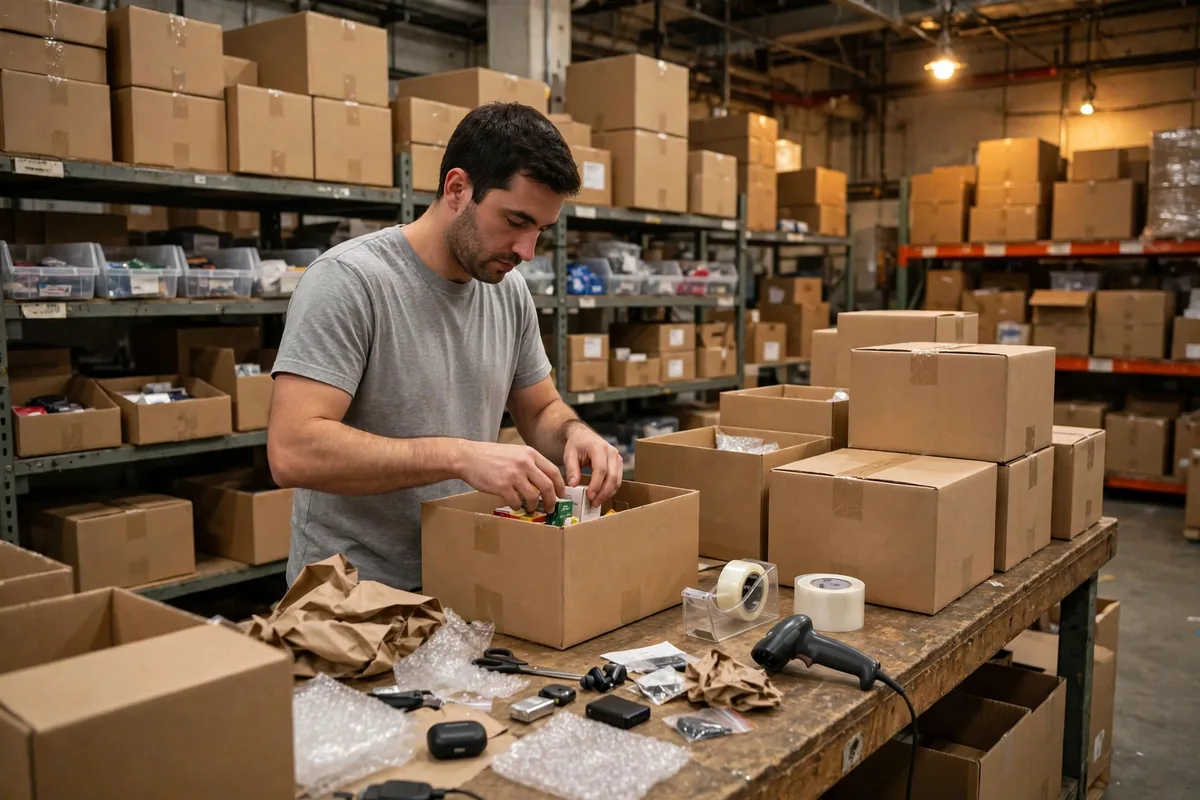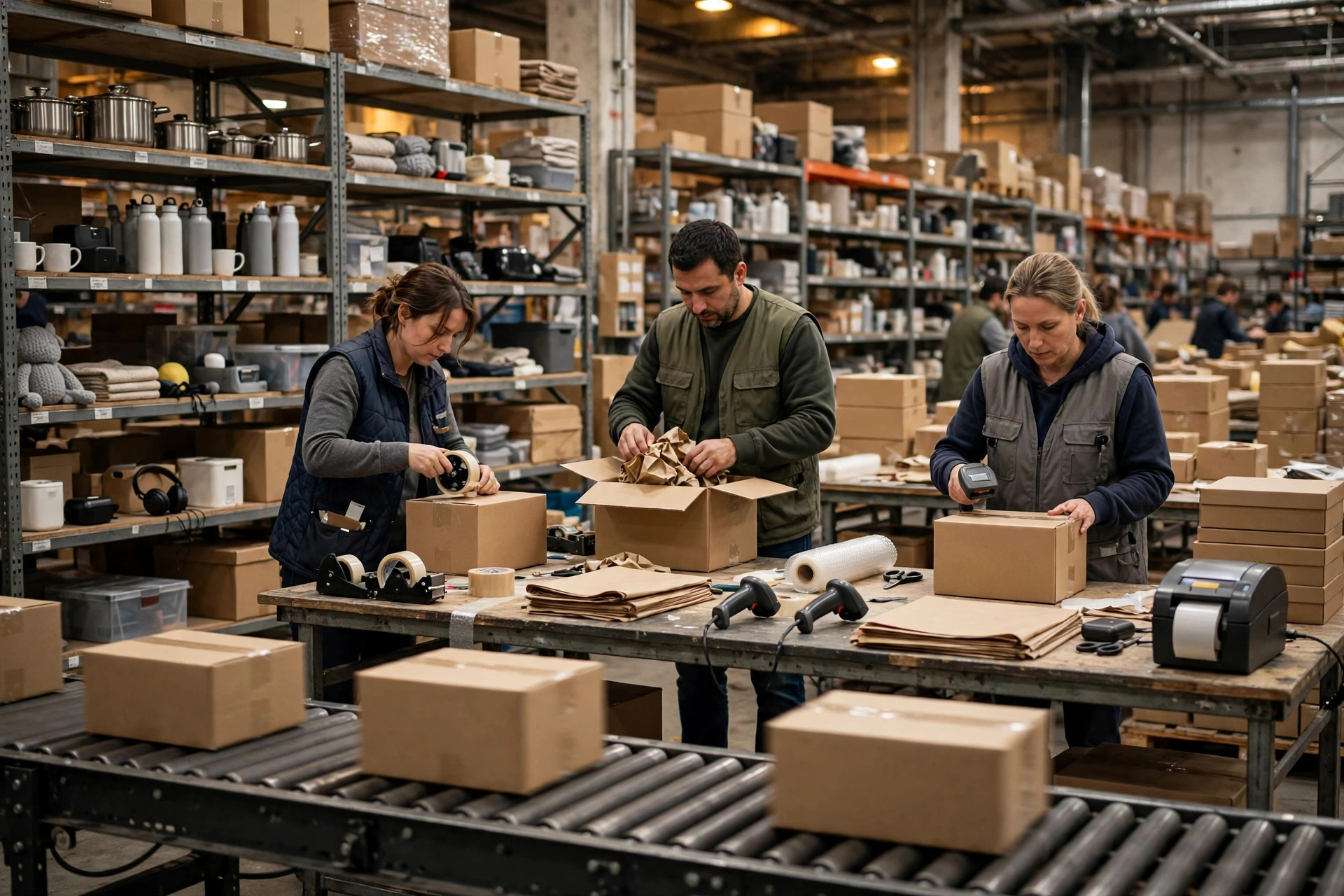
Festival season means one thing for sellers: shopee overseas warehouse stocking done under pressure. Every season I complain about the platform, and then I complain about myself. The rules shift, traffic arrives in a rush and leaves just as fast, and sellers sit in the middle. Stock too much and your cash is locked in a warehouse. Stock too little and you run out on the one day it matters. Both ways hurt, and I have done both, more than once.
Let me give you my background so you know this is not theory. I have sold into Southeast Asia for years, and festival peaks are the biggest swings in my calendar. One year I looked at a strong previous month and stocked double that volume for the festival. Traffic split toward newer competing listings, my hero product sold only about half of what I had stocked, and the rest sat in the overseas warehouse for months. Storage fees kept ticking, cash stayed trapped in inventory, and when I wanted to launch new products there was nothing left to spend. Stocking is not about bravery. Bravery just helps you fail faster.
The next year I overcorrected and stocked far too conservatively. My hero product sold out on the morning of day one, right when the listing was gaining momentum. The ranking dropped while I waited for replenishment, and by the time the new stock landed in the warehouse, the peak had passed. The replenishment then became the next slow-moving pile. When I added it up, the sales lost to the stockout were far larger than the storage cost of stocking a little more. After that, my rule changed: first work out the highest volume I can realistically sell, then work out the lowest volume I can afford to lose on, and stock somewhere in between, leaning toward the side that keeps me in stock.
Mistake One: Doubling Last Month in Shopee Overseas Warehouse Stocking
Doubling last month's sales is the easiest formula and the easiest to get wrong. A strong month might mean there was little competition at the time, or a platform promotion happened to favour you, or a creator drove a short burst of traffic. None of those conditions are guaranteed to repeat during a festival. My fix is to split historical sales apart before I use them: how much came from organic traffic, how much from promotions, and how much from advertising. Festival stock is planned from organic sales plus a realistic promotion expectation. Advertising-driven volume gets its own flexible allowance, not a full upfront commitment.
Listing maturity matters just as much. A new listing and an established listing cannot share the same formula. A new listing has no accumulated weight, so festival traffic may arrive and still not convert at the same rate. Stock it with room to spare. An established listing has repeat buyers and saved items behind it, so it can take a bolder plan. Sellers who stock from numbers alone, without looking at the listing, are reading the fuel gauge without looking at the road.
Mistake Two: Stocking Everything and Cutting Nothing
The second way to fail is trying to stock everything. A shop with a dozen products stocks a little of each, and then every product is short: the hero runs out, the slow movers pile up, and nothing has a solid base. My approach now is blunt. Before a festival, I cut. Products with slow movement, thin profit, or high return rates either get no festival stock or only a token amount to keep the listing alive. Resources go to two or three hero products. If the heroes stay in stock, the shop has a floor to stand on.
Cutting has to respect the product mix. Heroes get full stock plus a small safety buffer. Companion products, the ones that lift basket size, get a moderate amount tied to hero volume. Traffic products, the cheap items that bring clicks, get a small amount only. Their job is to keep the listing alive, not to carry sales, and a high click count is not the same as a high conversion rate. Stock for orders, not for attention.
Mistake Three: Counting Only the Purchase Price in Shopee Overseas Warehouse Stocking
The third mistake is counting only what you paid for the goods. Once stock is in an overseas warehouse, the cost includes inbound freight, storage, and the time your cash spends sitting still. Goods that sit for an extra month mean cash that cannot turn over for an extra month, and many sellers never put that into the formula. My working method is simple: planned stock equals expected sales plus safety stock, minus stock already on the way and already in the warehouse, then adjusted down when cash is tight. When cash is tight, I would rather earn a little less than break the cash cycle.
Here is the decision framework I run before every festival:
| Product role | Stocking plan | If it sells out | | Hero product | Stock to expected sales, plus a small safety buffer | Replenish fast through a pre-arranged channel | | Companion product | Moderate stock, scaled to hero volume | Leave it out until heroes are stable | | Traffic product | Small stock, enough to keep the listing alive | Let it sell out, do not chase it | | Slow mover | No festival stock, focus on clearing old units | No replenishment, delist or clear out |
Let me put numbers on this with a real festival of mine. I changed the hero forecast from a straight doubling to the split method described above: organic sales plus a realistic promotion expectation. Total hero stock came in about a third lower than the previous year, yet the hero never sold out during the festival. Companion products sold through and closed naturally, and no new slow-moving stock was added. When the festival ended, the warehouse held far less leftover stock than in previous years, and cash came back a full cycle sooner. I did not get smarter. The formula got more honest.
A few more traps are worth naming. First, work backwards from the warehouse receiving deadline. Queues before a festival are normal, and shipping on the last day hands control to the queue. Second, calculate inbound and last-mile timing separately instead of using one vague transit time for everything. Third, review immediately after the festival: which products were overstocked, which were short, and write it down so the next plan starts from evidence rather than memory. Stocking skill is built one festival at a time, and there is no shortcut that survives contact with a real peak.
Advertising and stocking also have to move together, not on separate spreadsheets. During a festival I concentrate ad spend on hero products and let companion products ride on hero traffic rather than burning their own large budgets. If advertising lifts sales sharply on the day, the replenishment channel has to be ready before the stockout, not discovered after it. If advertising does not lift sales, I check whether the problem is traffic or the listing itself before chasing more stock. Stocking, advertising, and replenishment belong on the same sheet, or they will work against each other.
Festival stocking comes down to three clear numbers: how much you can actually sell, how much you can afford to get wrong, and how many cash cycles you can protect. Spend half a day running that table before the festival, and it will save you a month of clearance afterwards. This one I have personally tested and it works.
By Ah K, E-commerce Seller (5 yrs)