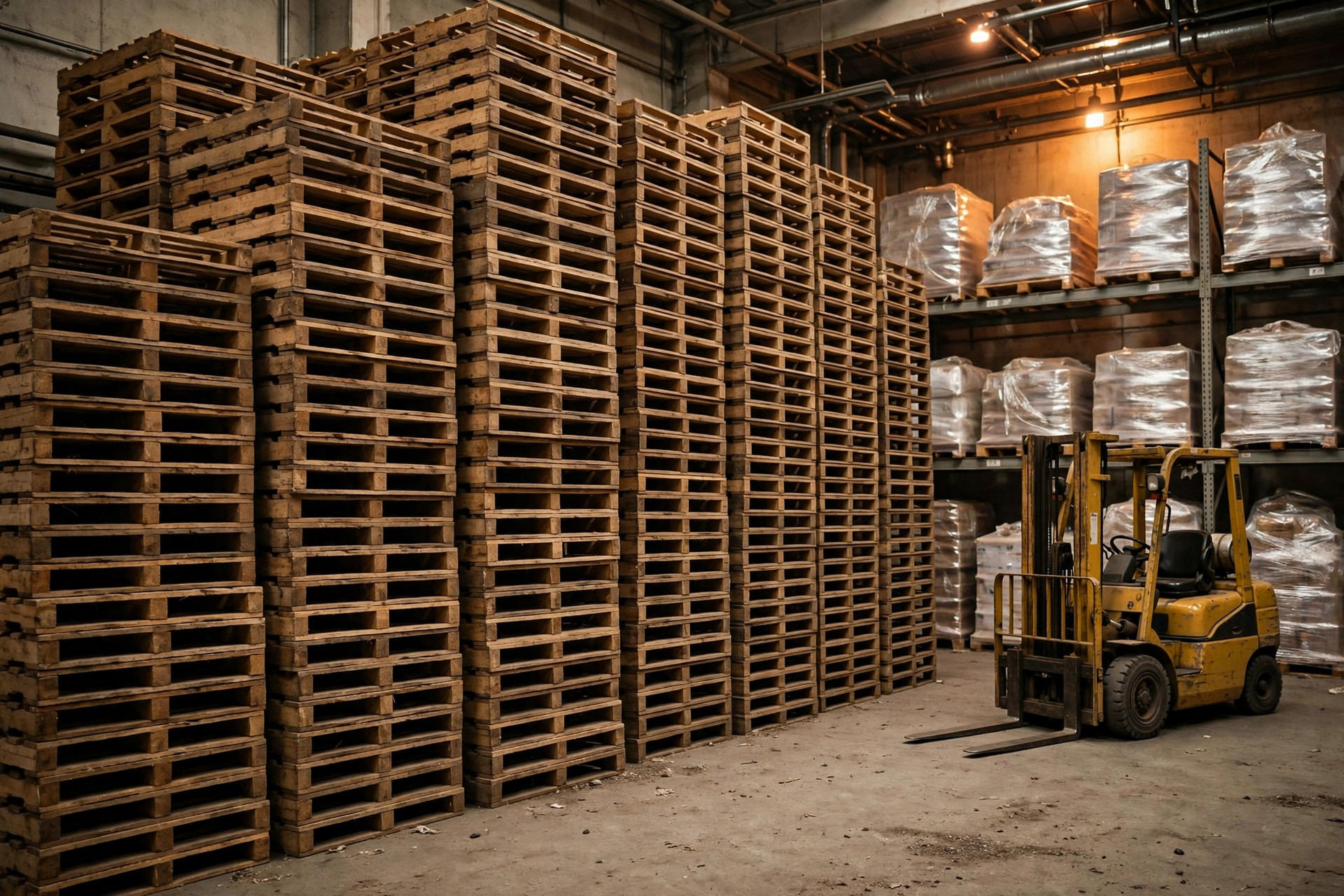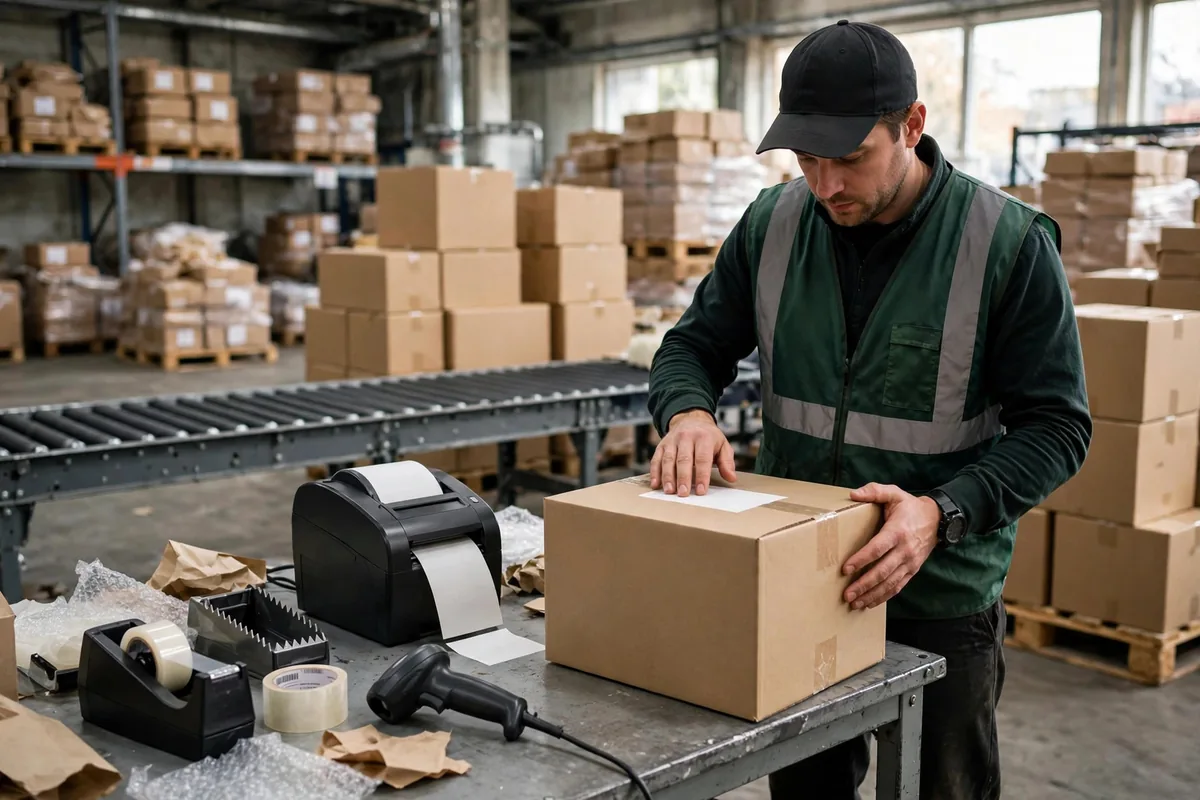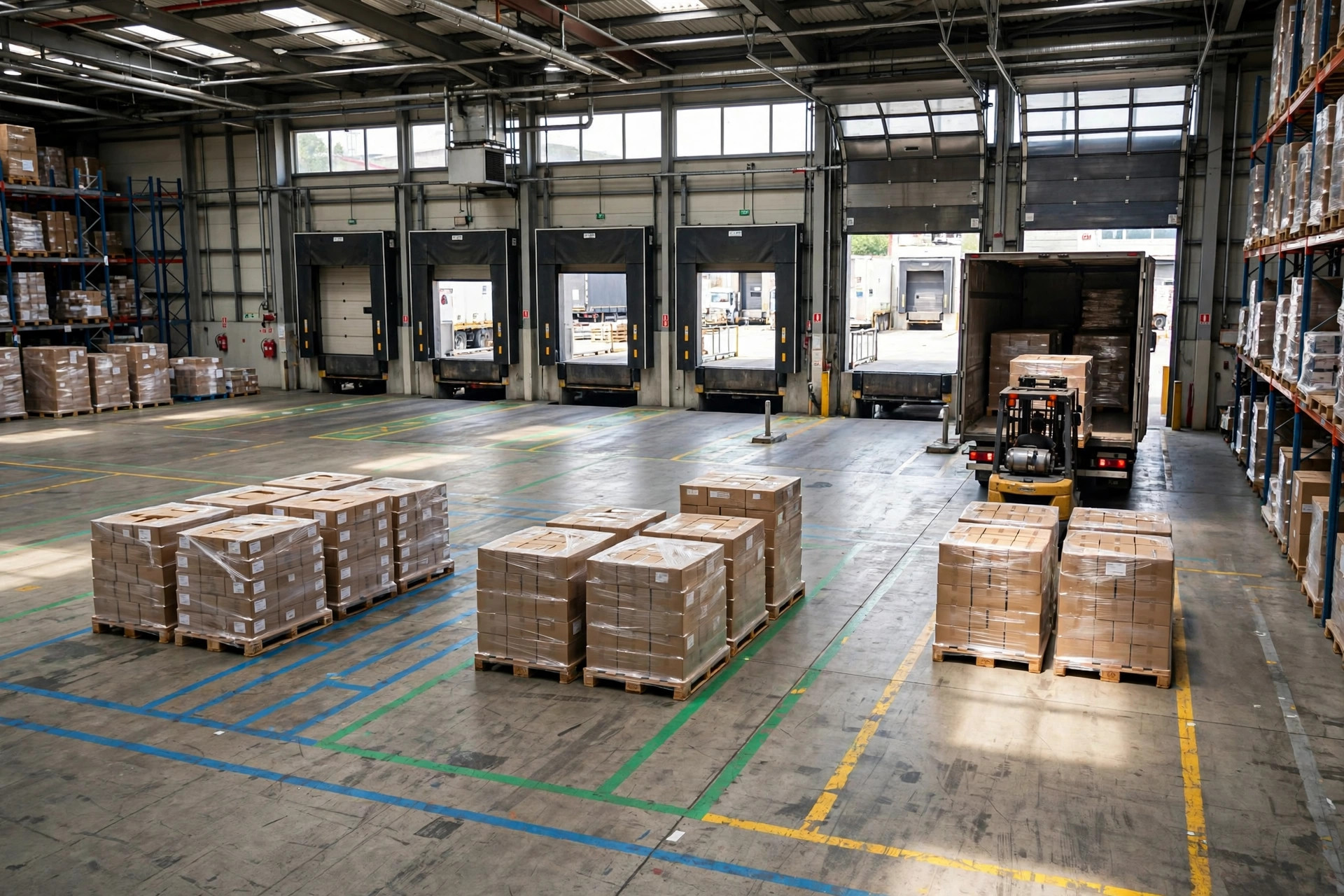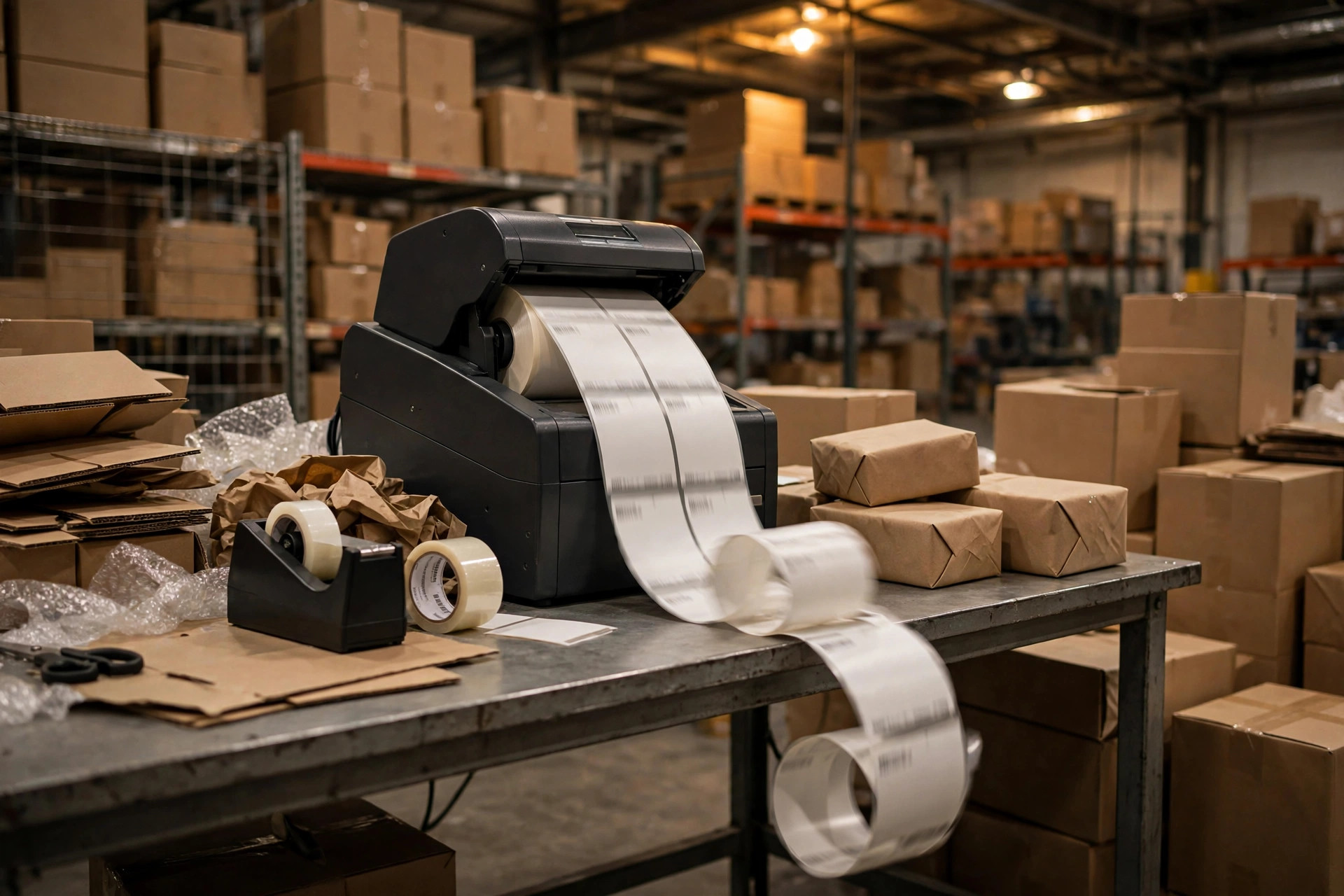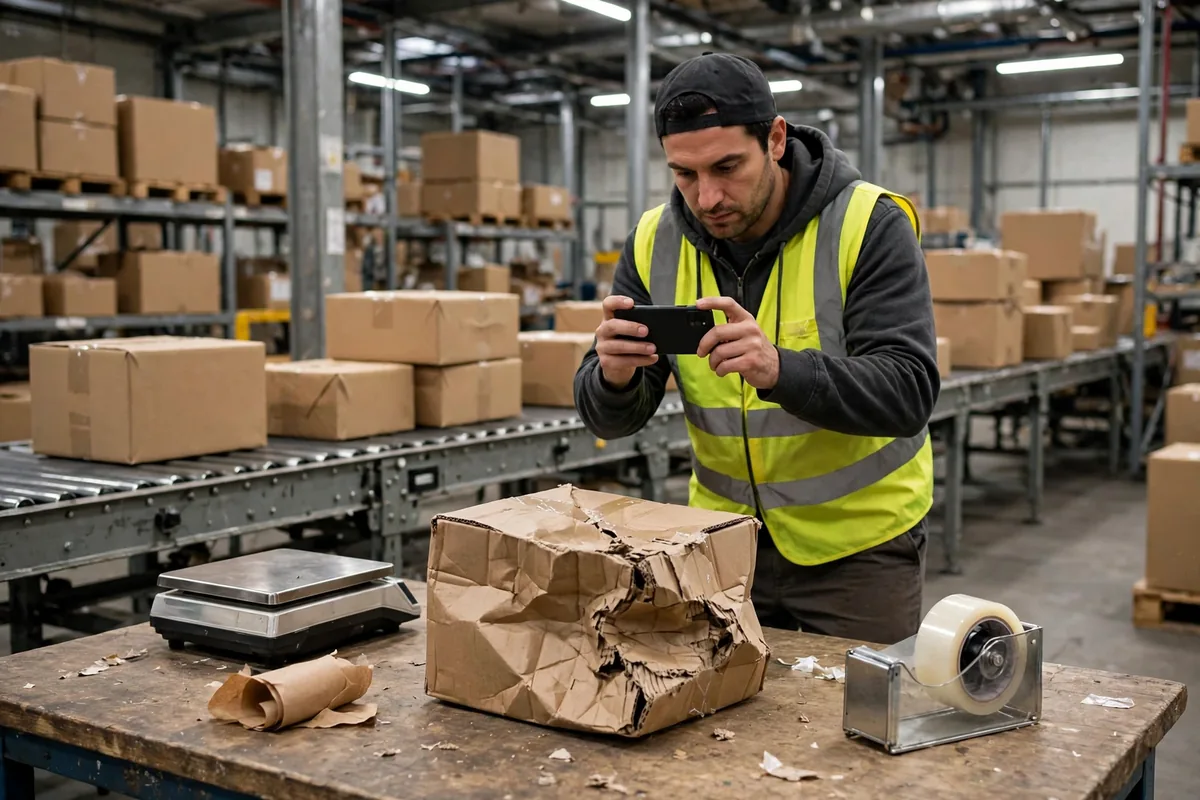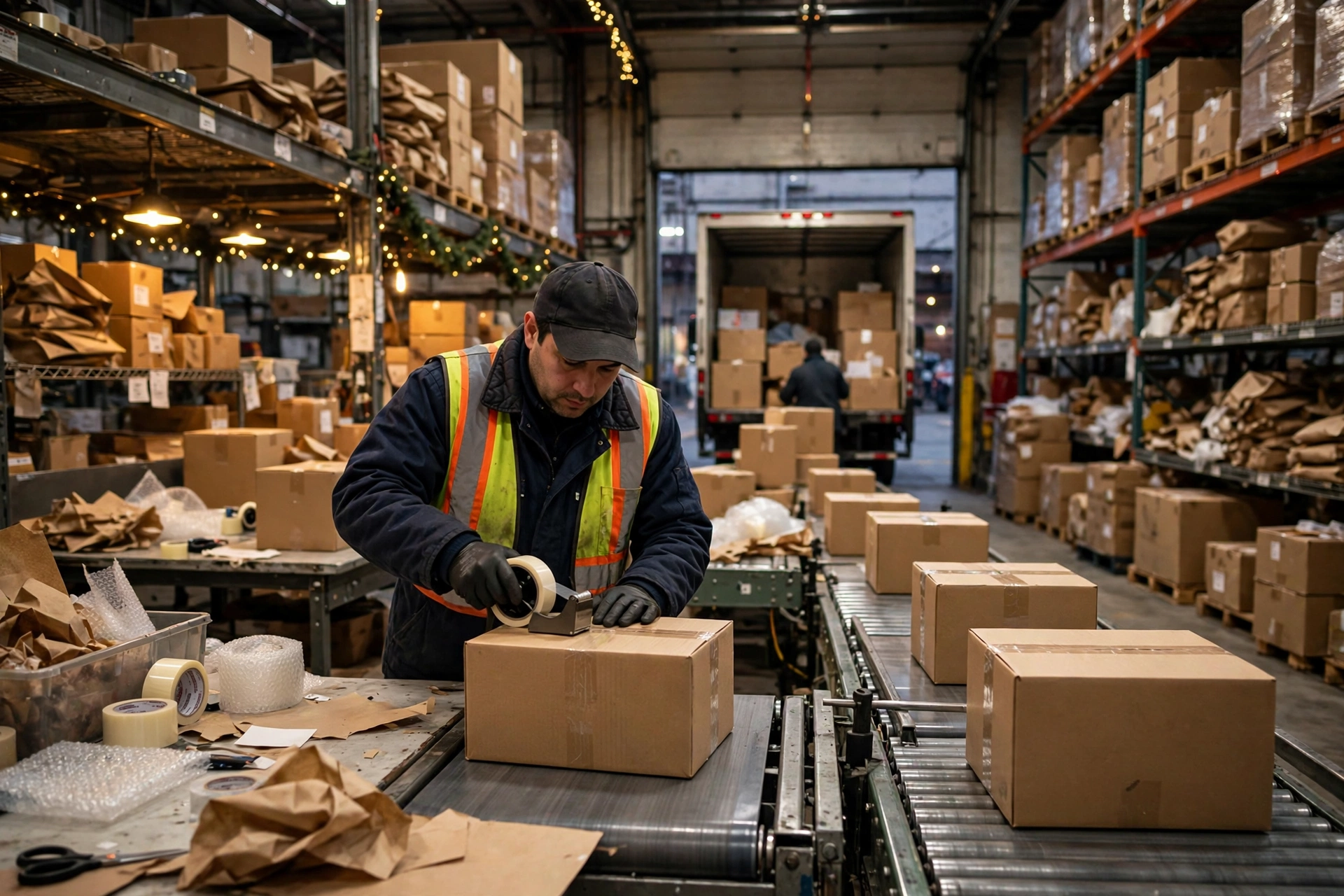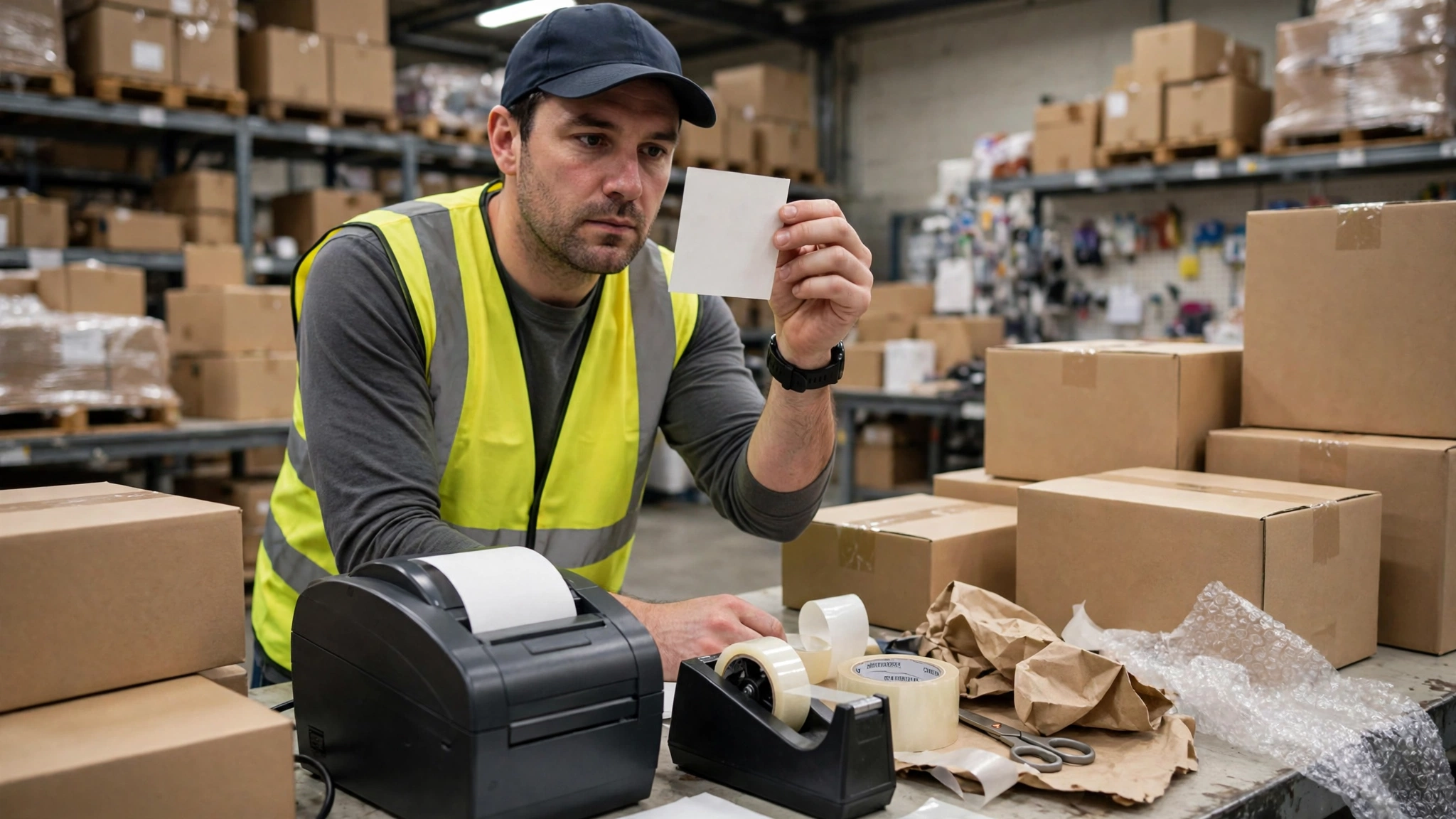
Folks, it is 7:30 in the morning. The night shift just handed over, the outbound line just started moving, and a picker runs up holding a label: the address is wrong, one character missing from the recipient's name. The printer is still spitting labels, parcels rolling down the conveyor one after another. You have minutes to decide: do you stop this parcel and reprint, or let it ride and deal with it later?
A shipping label misprint is the most common small accident in our warehouse, and also the one most likely to hold up a whole shift. One bad label costs almost nothing on its own. But once it gets on a truck and leaves the dock, the cost of chasing it down can multiply tenfold. I have run a warehouse with 200 people, pushing tens of thousands of orders a day at peak. Handling bad labels is not about luck. It is about process.
Stop the bleeding: the first minute after a bad shipping label
When a label is wrong, the first job is not to find who is to blame. It is to stop that parcel. Our rule is simple: whoever spots a bad label drops the parcel into the red mislabel bin at the side of the line and puts the order on hold in the system right away. Nobody touches the red bin except the shift lead. It sounds rigid, and it works, because the worst thing you can do with a bad label is set it aside and deal with it later. Later becomes half an hour, and half an hour later the parcel is already on the truck.
The worst case I have seen was a new hire who printed a bad label and was too nervous to speak up, so he put the parcel straight on the conveyor. It rolled all the way to the loading dock, the loader scanned it, and the system flagged it as a duplicate shipment, because the wrong label did not match the order information. The whole line stopped for twenty minutes while we hunted for that one parcel. Twenty minutes at peak means hundreds of parcels behind it all pushed back.
So my first rule: a bad label never waits overnight, and a mislabeled parcel never gets on a truck. Spot it, isolate it, hold it. Whoever finds it isolates it, the lead handles it. Blame can be sorted out afterward, but the parcel has to stop first.
Before you reprint, figure out what went wrong
Label errors come in different kinds, and each one needs a different fix. We keep a classification chart on the whiteboard, and every new hire has to learn it on day one.
The first kind is wrong information: wrong address, wrong recipient, wrong phone number. This is the most dangerous kind, because the label looks fine and scans fine, and the parcel travels all the way to the wrong place. The fix is to void the original label and generate a new one. Note the word void. Do not just print a new label. If the original stays active in the system, the carrier may bill it, and you pay twice for one shipment.
The second kind is a printing defect: smeared text, an unscannable barcode, a label printed crooked. This is the most common kind and the easiest to fix. The information is correct, only the print is bad. The fix is to reprint the same label number. The key step is to tear up the defective label on the spot and throw it in the bin. A bad label left on the workbench will sooner or later get stuck onto the wrong parcel.
The third kind is a label on the wrong parcel. The label itself is correct, but it is stuck to the wrong box. This is the most dangerous of all, because the link between order and parcel in the system is now completely scrambled. The fix is to freeze the whole shipment, open the parcel, verify the contents, and reprocess it. You cannot rush this one. Check parcel by parcel.
I always tell the team: a bad label is not scary. What is scary is fixing it without knowing what went wrong. Before you reprint, ask one question: is it wrong information, a printing defect, or a wrong parcel? Answer that first and you save yourself half the trouble.
Void and reconcile: do not let bad shipping labels become a mess in the books
Voiding labels is something a lot of warehouses handle sloppily. My approach is that every void has to leave a trace, and the traces have to add up.
Here is how we do it. Every voided label goes through the void process in the system, with the reason recorded, a void sticker applied, and the physical label dropped into that day's void bag. Before the end of each shift, the lead counts the labels in the void bag and matches them one by one against the void records in the system. If the numbers do not match, nobody goes home. People complained the first week this rule went in. By the second week it caught a real problem: one employee had been reprinting labels without voiding the originals, so the carrier billed the original and the replacement. One shipment billed twice. Over a month, that adds up to real money.
Reconciliation has a second layer: reconcile with the carrier. After you void a label, confirm the carrier voided it on their side too. Some carriers require a separate void process in their system. Your warehouse voided it, but the carrier still has it active, and the charge shows up on the monthly bill anyway. Where the policy is unclear, go by the carrier's latest published policy on their official site. Do not guess from experience.
Here is the counterintuitive part. Most people think bad labels happen because employees are careless, and the fix is more training and penalties. But in all my years running warehouses, the shifts with the most label errors were usually not the least careful shifts. They were the most rushed ones. Peak season surges, the second half of the night shift, and the handover window, those three periods have the highest error rates. The effective fix is not yelling at people. It is reinforcing the checks during those three windows: add a scan verification at peak, rotate people during the second half of the night shift, and clear the mislabel bin at every handover. Fix the process and the error rate comes down on its own.
Adding it up: what one bad label really costs
Take our warehouse at peak, 20,000 orders a day. At a misprint rate of three per thousand, that is 60 bad labels a day. I have broken down the handling cost per label: about five minutes to isolate and reprint, about three minutes for the void and system work. And if the bad label gets on a truck and has to be chased down, phone calls, rerouting, and reprocessing take at least half an hour, not counting carrier charges.
I have run the other calculation for the team: money spent on prevention is cheaper than money spent on fixing. A scan verification device, a second check before loading, a red bin plus a classification chart, all of that together costs less than a week of mislabel handling labor at peak. Plenty of warehouses refuse to spend on prevention and burn money daily fixing bad labels instead. That math never works out.
What we do now, every day: All of that boils down to five rules, posted on the wall beside the outbound line.
First, isolate a bad label immediately. Red bin, whoever finds it drops it in, the lead handles it. Second, classify before you reprint. Wrong information means void and regenerate. A printing defect means reprint the same number. A wrong parcel means freeze the shipment and recheck it. Third, every void leaves a trace, system void plus a physical void bag, reconciled daily, and nobody leaves until the numbers match. Fourth, reinforce the three danger windows: peak hours, the second half of the night shift, and handovers. Fifth, review the causes of label errors every week, and put extra attention next week on whichever step produced the most errors.
Five rules, simple on paper. Enforce them and the misprint rate drops below one per thousand. When it does not drop, I do not blame people first. I look at the process: which check was skipped, which window was short-staffed. Process problems get process fixes.
Folks, a label is a piece of paper. It is worth almost nothing. But it connects the order, the carrier, and the customer. I have seen one bad label hold up a whole shift more than once. Get the handling process solid, and peak season becomes something you can sleep through.
By Chen Feng, Warehouse Operations Manager