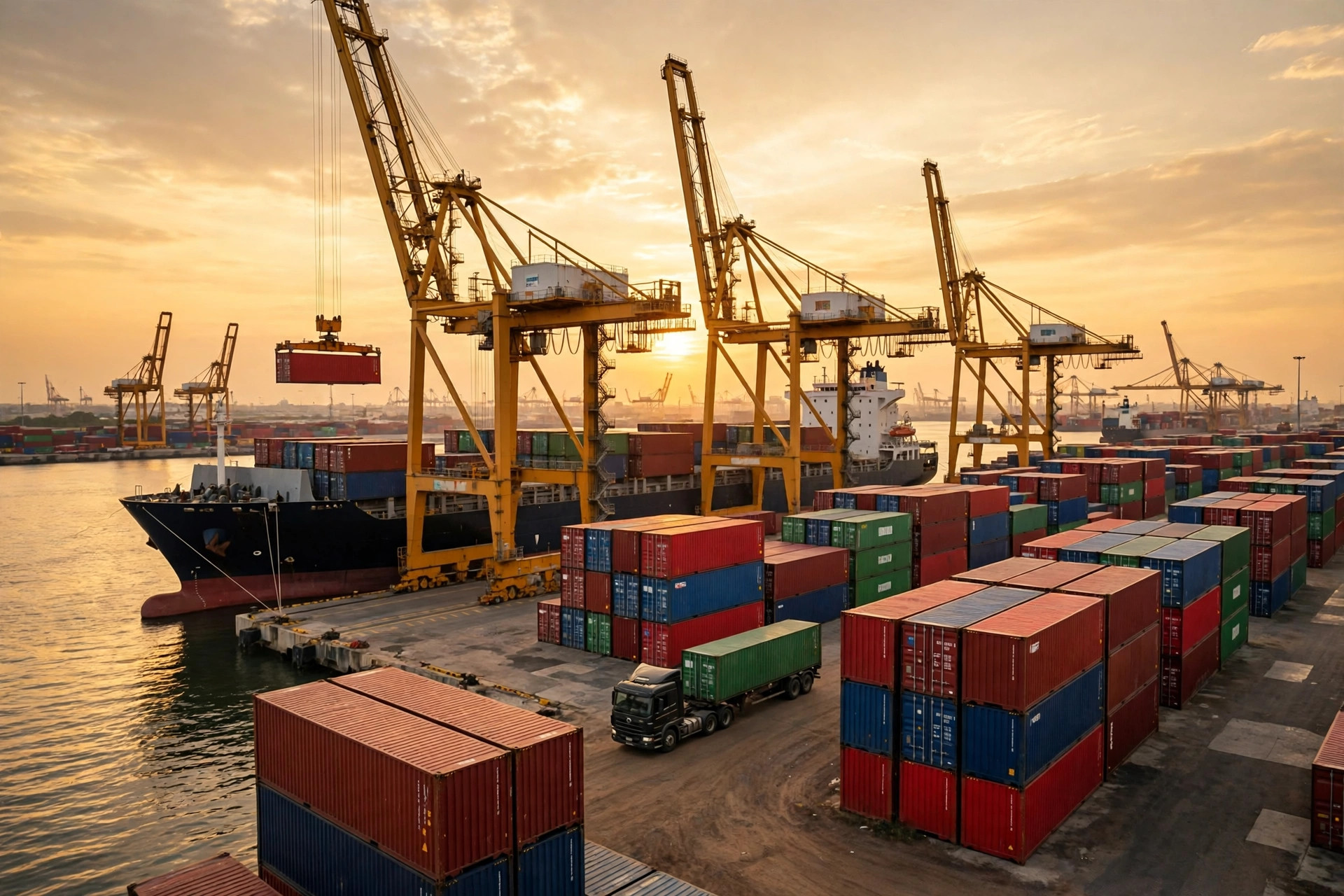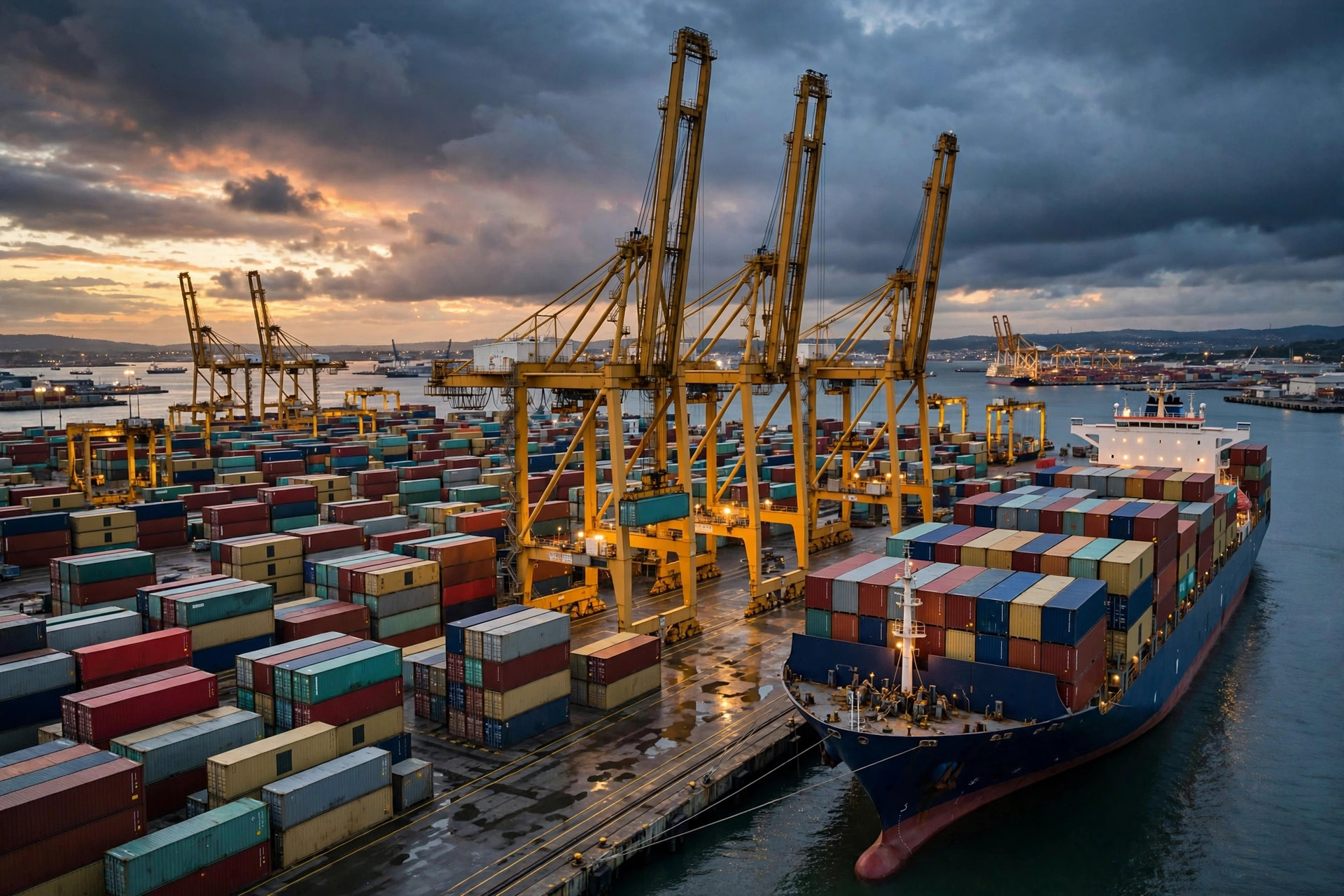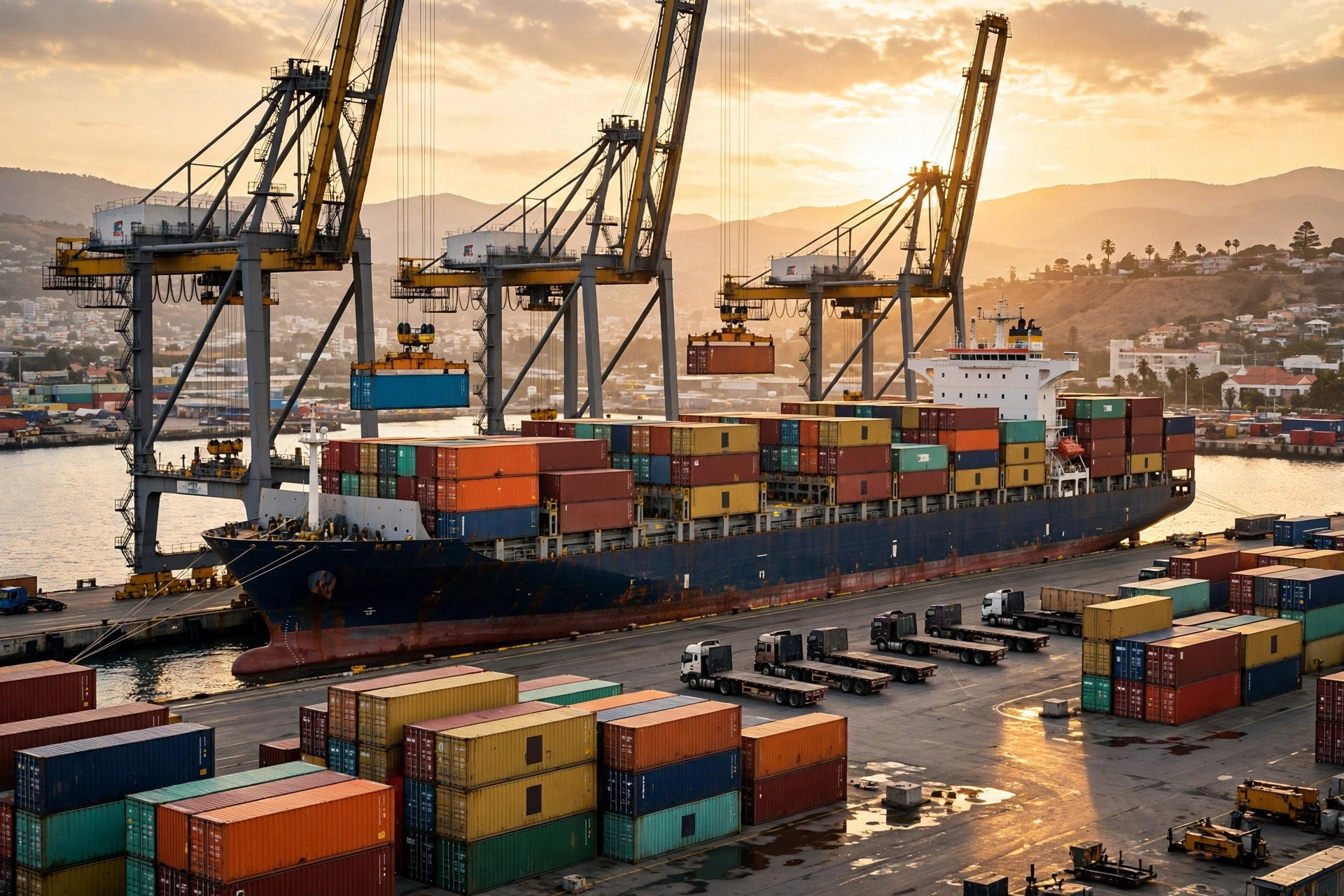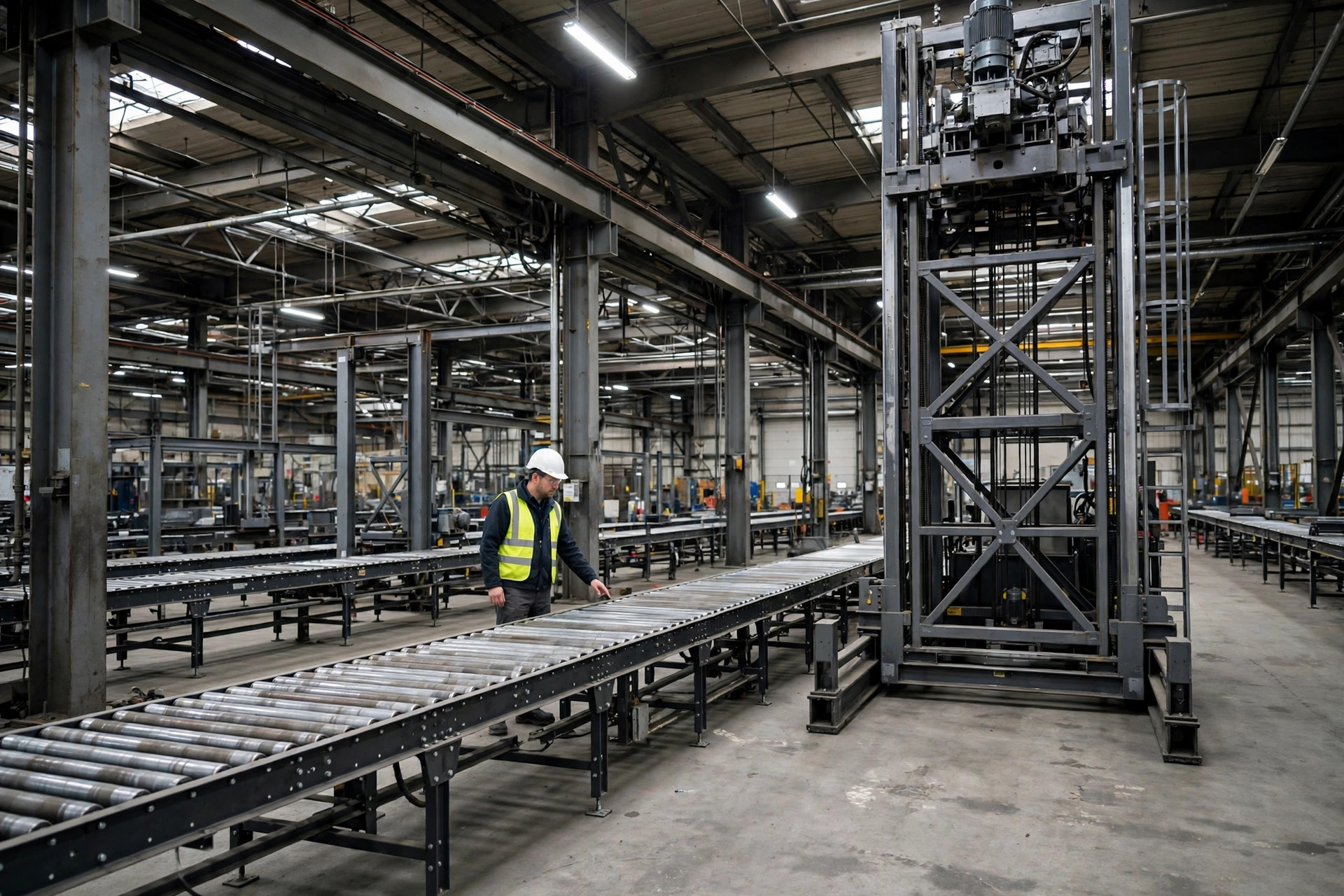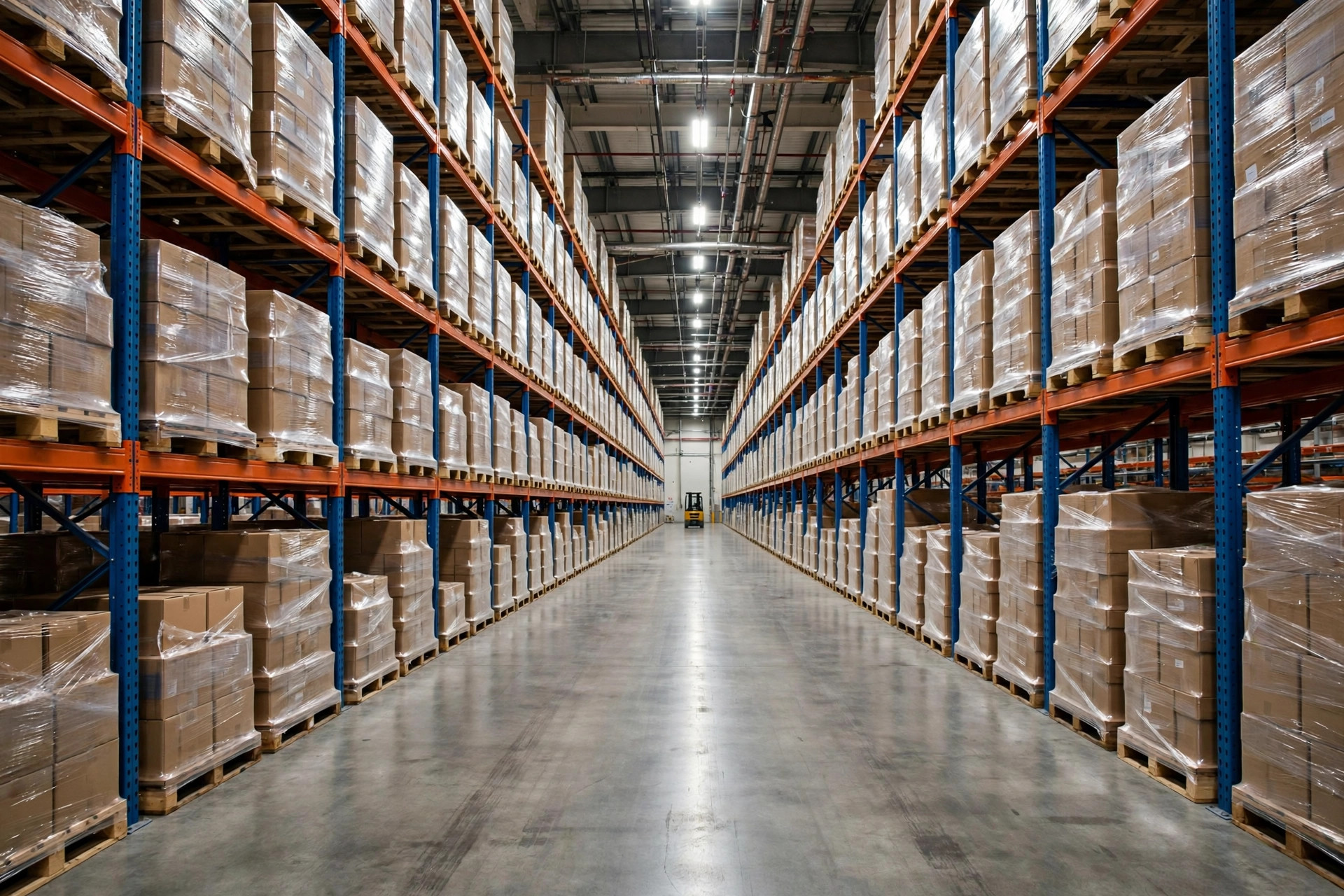
We had a client down in Texas, a new 150,000-square-foot DC, racking imported from overseas. They bid it out to four suppliers and picked the one with the prettiest quote — uprights, beams, decking, the whole package, nearly thirty percent cheaper than the domestic manufacturers. The client signed on the spot. Then the container hit the port, the customs broker handed over the duty bill, and Section 232 steel tariffs flipped the math: the "cheap" import suddenly cost more than buying American. That tariff line item? They never budgeted for it.
I have watched this movie more than once. So let me pull back the curtain on Section 232 tariffs, explain why warehouse racking can't dodge them, and walk you through the three plays an importer actually has.
What Section 232 Tariffs Are, and Why Racking Can't Escape Them
The plain-English version. Section 232 tariffs are extra duties the U.S. government levies on imported steel and aluminum products under Section 232 of the Trade Expansion Act, in the name of "national security." They stack on top of your regular import duties — you pay the normal racking duty, and then this surcharge lands on top.
Why does racking get caught? Because racking is a steel product. Pallet rack uprights, beams, and bracing are all cold-rolled or hot-rolled steel, and customs classifies them as steel articles. Some clients try to get cute — "this is warehouse equipment, not steel" — and the broker just shakes his head. Customs looks at the material and the tariff code, not what you plan to do with it.
Two traps to flag up front. First, these tariff rates have been adjusted multiple times over the years and vary by country and period, so always check the current official U.S. policy for the rate in effect — I am not putting a number in this article, and anyone who quotes you a fixed rate for budgeting purposes is selling you something. Second, the duty is assessed on cargo value, and racking is the worst kind of product for that: low unit price, enormous total shipment value. A few percentage points times dozens of containers produces a number that will make your hands shake.
Who Actually Pays the Tariff on Imported Racking
Insider time. Flip through any racking manufacturer's quote and you will find four words, usually in small print: "taxes and duties extra." The buyer looks at the unit price, sees cheap, signs — and discovers at the port that those four words were hiding the biggest cost on the whole order.
Here is the mechanics: the seller delivers the goods to you (or to the port). The importer of record — that's you — is legally on the hook for import duties. The supplier has no obligation to calculate Section 232 for you, let alone warn you about it. The decent ones mention it verbally during quoting — "heads up on 232" — and plenty of others stay quiet. The duty bill doesn't go to their mailbox.
I have seen a nastier version. Another client signed a DDP-to-warehouse contract and figured everything was covered. Problem: the supplier's DDP price was built on the tariff rate at signing. When the 232 rate moved, the supplier sent a letter: rate changes are force majeure, please pay the difference. The client fumed, legal reviewed the contract, and there it was — "duties and taxes settled as actually incurred." DDP covers the freight. It does not cover the tariff rate.
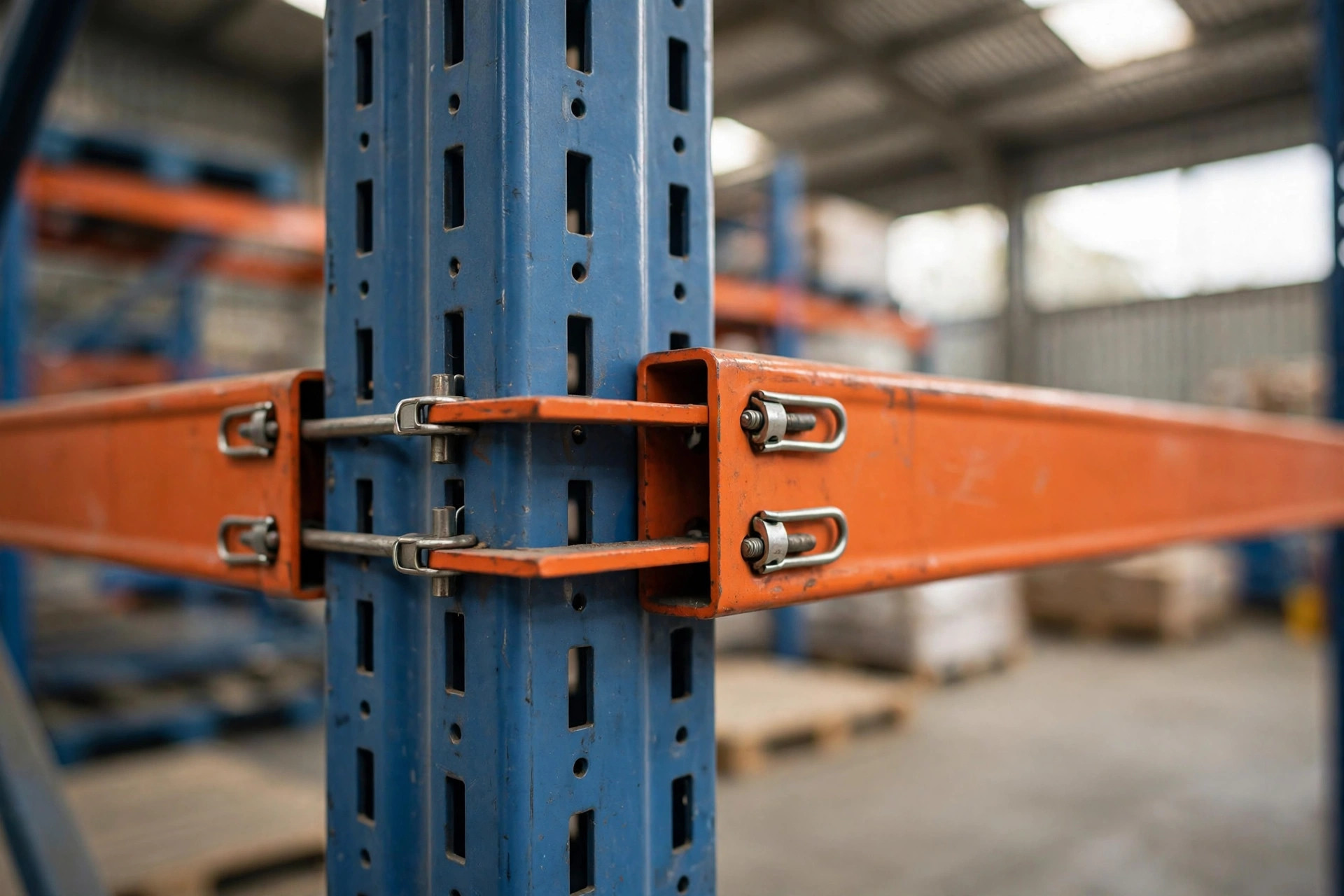
So tattoo this on your forehead: the Section 232 tariff on imported racking is your bill by default, unless the contract says in black and white that the other side eats it. If it doesn't say, it's yours.
Buy Domestic vs. Keep Importing: Running the Numbers on Three Options
Okay, the tariff isn't going away. What are your moves? From everything I have seen, importers really only have three plays:
Play one: go domestic. Plenty of U.S. racking manufacturers, solid quality, fast lead times, great service — and you wave goodbye to Section 232 entirely. The price is a higher unit cost, and domestic shops run tight schedules; big projects routinely book out months ahead. Best for buyers with budget who hate surprises.
Play two: switch the country of origin. Section 232 rates differ by country, and some origins carry lower rates or quota exemptions. Moving your supply chain from a high-rate country to a low-rate one can shave real money off the duty. Two caveats: a new supplier means new factory audits and new samples — you re-run the whole quality risk cycle. And "rate havens" get paved over the moment policy shifts; don't bet a long-term supply chain on a short-term rate gap.
Play three: keep importing, but rewrite the contract. This is the most popular option, and the one suppliers least want you to learn. The whole game is one sentence: put the tariff terms in the contract — who bears the duty, and how pricing adjusts if the rate moves. You can negotiate supplier-absorbed duty (estimated tariff baked into the unit price), a rate lock (supplier eats moves within a few points of the signing rate, anything beyond gets shared), or "duties billed at cost with a cap." Any structure works. What matters is that it's written down. A discount that isn't written down is a fairy tale; a risk that isn't written down is yours.
Here is the total-cost comparison to run your decision against:
| Dimension | Buy domestic | Keep importing (new origin) | Keep importing (rewritten contract) |
|---|---|---|---|
| Tariff cost | No Section 232 | Possibly lower, depends on country | Paid in full, but negotiable |
| Lead time | Long booking queues, little spot stock | New audits and samples stretch the timeline | Unchanged, fastest |
| Quality risk | Low, fast local service | Medium, new supplier learning curve | Low, same supplier |
| Negotiation room | Small, domestic shops sell out anyway | Medium | Large, tariff terms are leverage |
| Best for | Buyers with budget who hate surprises | Buyers with time who don't mind the hassle | Buyers who want savings and know how to negotiate |
Three Questions for Your Next Contract Negotiation
Alright, the playbook is on the table. Before you sit down at the negotiating table, memorize these three questions and ask the supplier word for word:
One: "Does this quote include Section 232 tariffs, and which date's rate is it based on?" The moment that question leaves your mouth, they know you're not an amateur. Included or excluded, which date's rate — all of it goes on paper.
Two: "If the tariff rate changes after I place the order, who covers the difference?" Don't accept a verbal "we'll take care of it." Write it into the contract: supplier absorbs moves within a few points, anything beyond gets split; if the rate drops, who keeps the savings. Write it both ways — that's fair.
Three: "Can you offer alternative countries of origin, and what's the duty difference?" This is part probe, part leverage. A supplier with multi-origin capability has a resilient supply chain; and with the duty delta in hand, you have the ammunition to negotiate absorbed duty versus shared duty.
One honest thought to close. You and I can't move tariff policy. But at the contract table, the advantage always sits with the person who asks the right questions. The buyers who run the numbers on imported racking save real money. The ones who don't get to learn what "cheap to buy, expensive to own" feels like — the day the duty bill arrives.
So before you sign that next racking contract, ask the three questions. Then sign. You won't regret it.
By Susan, 3PL Sales Director