Let me tell you something. After fifteen years behind the wheel, I've developed a trick: I don't even need to walk into a warehouse to know whether it did its seasonal slotting before peak season. I just look at the line of trucks waiting at the gate. Long line? The slots are a mess. Almost every time.
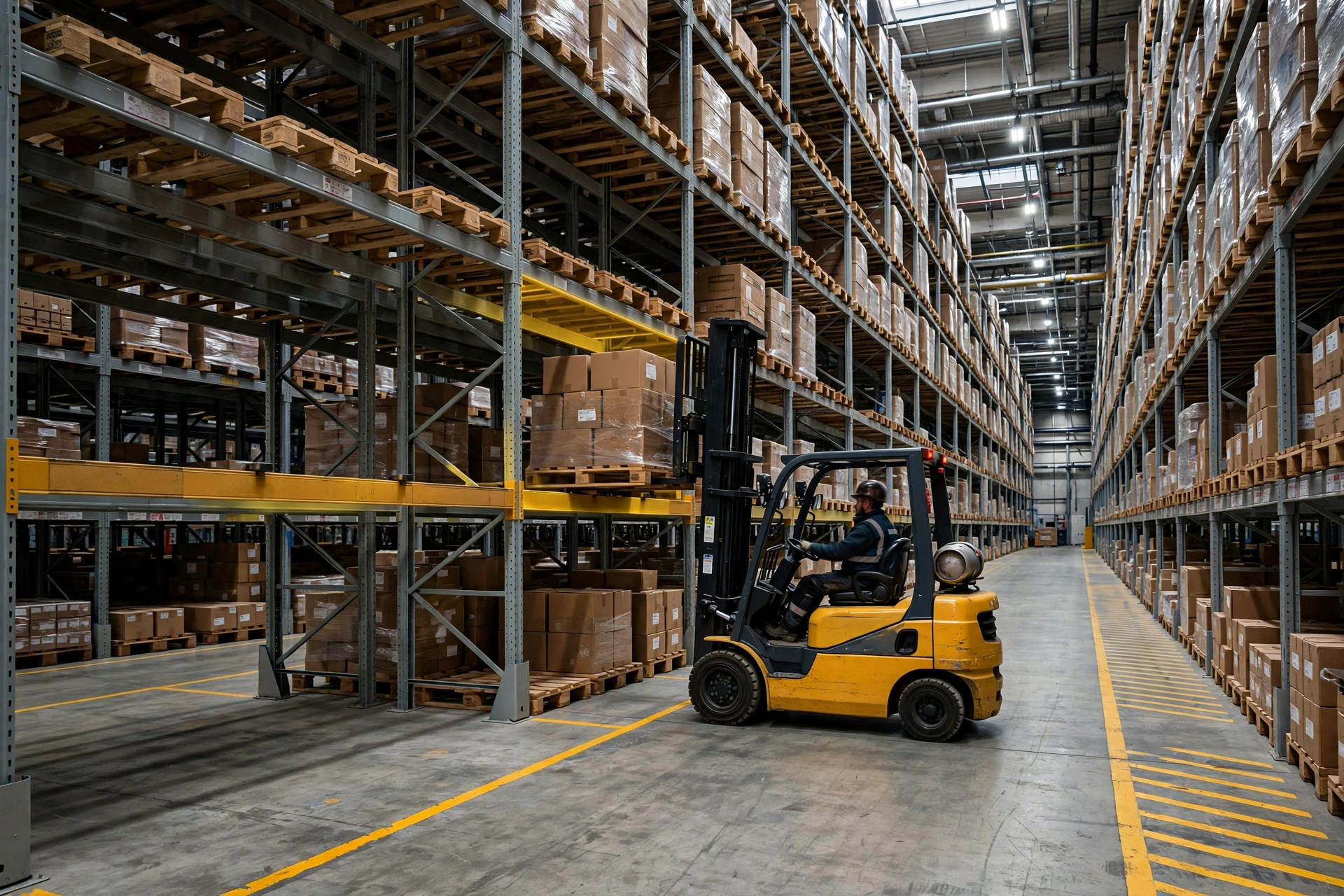
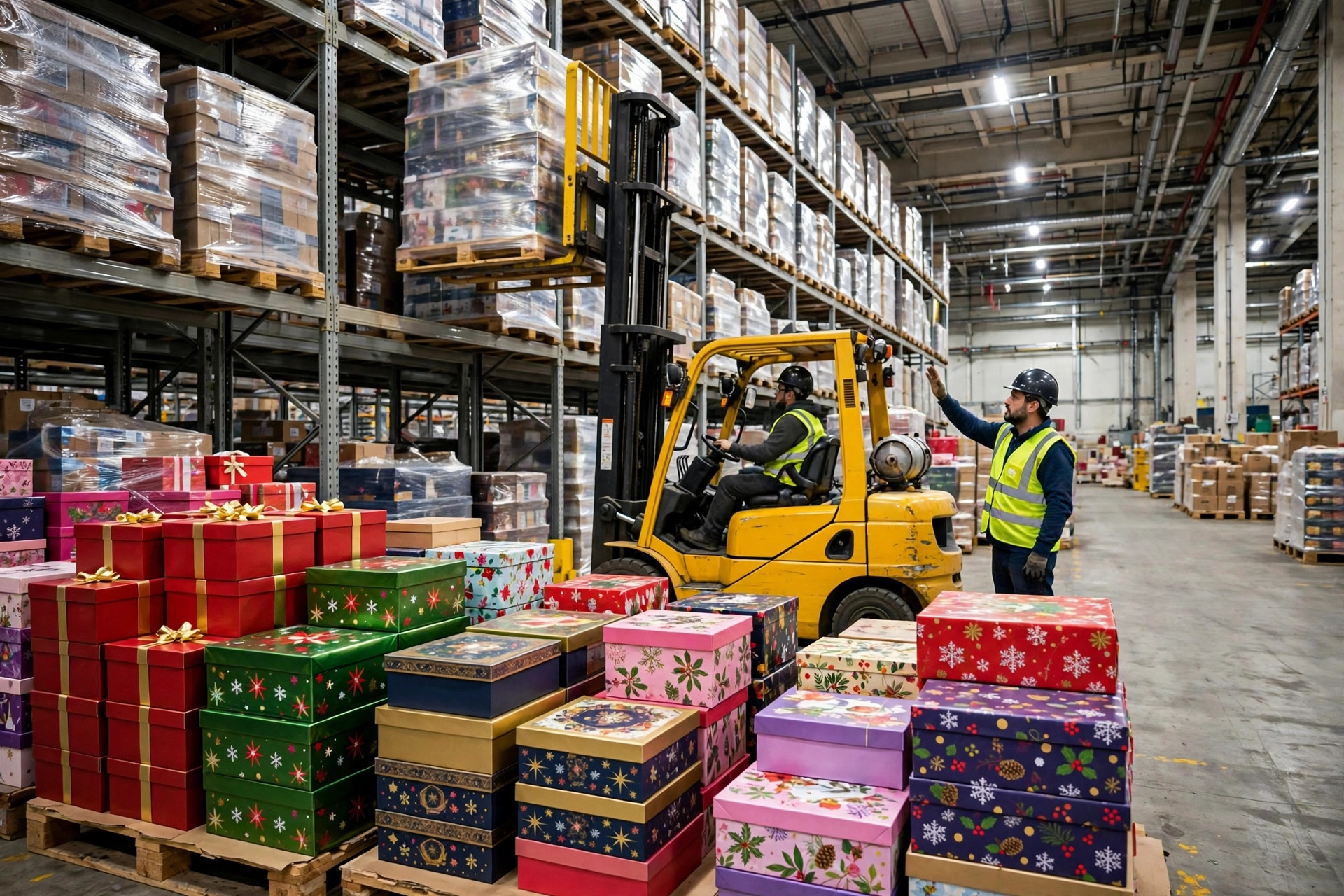
Last October I rolled into a 3PL in Ontario that handles holiday gifts for big-box stores. Six or seven trucks ahead of me at the gate, and I sat there nearly three hours before my turn. While they loaded me, I got talking with the dock supervisor. He just shook his head: all the Christmas freight was buried at the back of the building, and the golden pick zone was still clogged with leftover summer stock. Pickers were walking half the warehouse to pull a case, and every extra minute they spent showed up as another hour of trucks idling at the gate.
I'm a driver, not a warehouse guy — but after fifteen years of dealing with warehouses every day, I understand the game. Here's an outsider's take on an insider's problem: the one big rearrangement before peak season that pays for itself all year.
Why Drivers Dread a Warehouse With Bad Slotting
What we drivers fear most isn't distance. It's waiting. On the road I've got my GPS and my schedule — my time is mine. At the warehouse gate, my time belongs to somebody else.
A well-slotted warehouse? You roll in, call out your load number, and you're loaded and rolling in fifteen minutes. The fast movers sit in the golden zone right by the dock doors — the picker practically turns around and grabs them.
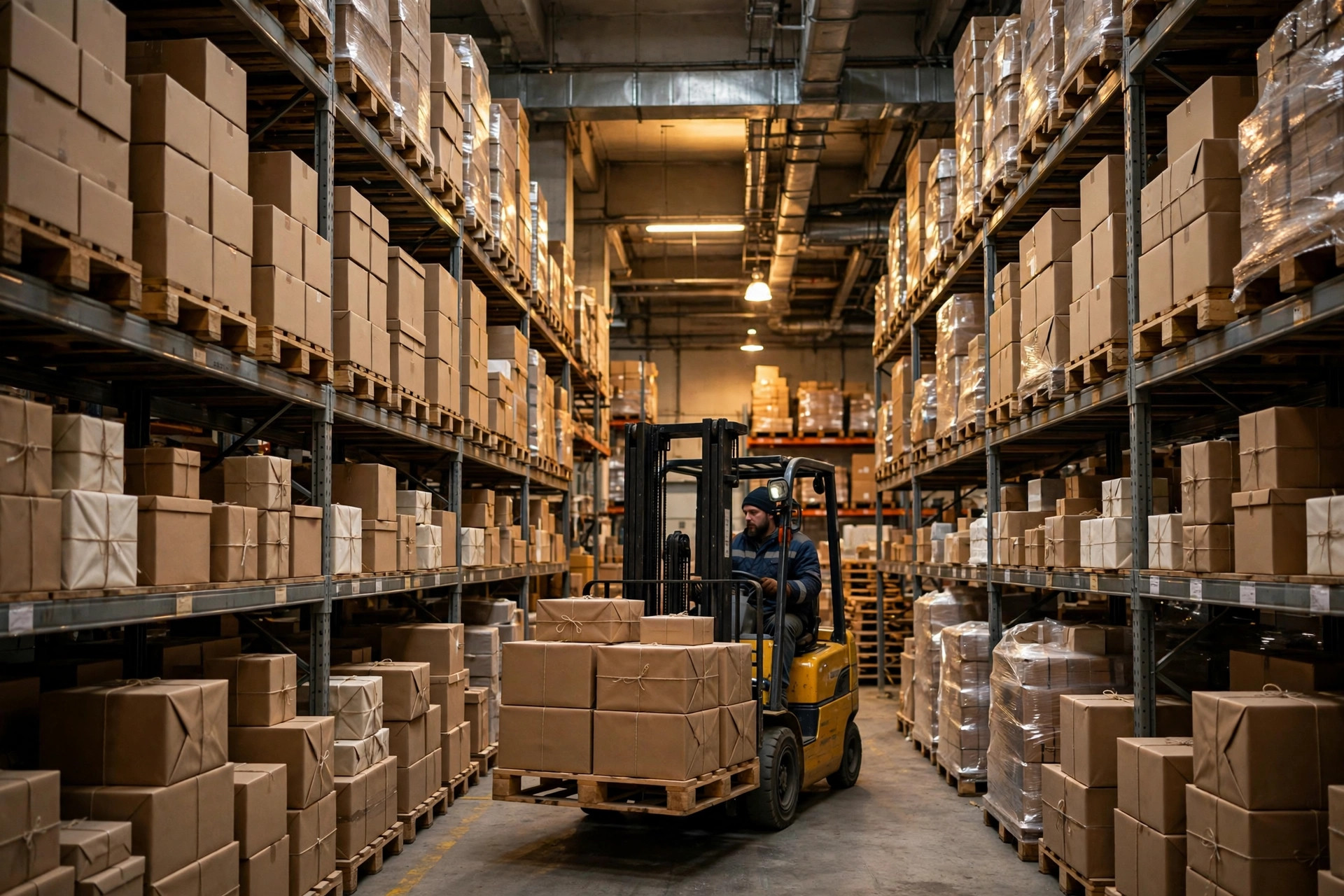
A badly slotted warehouse? Seasonal freight never gets moved to where it's handy when it sells, and never gets put away when it doesn't. Come peak season, pickers hike across half the building to pull one case. A few extra minutes per order, hundreds of orders a day — and all of it lands on us drivers as hours in the gate line and diesel burned idling.
Here's something counterintuitive: a lot of warehouses think full shelves and tidy aisles mean good management. Wrong. Dead-season stock, neatly stacked in the golden pick zone, is the most expensive kind of neat there is. Every tidy case of off-season goods forces peak-season winners to walk an extra fifty yards. In slotting, neat isn't worth a dime. Handy is.
Seasonal Slotting Before Peak: What Actually Gets Moved
As I see it, that's the whole game of seasonal slotting, and it comes down to three things, each one more practical than the last.
First, forecast demand. Look at what sold this time last year and the year before: when did the Christmas stuff start moving, what month did the heaters take off, how much did you stock of last year's winners? Nothing fancy — just pull last year's outbound records.
Second, re-rank your ABC: the SKUs about to explode become A items, the off-season stuff becomes C. Like driving — daily tools by the driver's seat, the once-a-year spare tire in the back. Nobody mounts the spare on the steering wheel; winners go up front, losers in the back.
Third, clear the golden zone: A items to the slots closest to the dock and the pick path start, C items up high and far away. It costs the most labor and matters the most. Plenty of folks skip it as a hassle — and it's exactly the step that decides whether your peak season flows or clogs.
Fall of 2024, a seasonal small-appliance warehouse in Fontana that I run regularly — summer fans, winter heaters, you know the type — did exactly this. Early October, they spent a few days hauling heaters from the back of the building into the golden zone and tucking the leftover fans up onto high racks. That Christmas season, the difference was night and day. Waiting an hour or two used to be normal there; that year I was loaded and gone within half an hour almost every trip. The supervisor told me the pickers said their legs felt lighter. His words, not mine.
Funniest part: the whole building cursed the reslot while it was happening — too much hassle. Once peak hit, nobody cursed anymore. Orders flew out the door; nobody remembered those few hard days. Crude, but true.

The Math: Reslot Labor vs. Peak-Season Payback
A lot of warehouse owners won't do this. The reason is always the same: a reslot means downtime and labor. A hassle.
Fine. Let's put the numbers on the table. Full disclosure first: this is a back-of-the-envelope illustration, every number below is my own assumption just to show the logic — plug in your own:
| Item | Assumed number | Note | | Reslot effort | 10 people for 3 days | Mid-size building, a few hundred golden-zone slots | | Peak season length | 60 days | Thanksgiving through Christmas | | Daily order volume | 2,000 orders | Peak-season level | | Time saved per order | 30 seconds | Less walking with smart slots | | Labor saved per day | ~17 hours | 2,000 x 30 sec / 3,600 | | Labor saved over 60 days | ~1,000 hours | 17 x 60 |
See that? Ten people for three days — 240 hours in — and peak season hands back around 1,000 hours. That's the math: invest once, save every day of peak. And that skips the diesel burned at your gate and the orders lost to stockouts.
The National Retail Federation's data says the holiday season runs about one-fifth of the entire year's retail sales. A few slow minutes per order in peak season, and you could be dropping orders out of the two months that carry a fifth of your year. That costs a lot more than a few days of labor.
One more number the industry throws around a lot: in picking, more than half the time goes to walking, not picking. A reslot is really just a way to cut the walking short. Whether the money's worth it — that one number answers it.
And there's a second ledger nobody writes down. Every extra hour a driver waits at your gate is another notch of stockout risk for the shipper. A real stockout doesn't just cost a few orders — it costs the trust of the retail channel. An empty shelf for one day in peak season, and there's no making it up. You can't calculate that precisely, but every shipper who's been burned knows it by heart.
Seasonal Slotting in Reverse: Putting It All Back After the Holidays
Moving it out is only half the job. If you don't put it back, you did it for nothing.
The day after Christmas, gift SKUs flip from A to C overnight. They belong up high and far away, and the golden zone goes back to the year-round movers. This is where plenty of warehouses blow it: one big heroic reslot before peak, then nobody puts anything back, the golden zone slowly fills up with zombie SKUs again, and next peak season you're starting from scratch.
My rule is dead simple: two changeovers a year, like swapping tires — snow tires in winter, regulars in summer. Nobody complains about the hassle because everyone knows what skipping it costs. Slots work the same way: move the seasonal stuff out before peak, move it back after, make it a fixed ritual every year. Don't wait until you remember. One more tip for the way back: don't shove everything up high at once. Keep a small transition area in case some off-season item gets reordered and you don't want to go digging. Plans change — keep a card up your sleeve.
Two Straight Sentences for Shippers and Warehouses
For shippers: when you pick a 3PL, don't just stare at the storage rate on the quote. Walk the floor before peak season and see where the seasonal freight sits. Smart slots are worth paying a dollar more for — your freight keeps flowing and ships on time, and nothing beats that. A cheap warehouse with messy slots hands it all back the first time you stock out in peak.
For warehouses: don't cry over a few days of reslot labor. Every hour a driver waits at your gate is an invoice for your messy slots, and you're the one paying it. Once you see the math clearly, nobody has to push you to do it.
After all these years on the road, I believe one thing: the grain moves before the troops do. Same with peak season — the slots move before the freight does. Get the slots right, and the hours on the road take care of themselves.
By Shifu Zhao, Trucking Veteran (15 yrs)