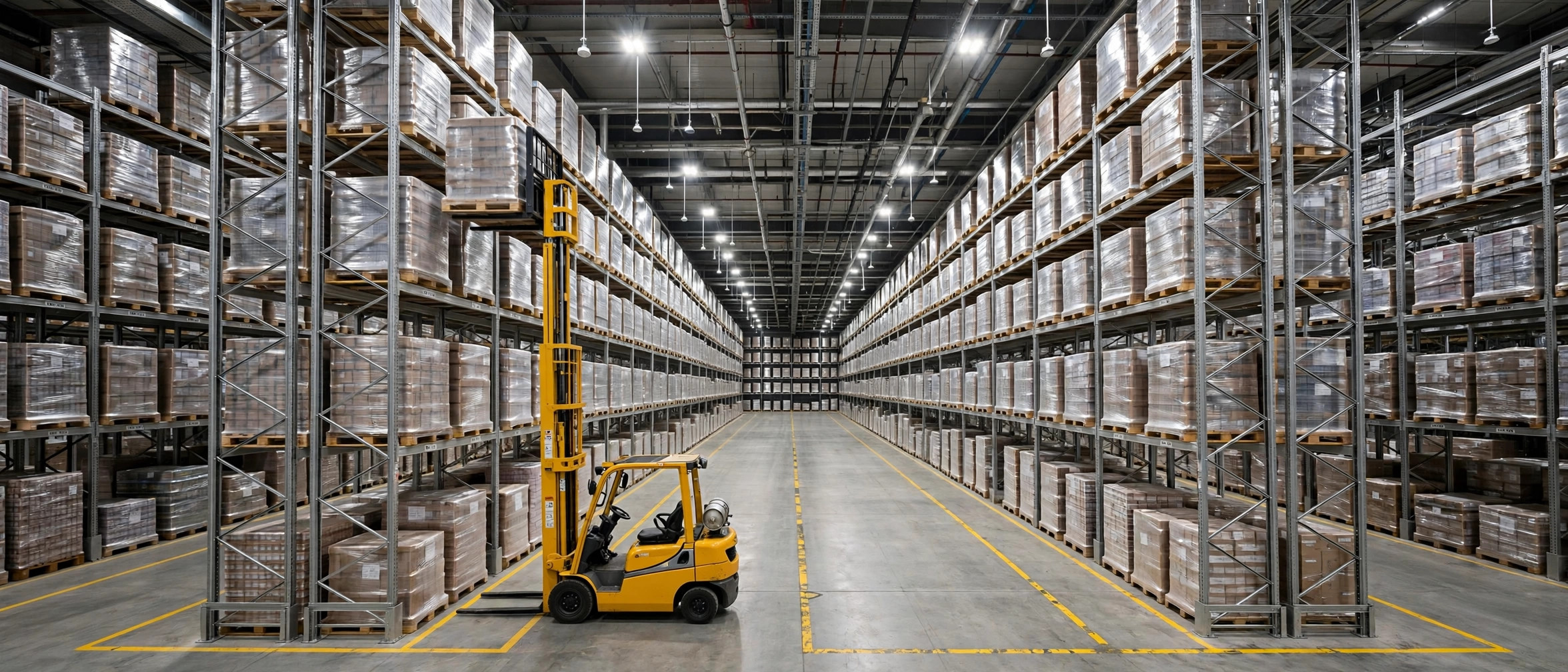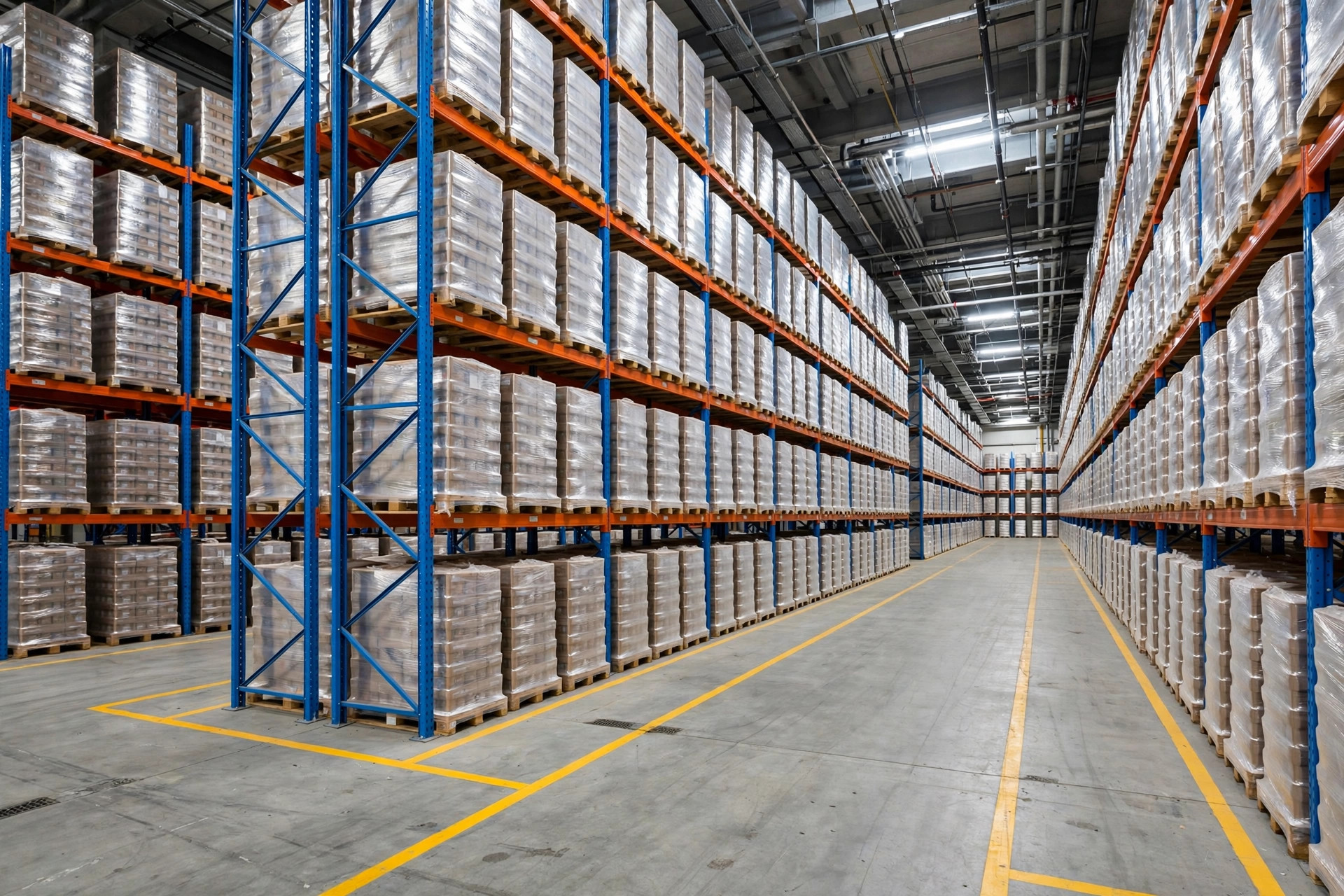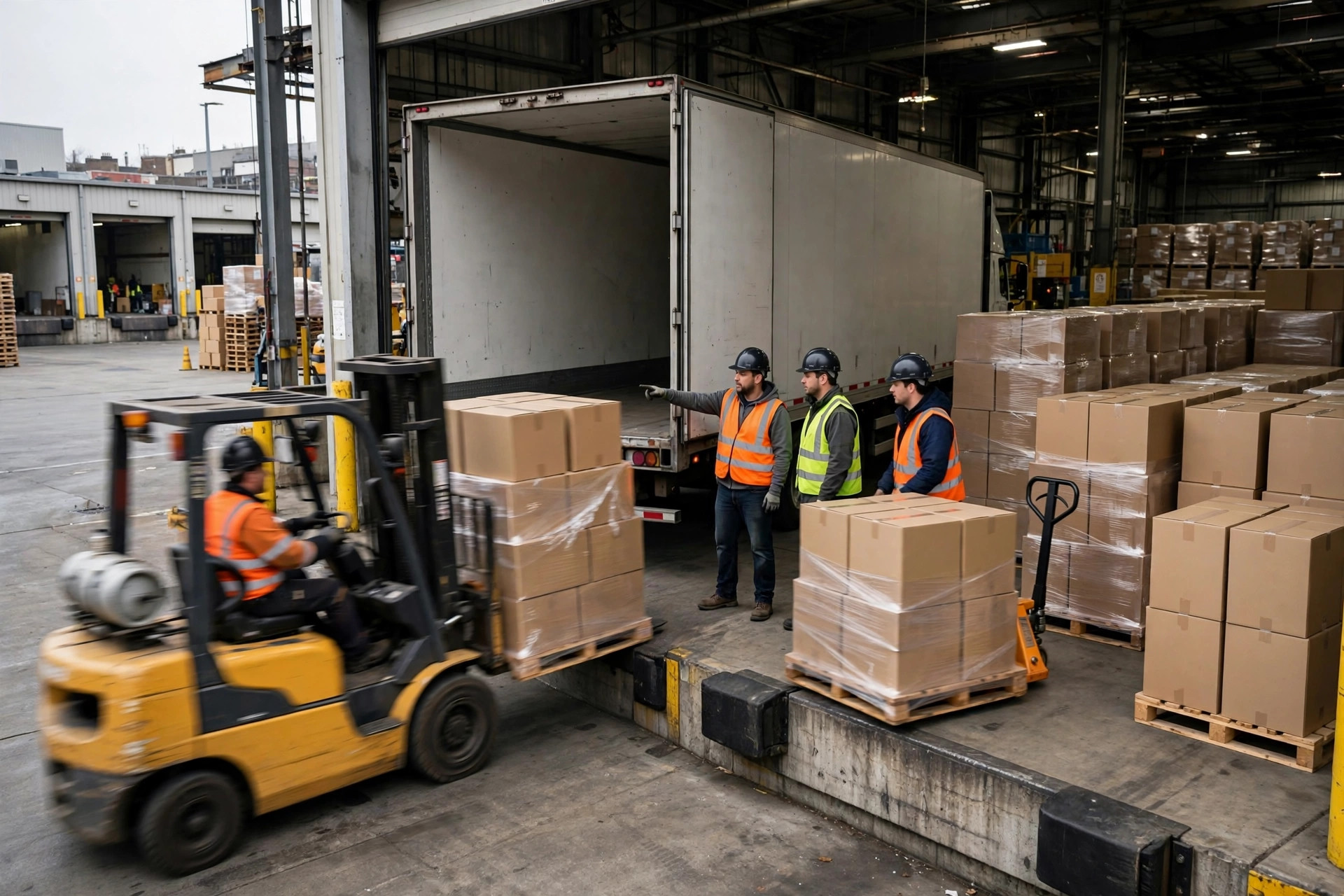
Late last September I walked a 100,000-square-foot 3PL warehouse in San Bernardino. Order pickers were steering pallet jacks around the receiving dock because inbound cartons were stacked to the ceiling in the aisles. The ops manager pointed at the mess and said, "Our SKU count tripled for promo season. Every slot in the system is full. Putaway is running on handwritten labels, and my pickers are walking an extra two kilometers a day."
He called it unavoidable. I told him it was self-inflicted — sort of. He's right that no slotting design can keep up with a 3x SKU explosion. But that's not a design problem. It's a flex location problem: a pool of slots you deliberately reserve, expand into when peak hits, and reclaim when it's over. Warehouses that do this well barely notice the surge. Warehouses that don't spend the whole season firefighting.
Where Flex Locations Actually Come From
The first objection I always hear: there's no space. The aisles are full, there's no spare zone, product is stacked to the roof. Where exactly am I supposed to "reserve" anything?
My take: reservation isn't about finding an empty chunk of warehouse. It's about running the math. In the slow season, walk your floor and flag the slots occupied by dead-slow movers — SKUs with no movement in 60 days or more, usually C and D items sitting in prime locations. Consolidate those, and you'll typically free up 10 to 15 percent of your pallet positions. That's your first tranche of flex locations, hiding in plain sight.
The second tranche: your overflow area, formalized. Almost every warehouse has an overflow zone that functions as a dumping ground — putaway staff stash product there by instinct, and nobody ever clears it after peak. My rule is to bring overflow into the official location system: give it real location codes, real rules (FIFO, no mixed-order staging), and turn it from a junk drawer into a munitions depot. A 20,000-pallet warehouse with a properly managed overflow zone can usually absorb temporary inventory for around 2,000 SKUs without breaking a sweat.
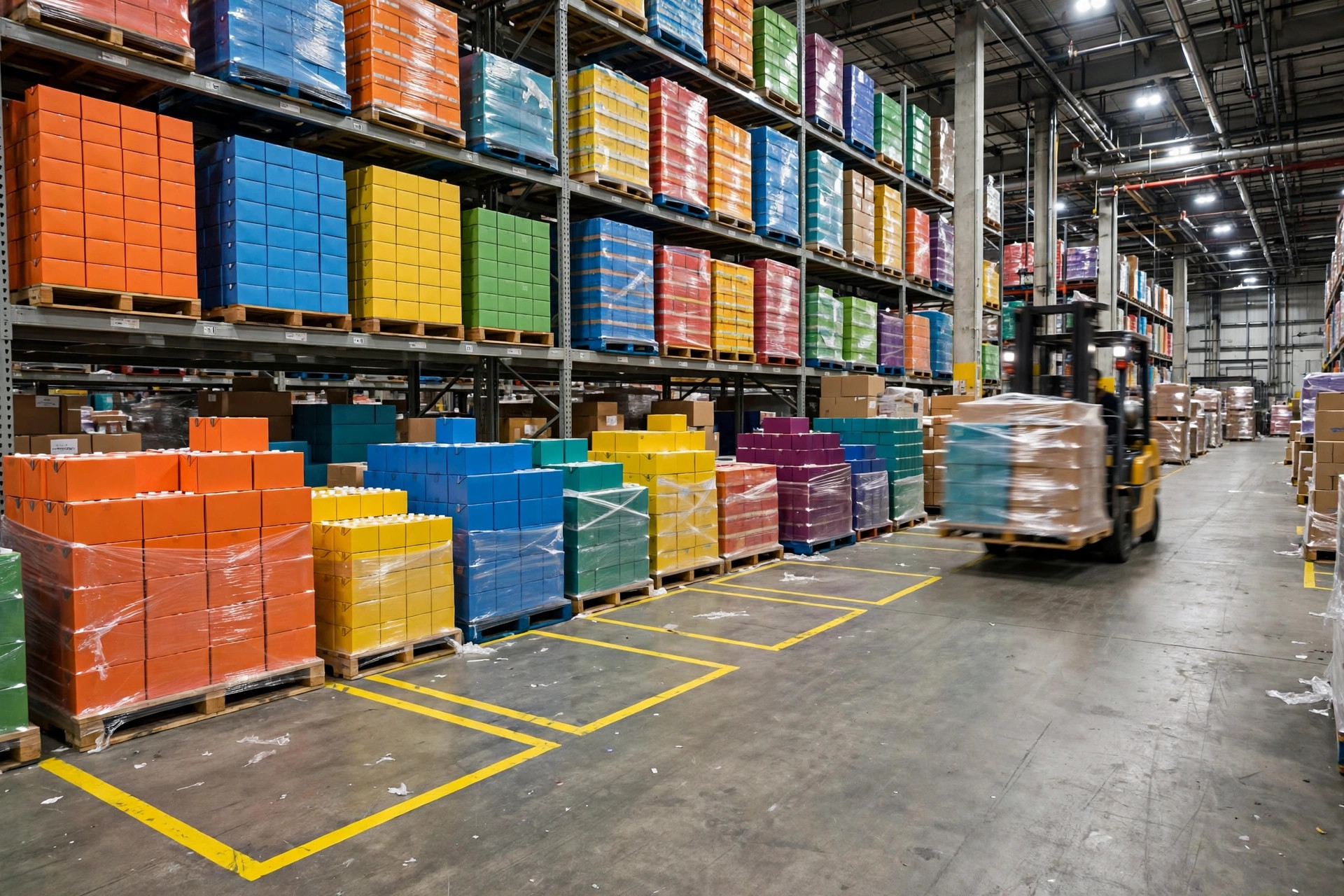
The third tranche: borrowed space. The staging lanes by the receiving dock, the buffer area next to packing — most of it sits idle in the off-season. Two weeks before peak, mark boundaries with floor tape and temporary codes (I like an STG prefix), and those dead areas become temporary pick slots. Peel the tape off when the season ends. It sounds crude. I've watched an e-commerce warehouse in Ontario survive Black Friday 2024 on exactly this trick, pushing through 8,000 extra SKUs of putaway volume with zero retrofit cost.
When SKUs Explode, Putaway Speed Beats Putaway Perfection
Peak-season putaway has one principle: fast first, optimize later. Trying to slot every SKU "optimally" during the surge is a losing game — the perfect plan moves slower than inbound, the dock backs up, and your aisles become a parking lot.
The practical approach is a two-tier putaway rule. Tier one: hot SKUs go straight to the golden zone. Before promo season, your WMS already knows the top 20 percent — presale data, prior-year history, ad spend. Those go into the flex locations closest to the pack line, no debate. Tier two: long-tail SKUs go to the temporary and overflow zones on a "nearest available" basis. Don't overthink it. Keep inbound moving.
There's a trap here I've fallen into myself: writing "put away to the nearest location" in the SOP without defining what "nearest" means. Two putaway operators both interpreted it as "near the aisle entrance" and spent an afternoon blocking each other with forklifts. We fixed it by zoning inbound by dock door — freight received at door 1 only goes to flex locations in zone A. Each zone's flex capacity was calculated in advance, so when the freight was done, the zone was full, and nobody fought over the same slots.
One more rule: during peak, allowing one SKU to live in multiple locations is fine — but the WMS must see all of them. Splitting a SKU across three slots and only scanning one of them is how pickers end up hunting phantom inventory. Every location gets a scan confirmation, and the SKU's location list in the system must be complete.
Flex Locations Need an Identity in Your WMS
The biggest risk with flex locations is amnesia. Nobody remembers which slots were temporary, they turn into zombie locations in the system, and next year's peak starts with the same chaos.
My approach: tag every flex location with three attributes in the WMS. First, a location type of FLEX, kept strictly separate from your PICK and STOCK types. Second, an expiry date — the location's "best before" stamp, defaulting to about two weeks after peak season ends. Third, the original occupant: whatever SKU lived there before you borrowed the slot, so you can move it back during reclamation.
Why so rigorous? Because the entire reclamation process runs on these three fields. One query — location type FLEX with an expired date — generates the whole reclaim task list. Operators move product out, the system flips locations back to available. Without this tagging, reclamation relies on human memory, which is worth roughly nothing by the time peak season ends.
And keep the coding scheme visually distinct. I once saw a warehouse mix temporary and permanent locations in the same code format, then accidentally delete live inventory records during a post-season cleanup. Three days of cycle counting to recover. Painful lesson: prefix everything temporary — FLEX-A-01-01, or an STG prefix — so anyone can tell at a glance.
Reclaim Harder Than You Put Away
Most people think the season ending means the hard part is over. In my experience, reclamation is where flex location programs live or die. If the slots never come back, they become next year's zombies.
Reclamation runs in three waves. First, clear the borrowed zones within two weeks of season end. Staging and pack-line buffers have real jobs in the off-season; leaving product there turns "temporary" into "permanent." Second, purge the long-tail SKUs from overflow — return the duds to vendors or liquidate them instead of letting them retire in the overflow zone. Third, move the original occupants back: restore those slow movers you consolidated before peak, and formally release the flex pool.
Every step closes in the WMS: product moved, location status updated, the expired-date task list zeroed out. I recommend a hard target — within 30 days of season end, flex location occupancy should be under 10 percent. Miss that target and your reclamation process is broken; fix the process before next year's peak, not during it.
And don't skip the debrief. One short meeting each year, three questions: did we reserve enough flex locations? Which zone burst and which sat idle? Which putaway rule slowed us down? Write the answers down — they become next year's reservation ratio and zone plan. A 3PL operator in Fresno I know has done this debrief three years running, tuning their flex reserve from 10 to 12 to 15 percent. Their 2025 peak putaway congestion time was roughly half of year one.
One thing you can do tomorrow: run a query in your WMS for SKUs with zero movement in 60 days, sitting in prime pick slots. Count how many good locations they're holding. That number is your first tranche of this year's flex reserve. Don't wait until your SKU count triples to think about it.