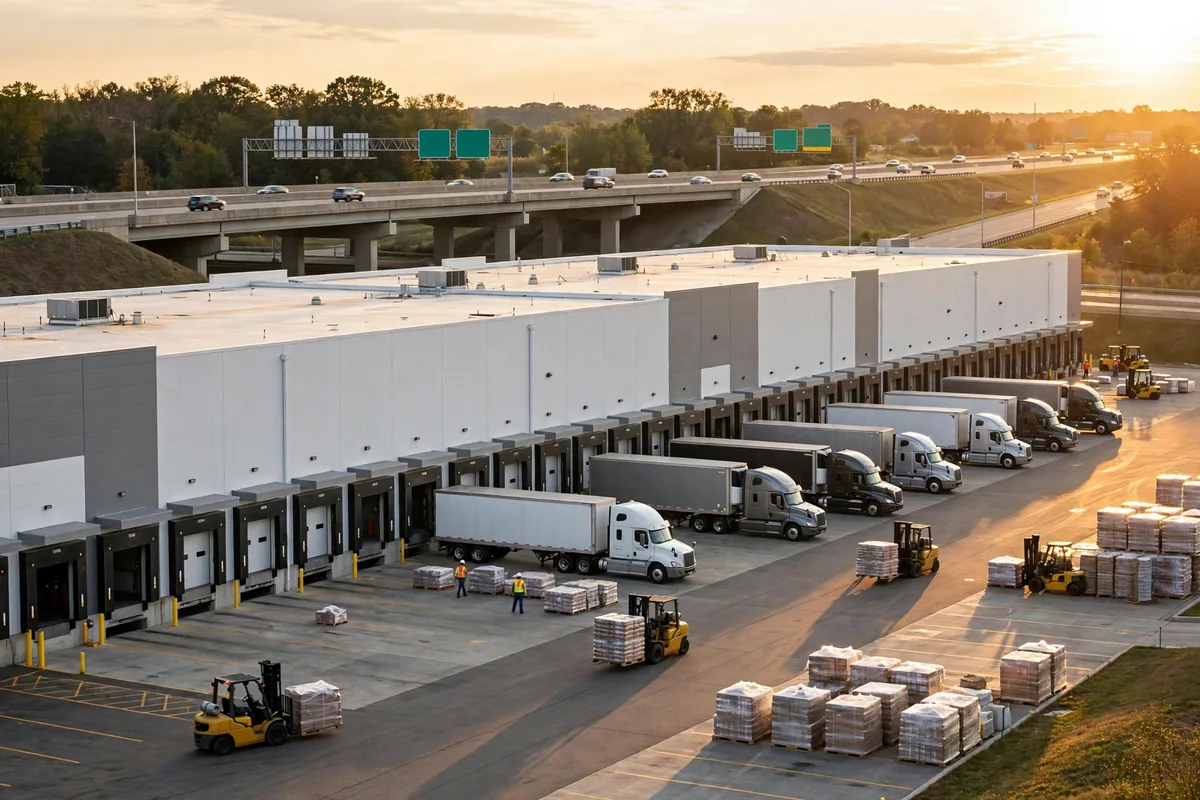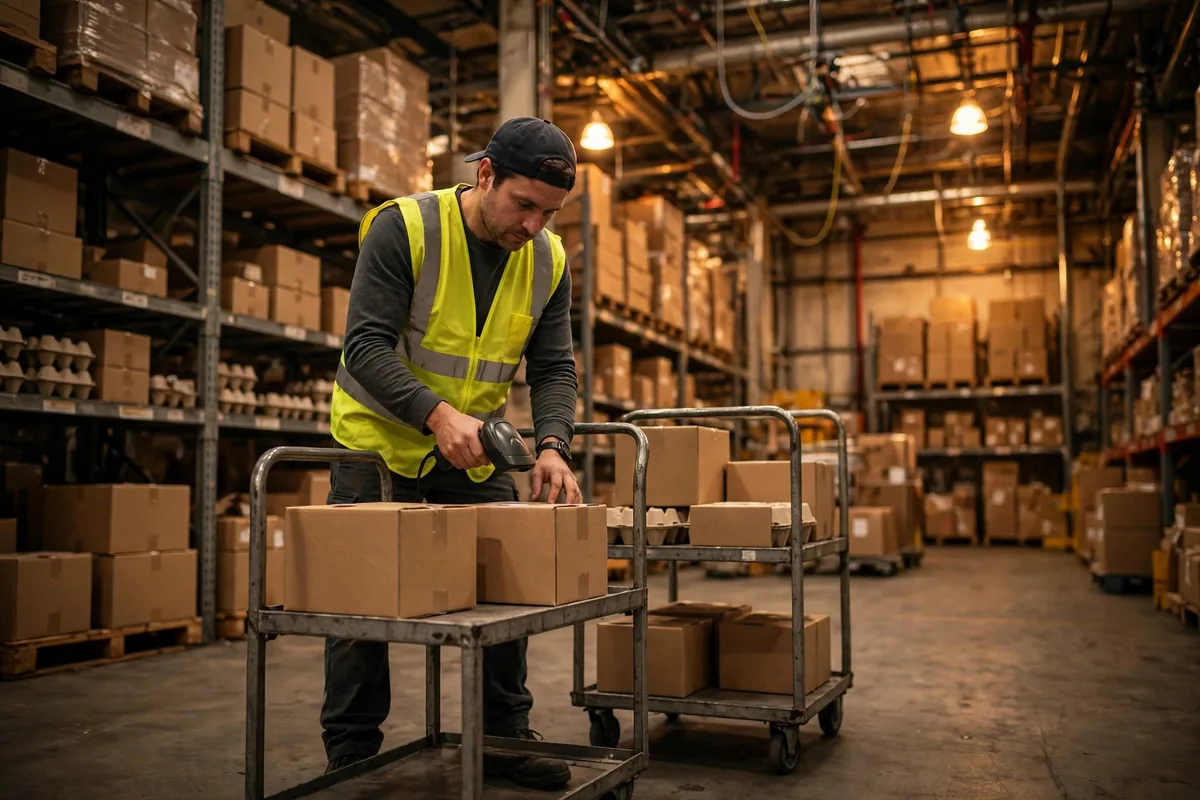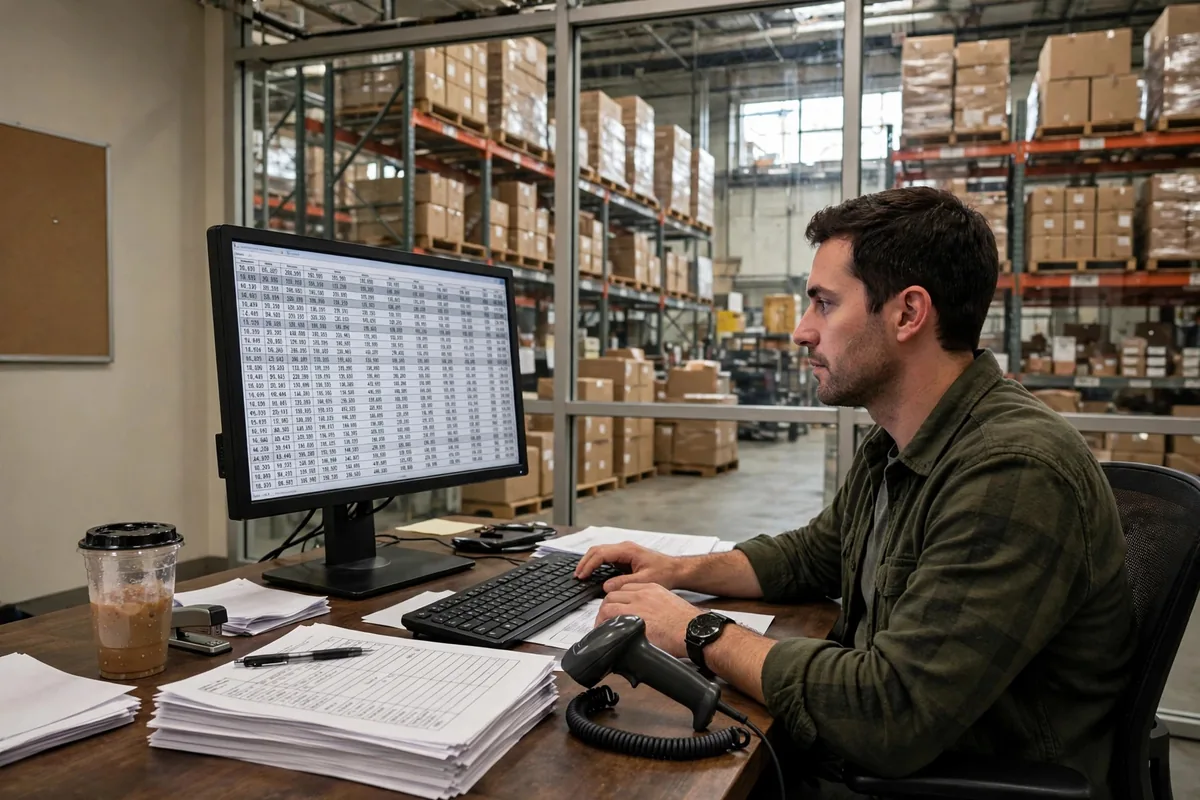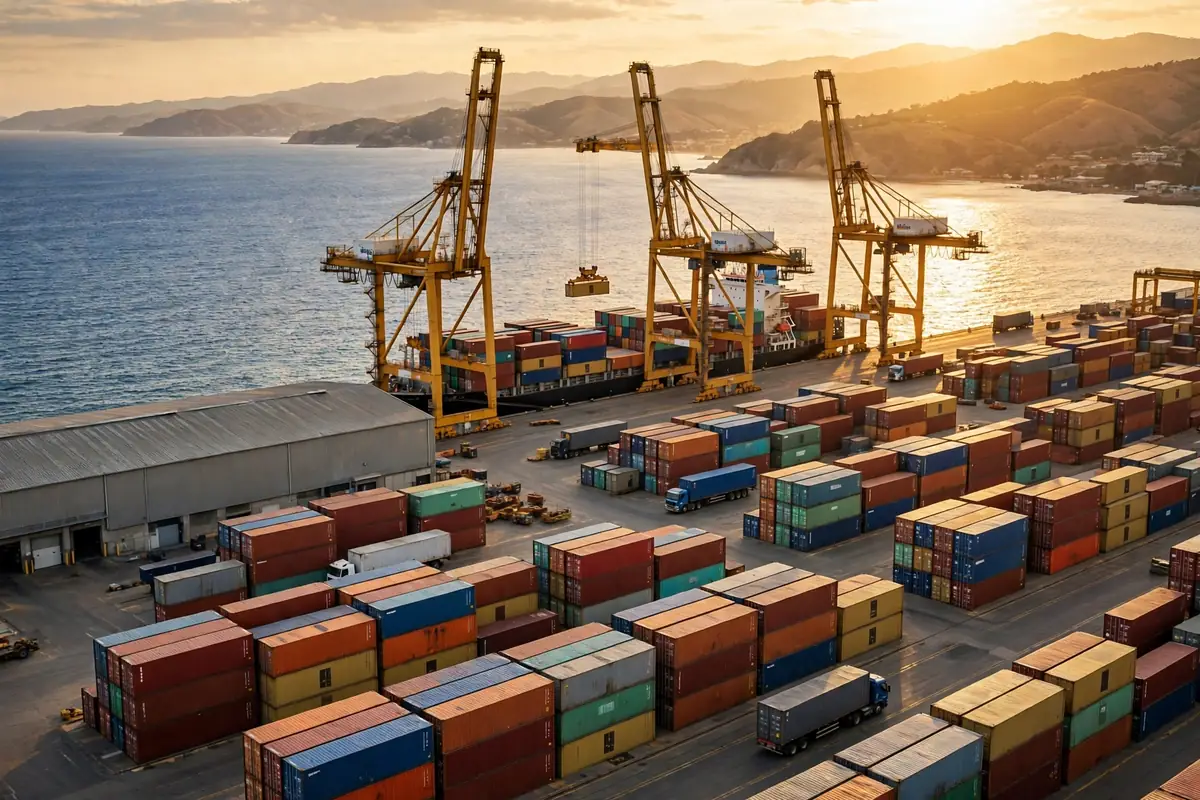
We have a client who exports Chilean cherries, and his whole san antonio chile port warehouse logistics headache starts the same way every season. The thing he fears most is not the orchard. It is the port. One season his reefer containers sat outside the Port of San Antonio waiting for a plug, the temperature inside the boxes creeping up, and he called me asking whether I could "have a word" with the terminal. I told him the truth: terminals do not take a word. They take bookings, plug counts, and whatever priority your contract actually spells out. This topic sounds like a story about docks and sheds. On the contract, it is a story about how money and responsibility get divided.
Let me set the scene with the numbers that matter. San Antonio handled about 1.8 million TEU in 2024, then 2,060,244 TEU in 2025, up about 14% year on year, making it the first Chilean port to break two million TEU in a year. Valparaiso handled about 926,860 TEU in 2025, less than half of San Antonio's volume. The biggest port is not automatically the smoothest port. When cherry season hits, reefer plugs, yard space, trucks, and warehouse labour all tighten at once. Clients ask me whether they should move their warehouse to the port gate. My answer is never yes or no. It is a question back: what exactly is your cargo afraid of? If it fears losing the cold chain, put plugs and priority in the contract. If it fears congestion, split the pickup window and the demurrage risk in writing. If it fears cost, stop comparing warehouse rent alone.
San Antonio Chile Port Warehouse Logistics: Know the Two Terminals Before You Pick a Warehouse
Two terminals do the real work at San Antonio. In 2025, STI handled 59% of the volume and DP World 41%. That split is not decoration. It is leverage at the negotiating table. STI's concession runs to 2030, backed by a $66 million investment and annual capacity of 1.6 million TEU. In plain terms, STI is the workhorse here and the best placed to take large reefer volumes. Chilean cherry exports grew about 30% in 2024, and 15,300 reefer containers moved through STI to Asia that year. Every time I quote that number to a client, I add the same warning: where reefer boxes pile up, plugs are a scarce resource. If you do not lock them in before the season, you will pay more and queue longer when you go looking for them.
We have another client, an importer bringing goods through San Antonio for distribution across central Chile. He started by comparing warehouse rent only and picked a cheaper shed a little farther from the port. Come cherry season, trucks queued outside the port, pickups ran late, his warehouse staff waited for cargo and the cargo waited for trucks, and everything he saved on rent went straight into waiting time and overtime. We changed the approach without changing the warehouse: the contract gained three clauses covering the pickup window, how overtime is charged, and how reefer priority is ranked. The next season, the same warehouse and the same cargo produced a better total bill. The arithmetic below is a hypothetical illustration only, to show the structure, not a real quote: suppose rent saves you a tenth on one line while truck waiting and detention add two tenths elsewhere, and your total cost still goes up. A port warehousing bill can never be judged on the rent line alone.
Here is a counterintuitive point that many shippers dislike hearing: the biggest port is often the worst place for a last-minute shipment. San Antonio passing two million TEU in 2025 tells you it is busy, and busy also means full. Plugs, yard slots, and trucks in peak season go to whoever booked first and whoever has priority written down. If you arrive with no booking and no priority clause, you have effectively accepted the worst place in the queue. The shippers who do well here are the ones with steady volumes and fixed sailing schedules, because terminals and warehouses both like a customer who hands over a plan early. In port warehousing, the winner is rarely the shipper closest to the gate. It is the shipper whose plan reached the other side first.
San Antonio's $4.45 Billion Outer Port Will Not Save This Season
San Antonio has a big project on the way: the Outer Port expansion, $4.45 billion, with target capacity of about 6 million TEU, construction starting in the first half of 2027 and operations in the second half of 2035. That sounds impressive, and it is. But for a client shipping this year or next, it is water a long way off. Capacity in 2035 does not solve a plug shortage in this cherry season. I have watched clients wave the Outer Port news at a negotiation and try to press down current warehouse rent and terminal fees. The other side just smiles. Future capacity is not a present-day discount, and nobody at the table treats it as one.
So what is the Outer Port news actually good for? It shapes your three-to-five-year footprint, not this year's contract. Target capacity of about 6 million TEU means the port will take more transshipment and bigger vessels, and warehousing, yard space, and distribution networks will spread outward with it. If you are signing a long warehouse lease now, the term, the expansion right, and the exit clause all need to reflect that timetable. You can start small, but the right to expand should be written in stone, and the exit window should stay open, so you are not locked into a spot you may need to leave. If you only ship one cherry season, keep the contract short and flexible, and do not let "a longer term is cheaper" carry you away. A long term is cheaper only if your volume can genuinely fill it.
I tell clients to read port news on two levels: what it changes this year, and what it changes about where you should be in a few years. The Outer Port belongs on the second level. It deserves a line in your three-year plan. It does not deserve a line in this year's price argument. Treating a future benefit as a present bargaining chip is the line sellers love to hear from buyers, because it tells us you do not really have a card to play.
San Antonio Contracts: Before You Sign, Ask These Three Questions
Negotiations are where shippers lose money most often, and the loss is rarely the headline price. It is the question that never got asked. For a San Antonio port warehousing contract, here are the three questions I want you to ask out loud, and get written down, next time you sit at the table.
First, how are reefer plugs guaranteed? How many plugs in peak season, what is the booking window, who is responsible if power fails, and who pays first if temperatures go out of range? If those points are not written down, a failure turns into two sides telling different stories. With 15,300 reefer containers moving through STI to Asia in 2024, plugs at that scale are never a matter of "there should be one." They exist only if you locked them in early.
Second, when pickups run slow, who carries the cost? Truck queues, yard congestion, and customs inspections can each eat hours, and the cost should sit with whichever link caused the delay. Many contracts list warehouse rent and handling fees and say nothing about overtime or detention, which leaves the cargo owner as the party who absorbs everything at the end. In san antonio chile port warehouse logistics, this is the hardest part of the total cost to calculate, and the most worth pinning down before you sign.
Third, how does the deal flex when volumes swing? Cherry season pushes volumes up, the off-season pulls them down, so can rent follow actual usage, can labour scale with it, and what triggers a peak-season surcharge? Get those three questions answered and the price in the contract starts to mean something. Without them, the "low price" you negotiated may simply have moved the cost from the visible rent line to the invisible waiting and expediting lines.
We have a client who re-negotiated on exactly those three questions last year. Same terminal, same warehouse, and his total cost came under better control than the year before. His negotiating technique did not suddenly improve. He finally started negotiating the way the port actually works, instead of negotiating the numbers printed on a quotation. San Antonio is a good port: big volume, strong cold chain, and an Outer Port expansion ahead. But a good port is not the same as a good contract. A good contract is something you ask for, out loud, before you sign.
By Susan, 3PL Sales Director