Here is my verdict up front: give inspected returns their own restock zone instead of putting everything back in its original slot. I know, I know — putting it back where it came from sounds like the tidy, logical thing to do. We tried it. We timed it for a week. And the numbers made me want to flip a table: putaway-to-original is the most expensive option on the menu. We are a small warehouse. We cannot afford expensive.
Our mess: when returns pile up, resalable goods turn into chaos
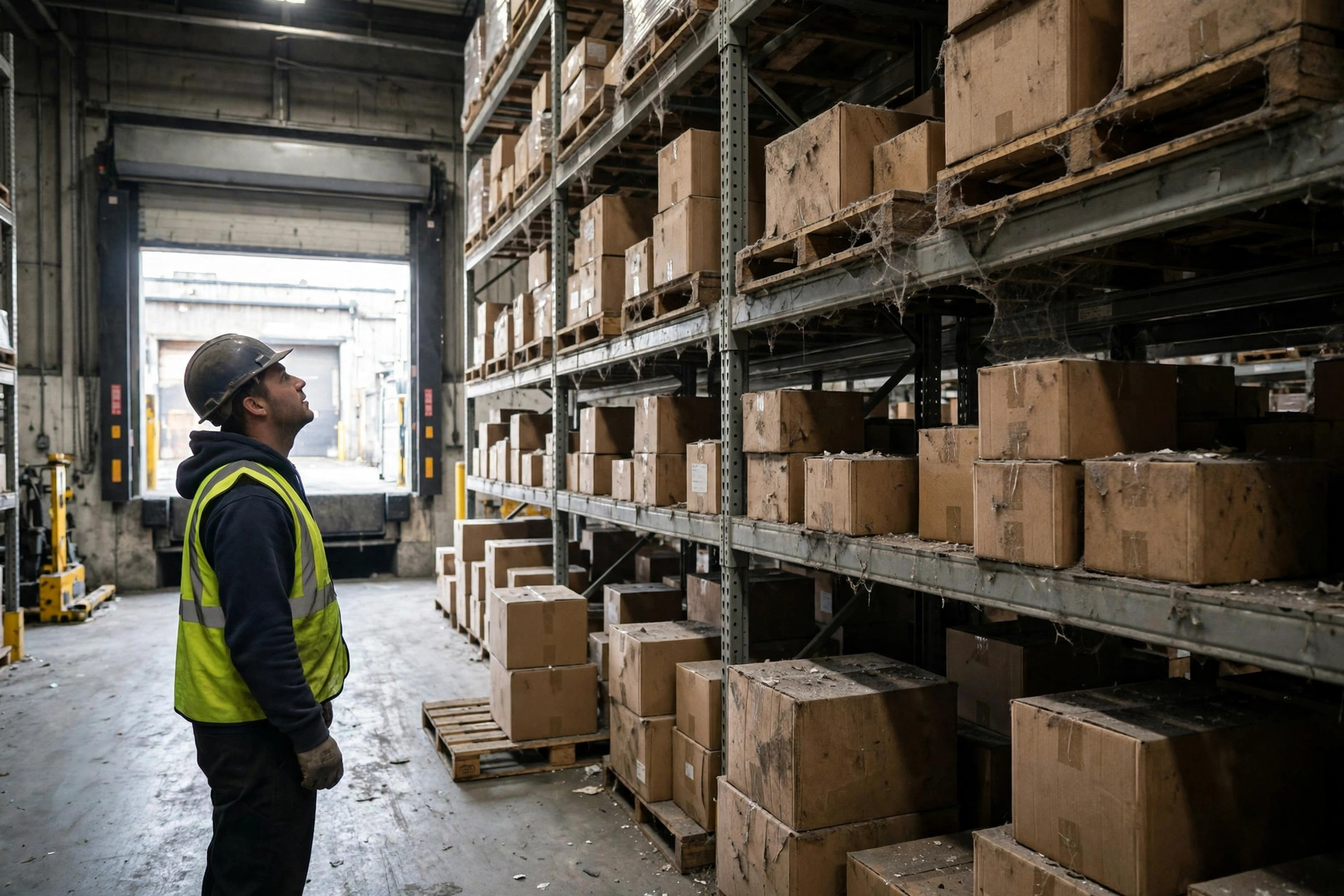
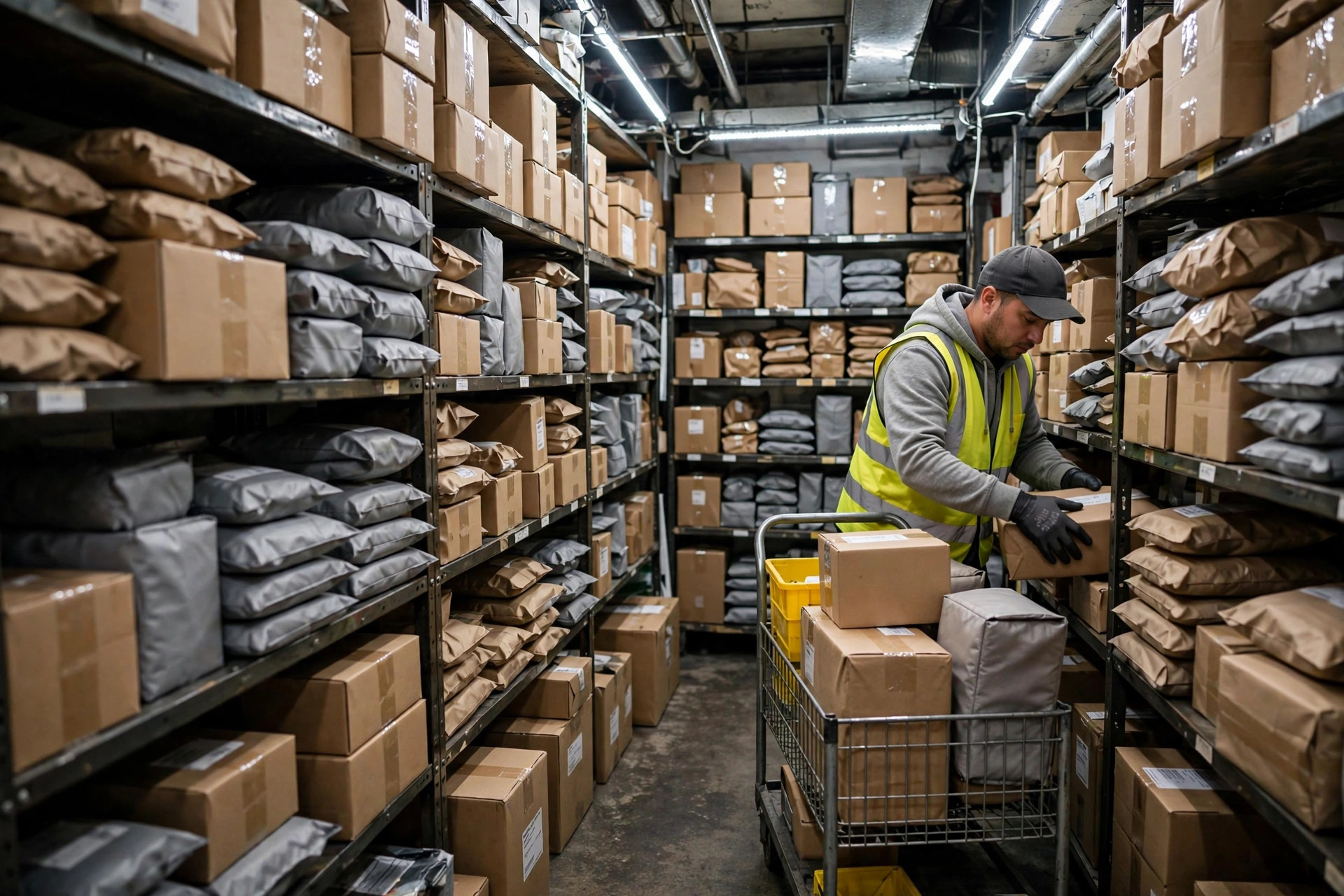
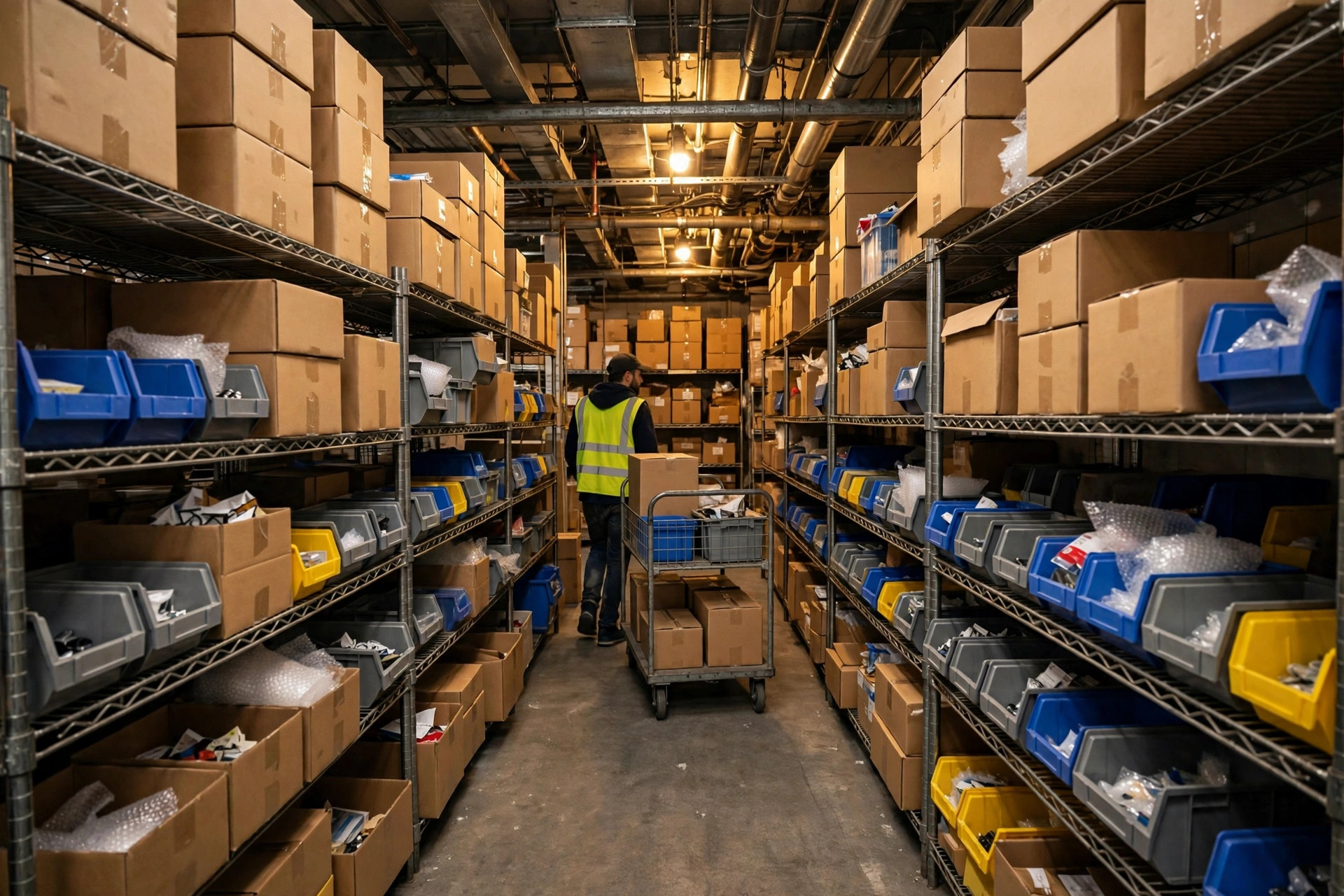
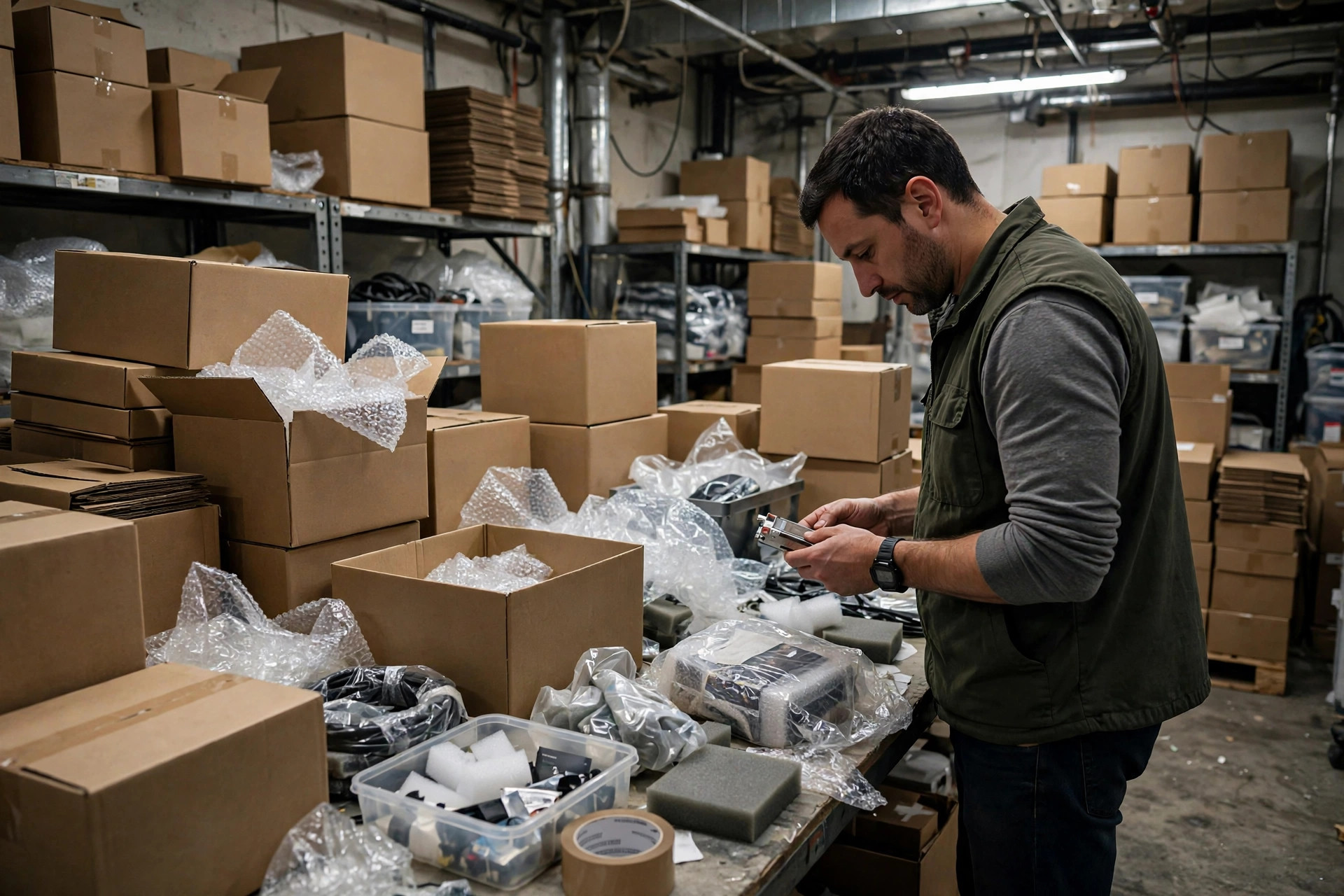
End of May this year, our returns corner was sitting on 400+ units. Old Chen, our inspection guy, stood in the middle of the pile with that thousand-yard stare. Returns kept flowing in, and the good ones, the broken ones, and the ones headed for clearance were all having a party together. The inspected-good ones had nowhere to go, so they got stacked in the aisle by the returns area. Pickers walked past, grabbed what "looked right," and grabbing wrong was just... a normal Tuesday.
It had already bitten us once. Late November 2025, Black Friday returns season, volume tripled in a week and the good returns spilled out toward the fire lane. A picker in a rush grabbed something from the pile that looked like the right item, shipped it, and the customer sent it right back. One unit returned twice. We ate the freight both ways and got yelled at. After that, I swore we needed real rules for inspected returns putaway.
Our first rule was "put it back where it belongs": inspect it, look up the original slot, wheel it back. Sounds scientific, right? That is what the big guys' WMS does. We ran it for two weeks, and it nearly broke us.
Putaway-to-original vs. restock zone: we timed it, here is the math
Our warehouse is about 3,000 square meters, roughly 2,000 SKUs, 700 to 900 returns a month, and about seventy percent pass inspection. During those two weeks of putaway-to-original, I had Xiao Zhao stopwatch everything. Fair warning: these are our own rough numbers from our own floor, not lab data — treat them as one small warehouse's field notes.
| Putaway-to-original slot | Restock zone (next to inspection bench) | |
|---|---|---|
| Avg time per unit | 3-4 min (find slot + walk + shelve) | about 40 sec (the rack is right there) |
| 50 units a day costs | Nearly 3 hours | Under 40 minutes |
| Wrong-slot putaways | 3 in two weeks | Zero |
| Crew feedback | "My legs are filing for divorce" | "Barely noticed it" |
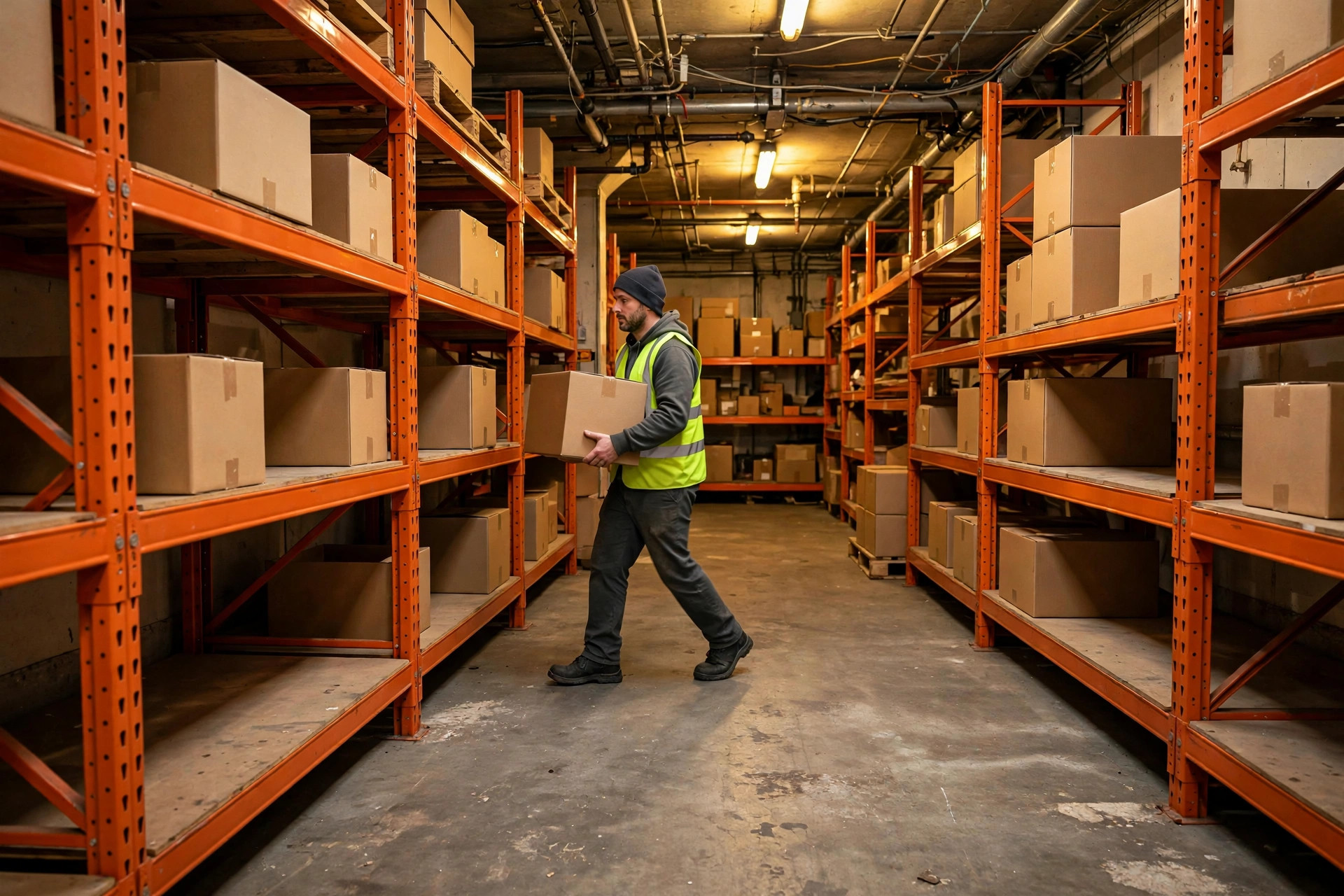
Why is putaway-to-original so brutal? Because in a small warehouse, SKUs are scattered everywhere. One returned unit belongs in aisle 3 of zone A, the next one in aisle 7 of zone D. Your guy is basically doing a warehouse sightseeing tour with a cart. Big companies have a WMS doing wave planning and travel-path optimization. What do we have? Two legs and a piece of paper. Putaway-to-original is a system built for big operations with big software. Copying it into a small warehouse is paying premium prices for premium suffering. That is my counterintuitive take, and I will die on this hill.
Time for my anti-big-company rant: those glossy case studies about "automated returns putaway" look great until you notice the six-figure software and the dedicated slotting team behind them. We cannot afford that kind of money. So we went full dirt-cheap instead.
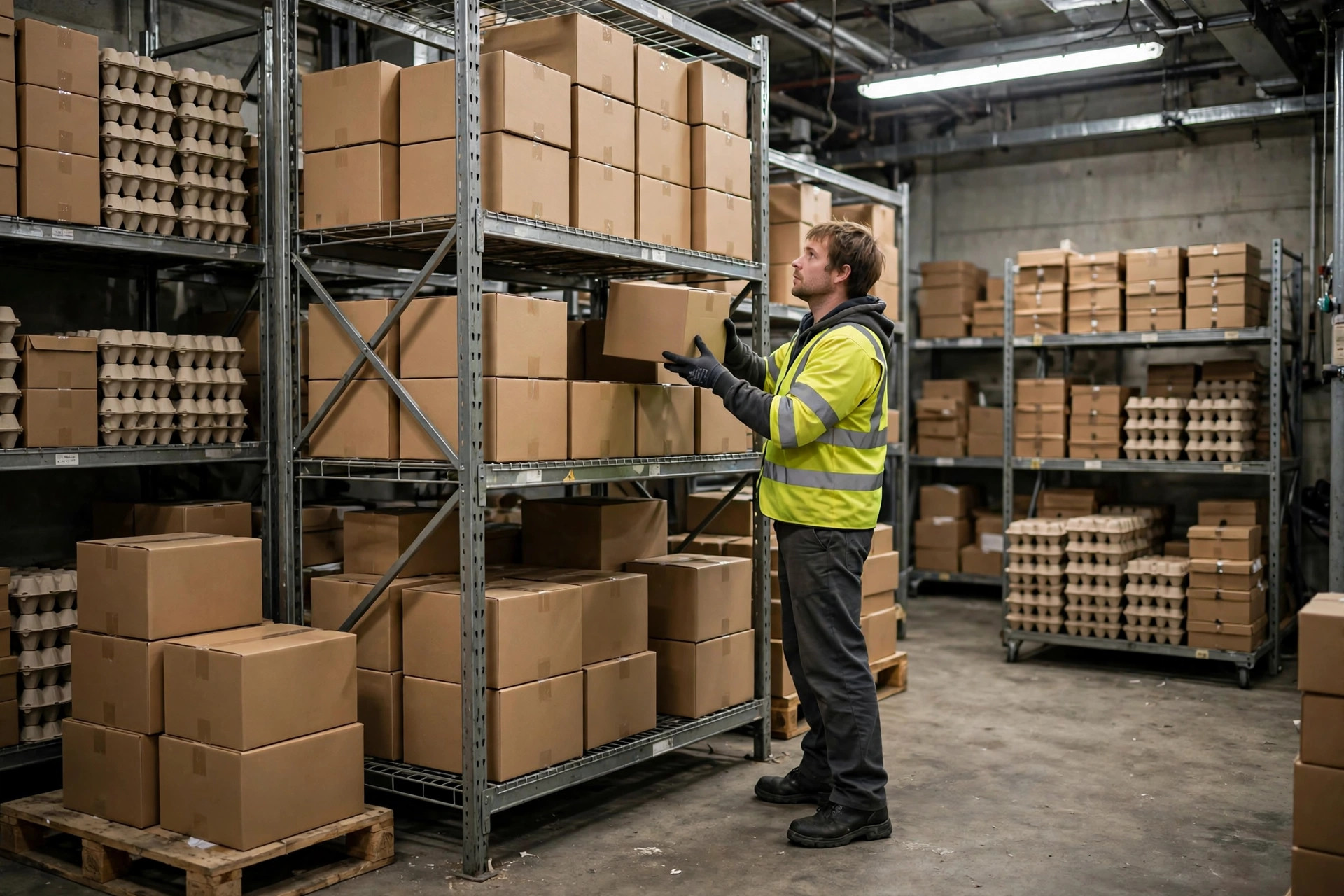
Our dirt-cheap fix: a three-tier restock system
After the pain, we built a three-tier system. Total cost: two old racks we already had, plus some handwritten labels.
Tier 1: frequent returners get their own restock zone. We cleared two racks right next to the inspection bench for the "usual suspects" — SKUs that come back a dozen-plus times a month. Every warehouse has these. Ours is a pair of Bluetooth earbuds: 30+ returns a month, and most of them pass inspection just fine. These go straight from inspection to the restock zone, and pickers pull from the restock zone first. It is basically a shortcut lane for the regulars.
Tier 2: rare returners go back to the original slot. Something that comes back twice a month? Sure, wheel it back. The volume is tiny, a few extra steps will not kill anyone, and it keeps the restock zone from overflowing.
Tier 3: dead-stock returns go straight to clearance. This is the sneaky genius tier. Some returns pass inspection but the SKU has not sold in three months. Why put it back on the shelf? So it can collect dust until its next return trip? We slap a red tag on it and send it to the clearance corner for a weekend blowout. Returns inspection doubles as a dead-stock screening — two birds, one stone.
Our tiering rules are crude but they work: 10+ returns a month goes to the restock zone, under 10 goes back to the original slot, 90 days of no movement goes to clearance. The numbers do not need to be precise, the direction just needs to be right. That is how small warehouses roll: get it moving first, optimize later.
Results? First month in, daily returns-putaway labor dropped from nearly 3 hours to just over 1 hour. Wrong-slot putaways basically vanished. And the surprise bonus: clearance. Dead stock used to nap on the shelves forever; now the returns flow flushes it out, and we move dozens of units a month, clawing back a few thousand bucks. Old Chen inspects, sorts, done — barely has to think about it.
Advice for fellow small warehouses: do not copy the giants, copy your neighbor
If you are running a few thousand square meters and returns season turns your floor into a yard sale, three things:
First, the restock zone must hug the inspection bench. Distance is money. Skip the "system-optimized slot" fantasy — your crew's legs are your biggest cost center.
Second, tier by return frequency, do not one-size-fits-all it. Frequent flyers get the shortcut, rare ones take the long walk, dead stock gets the exit. One handwritten label does the job; you do not need software.
Third, returns inspection is the best dead-stock screening you will ever get. The unit is already in your hands — glance at its sales velocity. Broken goes to the repair pile, good-but-unsellable goes to clearance. Do not let it go back to sleep on a shelf.
The big-company playbooks are fun to read. Copying them means copying their budgets too. Small warehouses have their own way of surviving: it is scrappy, but the math works, the crew does not curse your name, and the goods stop going missing. That is plenty.
By Xiao Ma, Small Warehouse Owner