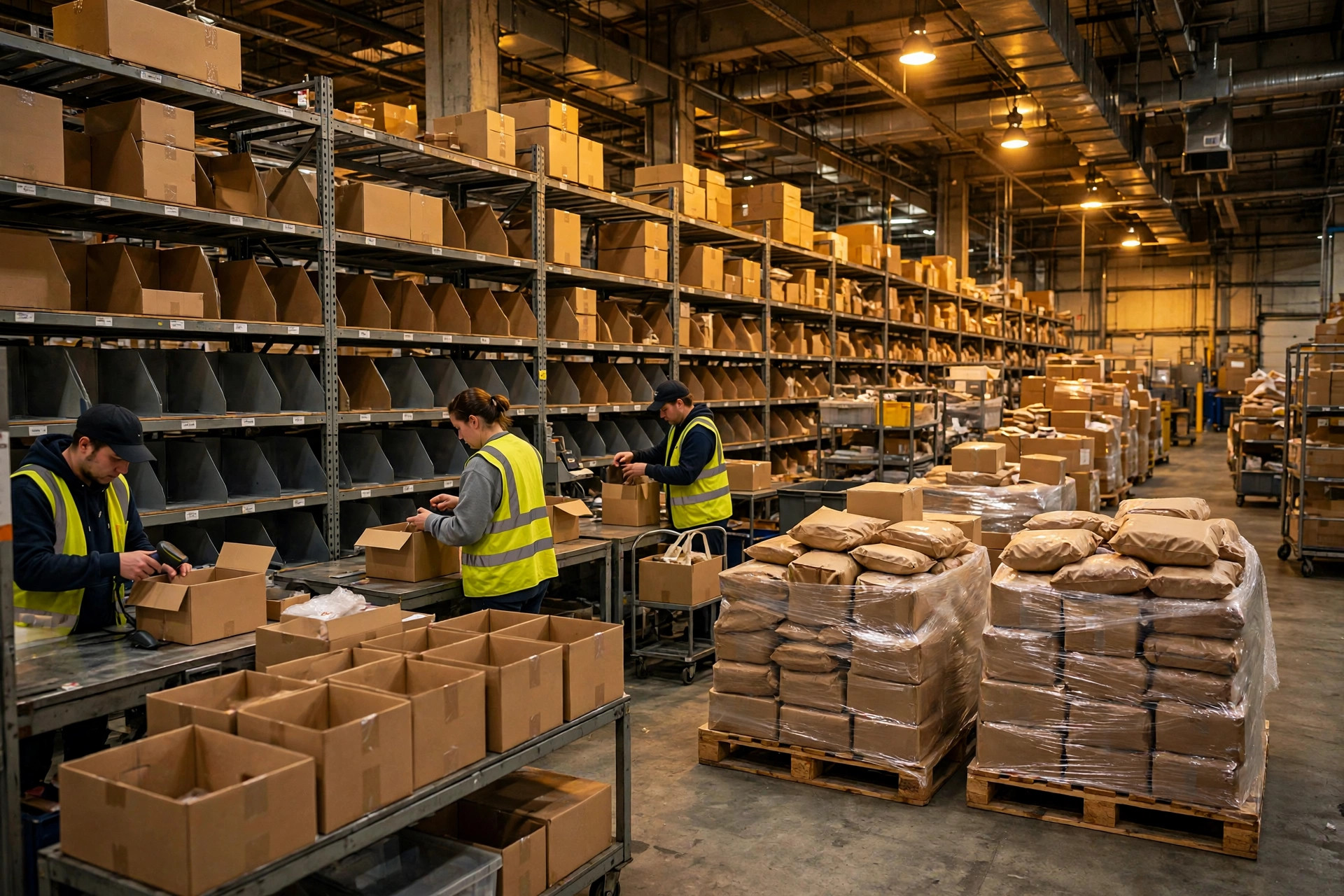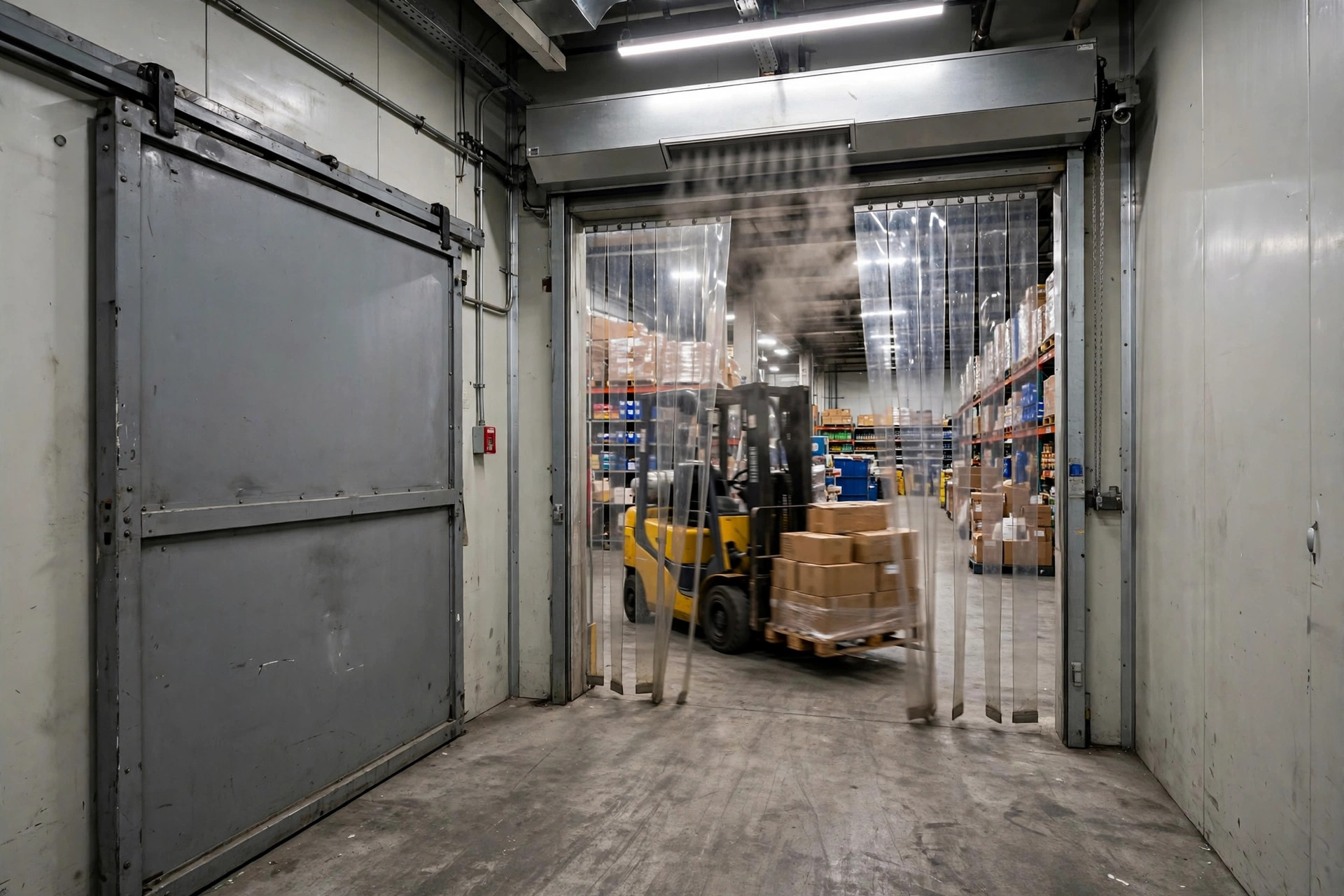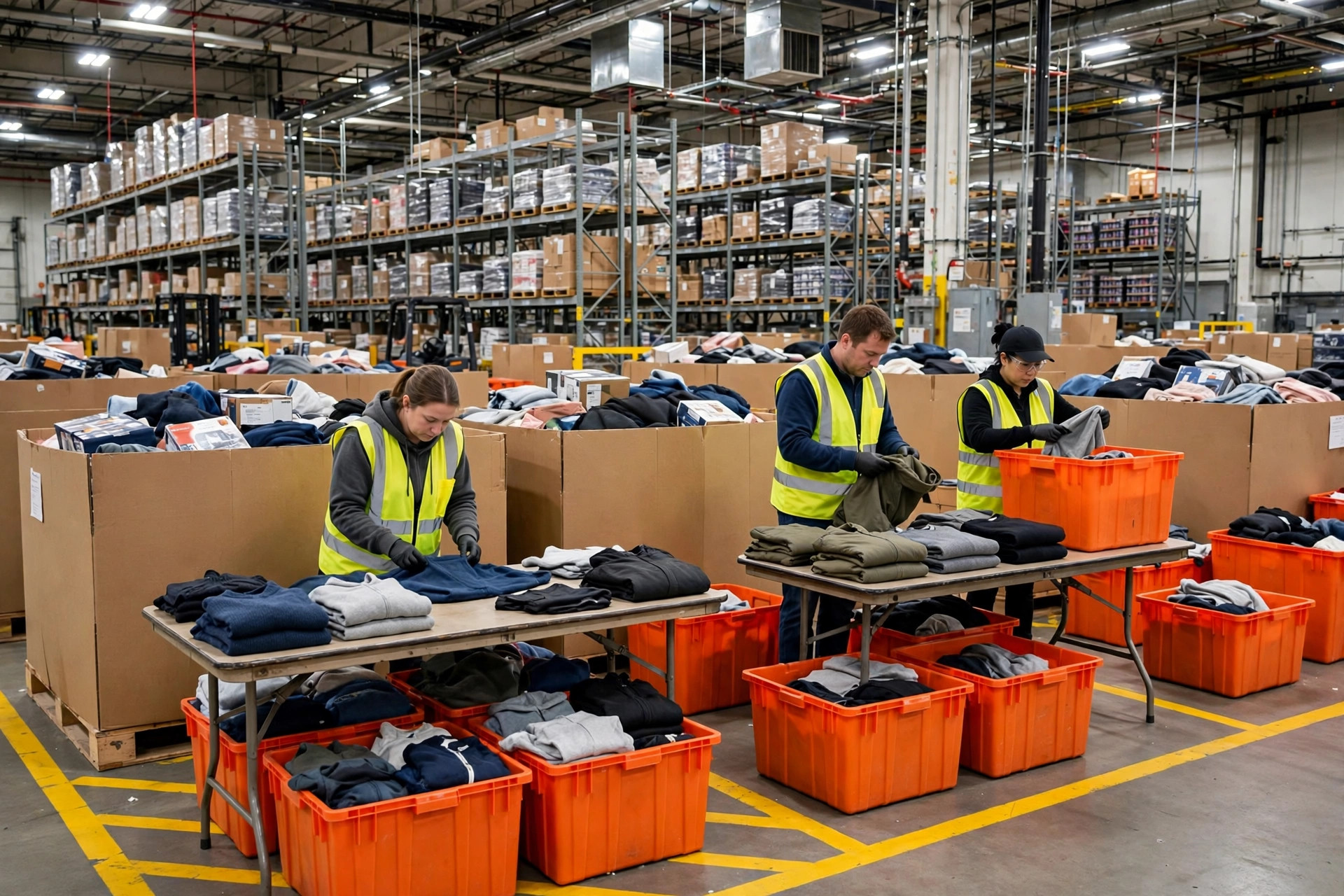
Last month I walked a 3PL in Chino that does apparel fulfillment, and the owner showed me the problem before I'd taken ten steps inside. Returns were piled in the same zone as good stock — returned garments stacked right next to forward pick locations, not even a line on the floor between them. One of the pickers told me he'd shipped a stained returned jacket to a new customer the week before. The customer sent photos, the owner's wife drove out to apologize in person, refund plus a gift card, over a hundred dollars gone on one order. That wasn't his fault. That was a layout failure.
Mixing returns with regular stock saves a little floor space and costs you in three places that never show up as one line item. Let me put numbers and shape on all three, then give you a sizing formula you can run this afternoon and a returns flow you can copy outright.
What mixing actually costs: three quiet leaks
The first leak is mispicks. Returns have one nasty property: they look identical to good stock but aren't. Same style, same color, same size — a returned garment with a faint stain is indistinguishable from a new one at arm's length. Mixed together, pickers can't tell them apart by eye, and they shouldn't have to. One mispick ships a defective unit, and then comes the support ticket, the reshipment of a good unit, and the defective one coming back a second time. The labor plus freight plus appeasement on that loop routinely costs several times the order's margin. The worse cost is the customer: a buyer who receives a garment that smells like someone else's closet is gone for good.
The second leak is phantom inventory. Returns that arrive without a dedicated zone and a dedicated receiving step effectively vanish — physically sitting in a returns pile while the system has no idea what state they're in. Units that could be resold never get put away; units that should be scrapped keep occupying inventory counts. The system says you have stock, the picker walks over and finds a heap of uninspected returns. Or the reverse: sellable units sit in "pending" limbo and miss their selling window. In apparel, missing two weeks of season can gut the residual value.
The third leak is double-handled inspection labor. In a mixed warehouse, returns have no fixed home — here today, shoved over there tomorrow. Every unit gets dug out and moved several times before it ever reaches a real inspection. Do the math: one return touched uselessly three times, two minutes a touch, a thousand returns a day — that's a hundred labor-hours a day spent on nothing. A standalone returns area isn't about tidiness; it's about every return being touched exactly twice: once at receiving, once at inspection, then straight into its disposition lane.
Sizing it: work backwards from your return rate
Don't guess the square footage. Derive it:
Returns area = daily return units × average dwell days × footprint per unit × 1.3
Daily return units = daily shipped units × return rate. For apparel e-commerce, a 20 to 30% return rate is ordinary, higher after peak season — use your own trailing three months, not an industry average. Average dwell days is how long a return sits from arrival to "graded and routed," which is itself a management report card: a tight operation runs three to five days, a sloppy one stretches to two weeks. Footprint per unit depends on your category — folded apparel runs about 0.1 square meters. The 1.3 covers aisles and working space.
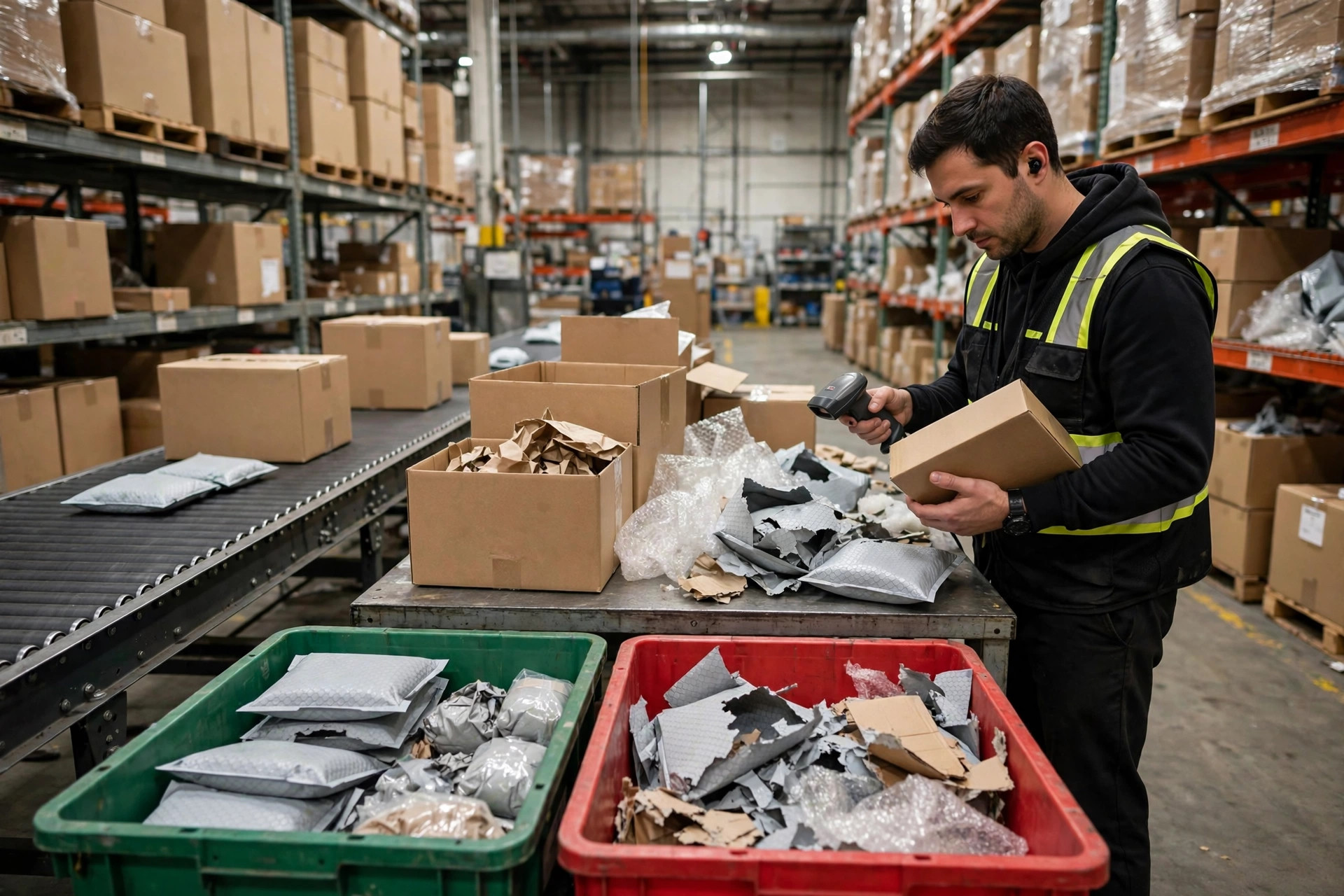
Worked example: 5,000 units shipped a day, 25% return rate, that's 1,250 returns a day. Four days of dwell puts 5,000 units in the zone. At 0.1 square meters each times 1.3, you need 650 square meters. It looks big because the demand is big. An undersized returns area overflows — and it overflows into good-stock locations, which brings back all three leaks from the previous section.
One more thing: hold 20% flex capacity. The post-peak returns wave lands one to two weeks after the shipping wave. You do not want to be figuring out where to unload it when the trailers show up.
Four steps, in this order, no skipping
The returns flow has four steps: receive, inspect, grade, restock or dispose. The order is the whole point.
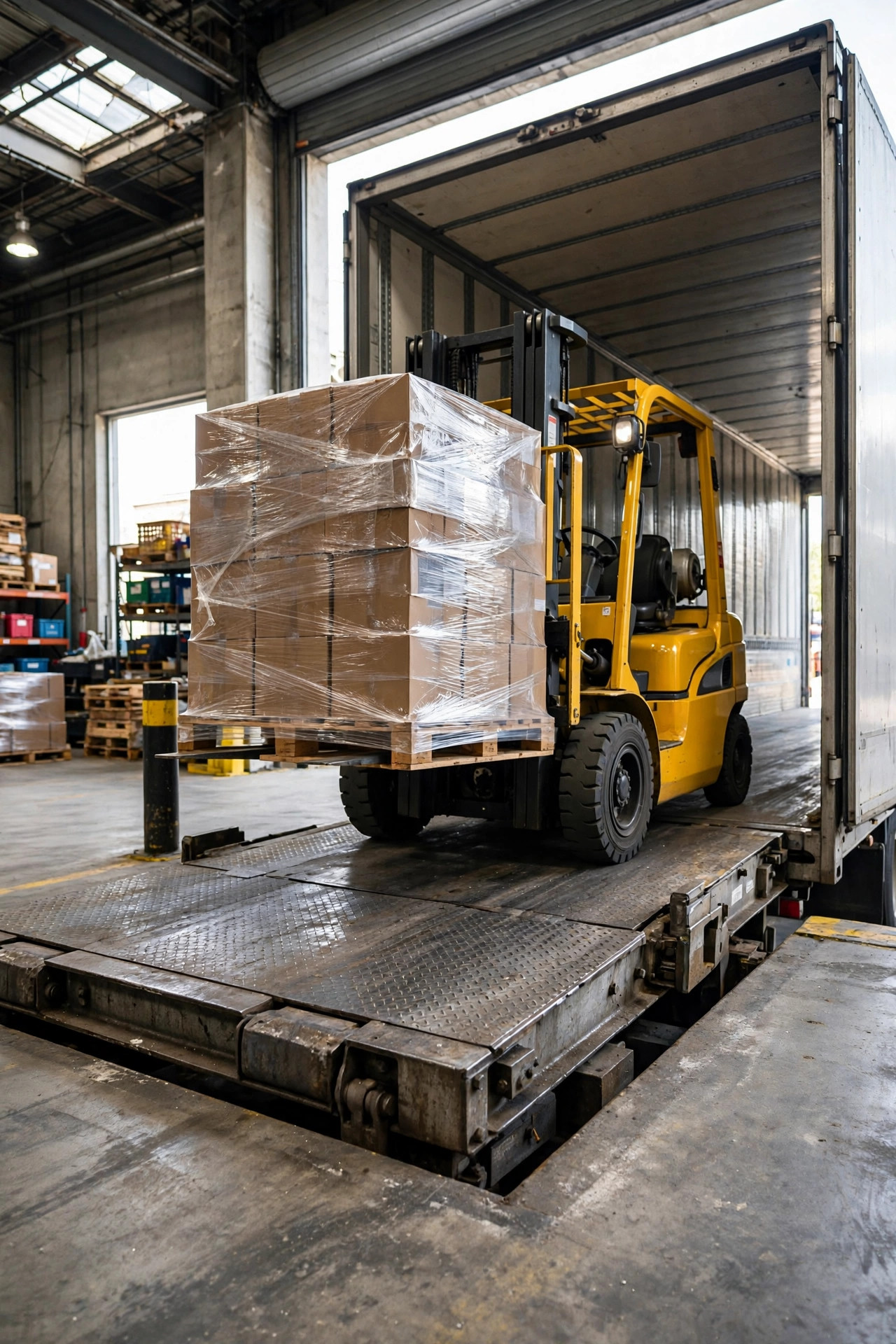
Receive: returns deserve their own dock door; if that's impossible, their own unloading window. Mix returns receiving with regular inbound and the phantom-inventory leak comes right back. Receiving does exactly one thing: count units, tag them as returns in the system, status "awaiting inspection." No judgment calls at this stage.
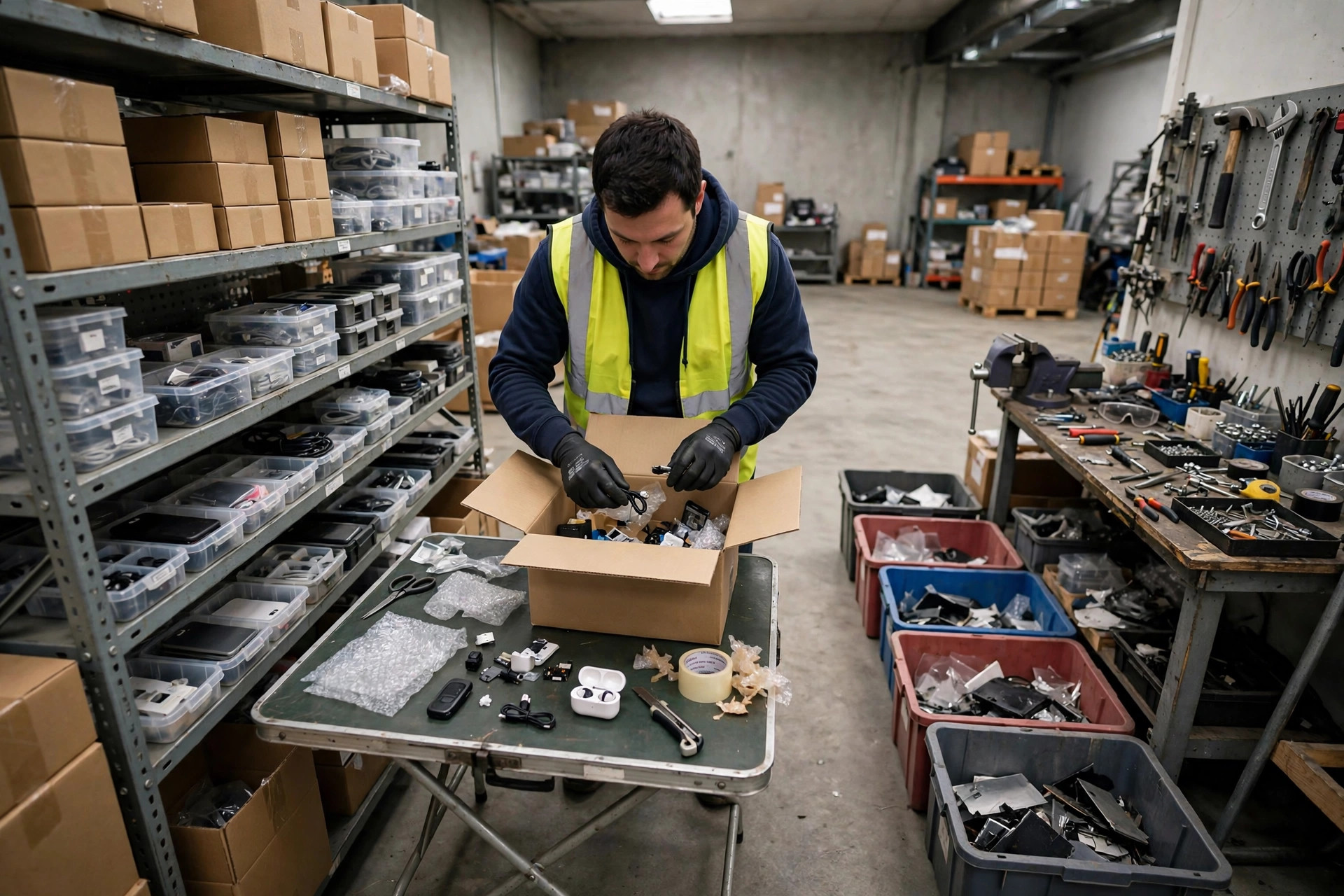
Inspect: staff inspection tables to volume. A practiced inspector clears two to three hundred apparel units a day checking three things — appearance, tags, odor; no disassembly, no try-ons. Work backwards from that to your table count. And the grading standard has to be written down and taped to the front of the table: what counts as resellable, what needs cleaning, what's scrap. A verbal standard is no standard — two inspectors, two verdicts on the same jacket, and your returns area is chaos by Friday.
Grade into exactly three buckets, not five. A: straight back to stock (tags intact, no wear). B: discounted or repaired (cleanable marks, a missing button). C: scrap or donate. The moment grading is done, the unit leaves the area: A goes back to forward stock the same day, B to the discount lane, C to the scrap cage. There is no fourth bucket called "pending." Pending is just permanent storage with a polite name.
Restock or dispose: put an SLA on A-grade restock — back on the shelf and sellable within 48 hours, flagged red if it slips. A returned garment listed a week sooner versus a week later is not the same money. C-grade disposal needs two signatures, because good product has a way of getting "scrapped" into somebody's trunk. Don't laugh; I've seen it more than once.
Here's your standalone-returns checklist for tomorrow's floor walk: physical separation from good stock (yellow tape or fencing both count); returns on their own location-numbering range; a dedicated receiving window or door; enough inspection tables for your volume (work it backwards from the rates above); the grading standard written and posted; a 48-hour SLA on A-grade restock; two-person sign-off on scrap. Miss three or more of the seven and your returns are effectively mixed with good stock — and none of the three leaks will spare you.
If a full rework isn't in the cards, do one thing tomorrow morning: run yellow tape around the returns pile. Inside the tape is returns, outside is good stock, and nothing inside the tape ships to a customer, ever. One line on the floor. Check your mispick rate a month later — the numbers will make the argument for you.