It finally reached us small guys. When this year's R22 quote landed on my desk, my first thought was: there's no way our little warehouse can afford this.
Let me get the timeline out of the way, in case anyone still thinks this is far off. R22 is an HCFC, and under the Montreal Protocol's phaseout schedule for developing countries like China: frozen in 2013, cut 10% by 2015, cut 35% by 2020, cut 67.5% this year (2025), and cut 97.5% by 2030 — with just 2.5% left for servicing old equipment. China's own national plan for 2025–2030, published by the Ministry of Ecology and Environment, follows exactly that schedule, with consumption-side cuts hitting 73.2% this year. Quotas shrink every year. Of course the price keeps climbing.
And it gets worse. HFCs — R404A, R507, the refrigerants most systems run on today — are next. China accepted the Kigali Amendment in 2021, froze HFCs at baseline levels starting 2024, and faces a 10% cut by 2029, stepping down all the way to an 80% cut by 2045. So no mainstream refrigerant gets to sit this one out. The environment ministry has even floated a draft rule banning production of R22-based multi-split air conditioners from January 1, 2027 — they're coming for home AC units, so industrial refrigeration will only get stricter, not looser. (Check the latest official schedule for the exact dates.)
Our predicament: two ten-year-old units, both running R22
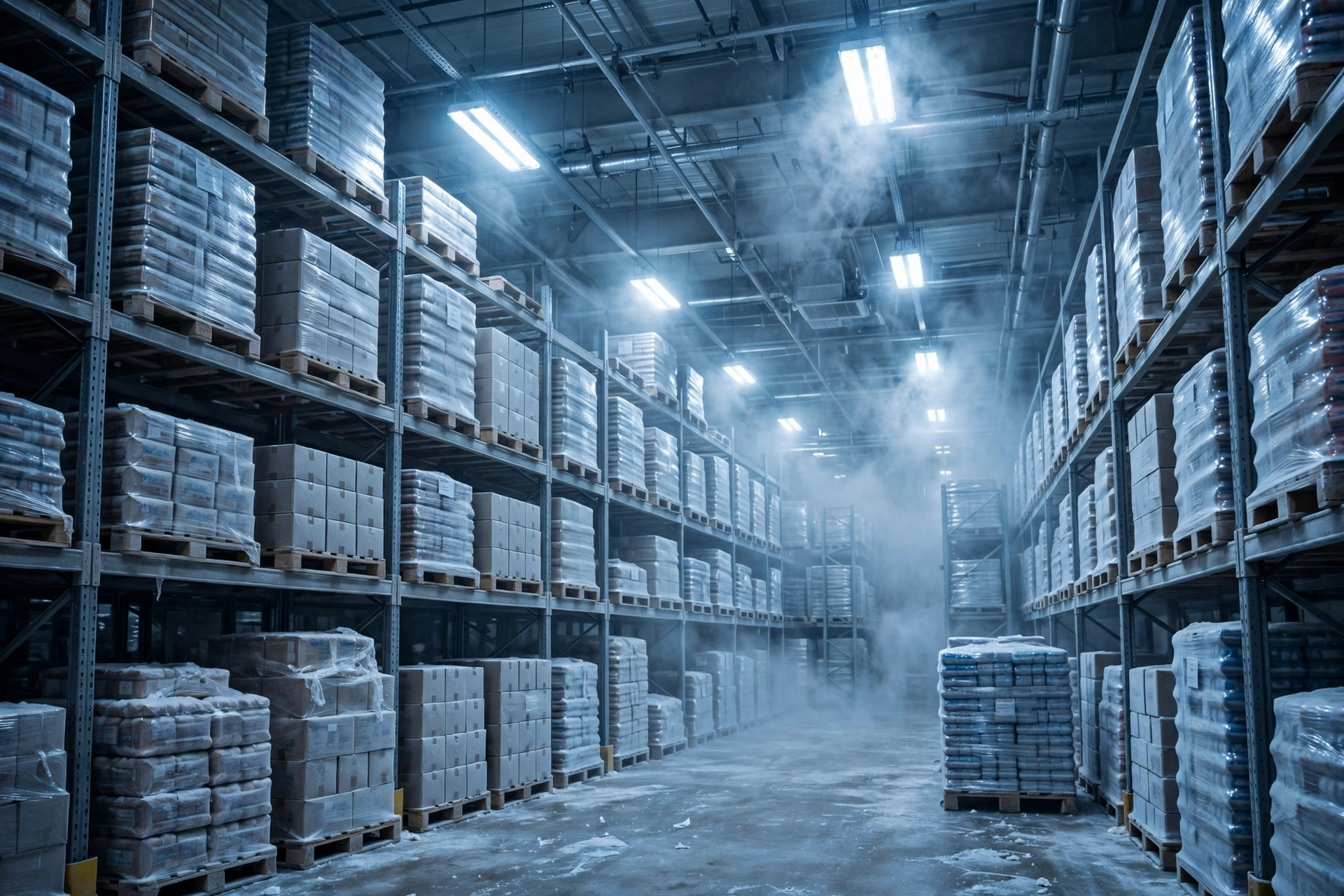
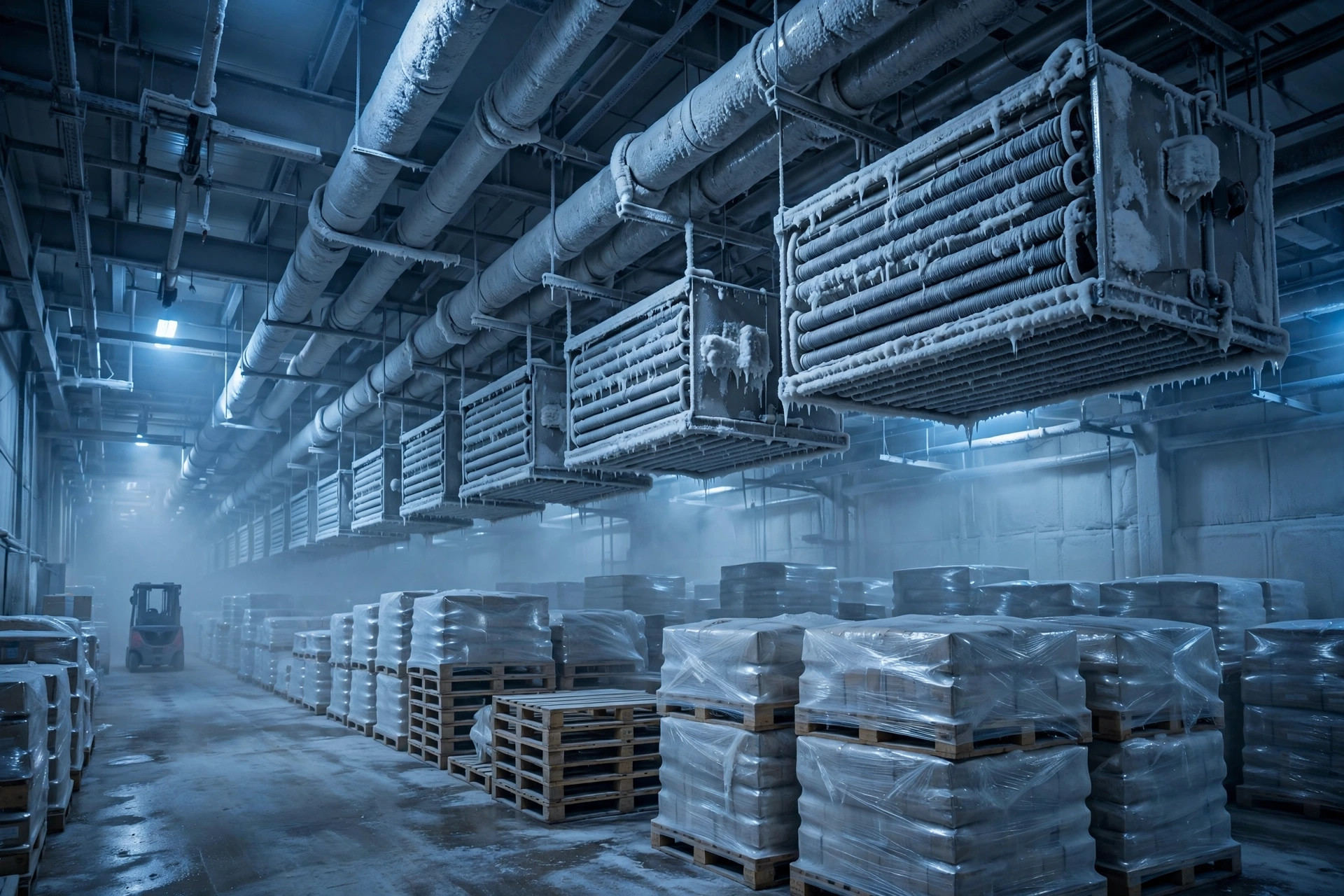
We run a 3,000-square-meter cold storage — frozen goods plus some chilled. Two compressor units, nearly ten years old, both on R22. Last year our refrigeration tech told me the system naturally loses a few dozen kilos a year to leakage and that's just normal. I shrugged it off. Looking back now: every kilo that leaks out is being burned at next year's price. R22 goes up every year, and topping up went from "routine expense" to "the painful line item."
I had three options. I ran the numbers on each.
Three ways to switch refrigerants, costed out one by one
Option one: keep calm and carry on — keep topping up R22. Upside: zero retrofit cost, order today, top up tomorrow. Downside: it's a slow boil. Quotas tighten every year, prices rise every year, and after 2030 the market will basically only have reclaimed refrigerant. If one day you can't buy any, your units just stop. This only works if your equipment has two or three good years left and you already have a replacement plan — as a bridge, not a strategy.
Option two: swap the refrigerant, keep the units. Pump out the R22 and drop in an alternative like R422D. Sounds great, but there's a bill attached: compressor oil, expansion valves, filter driers, seals — inspect what needs inspecting, replace what needs replacing — plus a full system flush. Our tech quoted us tens of thousands of yuan per unit and three to four days of downtime. After the swap, cooling capacity drops a few percent and the power bill ticks up — putting new refrigerant in an old unit is like putting premium gas in a beat-up car. It runs, but don't expect more horsepower. This fits units whose bones are still solid, compressors healthy, with another five or six years in them.
Option three: rip and replace. Our neighbor Lao Wang did this last year at his frozen warehouse — two brand-new units, hundreds of thousands of yuan, half a month of shutdown. New units are efficient, power bills drop, and long-term it's the cheapest answer. But when we ran our cash flow: hundreds of thousands up front means parking half a year's profit, plus a shutdown that could land in peak season, with customers blowing up our phones. It's the "correct but expensive" answer. Big companies can play that game. We can't.
Here's the rough table I drew up:
| Option | Upfront cost | Downtime | Long-term cost | Who it's for |
|---|---|---|---|---|
| Keep topping up R22 | Near zero | None | Rises every year; supply risk after 2030 | Units with 2–3 years left and a replacement plan |
| Retrofit refrigerant | Tens of thousands yuan per unit | 3–4 days | Power bill up a few percent | Solid units you want to run 5–6 more years |
| Full replacement | Hundreds of thousands yuan | ~Half a month | Cheapest long-term | Strong cash flow, units at end of life |
The cheap trick everyone skips: fix the leaks first
We went with option two, plus one move most people overlook: fix the leaks first.
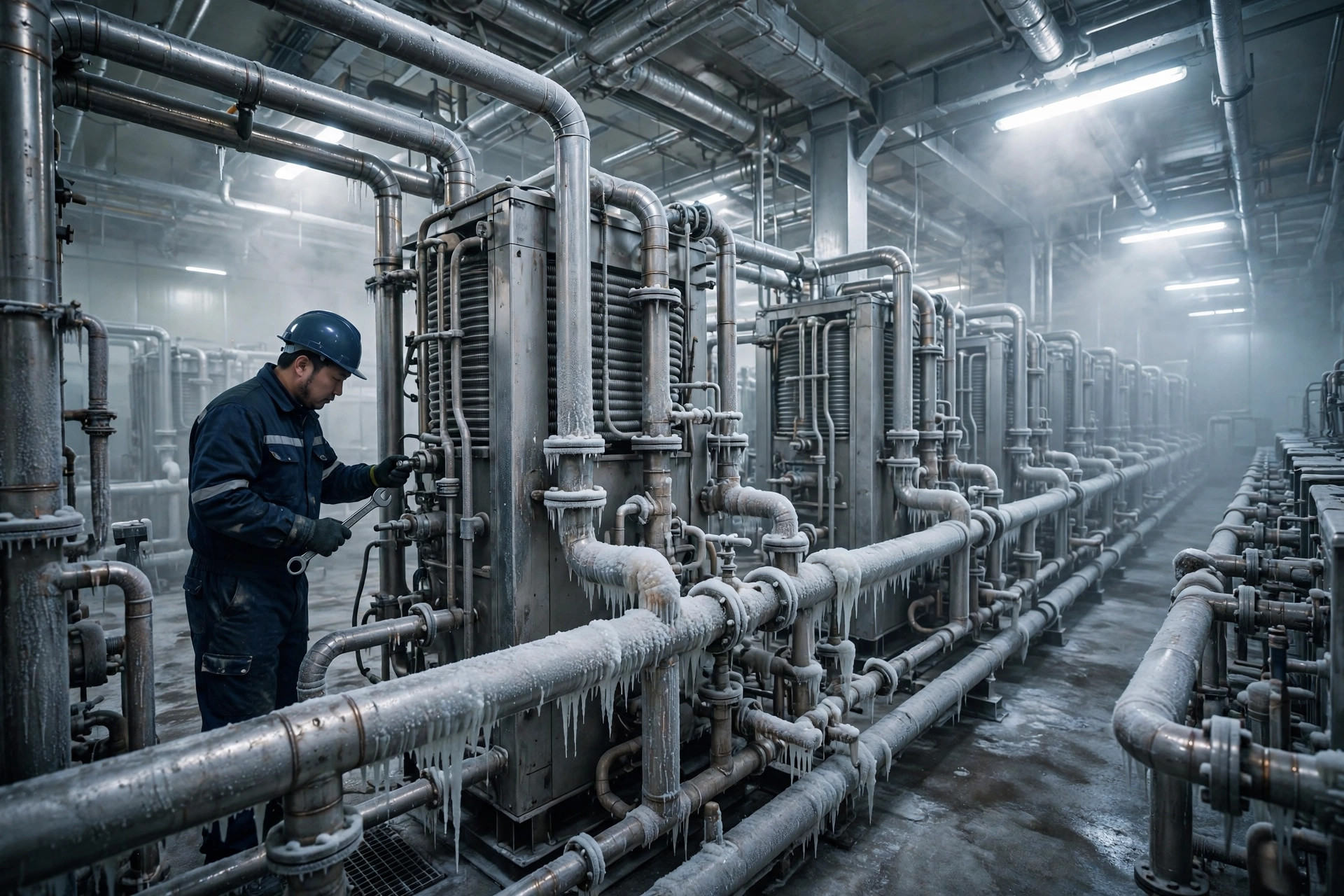
No shame in saying it — we had a tech sweep the whole system with a leak detector and found several slow leaks at flange joints and valve packings. After sealing them, top-up volume dropped by nearly half over one cooling season. Do the math: at today's rising prices, the refrigerant saved paid for the leak-detection labor within a year.
Here's the counterintuitive takeaway: for a small warehouse, fixing leaks before swapping refrigerant saves more money than the swap itself. Everyone debates which replacement refrigerant to use, but nobody asks whether their system leaks — swapping refrigerant into a leaky system is pouring new wine into a leaky bucket.
How did it turn out? Six months on the replacement refrigerant, warehouse temperature stable, power bill up a few percent — acceptable. Total spend in the tens of thousands of yuan, downtime under one weekend — we rotated the units, one down and one running. Big warehouses have backup units; we don't, so we did it "surgical rotation" style. Another small-warehouse trick. Compared with Lao Wang, we spent a fraction of what he did, and our rooms freeze just fine.
Three pieces of advice for fellow small operators
First, get a checkup before you swap anything. Have a tech assess compressor condition, leak rate, pipe corrosion. If the unit itself is done, no refrigerant swap will save it — start saving for replacement instead.
Second, the timeline is official, but the plan is yours. R22 hits a 97.5% cut by 2030, HFCs a 10% cut by 2029 — don't wait until you can't buy refrigerant to act. Plan two to three years ahead and keep the initiative.
Third, don't let "do it right in one shot" trap you. Ammonia and CO2 cascade systems are genuinely advanced, but for a small warehouse, uninterrupted cash flow beats everything. Go step by step: fix leaks, swap refrigerant, save for new units over a few years. Every step pays for itself, and none of them break you.
Small warehouses have their own way of surviving.
By Xiao Ma, Small Warehouse Owner