Let me tell you something I saw with my own eyes at Tema Port last year: a reefer of pineapples opened for inspection — the cartons looked perfect, but the fruit inside was mush, juice seeping through the box seams. The shipper stood there watching his money rot. On the Ghana pineapple export cold chain, the break happens where you least expect it.
Fifteen years on the road taught me one pattern: when fresh produce exports go wrong, eight times out of ten it isn't the ocean leg that kills them — it's everything before loading. The UN Food and Agriculture Organization puts Ghana's post-harvest losses at 20–30% — and note, that isn't lost at sea. Most of it disappears between harvest, packing, and the port. You can grow the finest fruit on earth; one broken link and it's all for nothing.
The Nsawam Packhouse: Pre-Cooling Decides Whether Your Pineapples Still Smell Like Pineapples in Europe
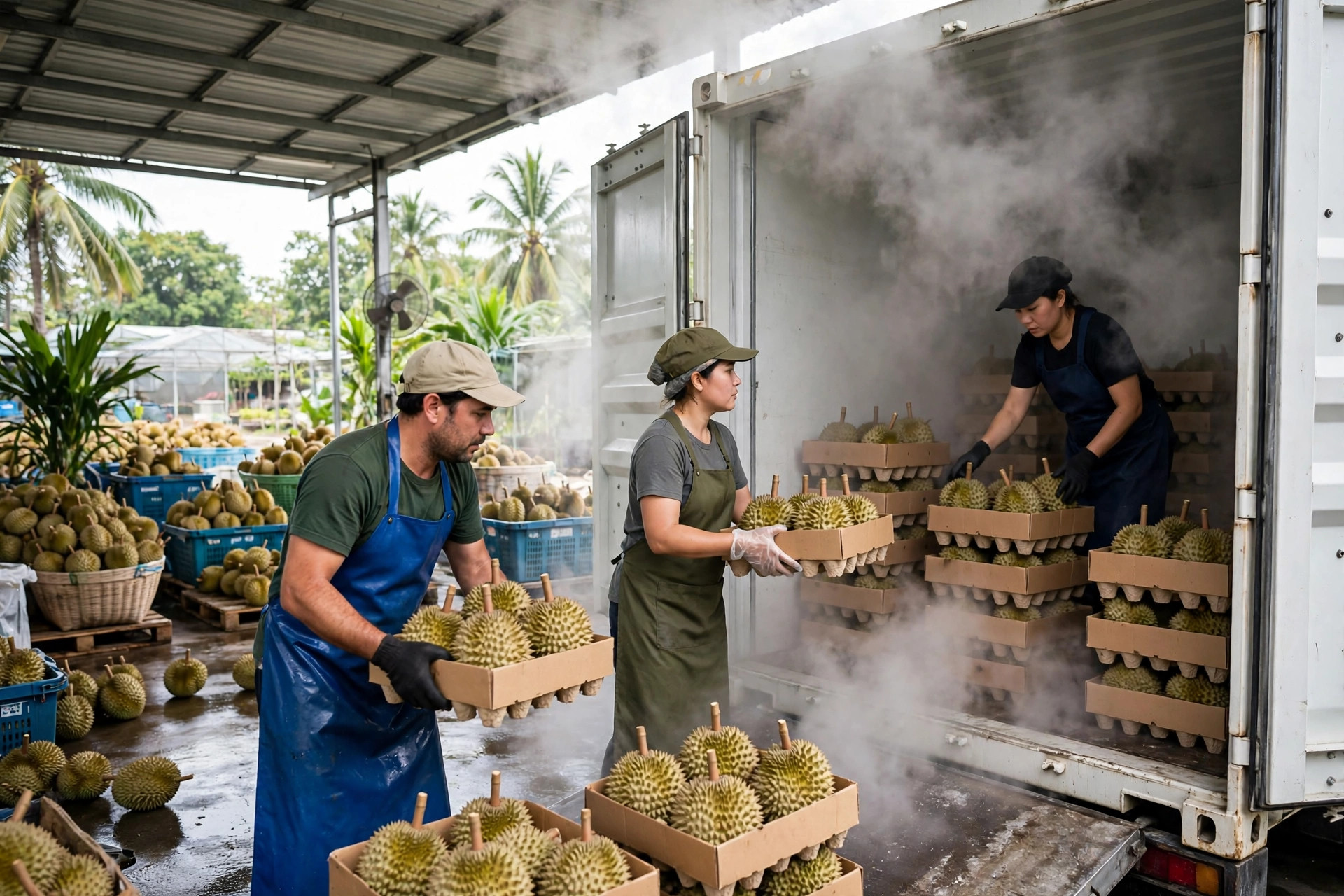
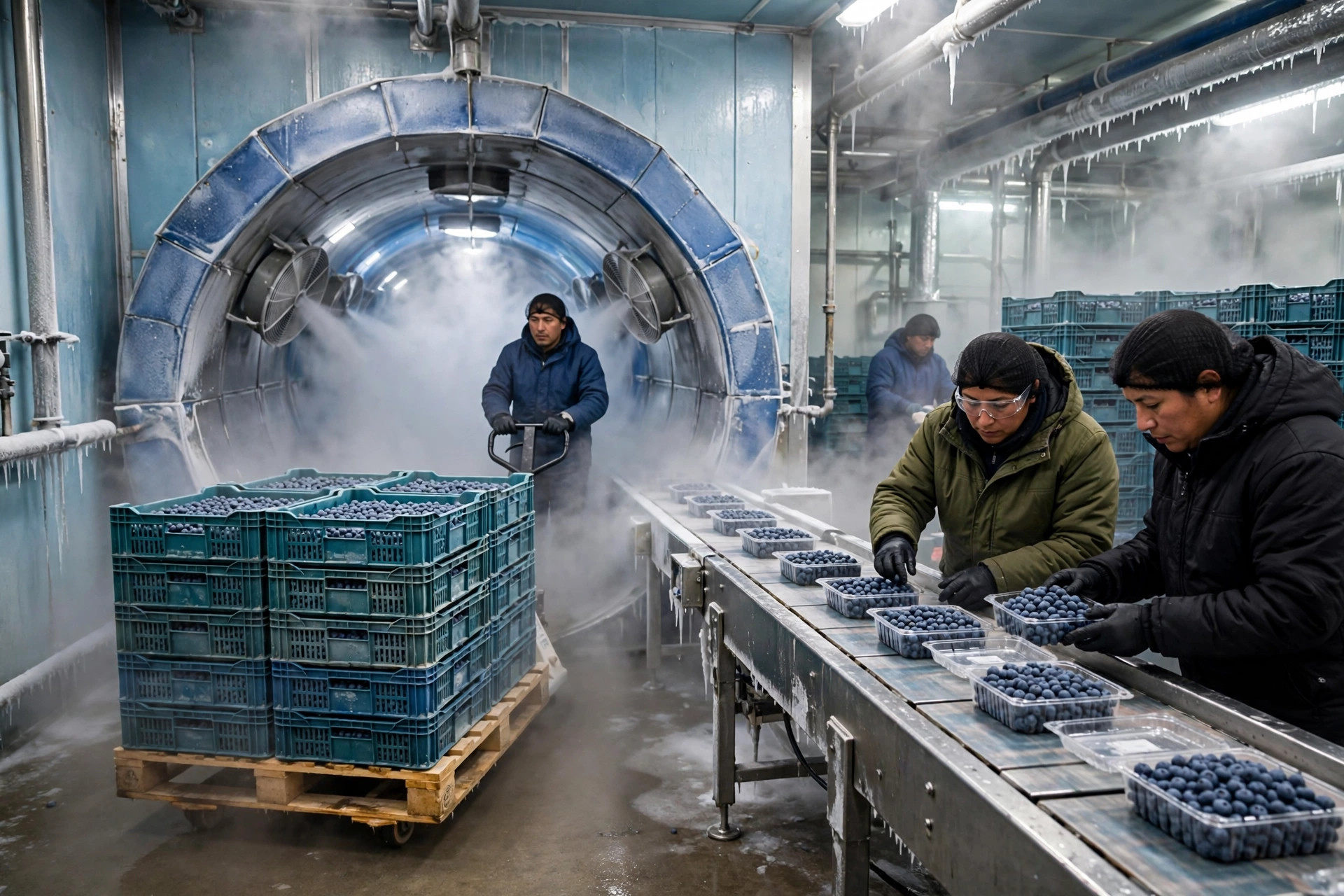
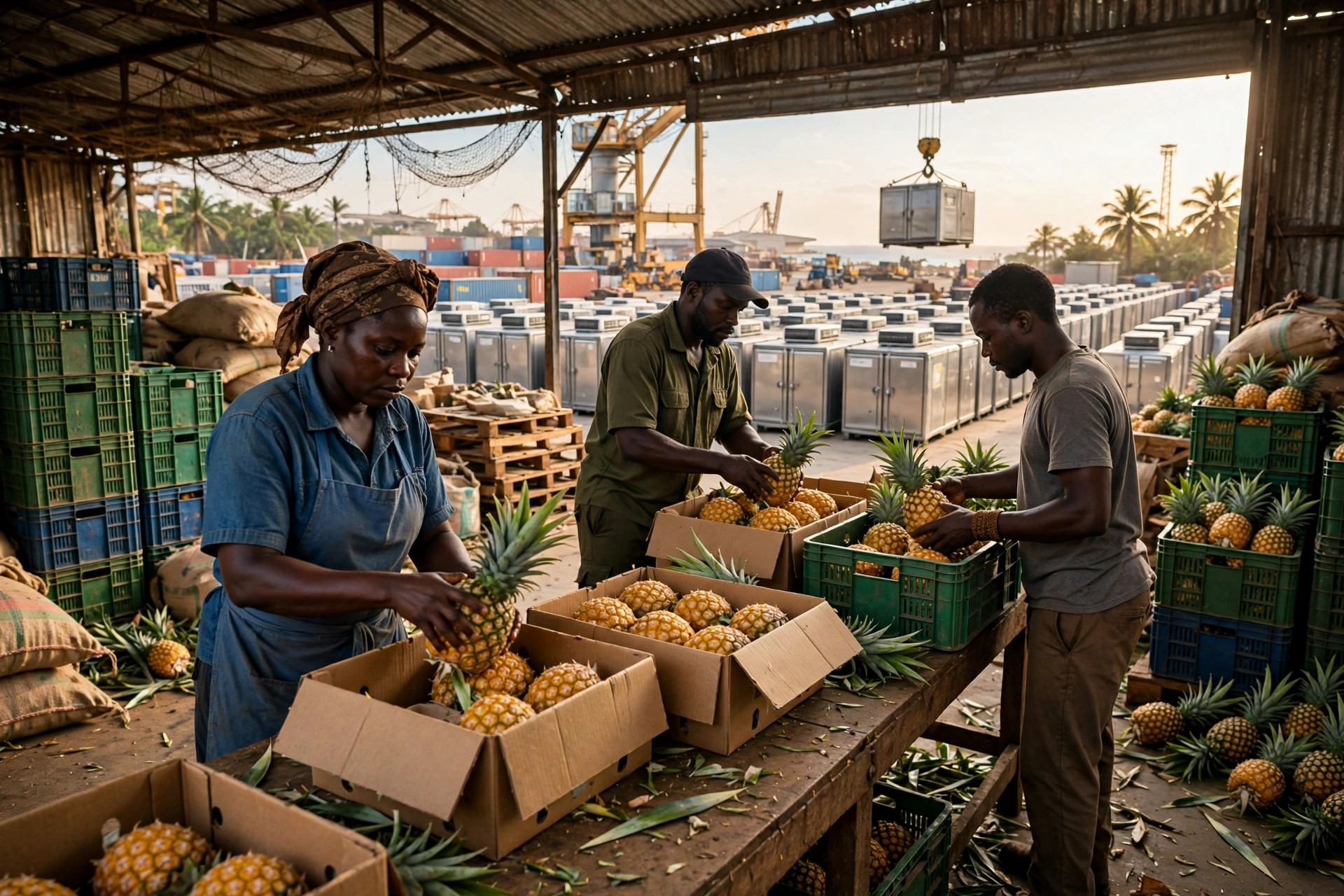
Nsawam sits in Ghana's Eastern Region, right by the pineapple belt, and plenty of exporters run their packhouses there. Pineapples come off the field carrying field heat, still respiring, ripening fast. The right sequence is: grade and box at the packhouse, then into the pre-cooling room to pull the core temperature down, then into the reefer. Never reverse that order.
In the 2023 season, an exporter in Nsawam was rushing to meet a vessel cutoff and loaded the container without proper pre-cooling — figuring the reefer would cool the fruit down during the voyage. Here's what they didn't understand: a reefer maintains temperature; it doesn't refrigerate. It cannot pull heat out of a warm load. That container rode the ocean with its own heat locked inside, and when it opened in Europe, the whole load was soft fruit. The buyer filed a claim, the shipper never got paid, and ate the freight and disposal costs on top. The owner told me later: "We skipped a few hours of pre-cooling to save pennies on electricity. Those pennies wouldn't fill a tooth gap."
What does that tell you? Pre-cooling isn't the cherry on top — it's the starting line of the entire cold chain. Botch the start, and every piece of equipment and every dollar after that is just keeping a doomed load warm.
One more detail the packhouse crews know by heart: grade before you pre-cool. Pineapples at different maturity stages respire at different rates — mix them, and the ripe ones drag the green ones along. The graders on the line can tell at a glance which fruit can fly and which must sail: air-freight fruit can be riper, it lands in two days; sea-freight fruit must go at seven- or eight-tenths ripe, or it never makes Europe. No machine reads that. It's all in the old hands' feel.
Nsawam to Tema Port: The Break Usually Happens on Those Few Dozen Kilometers
Here's the counterintuitive part: most people think the ocean leg is the dangerous one. It isn't — plugged into power, a reefer holds temperature rock steady at sea. The fragile stretch is the few dozen kilometers of road from packhouse to Tema Port.
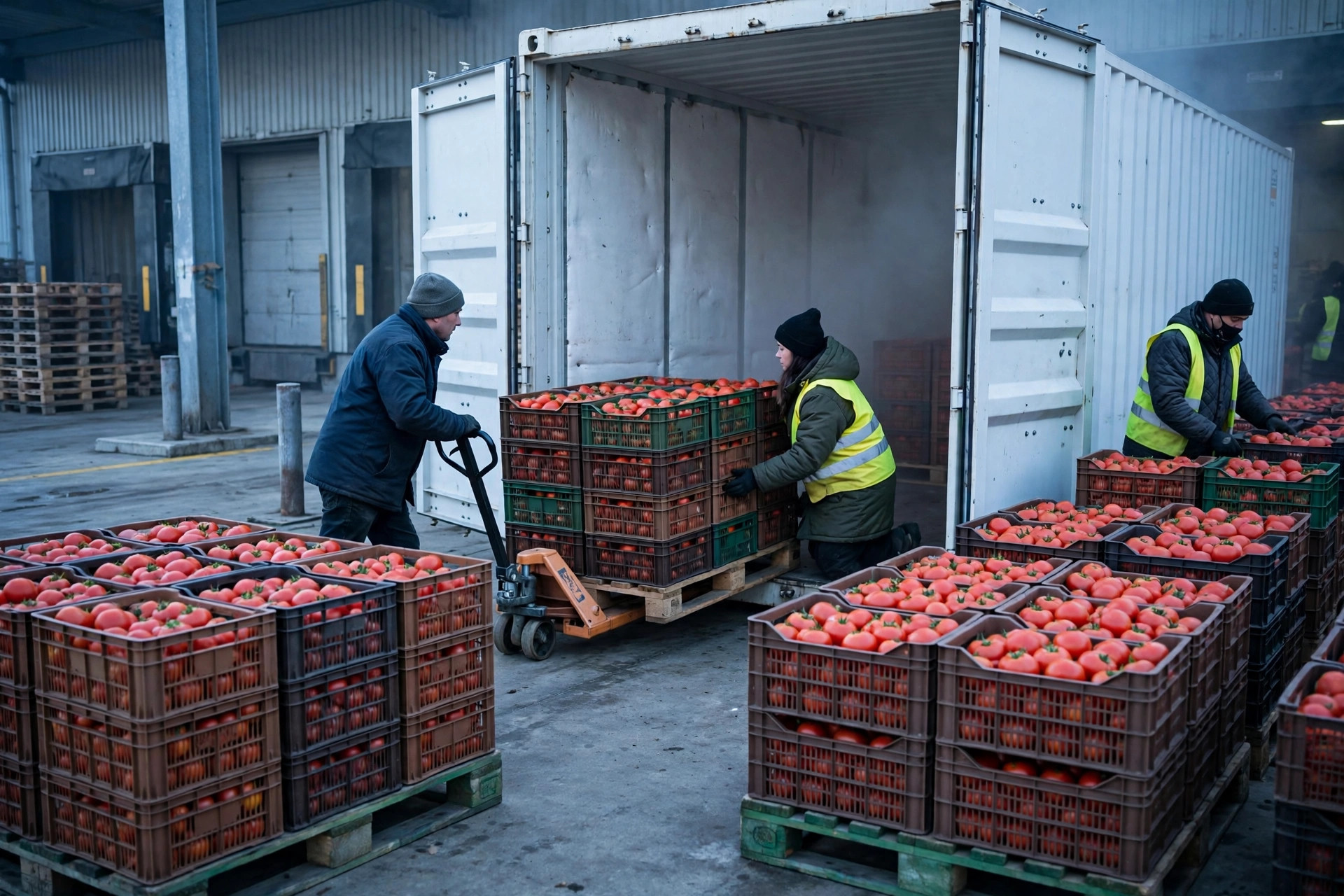
Why? First, trucks get loaded without pre-cooling the box — a whole container of hot air, so the fruit warms up before it cools down, burning hours for nothing. Second, traffic, inspections, missing the port cutoff — the load sits under the Ghanaian sun, and half an hour of that sun pushes box temperatures up fast. Third, too many handoffs: the packhouse crew, the trucking crew, the terminal crew, everyone thinking "it's just a few minutes, no harm" — a few minutes stacked on a few minutes, and the chain snaps.
Our approach was crude but it worked: pre-cool the truck box before loading, get the temperature down first, then load the fruit. Switch the temperature loggers on at the packhouse when the cartons are packed — not when the truck rolls. And always build in half again as much transit time as you think you need; better to wait at the terminal than to race on the road. In cold chain work, your plan needs somewhere to put the "what-ifs."
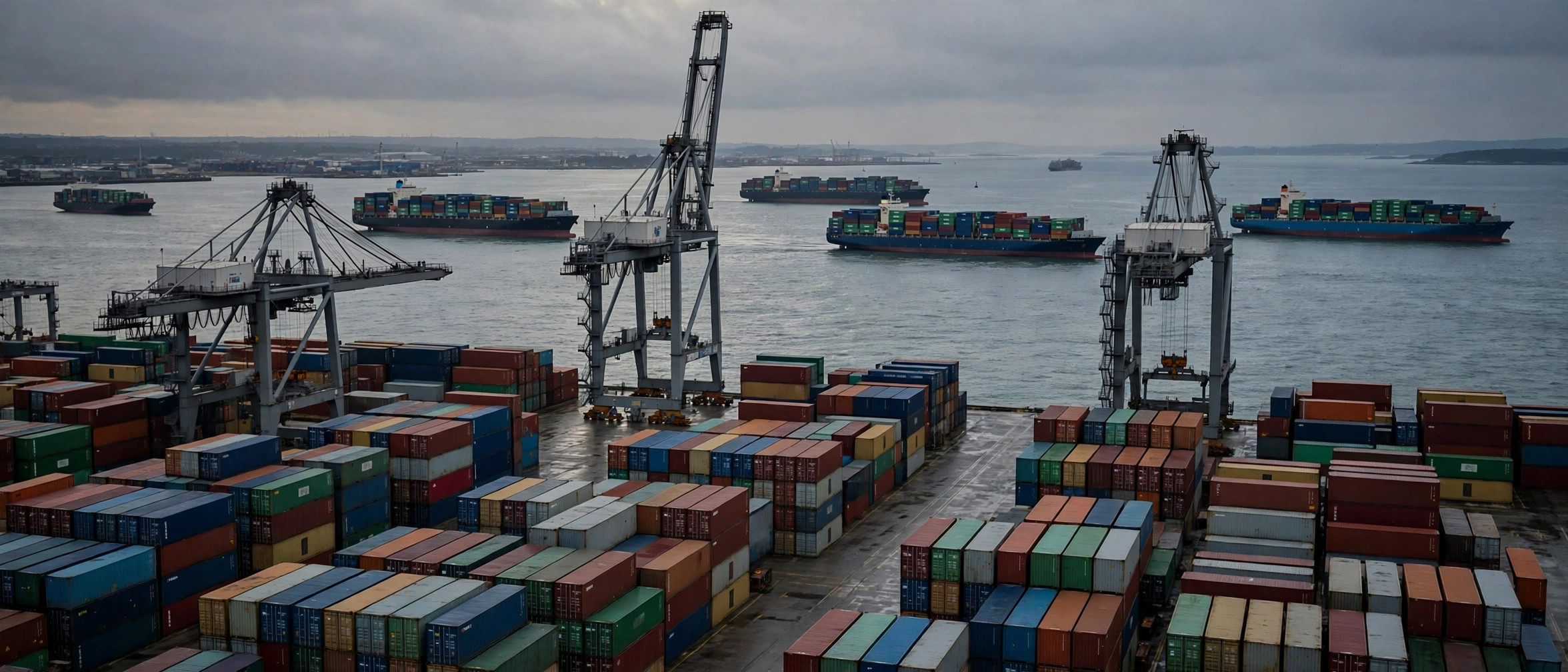
Staging at Tema Port: Plug In, Watch the Temperature, Make the Vessel
Once the cargo reaches Tema, plenty of shippers relax — "it's at the port, we're fine." Let me tell you, the staging period breaks cargo too.
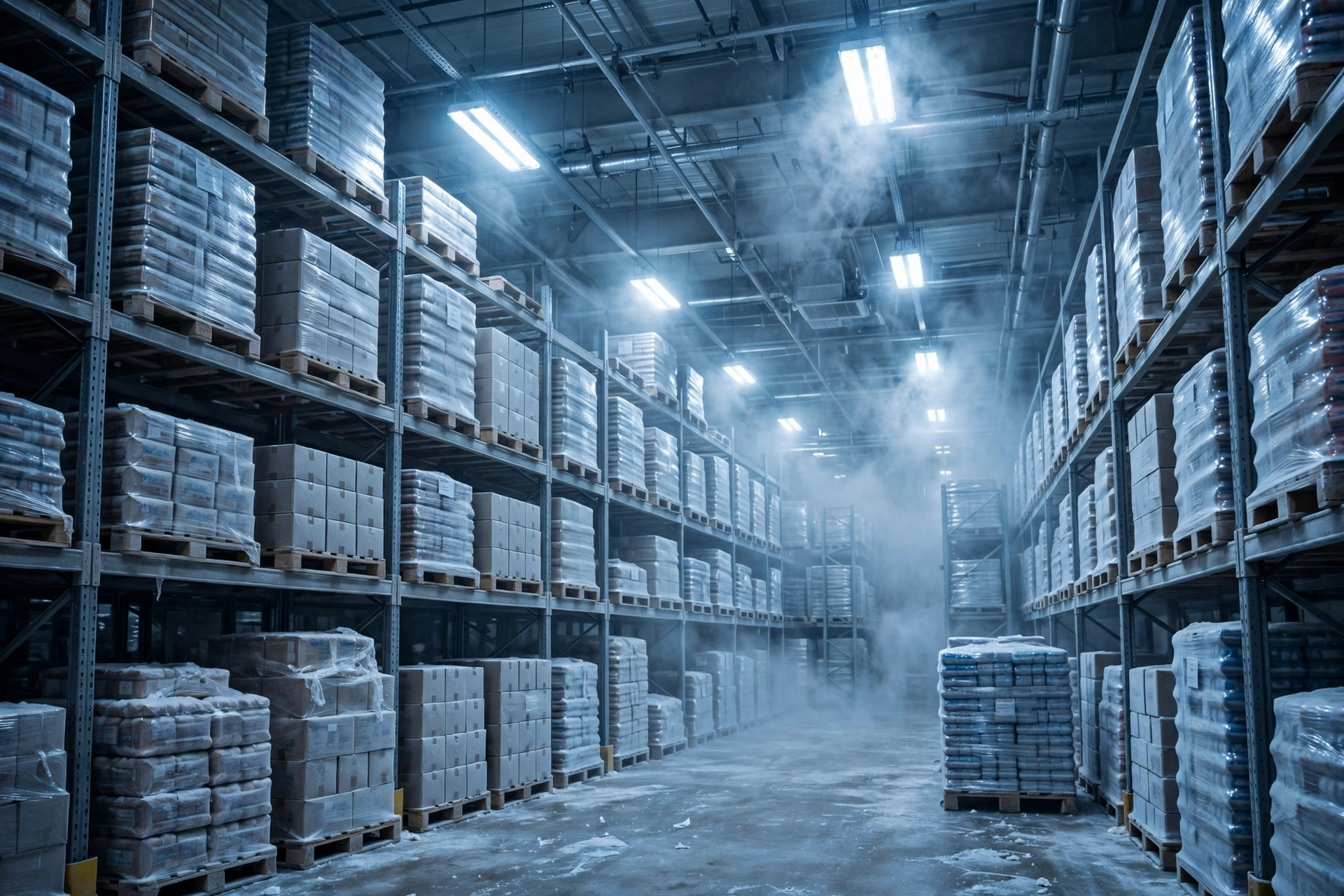
Tema has terminal operators who specialize in fruit — Fruit Terminal Company handles reefer plug-in, temperature monitoring, and priority loading as a matter of routine. But routine doesn't stop accidents: one season, a pineapple reefer sat in the yard waiting for its vessel, a local power outage hit for a few hours, nobody on shift caught it, and the temperature curve drew one straight rising line. At destination the buyer looked at the logger data and rejected the load outright. The carrier, the terminal, and the forwarder argued for two months; the shipper ended up swallowing most of the loss himself.
So for the port staging phase, remember three things. First, confirm your box is in a plugged-in yard and actually drawing power — don't take anyone's word for it; have your forwarder send you the plug-in confirmation. Second, put two temperature loggers in every container, one at each end, so they corroborate each other — if one dies, the other one still speaks. Third, work off the carrier's latest sailing schedule, not last month's; one day of delay is one more day in the yard, and every extra day is extra risk.
One more word on inspections: if customs wants to open the box, try to get it done in an inspection area with cold storage, or demand the cargo goes straight back under refrigeration afterward. One opening lets all the cold out, and pulling the temperature back down takes hours. Inspection itself isn't the danger — the danger is the cargo baking in the sun afterward with nobody watching. Your forwarder needs to sort that out with the terminal in advance.
Air or Sea: Doing the Math on the Pineapple Export Cold Chain
People ask me all the time: air or sea for pineapples? Here's an honest comparison — freight rates per your forwarder's latest quote:
| Sea (via Tema Port) | Air (via Kotoka Airport) | |
|---|---|---|
| Transit time | Slow, counted in weeks | Fast, counted in days |
| Cost | An order of magnitude cheaper; only makes sense at volume | Expensive; for high-value or urgent top-ups |
| Risk points | Yard dwell time, schedule delays, yard power outages | Tight cargo space, cold-chain handoff at the airport, sun exposure before loading |
| Best for | Planned, high-volume orders | Trial shipments, replenishment, beating a holiday rush |
Kotoka has the infrastructure — AGPC runs cold storage at the airport, so the air option is genuinely workable. But do the math this way: take the cargo value of one container against the full cold-chain spend (pre-cooling power, loggers, plugged yard fees, a forwarder who actually knows fruit). The cold-chain spend is a rounding error next to the cargo value — while one broken chain wipes out the cargo value plus the freight, plus the customer's trust. You don't need a calculator for that one: cold-chain money is the last money in the whole deal you should ever cut.
Some practical advice for shippers and warehouse crews, then I'm done. One: don't load until pre-cooling is truly finished — never rush those last few hours. Two: loggers on from the packhouse, running the whole way; they're your only evidence. Three: book with enough buffer before the vessel cutoff; never ship against the deadline. Four: use terminals and forwarders with real fruit experience — fresh produce and general cargo are two different trades. Five: read the temperature exclusions in your insurance policy before you ship, not after something goes wrong.
There's an old saying in this trade: break the chain once, and everything before it was for nothing. Cargo is dead; temperature is alive — if you don't watch the temperature, the temperature will decide for you.
By Shifu Zhao, Trucking Veteran (15 yrs)