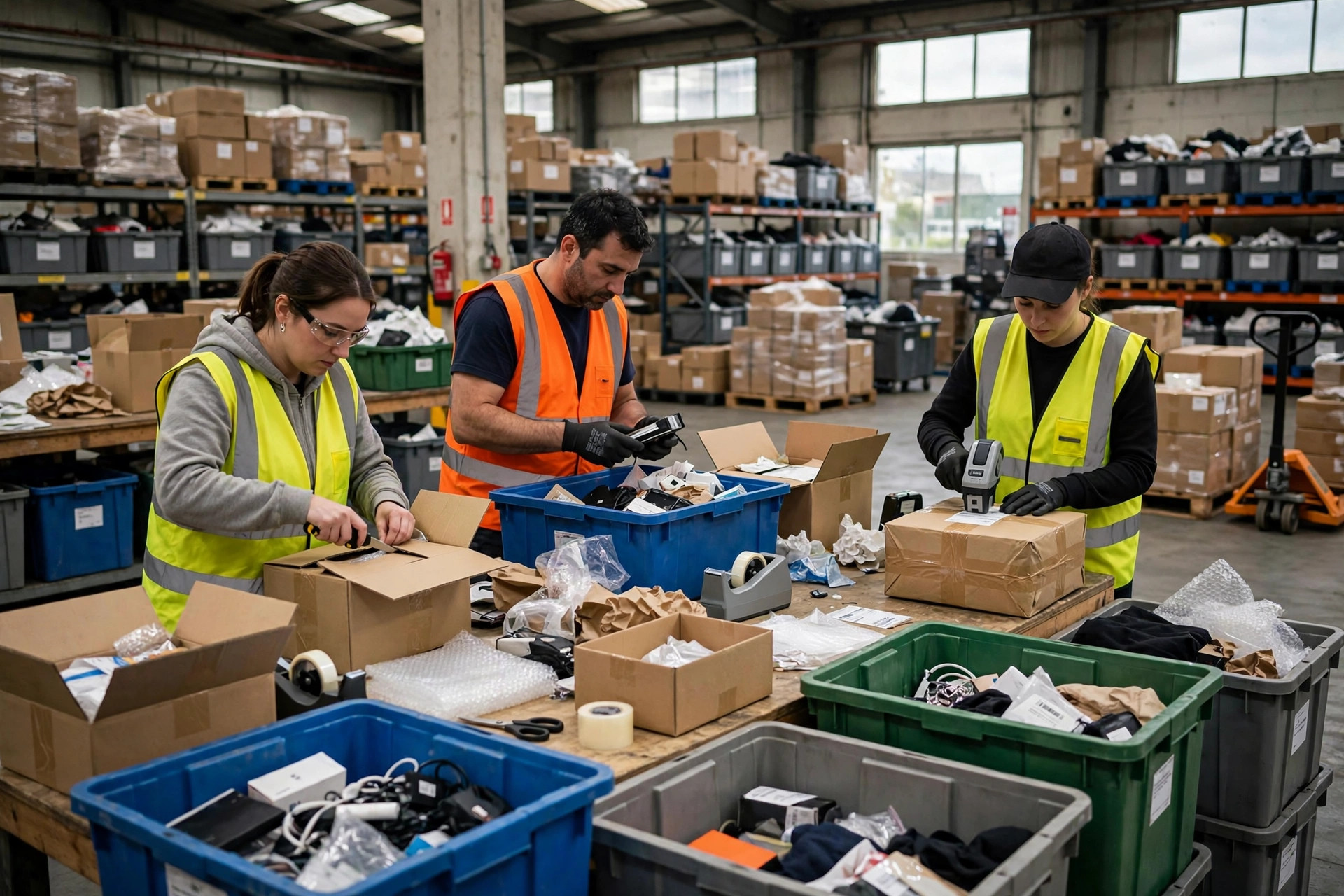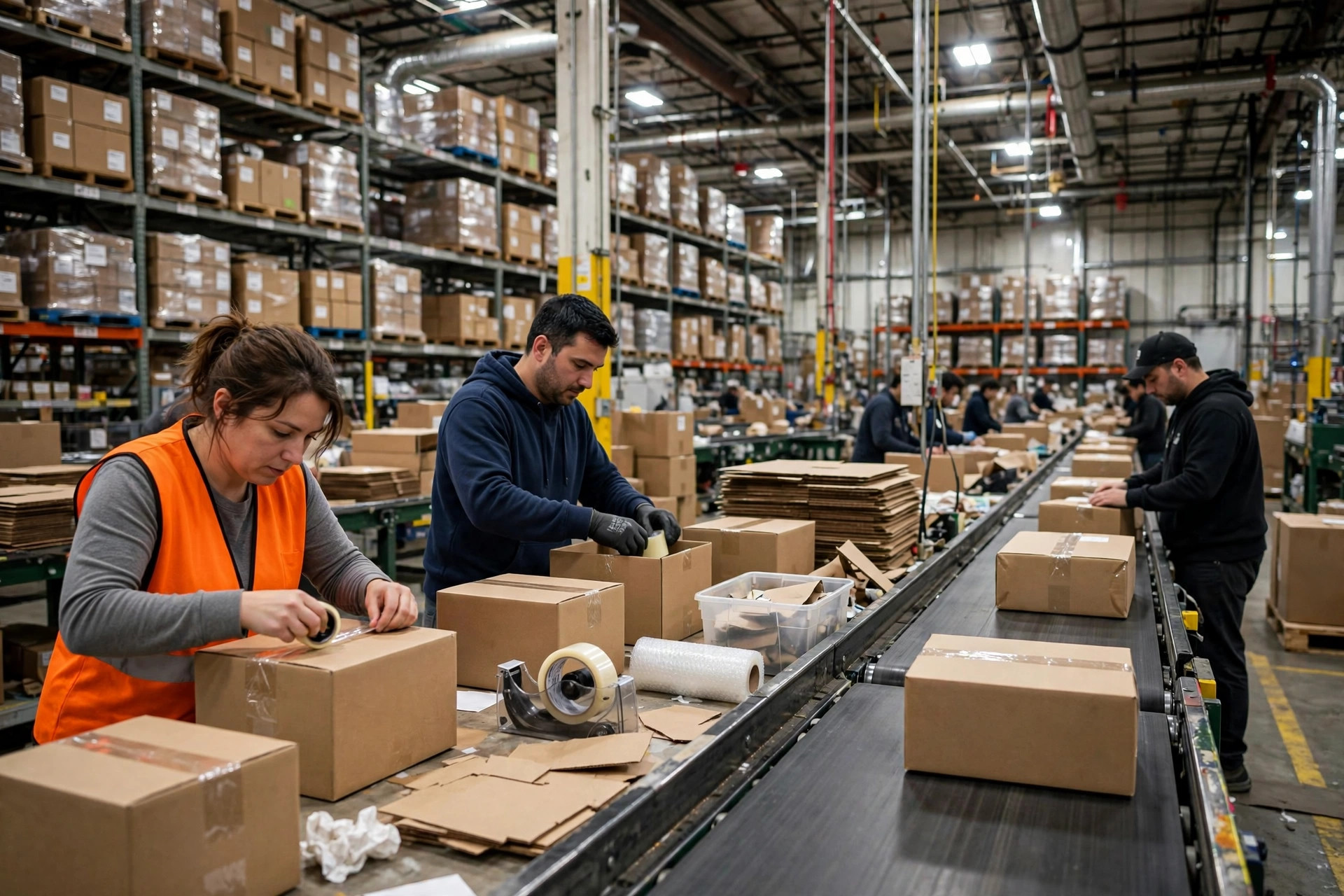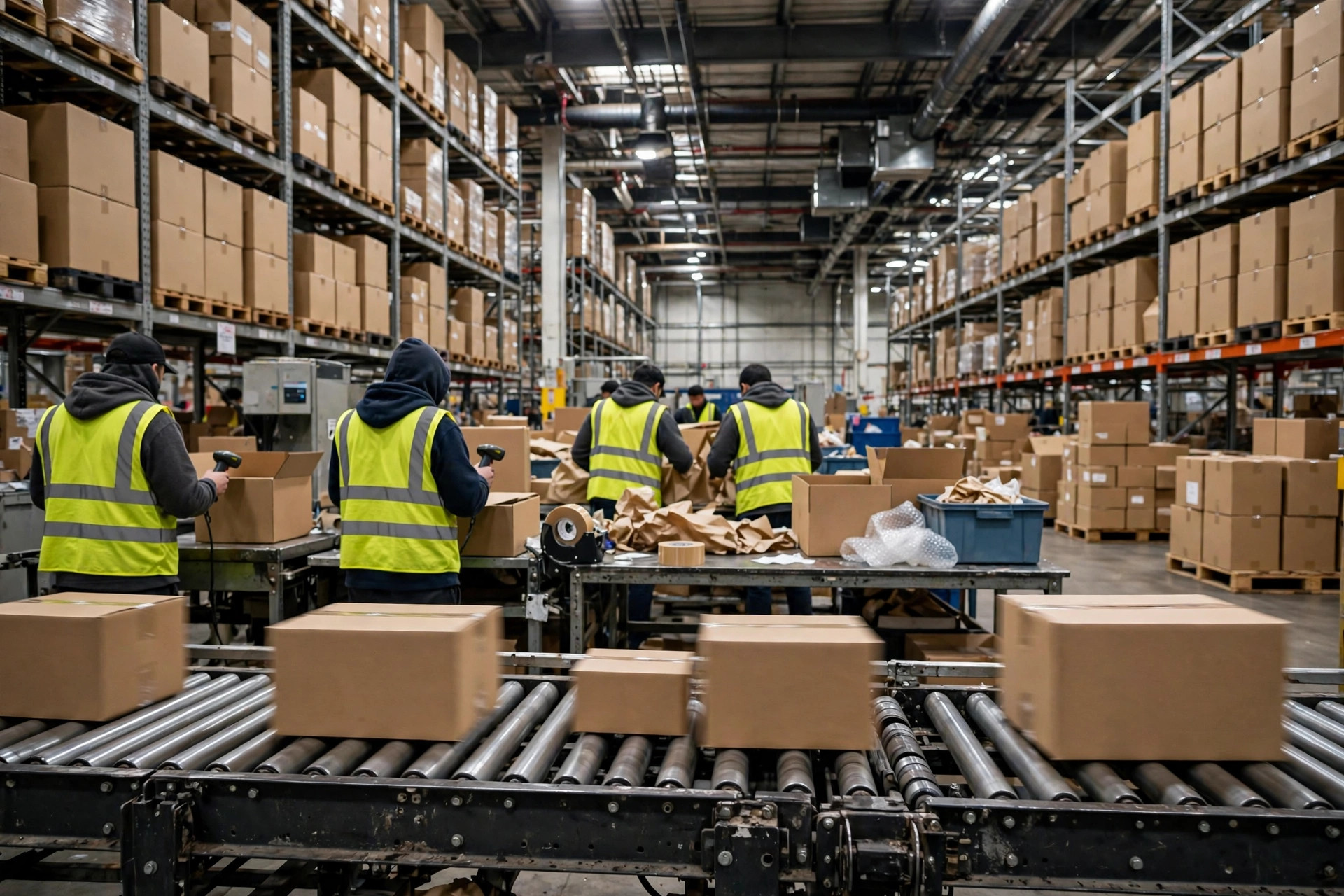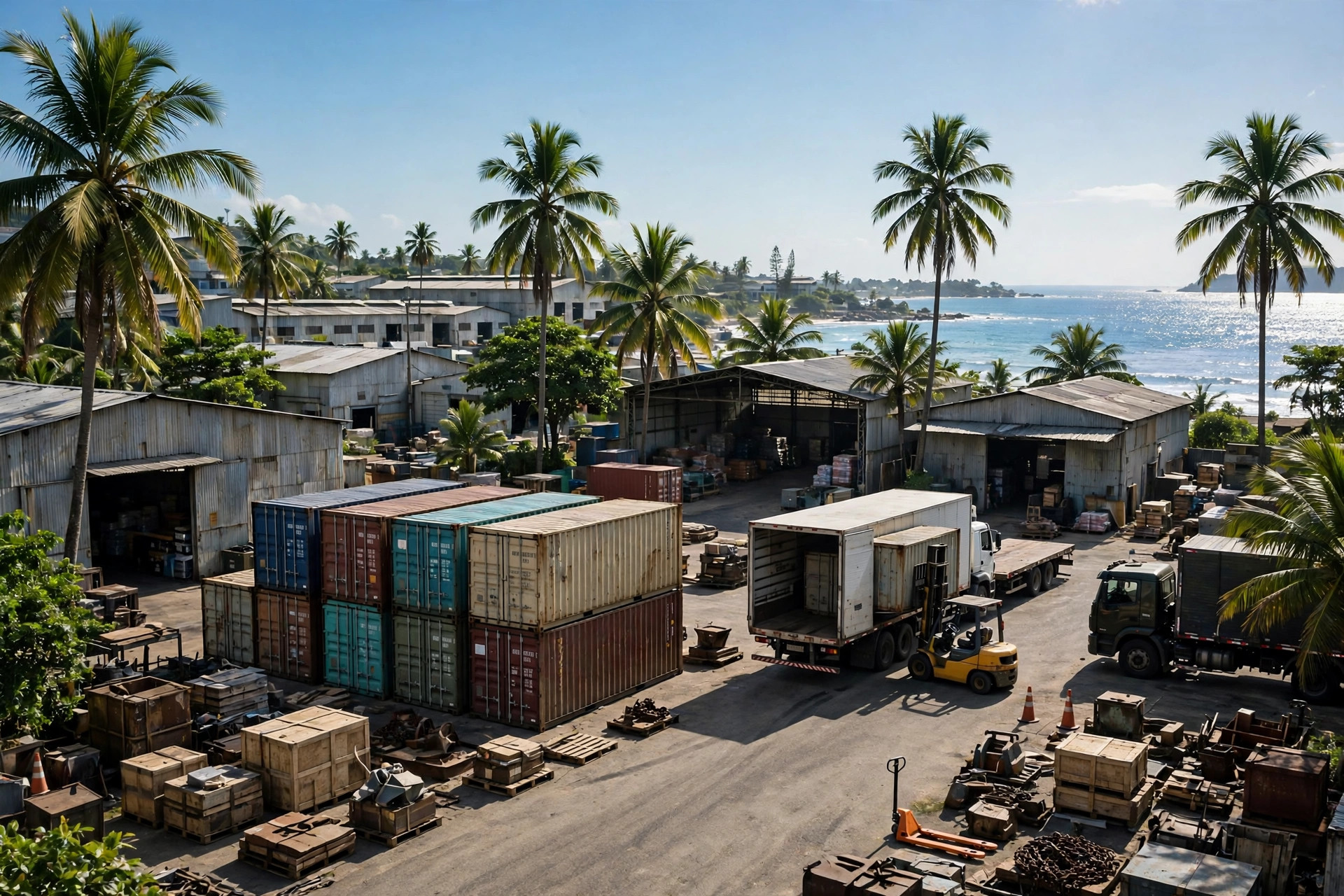
Recife was never on my shortlist. Ask a seller about Brazil and the answer comes back almost automatically: warehouse near Sao Paulo, or ship cross-border and skip a local warehouse altogether. The Northeast sounded far away, slow, and small. Then a friend selling small home goods told me his little warehouse near Recife had quietly made his Northeast orders workable, and I went to look. My mental map was wrong. Brazil does not have one center. The Northeast is its own market, and where you put your warehouse decides whether you work with that market or fight it every day.
I am writing as a seller who has watched friends pick warehouses for the wrong reason, pay for it in daily operations, and then fix it the expensive way. Recife forces a trade-off that Sao Paulo lets you ignore: port access, suburban space, and regional reach rarely live at the same address.
Close to the Port Does Not Mean Close to the Customer
The first thing that pulls sellers toward Recife is the coast. The Suape port complex and the Port of Recife sit on this shoreline, and the pitch writes itself: containers come off the ship and go straight into your warehouse. Short chain, fewer hands, less waiting. A lot of first-time site visits end right there, with a warehouse picked mainly because it is near the port gate.
One friend did exactly that. His inbound flow was beautiful. Containers arrived, broke down, and went onto shelves without drama. Then the daily reality showed up. His customers did not live at the port. Orders scattered across Recife itself, inland cities, and neighboring states. Every outbound day started with a leg back toward the city, through port-area traffic and peak-hour congestion. Delivery promises got harder to keep, and the cost of that daily leg crept into margins nobody had budgeted for. Worse, port-adjacent warehouse options were limited, so when he wanted to move, his alternatives were thin and his switching cost was high.
He eventually did the unglamorous math that changed his mind. Not a per-parcel calculation, but a weekly one: how much effort did port proximity save on inbound, which happened in concentrated batches, versus how much effort it cost on outbound, which happened every single day? Inbound won a few days a month. Outbound lost a little every day. Daily losses win that contest. From then on, his first question about any warehouse was blunt: is this location built for receiving, or built for shipping? The two are rarely the same place.
So here is my contrarian take, the one that surprises sellers who grew up on import logic: a port warehouse is the right call when bulk import and container breakdown are your main job. If your main job is shipping scattered parcels to Northeast consumers every day, port proximity can quietly become a daily tax. Proximity to the ship is not proximity to the buyer, and confusing the two is the most common Recife mistake I have seen.
The Suburbs: Real Space, Real Distance
After getting burned near the port, many sellers swing to the opposite extreme: a big suburban warehouse outside Recife. The appeal is genuine. Space is easier to find, the floor plan can actually fit sorting, labeling, repacking, and returns handling without people tripping over each other, and a dock door stops being a luxury. Another seller I know took this route and finally had room to run returns properly, with space to inspect, sort, and restock instead of stacking damaged and good units in the same corner and hoping for the best.
But suburban cheap only makes sense if you price in the distance, and distance here means more than kilometers on a map. It means hiring. Skilled warehouse hands are not always as easy to recruit outside the city, and training takes longer when your experienced staff pool is smaller. It means suppliers and services. Packaging vendors, courier drop points, and repair help may not sit nearby, so a small shortage can turn into a lost half-day. And it means emergency response. On a surge day, when you need extra hands or an extra vehicle at short notice, a suburban site often answers half a beat slower than a city site.
The seller who made the suburbs work did something I now copy: before signing, he ran a full trial week of outbound operations from the candidate site. He logged when vehicles could actually be booked, how long a packaging shortage took to fix, and how many days it took to bring in temporary staff. Where the numbers looked weak, he negotiated backup plans before the lease, not after the first peak season exposed the gap. A warehouse can be far away. Your backup plans cannot be.
One Warehouse Cannot Eat the Whole Northeast
Sooner or later, any Recife conversation becomes a bigger one: how much territory is this warehouse actually supposed to serve? The Northeast is not one city. It is several states with their own demand patterns, delivery networks, and service maturity. Sellers who try to stretch one Recife warehouse across the entire region usually discover the same problem at the edges: service gets patchier the farther you go, and returns and after-sales support get harder to close.
My view here runs against the usual expansion instinct. Regional reach matters more than warehouse size. A warehouse that serves Recife and its surroundings brilliantly, then strains everywhere else, is not a regional hub just because someone called it one. The honest move is to draw the service radius before you sign anything: which cities are core coverage, which are secondary coverage, and which you simply will not promise from this site. Clear boundaries let customer service make promises it can keep and let operations build a roster that matches real demand.
Use this decision framework instead of ranking warehouses by headline cost alone. Score each direction qualitatively against your own order mix, not against someone else's:
| Direction | Best for | Biggest upside | Biggest trap |
|---|---|---|---|
| Near the port | Bulk import, container breakdown, distribution as the core job | Short inbound chain | Daily outbound may detour, fewer warehouse alternatives |
| Suburban | Sellers needing operating space for sorting and returns | Room to work, flexible layout | Hiring, suppliers, and emergency response can lag |
| City or near-city distribution point | Scattered daily orders across the Northeast | Close to buyers, flexible outbound | Limited space, hard to expand |
Score by order structure. Heavy import batches push the score toward the port, daily scattered parcels toward a distribution point, and big sorting and returns work toward the suburbs. The highest score is not always the cheapest-looking option, because rent is only one line in the real cost.
Two Pitfalls to Name Before You Sign
The first pitfall is treating Recife as a discount version of Sao Paulo. The customer mix, delivery networks, and provider maturity are different, and a playbook that works in Sao Paulo does not automatically transfer. Returns deserve special attention here. Before you sell, ask where returned goods go, who inspects them, and how fast they can be listed again. Sellers who skip those questions end up with a returns pile and a customer service queue that grows faster than sales.
The second pitfall is assuming tax and compliance rules from a blog post or a forum thread. Brazil's tax and import compliance landscape is complex, and treatment can vary by state, product category, and channel. For anything involving taxes, licenses, or customs policy, rely on the latest official guidance and confirm specifics with a local professional before you set prices or commit to a channel. This is not the place to save money by guessing. Guesses in this area have a habit of coming back larger than the saving.
Pulling it together: Recife warehousing is not about finding the cheapest shed or the closest gate to the port. It is about matching a location to your order structure. Port, suburbs, and distribution points are not ranked good to bad. They are suited to different jobs. Draw your service radius, score by order mix, and run a trial week of outbound work before you sign. It looks slow. It saves you from the expensive kind of fast. This one I tested myself — it works.
By Ah K, E-commerce Seller (5 yrs)