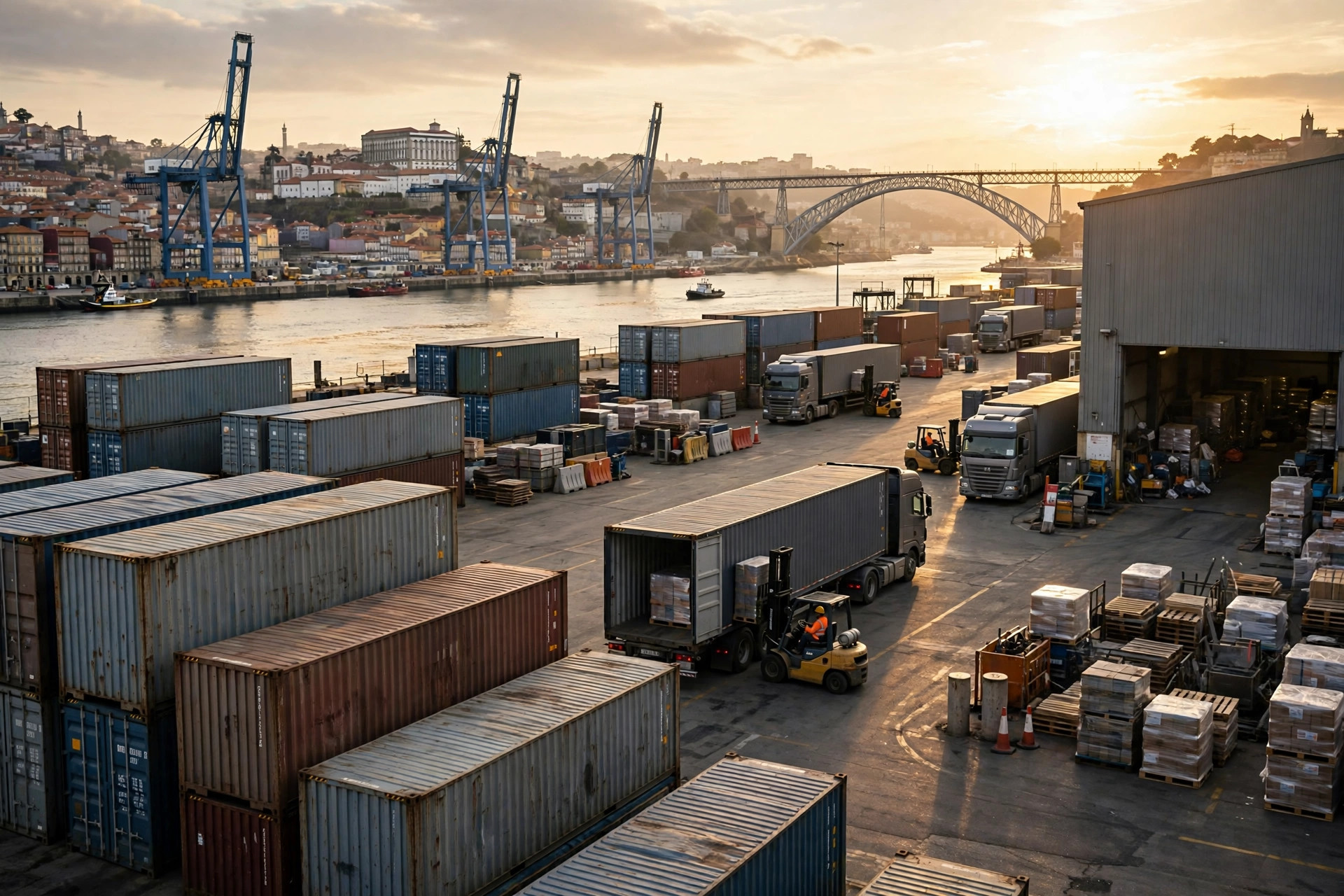
When friends ask me whether they should open a warehouse in Porto, my first question back is always the same: how much money do you actually have in your pocket? I run a 3,000-square-meter warehouse with a team of four, myself included, and one secondhand forklift that we have been patching up for three years. I learned the Porto warehouse market the expensive way, one invoice at a time, and when I get the math wrong, nobody bails me out.
In the autumn of 2024, I helped a friend who sells small home goods look for space. He had fallen for a unit north of central Porto, less than half an hour from the port. The photos looked great and the ceiling height was fine. He was nearly ready to sign. I dragged him out for two more days of homework: we watched trucks come and go at 8 a.m., chatted with drivers over lunch nearby, and ran the labor and fuel numbers again in the evening. The place turned out to be awkward at peak times, with trucks queuing to get in and out, and in busy season he would have needed extra hands just to keep dispatch moving. Whatever he saved on transport would have gone straight back into labor. He walked away and rented a converted old factory building on the outskirts instead. It was smaller, but trucks could drive right up to the door, and two people could run the whole flow.
That experience settled something for me. For a small warehouse, the question is not how close you are to the port. It is whether tomorrow's orders can flow through without drama. Big companies write location reports full of hubs, catchment areas, and strategic nodes. We cannot afford that script. We have exactly one test: can the first truck roll in at 7 a.m., load up, and leave on time, without anyone firefighting?
The Porto warehouse market is not one map, it is three price tags
Broadly speaking, space here falls into three kinds, and each one has a different personality. Units near the port suit freight that needs to be unloaded and broken down right after it comes off the ship, but rent and labor sit at the top end, and your rhythm gets tied to the port's rhythm. Space in the northern industrial belt, close to factories and suppliers, suits manufacturing support and semi-finished goods in transit, yet orders tend to follow factory production calendars, so the quiet and busy seasons are sharp. Suburban distribution space, near the city and the motorways, suits e-commerce parcels, regional delivery, and returns. It is flexible, but you have to work out the last-mile math yourself, because nobody will do it for you.
I put the three side by side, and one table beats ten pages of a leasing brochure. In the Porto warehouse market, that comparison matters more than any glossy pitch, because the three options do not compete on rent alone:
| Location type | Best for | Biggest trap | Small-warehouse play |
|---|---|---|---|
| Near the port | Freight that must be stripped and split fast | High rent and labor, tied to port rhythm | Take short, fast-turn jobs only, never stockpile |
| Northern industrial belt | Factory support and transit | Follows factory seasons, feast or famine | Fill quiet months with odd jobs, do not overcommit in peak |
| Suburban distribution | E-commerce, regional delivery, returns | Last-mile costs slip out of control | Schedule by route, keep returns in their own zone |
When I cannot decide, I use a crude method that works: drive each option at the same time of day, on the same kind of route, and write down fuel, labor, and waiting time. The numbers do not need to be perfect. After one round of driving, you can see plainly which option will have you working overtime every single day.
Living next to the port looks sweet until you pay for it
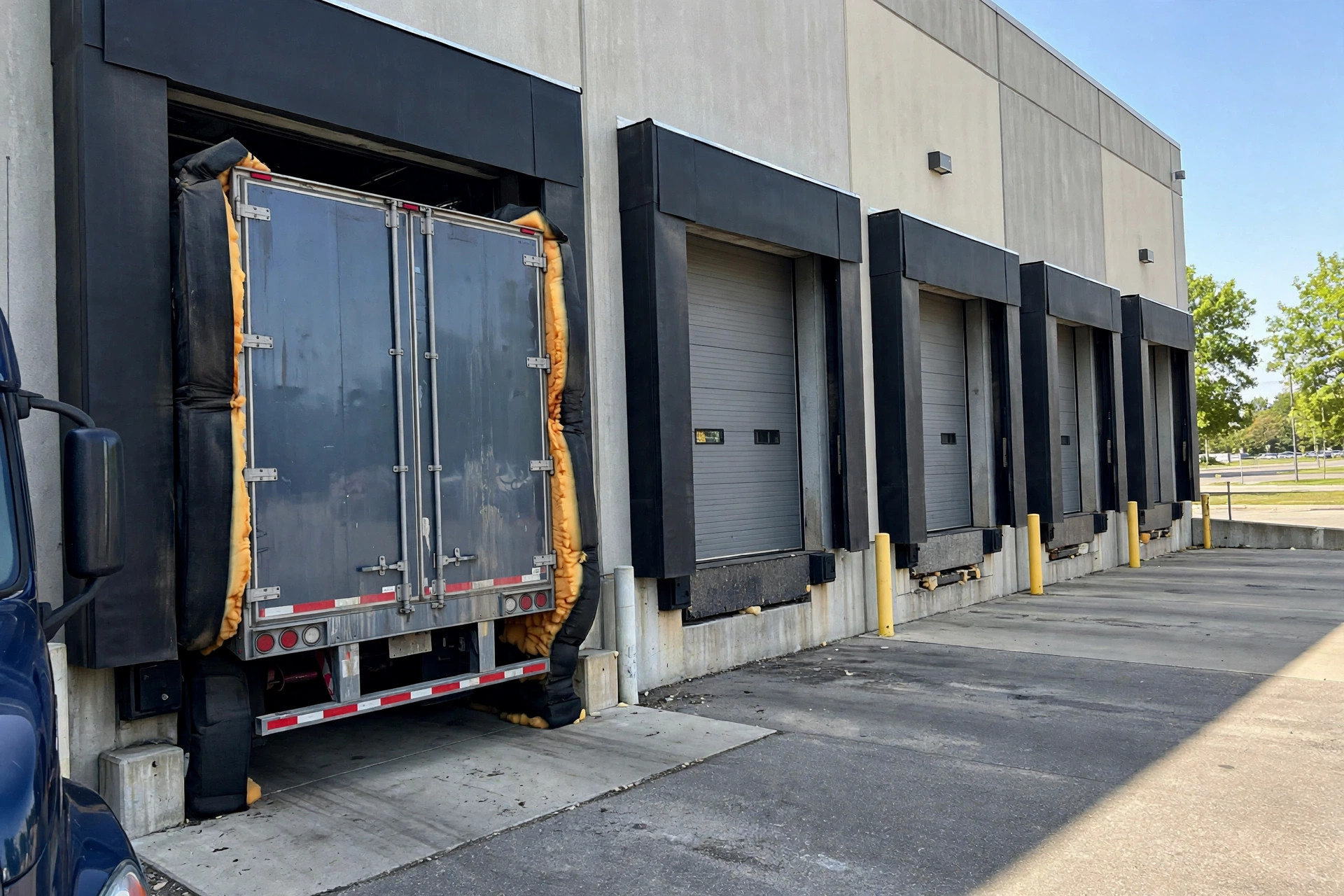
Here is an unfashionable opinion: a lot of small operators get hurt by what I call port romance. Space beside the port looks closest to the freight, but it can be furthest from the profit. That is not a knock on the port itself. The cost structure around it is simply designed for big players. Large companies have volume, long contracts, and their own fleets, so they can spread high rent thin. A small warehouse with mixed, low-volume orders cannot spread anything thin. We just absorb it.
A fellow operator I know rented a fairly large unit near the port in early 2025, planning to strip import containers and grow from there. What the Porto warehouse market really tests for a small operator is not whether the address looks impressive, but whether a low-volume cost structure can carry it. The first three months looked busy and impressive, trucks everywhere. Then he did the accounts and got a shock. Peak periods needed two extra temporary workers, waiting time pushed driver costs up, and all sorts of small charges nibbled away most of the margin. He recovered only after he split the business: fast-turn stripping stayed near the port, and slow freight went to a partner warehouse on the outskirts. He was not incompetent. He had simply picked a location written for a big company's playbook, and a small frame does not fit inside it.
So my counterintuitive judgment is this: being closer to the port does not necessarily mean making more money, and being close to freight is not the same as being close to profit. For a small warehouse, turnover speed is worth more than a prestigious address. A suburban unit where trucks move freely, orders are scheduled sensibly, and returns do not block the door can easily end up steadier than a handsome unit by the port.
In the Porto warehouse market, the scrappy tricks actually work
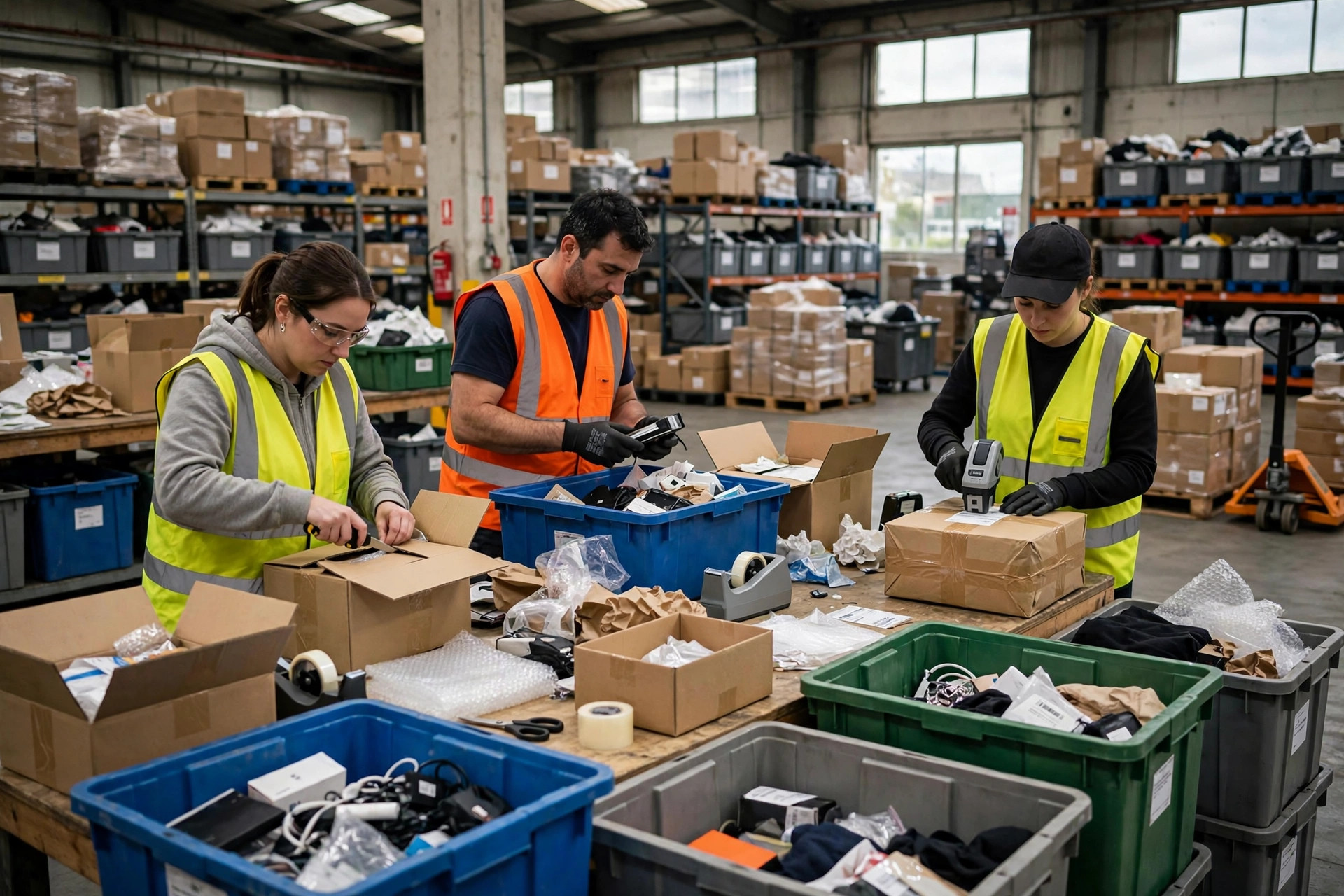
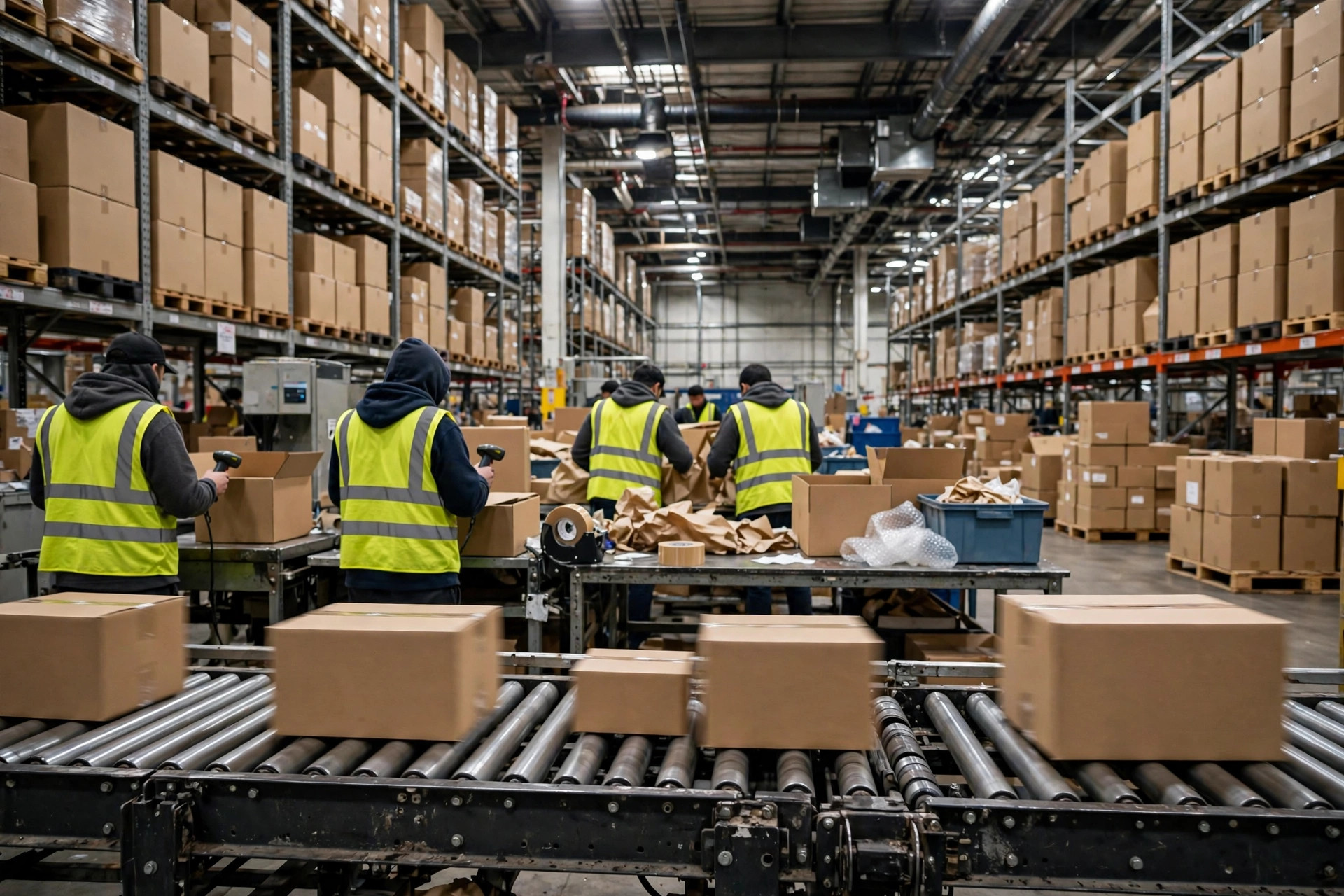
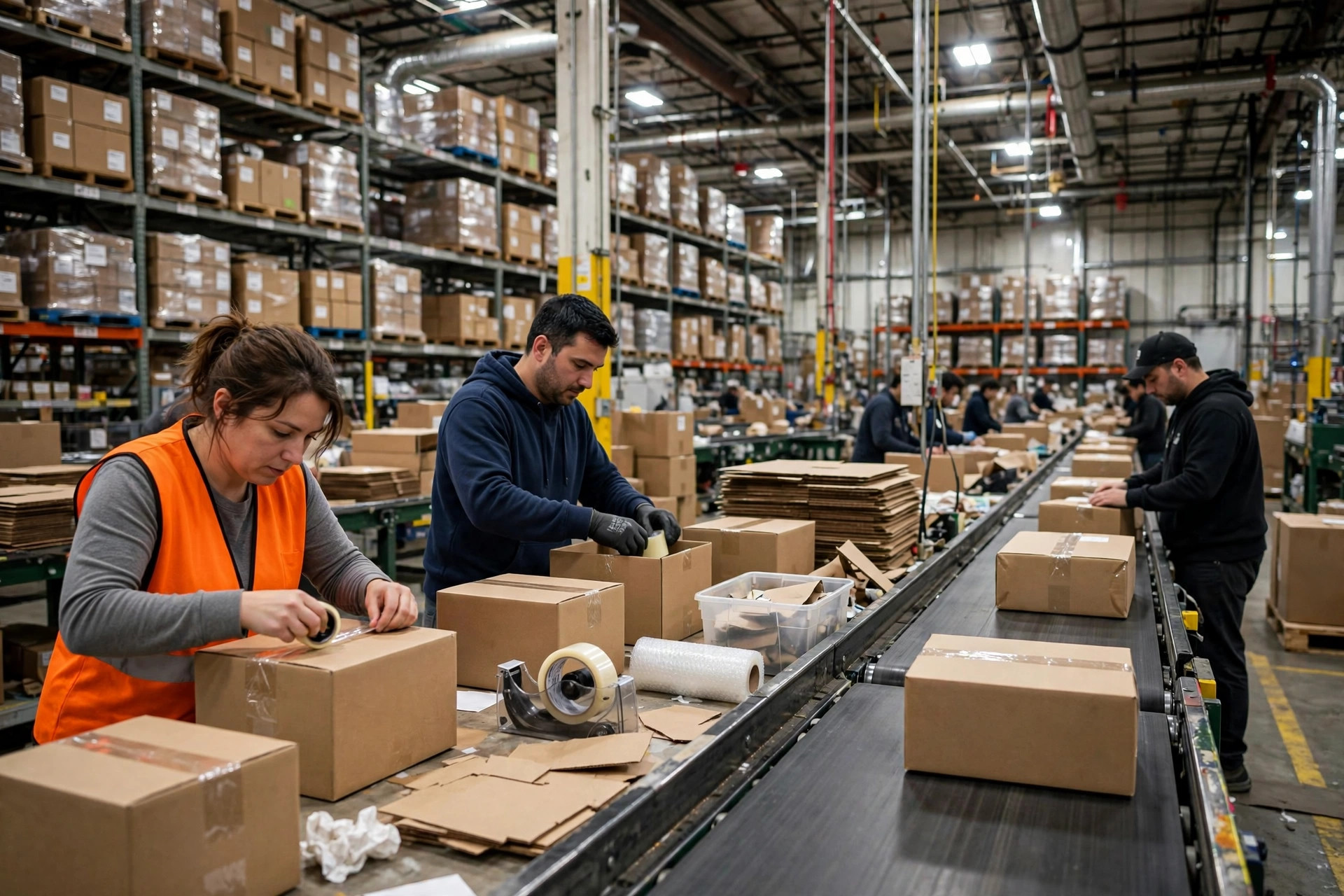
Let me share our own scrappy methods. They are not elegant, but they save money. First, we do not chase size, we chase separability. Our 3,000 square meters are split into four zones: receiving, fast turnover, slow freight, and returns. Incoming goods get sorted immediately, fast freight must leave within 48 hours, and slow freight is never allowed to block the fast lane. Second, we do not chase headcount, we chase versatility. All four of us can drive the forklift and raise paperwork, so one person on holiday does not shut us down. Third, we do not chase order volume, we chase clarity. Before taking a new client, I ask three questions: how often does freight arrive, how much comes at once, and how many returns are there? If the client cannot answer, I turn the job down, however big it looks. Taking it anyway would just be digging my own hole.
What has this delivered? No dramatic growth story, I am afraid. We have never needed an army of temporary workers in peak season, and we have never sat staring at an empty warehouse in the quiet months. Every month we pay wages, fix the forklift, and take the team out for a decent meal. For a small warehouse, that counts as winning.
One more scrappy trick is sharing kit with the small warehouse next door. In the summer of 2025, we split a larger forklift with a five-person neighbor, using it at different peak times and sharing maintenance in the quiet months. Splitting the cost beat each of us struggling alone, and it is the kind of quiet cooperation that keeps cash flow alive. If you are looking at Porto too, here is my peer-to-peer advice: do not fall for the glossy port photos, drive the real routes first; do not chase floor space, sort out your flow and returns zones first; do not compare your setup with a big company's, compare whose orders move smoothly and whose costs are actually understood. On taxes, permits, and regulations, always check the latest official policy rather than trusting a broker's pitch.
A small warehouse has its own way of surviving. You do not need the big players' stage. If your little operation runs smoothly, that is skill enough.
By Xiao Ma, Small Warehouse Owner