Every month, when the carrier invoice lands in my inbox, I take a deep breath before I open it. I am not afraid of the total. I am afraid of being overcharged again. Last month I ran a full parcel shipping bill audit surcharges review on three months of invoices, and I got money back. Not a fortune, but enough to cover half a month of warehouse rent. Since then, I never just pay an invoice. I audit it first.
Let me be blunt: surcharges themselves are not the enemy. Wrong surcharges are. Both major carriers raised average rates by about 5.9% in 2026, according to public announcements. When the base goes up, every wrong surcharge costs you more in absolute dollars. The industry has a rough estimate that a systematic parcel bill audit typically recovers 1 to 5 percent of annual shipping spend. That is an industry estimate, not a promise. How much you get back depends on how messy your invoices are. But one thing I will guarantee: if you never audit, you are definitely overpaying.
Parcel Bill Audit Starts With Dimensional Weight: One Inch Off, One Tier Up
Dimensional weight errors are the first thing I check, and the easiest money to get back.
Last November, peak season, we shipped a run of floor lamps out of our warehouse. The boxes were not big, and I had kept records of the actual measurements and weights. Then I found dozens of labels on the invoice where the billed weight was a full tier above what we had measured. When I dug in, the carrier's system had measured the longest side one inch longer than ours. One inch. That pushed the dimensional weight into the next tier, a few dollars extra per label, and across dozens of labels it added up to real money.
That shipment taught me two habits. First, keep a tape measure and a scale at the packing bench, spot-check measurements, and save photos with the date and tracking number on them. Second, when you audit, sort the invoice by billed weight and look hard at the labels that jumped a tier. A system that measures one box wrong usually measures a whole batch the same wrong way.
There is another trap here: bulging boxes. Stuff a box too full and it bows out in the middle. The system measures the widest point, and suddenly your box is a size bigger. The fix is low-tech: use the next box size up, or pack tighter so the box stays square. It sounds trivial. Across peak season, it is not.
Residential and Address-Correction Surcharges: The Quiet Ones
Second on my list: residential and address-correction surcharges. These are the sneaky ones, because the amount per label is small and they hide inside a long invoice.
We have a long-time customer whose delivery address is a warehouse in a commercial park, with a loading dock and a company sign on the door. For three straight months the invoices charged a residential surcharge on those deliveries. When I asked, the answer was that the system had classified the area as residential. In the end I filed a claim with the business license address, photos of the park, and a utility bill, and they fixed the classification. The overcharges from before the fix? I only got part of them back. The older labels were past the claim window, and those were gone for good.
Address correction is even more annoying. A customer once left the suite number off an order. The carrier corrected it, delivered fine, and charged a correction fee. Fair enough by the rules. But here is the problem: some corrections are not the customer's fault at all. The carrier's own address database is out of date. My fix is to add an address check at order entry. The system runs the address against the official address database first, and anything that fails gets held for a human to confirm before it leaves the warehouse. Do not wait until after shipping to correct it. As for correction fee rates, check the carrier's official website for the latest policy. I do not quote specific fee numbers here, because they change. When I audit, I only ask two questions: should this label have been corrected at all, and was the correction charged twice?
| Surcharge | Check first | Common error | How hard to recover |
|---|---|---|---|
| Dimensional weight | Labels that jumped a tier | System measures an inch long, bulging boxes | Easiest, if you kept records |
| Residential | Commercial addresses flagged residential | Wrong area classification | Medium, needs proof documents |
| Address correction | Whether the correction was valid | Outdated address database, double charging | Medium, depends on claim window |
| Fuel | Rate vs. the current week's table | Wrong week, stale rate | Harder, needs line-by-line matching |
One more thing about parcel bill audit work: doing it once is not enough. Carrier rate tables and classification rules keep changing. Something that was fine this month can go wrong next month. My rule now is one fixed audit day every month, no exceptions. After each audit I keep a simple log: what was overcharged, whether I claimed it, how much came back, and what to recheck next month. After three months you can see your own invoice's repeat problems, and the next audit goes faster.
When you file a claim, do not just say "you charged me wrong." Put the evidence on the table: the measurement photo, the tracking number, a screenshot of the carrier's published rate table. Three pieces of evidence, and the support team moves much faster. A claim with no evidence goes back and forth for two or three weeks and usually dies quietly.
Fuel Surcharges: When the Rate Doesn't Match the Week
Third item: fuel. Per label it looks tiny, but it is charged as a percentage, and across a big monthly invoice it becomes the real money.
Fuel surcharge rates move with the cycle and can change every week. The error is crude: the invoice still uses last week's rate, or the system did not update in time. A fraction of a percentage point per label is invisible to you, but across a few thousand labels a month, the gap is a real amount of money.
My method is dumb but it works. I take the fuel rate on the invoice and match it week by week against the rate table published on the carrier's official website. Anything that does not match gets circled, and I file claims in batches. Do not claim one label at a time. Claims have a cost too, and batching is where the math works. Check the carrier's official website for the latest policy and rate tables. I will not print specific fuel rates here, because they change weekly, and anything I write would be out of date next week.
Here is the counterintuitive part: the biggest discount you negotiate on base rates will not save you from surcharge leakage. Plenty of sellers fight hard over the base rate discount and never read the surcharge terms. Carriers are happy to give ground on base rates, because surcharges are the slow leak that keeps paying. The real savings are not in switching carriers. They are in auditing the bill and plugging the three surcharge leaks. Switching carriers treats the symptom. Auditing the bill treats the cause.
My routine is fixed now: once a month, half a day. Export last month's invoice, total it up by surcharge category, and look for categories that jump. Spot-check the dimensional-weight tier jumps, the residential flags, and the fuel rates that do not match. Keep the evidence, file the claims, follow up, and write the results down so next month you can check whether the same problem came back. Do not drag your feet on claims. Once the claim window closes, that money is gone for good. Check the carrier's official website for the latest claim windows.
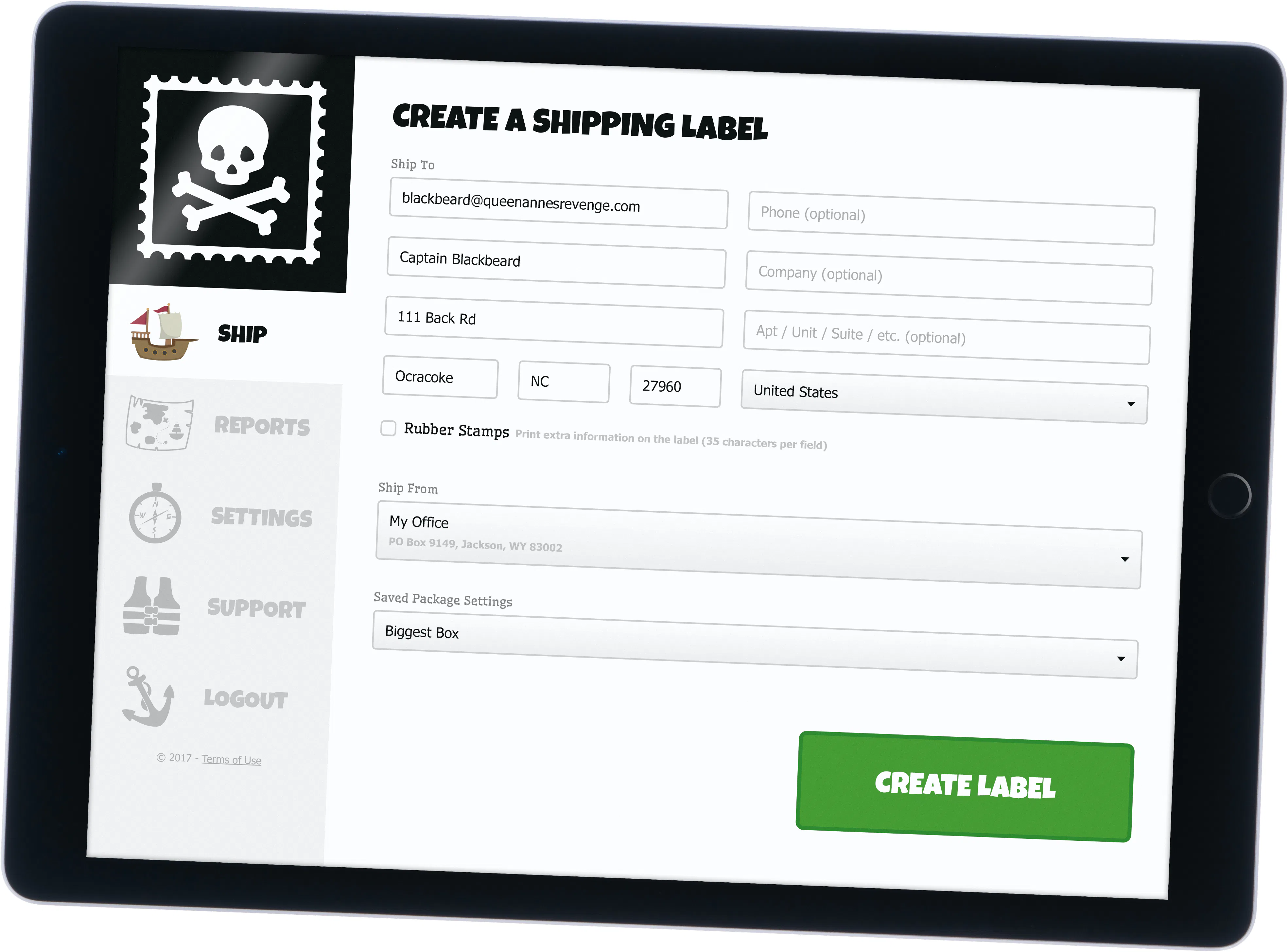
One last note: third-party comparison platforms can show you price differences across channels. I have used Pirate Ship and Shippo, and they are useful. But the lowest rate at checkout does not replace an audit. Comparison shopping controls the price at the moment you buy the label. Auditing controls what the invoice actually charged you in the end. You need both.
This one worked for me. Half a day a month on the invoice, money back, a clean bill, and peace of mind. When next month's invoice arrives, do not just pay it. Flip to the surcharge columns first.
By Ah K, E-commerce Seller (5 yrs)