One discount tier on the same shipment is worth two or three dollars a package. Sounds like nothing? At 100,000 packages a year, that's over $200,000 — enough to hire three more pickers or buy two new forklifts.
I've watched too many sellers sign their renewal letter without reading it. UPS and FedEx reps love those customers: no negotiation for three years, the auto-renewal clause nudges rates up a little every year, and the invoice keeps getting fatter.
I've spent 20 years on the floor of American warehouses, and I've negotiated more carrier contracts than I can count on both hands. Here's what's actually in my playbook: the six levers that work at the negotiating table, how to use them, and when.
Open Up Your Invoices First
Before you sit down at the table, export your last 12 months of invoices and look at four numbers: total package count, average weight, zone distribution, and your effective discount rate.
Zone distribution matters most. In 2019 I took over a 120,000-square-foot warehouse in Ontario, California. Their average discount looked "fine" on paper — until I broke it down: 70% of their volume shipped to zones 2–4, all short-haul. But their discount structure was designed for long-haul freight. They were shipping short-zone packages under a long-zone discount logic. They were leaving money on the table every single week.
Another trap: list price versus what you actually pay. The discount percentage on the rate sheet looks beautiful, but fuel surcharges, residential delivery fees, and oversize fees are all billed separately. Always calculate "actual freight paid divided by list price" — that's your real discount. When a rep tells you "I'll add another five points," understand those five points apply only to base rates. The surcharges don't move a cent. Your total cost might drop just 2%.
Build this table before you negotiate. Without it, everything you say at the table is hot air.
Six Levers: Three Hard, Three Soft
Start with the three hard levers — the ones reps genuinely fear, because they hit the rep's own numbers.
First, volume commitment. Don't inflate it. Report your real package count from the past 12 months, plus a conservative growth estimate. More volume means deeper discounts — that's the iron law. But the commitment goes into the contract, and missing it triggers penalties, so bid conservatively. I usually advise committing to about 90% of actual volume. Leave yourself room.
Second, zone distribution. Carriers love "balanced" freight: spread across zones, even weight distribution. If 80% of your volume piles into a single zone, your leverage is weak. Before negotiating, get creative: can you shift some short-zone volume to a regional carrier? Consolidate your long-zone freight with one carrier? Change the shape of your freight and the quote changes with it.
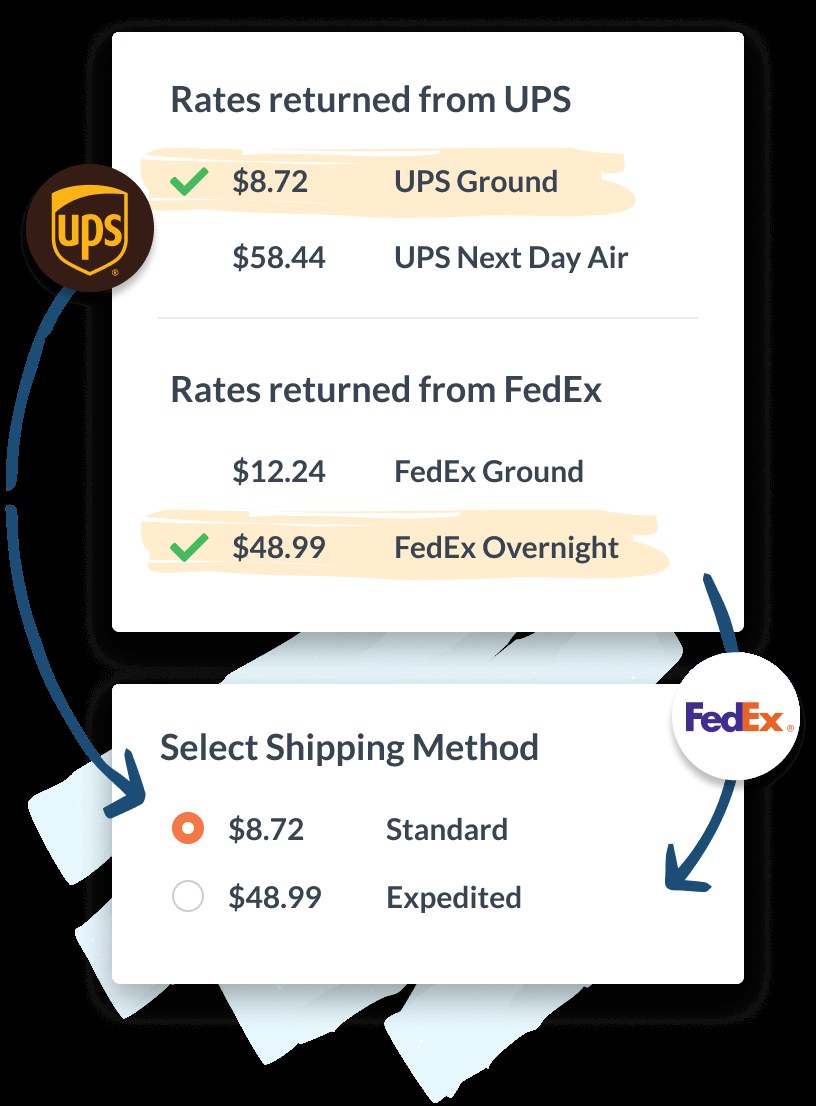
Third, the competitor's quote. This is the sharpest card in the deck. Take FedEx's quote to UPS, or vice versa. The two giants fight over accounts year-round — your business is their ammunition. But it has to be real: a rep can spot a fake competing quote in seconds. My approach is to go through one carrier's full quoting process seriously, get a written proposal, then take it to the other side.
Now the three soft levers — each looks small alone, but they add up.
Fourth, a multi-account strategy. Large shippers can split accounts by business line: one account for e-commerce parcels, another for B2B freight. Negotiate each independently and optimize the discount structure for each profile. Small sellers, don't try this — splitting thin volume just leaves every account too small to matter.
Fifth, payment terms. Standard terms run around 15 days; stretching to 30 or longer is often possible (check the carrier's current published policy). Terms don't cut your freight bill directly, but they're real help for cash flow. When peak-season inventory is tying up your cash, an extra 15 days of terms can be worth more than two extra discount points.
Sixth, surcharge relief. Address correction fees, residential surcharges, declared value fees — these "small fees" add up to scary money over a year. Negotiate them as a separate line item: ask for partial waivers or caps on specific surcharges. When a rep can't move on base discounts, they'll often give on surcharges, because those don't count against their discount approval authority.
Timing Beats Talking Points
Talking points are cheap. Timing is everything. Two golden windows:
One: before peak season. September and October are when reps chase their annual quotas — and when their approval authority is at its widest. Sign your new agreement before peak volume kicks in. Your peak-season package count is your leverage, but don't wait until November. Reps are too slammed to talk to you then.
Two: 90 days before your contract expires. Most contracts auto-renew — fail to give written notice 30 to 60 days out and you're locked in for another year. Starting 90 days before expiration is the sweet spot: the rep knows you might walk, so they bid seriously. I've seen people remember two weeks before expiration. The rep just says "there's no time to run the process," and the old terms roll over for another year.
One more insider detail: discount approvals are tiered. What the rep can approve alone, what needs a manager, what needs a regional director — three levels. If your ask hits the rep's ceiling, they'll tell you "this is the floor." Don't take it at face value. Ask what materials an escalated approval needs, put your volume and the competing quote on the table, and there's usually another tier below.
Small Sellers: Ride the Aggregators, and Read Before You Sign
Shipping under 50,000 packages a year? Don't expect to negotiate a headline discount with either giant's headquarters. You have two paths:
First, aggregated accounts. Third-party shipping platforms pool thousands of small sellers' volume and negotiate with the combined book — you ride on enterprise pricing. These accounts open fast with no minimums, perfect for sellers with volatile monthly volume. The downside is slow customer service and painful dispute resolution. My advice: run your core SKUs on your own negotiated rates, and push long-tail SKUs through the aggregator account.
Second, regional carriers. If 70% or more of your volume ships to zones 2–5, a regional carrier's pricing often beats both giants. Don't be loyal to a brand. Do the total math.
Finally, three clauses to check before you sign — skip one and don't sign:
- Minimum spend commitments. Some contracts include an annual minimum freight spend, with penalties on the shortfall. When the slow season hits, this clause can kill you. Negotiate it out if you can; if you can't, push the number down to 70% of your worst year.
- Auto-renewal terms. Check whether the notice period is 30 or 60 days, and set two calendar reminders. I've watched too many people get burned by this clause.
- Rate adjustment mechanisms. The contract will say "the carrier may adjust published rates annually." You can't remove that. But you can add one line: the discount percentage stays locked for the contract term. Published rates rise, your discount holds — and part of the increase is hedged away.
There's no single magic move in carrier negotiation. Open up your invoices, work all six levers, nail the timing, read the fine print — and the money you save in a year will fund a lot of other things. This math is worth an afternoon of your time.