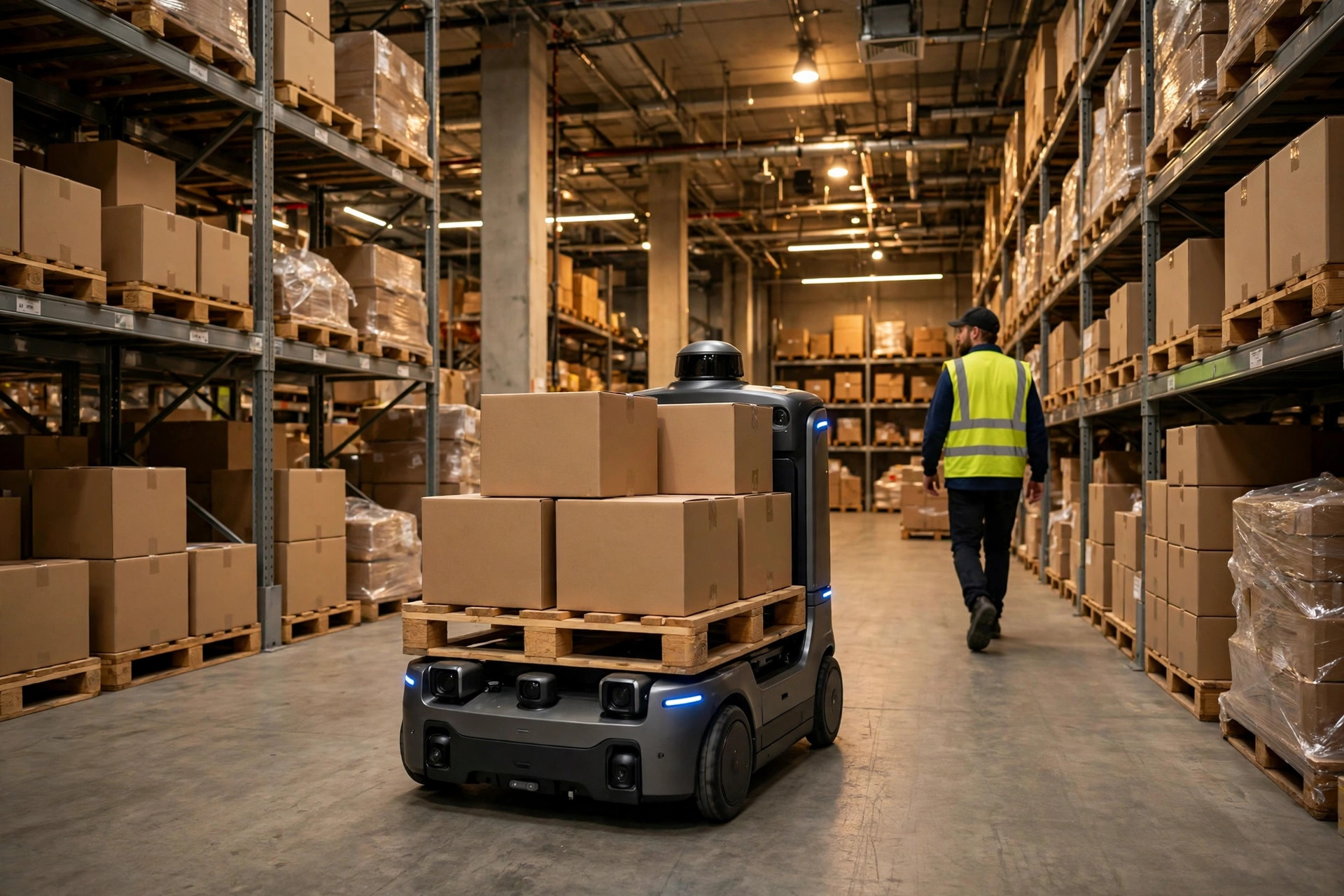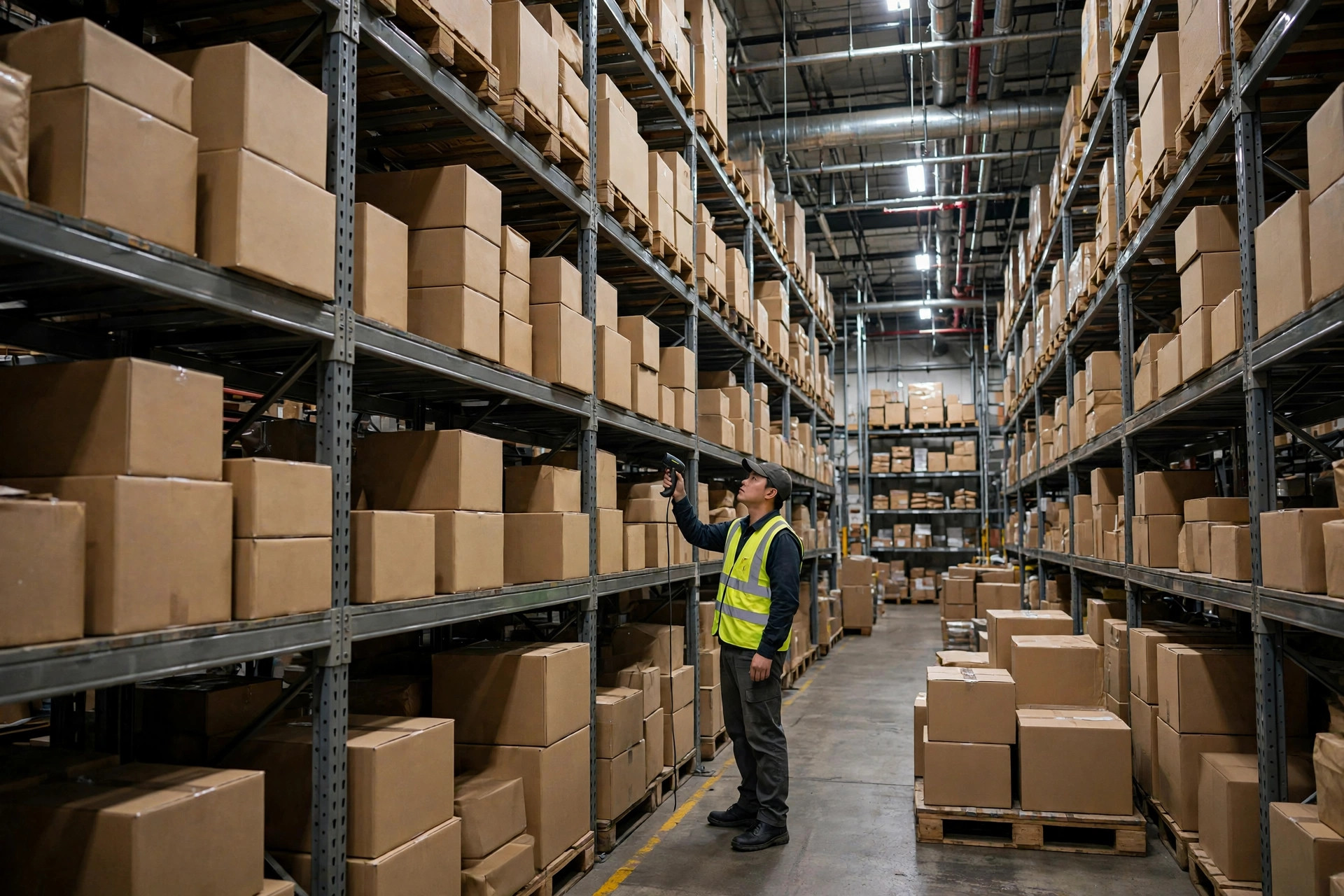
Let me tell you how I learned about overseas warehouse insurance liability: the hard way. In August 2026, a shipment of 128 Bluetooth earbuds arrived at my 3PL warehouse in Ontario, California. Two weeks later, a stock count showed 41 of them had simply vanished.
I opened a ticket. The warehouse replied with what I now recognize as the industry-standard dodge: "Our surveillance shows no irregularities. We recommend checking with your carrier regarding the transportation leg." The goods had been signed into their warehouse two weeks earlier, and they were telling me to go chase the trucking company. Beautiful.
Five years selling cross-border, and lost inventory is the tax I keep paying. Here's everything I learned, so you don't have to.
Overseas Warehouse Insurance Liability: What It Actually Covers
Before you start yelling at customer service, figure out one thing first: whose hands were the goods in when they disappeared? Liability follows possession. That's the whole game.
Lost before inbound receiving? That's on the freight forwarder or carrier — check the bill of lading and the delivery receipt. Lost after the warehouse signed for it? That's on the warehouse, and the answer lives in your warehousing contract's liability clause.
But warehouses don't cover everything. The usual carve-outs: force majeure (fire, flood), packaging that was already damaged at inbound (and you didn't make them note it on the receipt), and claims filed past the deadline. That last one is the silent killer — more on it below.
Get this straight and nobody can redirect you. When they say "please contact your carrier," you reply: "I hold your signed receiving slip dated [date], quantity 128, signed by your staff. Forty-one units are missing. Please open a loss claim per Section [X] of our contract." Stay polite. Stay immovable.
The first one was a real loss — those earbuds in Ontario, August 2026. One hundred twenty-eight units in, forty-one gone, each costing me a little over six bucks landed. Not a fortune. But infuriating. Two weeks of back-and-forth, and I only got compensation because I had three things: the signed receiving slip (128 units, warehouse signature, no ambiguity), the purchase invoice (proving the goods' value), and a claim filed the same day I discovered the shortage (inside the contractual deadline). They tried to brush it off as a "system inventory variance." I sent a photo of the receiving slip. Suddenly we were in the formal loss-claim process. I got paid out on a cost basis — I won't quote the exact percentage, because every contract is different, and yours is what matters.
The second one was a phantom loss, and somehow worse. November 2025, peak season, New Jersey warehouse. Two thousand charging cables showed zero stock in the system. Customer service said they'd "shipped normally." My stomach dropped — I was sure someone was walking out with my inventory during the holiday rush. Turns out a seasonal temp had put the cartons in the wrong bay and scanned the wrong SKU. The goods were in the building the entire time — just misplaced. It took four days to find them. Four days out of stock on a listing doing several hundred units a day, with ads still running. The listing fell out of the top 50 in its subcategory.
Lesson: not every "lost" unit is actually lost. Make the warehouse do a full cycle count and check for misplaced stock and SKU mix-ups before you talk compensation. Lead with "pay me" and they'll hide behind "inventory variance" forever.
Who Pays? A Quick Liability Table
Here's the cheat sheet I built while studying overseas warehouse insurance liability across three warehouse partnerships. Tape it to your wall:
| Situation | Who pays | How it usually works | What you need to prove it |
|---|---|---|---|
| Shortage at inbound (received qty < shipped qty) | Carrier / forwarder | Per the transport contract or cargo insurance — check the terms | Packing list, delivery receipt with the shortage noted |
| Signed in, then lost inside the warehouse | The warehouse | Per your contract — usually a percentage of procurement cost, with a cap | Signed receiving slip, purchase invoice |
| Wrong item shipped, buyer refunded | The warehouse | Covers the refund plus reshipment cost | Order records, buyer complaint screenshots |
| Minor damage, normal shrinkage | You | Contracts have a deductible; below it, nobody pays | — |
| Fire, flood, force majeure | The insurer (if you bought coverage) | Per the policy | Policy, proof of goods value |
Read the word "usually" twice. Whether compensation is based on cost or retail price, what percentage, what cap — every warehouse contract is different. Your signed contract and the warehouse's current published policy are the only authority. Don't wave my table at your warehouse manager; it's a thinking tool, not a legal document.
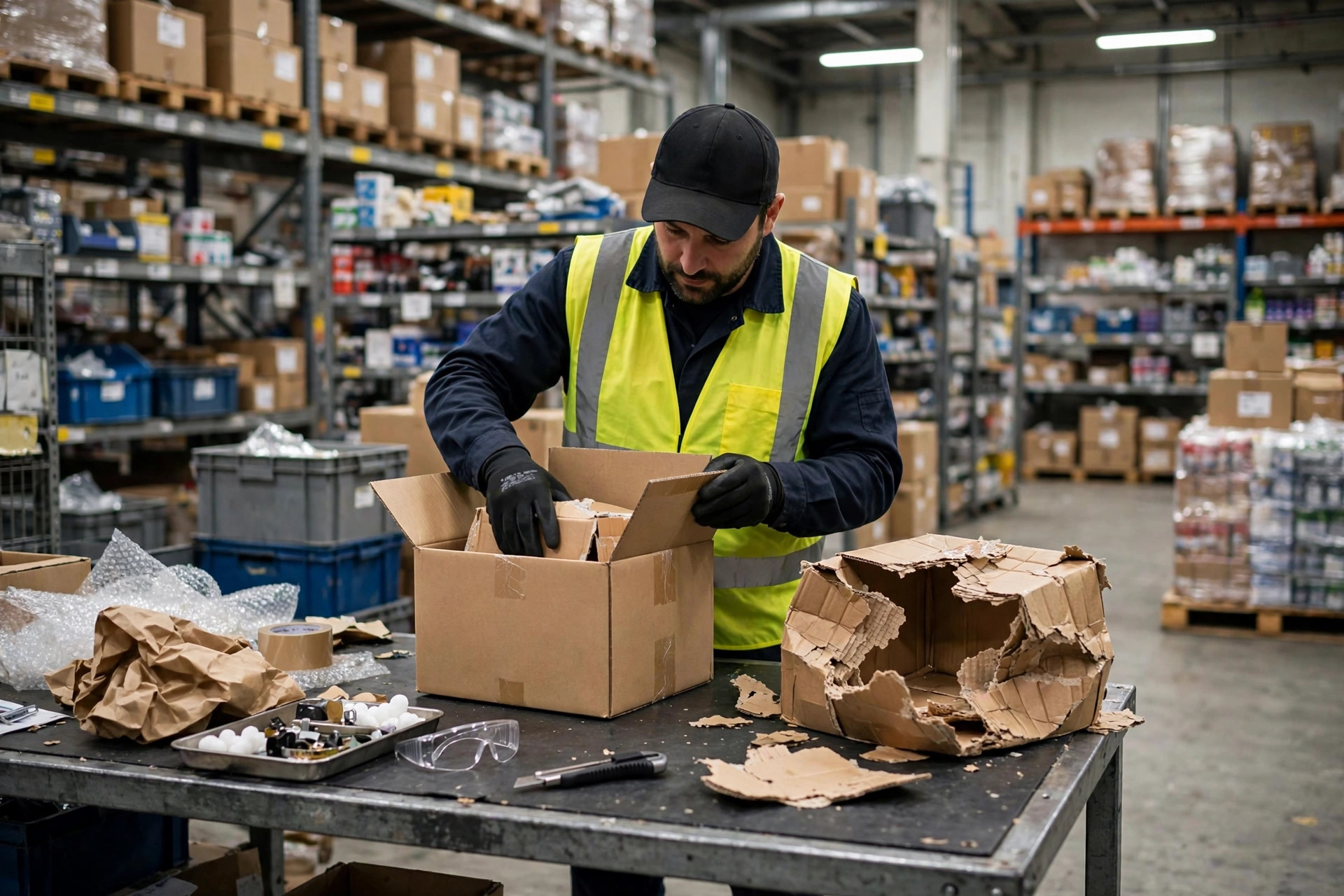
The Counterintuitive Part: Overseas Warehouse Insurance Liability Is Negotiated, Not Bought
This took me two losses to understand. I used to think insurance was something you buy after something goes wrong. Wrong. In the overseas warehouse game, the real "insurance" is the liability clause you negotiate on signing day.
Negotiating compensation after you've signed is like buying fire insurance while the house burns. Four things must be settled before you sign:
First, the compensation basis. Cost or retail price? An earbud that costs $6 and sells for $25 — that's a 4x difference. Unnegotiated, the default always favors them.
Second, the cap. Maximum payout per claim, maximum per month. If your SKUs are high-value and the cap is low, walk away.
Third, the deductible. Below what amount they pay nothing. This decides whether small losses are worth claiming or just absorbed.
Fourth, the claim window. How many days after discovery to file? Miss it and you get zero. Some warehouses give 30 days, some give 7. During peak season, 7 days evaporate.
If a warehouse won't negotiate these four, I don't sign — no matter how cheap the storage rate is. Cheap rent gets expensive in the places you can't see.
And here's the math on why this is worth fighting over. Twenty thousand dollars of inventory, 1% goes missing: $200 direct loss. Annoying, not fatal. But the real math: missing units → inaccurate stock → your bestseller stocks out → listing rank tanks → ad ACoS explodes. My charging cable listing dropped from the 30s to below 80 in its subcategory after a 4-day stockout, and clawing back took three weeks of elevated ad spend. Direct loss: ~$200. Stockout fallout: several thousand. The lost units are the cheap part; the stockout they cause is the expensive part. Instead of obsessing over recovering that $200, invest in early detection — reconcile inventory with your warehouse monthly, spot-check fast movers weekly.
Five Things to Do Before Anything Goes Missing
- Photograph every shipment before it leaves. Carton condition, quantities — 30 seconds on your phone, and it's evidence when things go sideways.
- Require piece-count receiving, and make them write any discrepancy on the slip. "Outer packaging intact" means nothing. You want numbers.
- Reconcile inventory monthly, not quarterly. Chase discrepancies the same month — past the claim window, you get nothing.
- Know your claim window. It's days to weeks depending on the contract — check yours. Expired means zero, no exceptions.
- Should high-value SKUs get separate coverage? My rule: if (goods value × estimated loss rate) > annual premium, buy it. If you can't run that math yet, start by negotiating a solid liability clause — for most small and mid-size sellers, a good contract beats a separate policy.
One more thing: negotiating the contract isn't "not trusting them." The warehouse I've worked with longest is the one where we haggled hardest over the liability terms on day one. Clear rules, three years, almost zero disputes. Even brothers settle accounts clearly — let alone a warehouse across the Pacific.
Tested it myself, and it works: get the compensation basis, cap, deductible, and claim window into a written addendum at signing. Next time support tries the redirect, you reply with a screenshot of the contract. Disputes that took two weeks now take two messages.
By Ah K, E-commerce Seller (5 yrs)