Here's my verdict up front: overflow locations aren't a band-aid you slap on during peak season. They're a permanent, first-class part of your inventory system — with a name in the WMS, a hard capacity, and rules for how freight moves in and out. Warehouses that treat overflow as "just stack it somewhere for now" always pay for it later, usually at cycle count.
In 2019 I walked a 3PL outside Los Angeles — a little over 20,000 square feet — that had been bursting at the seams for two straight peak months. More than 400 pallets sat in the receiving lanes. Nothing in the system, paperwork long gone. The final count came with a write-off north of $70,000. The owner asked me what the root cause was. One sentence: your freight had a place to sit, but your system had no concept of that place.
Where Do You Actually Put Overflow?
This debate is twenty years old. One camp says: right next to receiving — roll it off the truck and straight in, fastest putaway. The other camp says: at the tail end of primary storage — close to picking, smoothest replenishment.
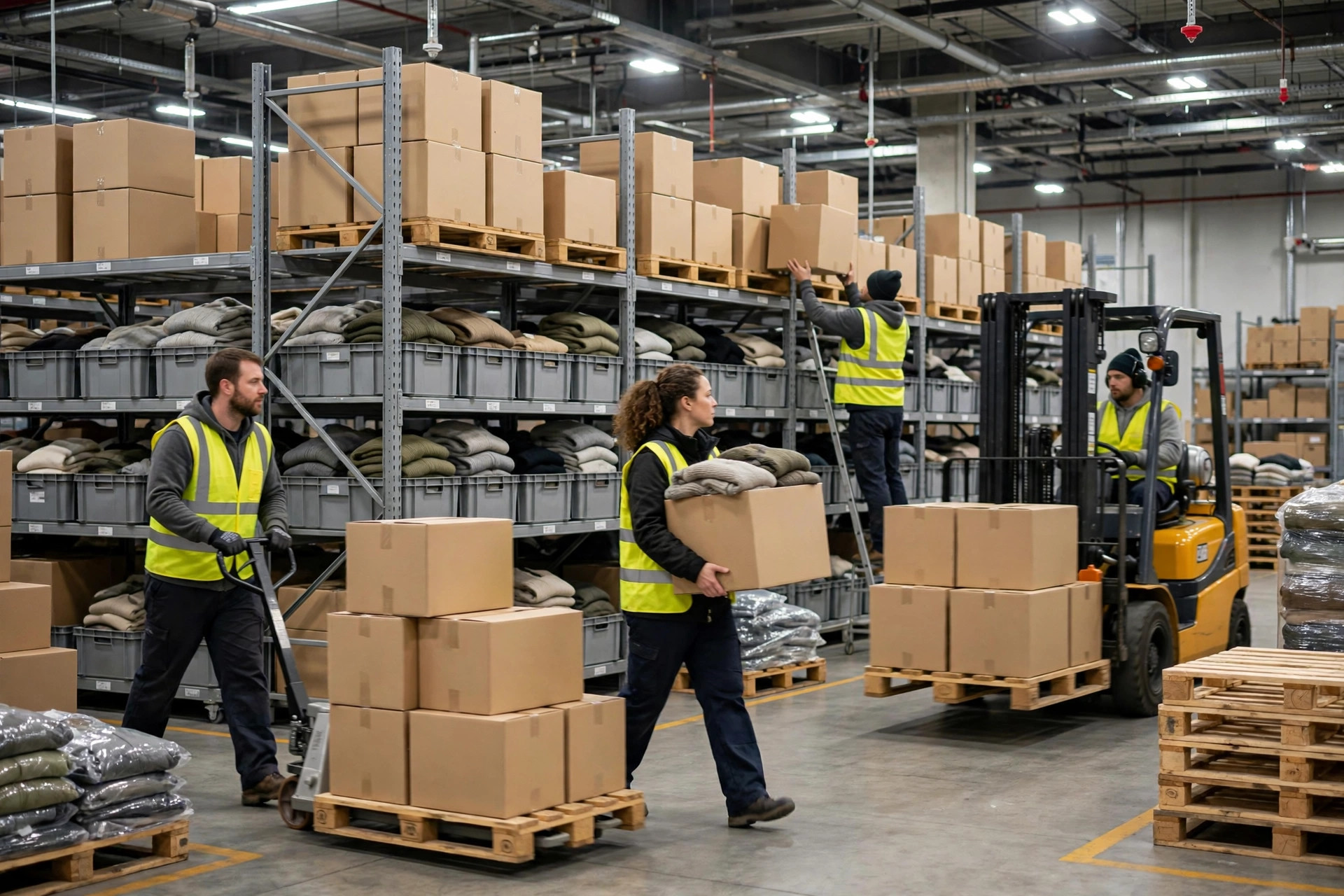
I've been burned by both. My answer: between receiving and primary storage, or at the tail of your primary pick zone. Overflow does exactly two jobs — absorb inbound surges and feed primary locations. Too far from receiving, your putaway crew hates you. Too far from primary, your replenishment crew hates you. Put it in the middle and nobody's thrilled, but everybody can work.
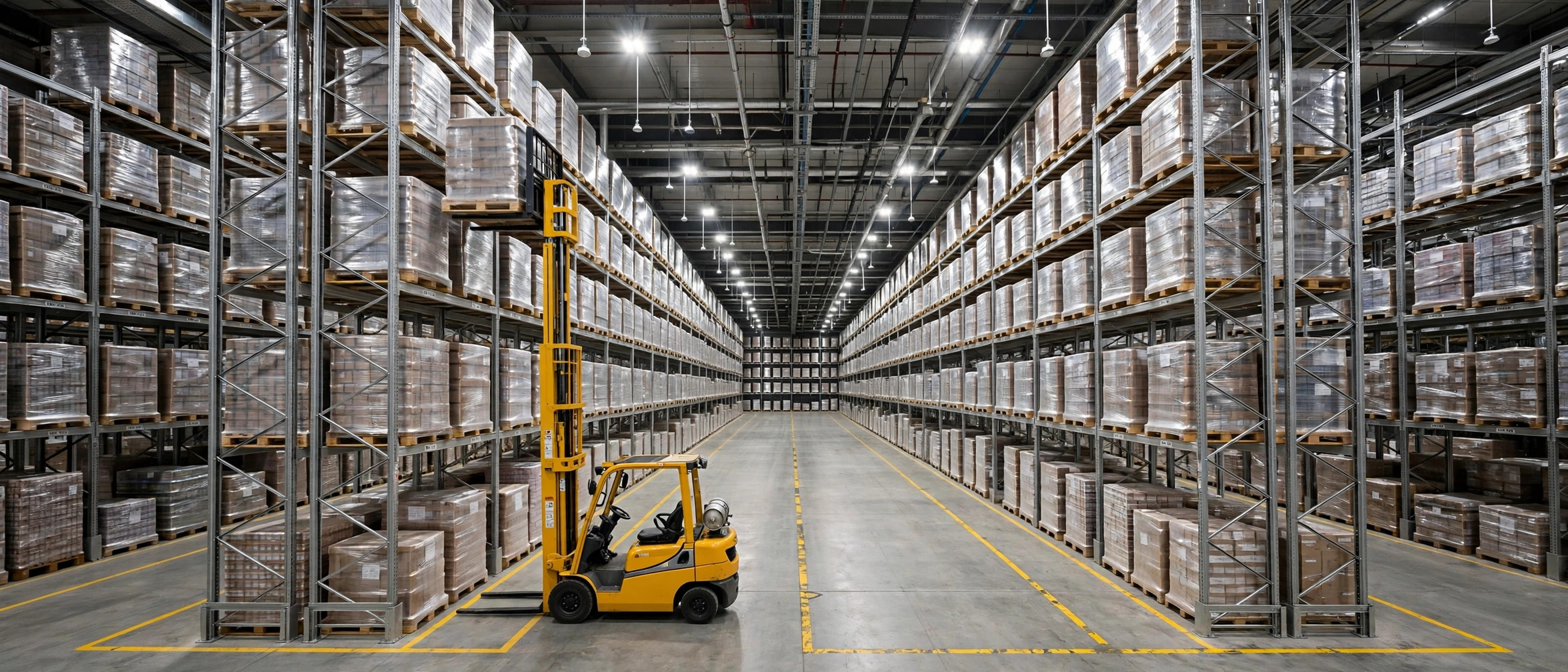
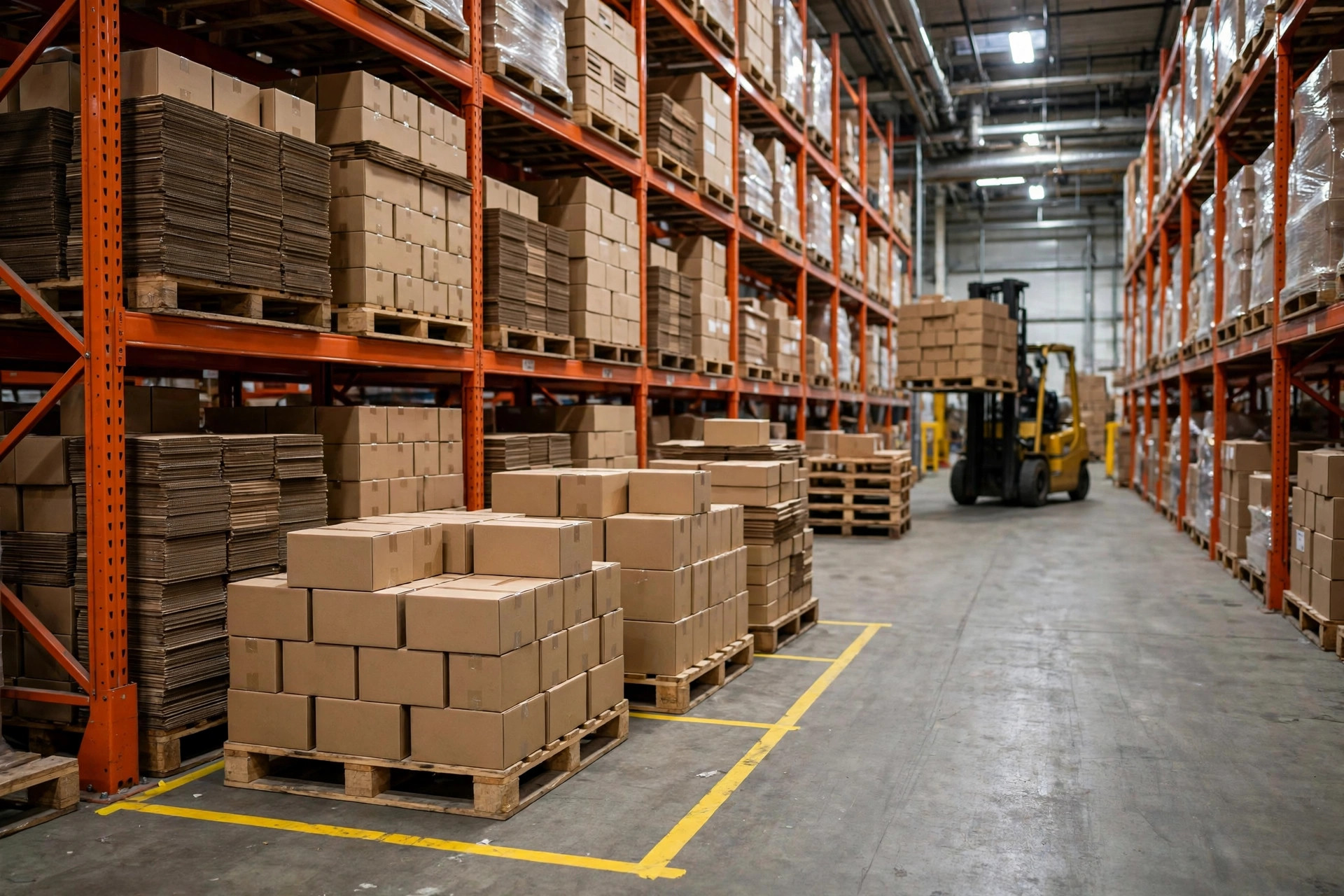
In 2018 I worked on a 150,000-square-foot building in Ontario, California, 32-foot clear height. We carved overflow out of two rows of floor-stacked positions directly across from the receiving dock. Forklift run time: about 40 seconds from dock to overflow, 90 seconds to the mouth of primary storage. Peak season pushed 120 trailers a day through that building and the dock never jammed. That distance wasn't calculated — it was tuned. Closer, and receiving and replenishment forklifts fight for the same aisle. Farther, and putaway times fall apart.
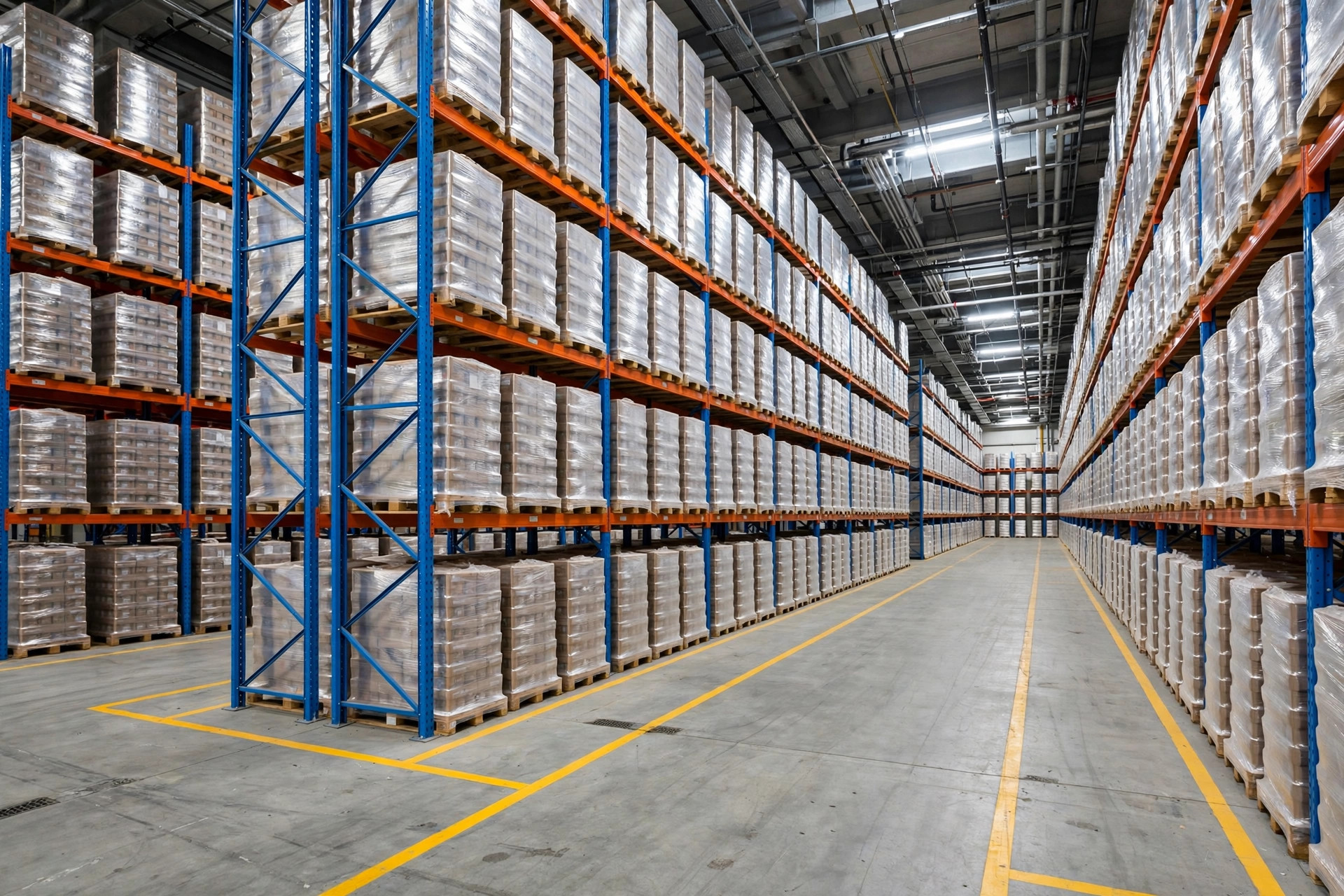
One more trap: never mix overflow with your dead-stock corner or your QA hold area. I once saw a warehouse throw everything "with nowhere to go" into one big zone — QA holds, damaged goods, overflow, customer returns, all of it. Three months later that zone was the Bermuda Triangle of the building. Nothing could be found. Overflow must be its own zone with a hard physical boundary — yellow floor tape at minimum — separated from everything else.
If Your WMS Doesn't Recognize Overflow, Floor Tape Won't Save You
Location decided is only step one. The real dividing line is in the system: does your WMS acknowledge "overflow location" as an identity?
Here's the configuration checklist I hand clients. Copy it as-is.
Give overflow its own location type, coded OVERFLOW. Not "temp zone," not "TBD" — vague names rot. Three months from now nobody will remember what that zone was for.
Set a hard capacity per position and write it into the system: floor stack, two pallets per layer, two layers max — that's four pallets, hard stop, the system blocks anything beyond. An overflow zone with no cap always becomes an infinite pile, which is the same as no management at all.
Count it in available-to-promise, but never assign picks directly to it. This one matters. Overflow inventory has to show up in ATP, or sales can't see it and will reorder what you already have. But pick-task assignment should hit primary locations first — overflow exists to replenish primaries, not to be picked from. Otherwise your pickers spend the day chasing overflow pallets across the building and throughput gets cut in half.
Mixing rules depend on the freight's value. Fast-moving standard SKUs: one SKU per overflow position, no mixing to save space. Low-value consumables can mix, but the system must track down to the license plate — which pallet is what. My red line: if the system can't tell you exactly what's on a given pallet, the overflow zone has failed.
Lot and expiry discipline matches primary locations. No downgrades. People love to skip lot capture because "it's only temporary." Wrong. Overflow is exactly where FIFO breaks down first. Lose the lot number and that freight will never rotate first-in-first-out again.
Once Freight Lands in Overflow, How Does It Move Out?
Location set, system configured — now the flow rules, the part that rots fastest.
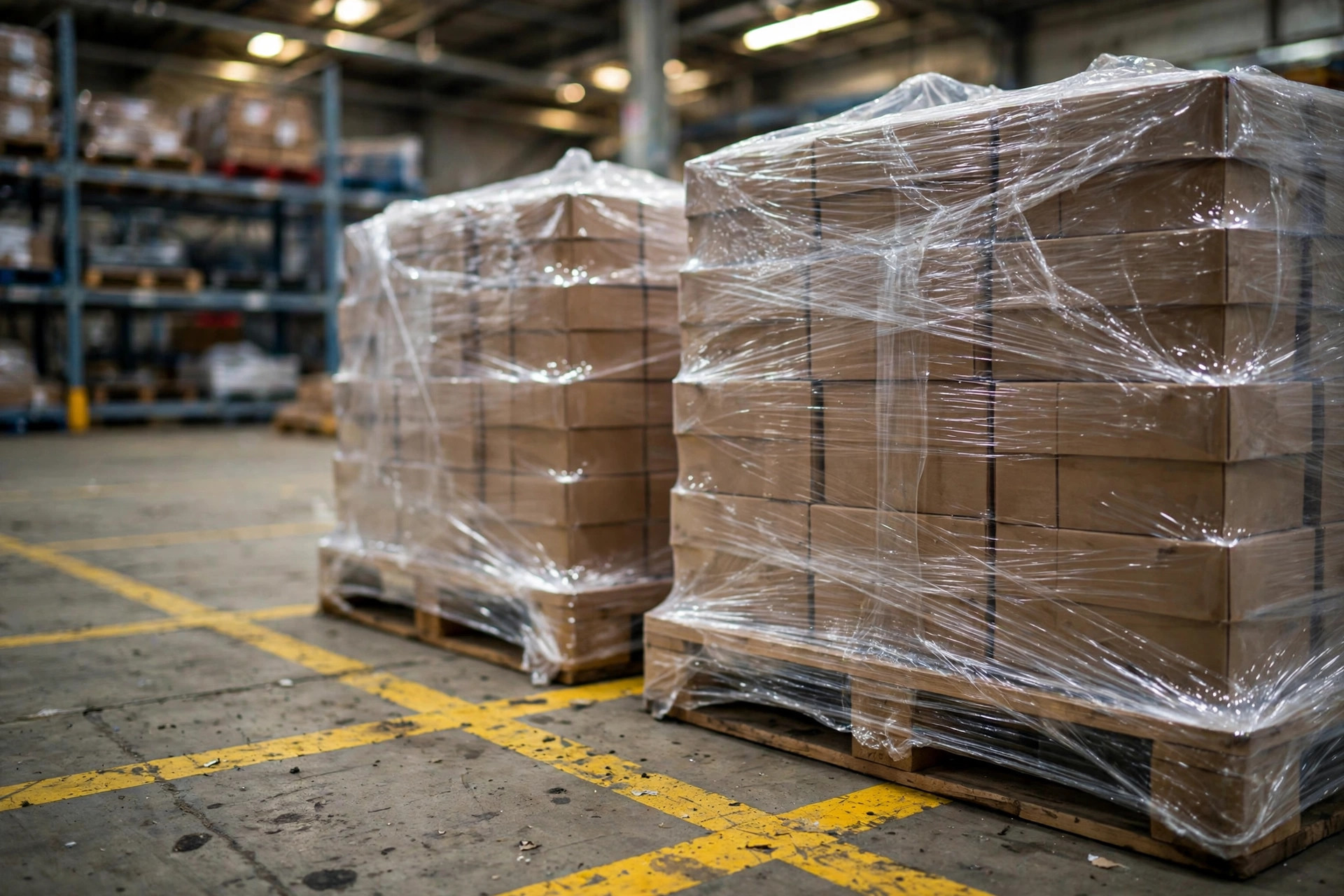
Rule one: primary first. Overflow is the bench, not the starting lineup. Inbound checks primary for open slots first; only when primary is full does freight go to overflow. Picks always come out of primary. Overflow freight has exactly one destination: replenishing primary. Reverse that direction and you're done.
Rule two: replenishment triggers off primary levels, not purchase orders. When a primary slot drops below its replenishment point, the system checks overflow for the same SKU first and generates an internal move task — overflow to primary. Only when overflow is empty does normal procurement kick in. Hard-code that sequence into the system logic. Don't rely on people remembering. The moment it gets busy, everyone forgets what's sitting in overflow, cuts another PO, and inventory snowballs.
Rule three: zero out the overflow zone on a schedule. My standard: cycle-count overflow only, once a week, fifteen minutes. Three checks: does the book match the floor, is anything past its dwell limit, and did anything sneak in that doesn't belong — damaged goods mixed into overflow, that kind of thing.
Rule four: put a dwell-time red line on every overflow pallet. Thirty days without moving into primary gets flagged, and the warehouse manager has to disposition it: transfer to another building, return to vendor, or mark it down and clear it. An overflow zone with no red line becomes a second dead-stock corner. In 2021 I walked a building in Chino, California with Black Friday 2020 leftovers still sitting in overflow — a full year, packaging already moisture-damaged. The owner's face said everything.
One last trade-off: too much overflow and the building always looks like it has space, management thinks "we can take more," and inventory piles up forever. Too little and you're bursting every peak, trailers lined up on the street. My rule of thumb: size overflow at 15–20% of peak-season inbound volume. Not sure? Start at 15% and keep an adjacent flex area you can expand into. Overflow is a shock absorber, not an excuse to skip real capacity planning.
Your Monday-Morning Checklist
- Create an OVERFLOW location type in the WMS with hard-coded capacity caps and over-capacity alerts.
- Physically isolate overflow with yellow floor tape — never share it with QA hold or dead stock.
- Include overflow in ATP, but assign pick tasks to primary locations only; overflow replenishes.
- Inbound rule: primary first when slots are open, overflow only when primary is full.
- Replenishment order: check overflow before cutting a purchase order.
- Cycle-count the overflow zone weekly — book vs. floor, dwell time, intruders.
- Thirty-day dwell red line; anything past it gets a disposition decision.
- Size overflow at 15–20% of peak inbound volume, with flex space beside it.