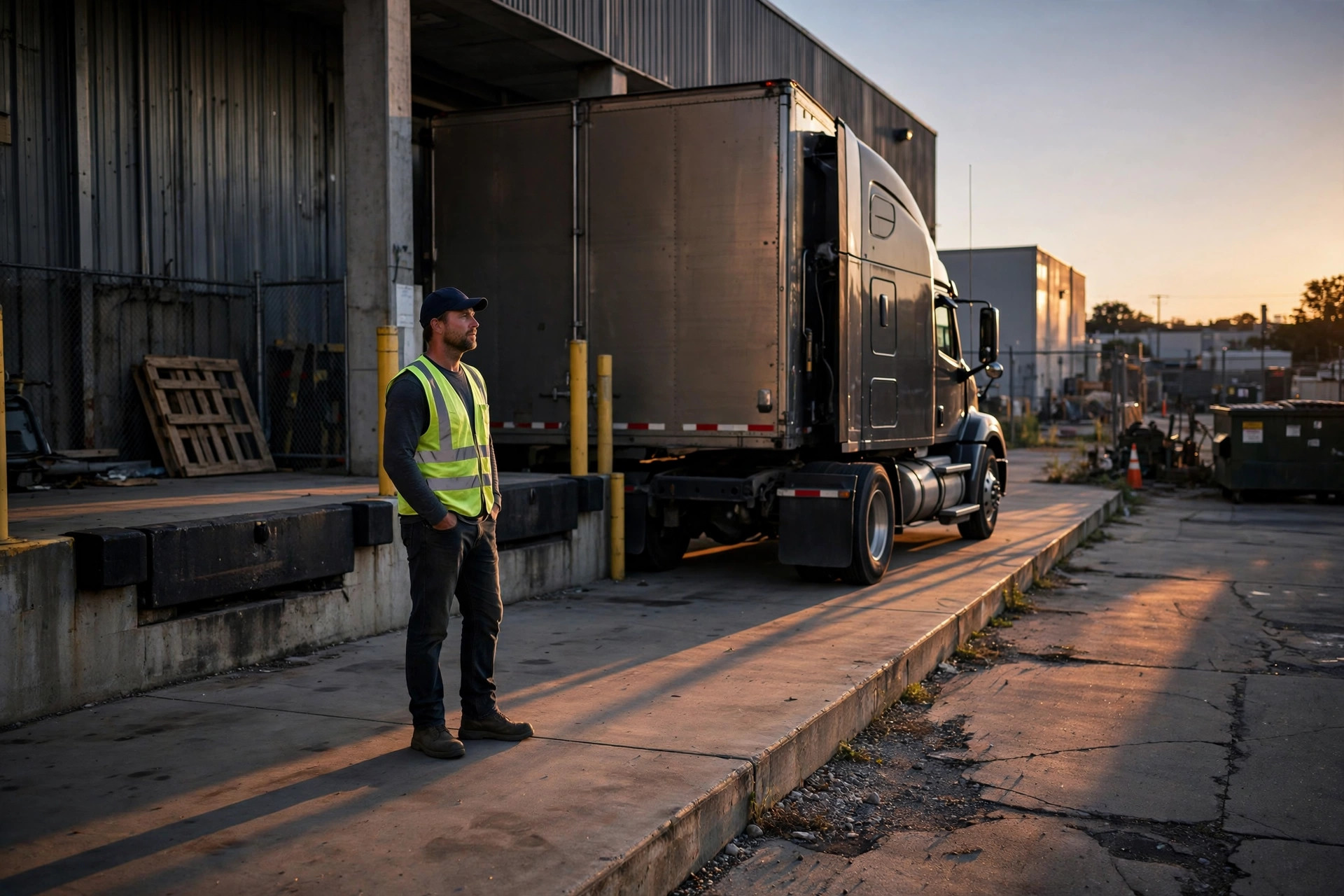
Let me tell you something. In fifteen years of driving trucks, the thing I fear most isn't traffic. It's showing up at a warehouse door and finding nobody ready for me.
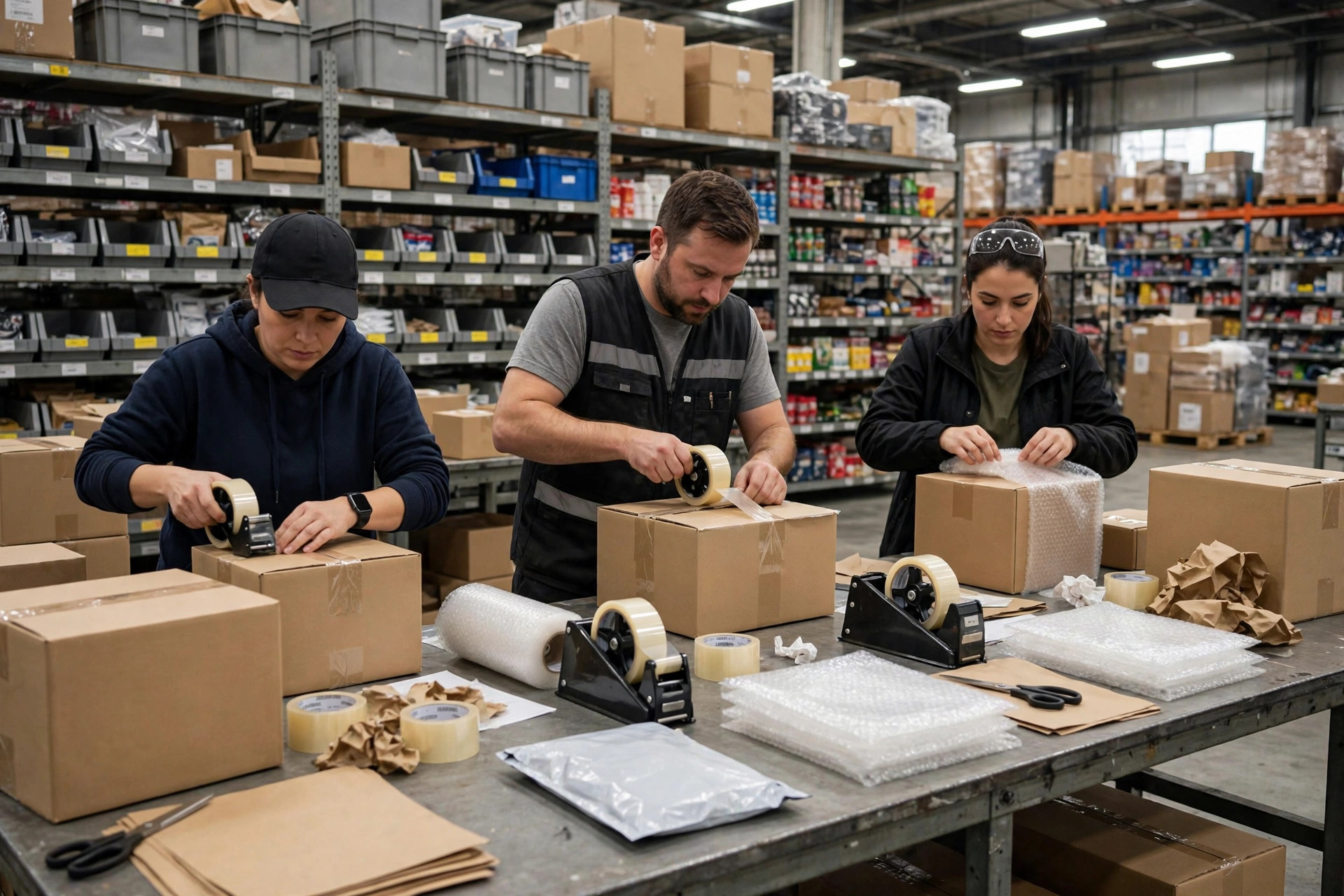
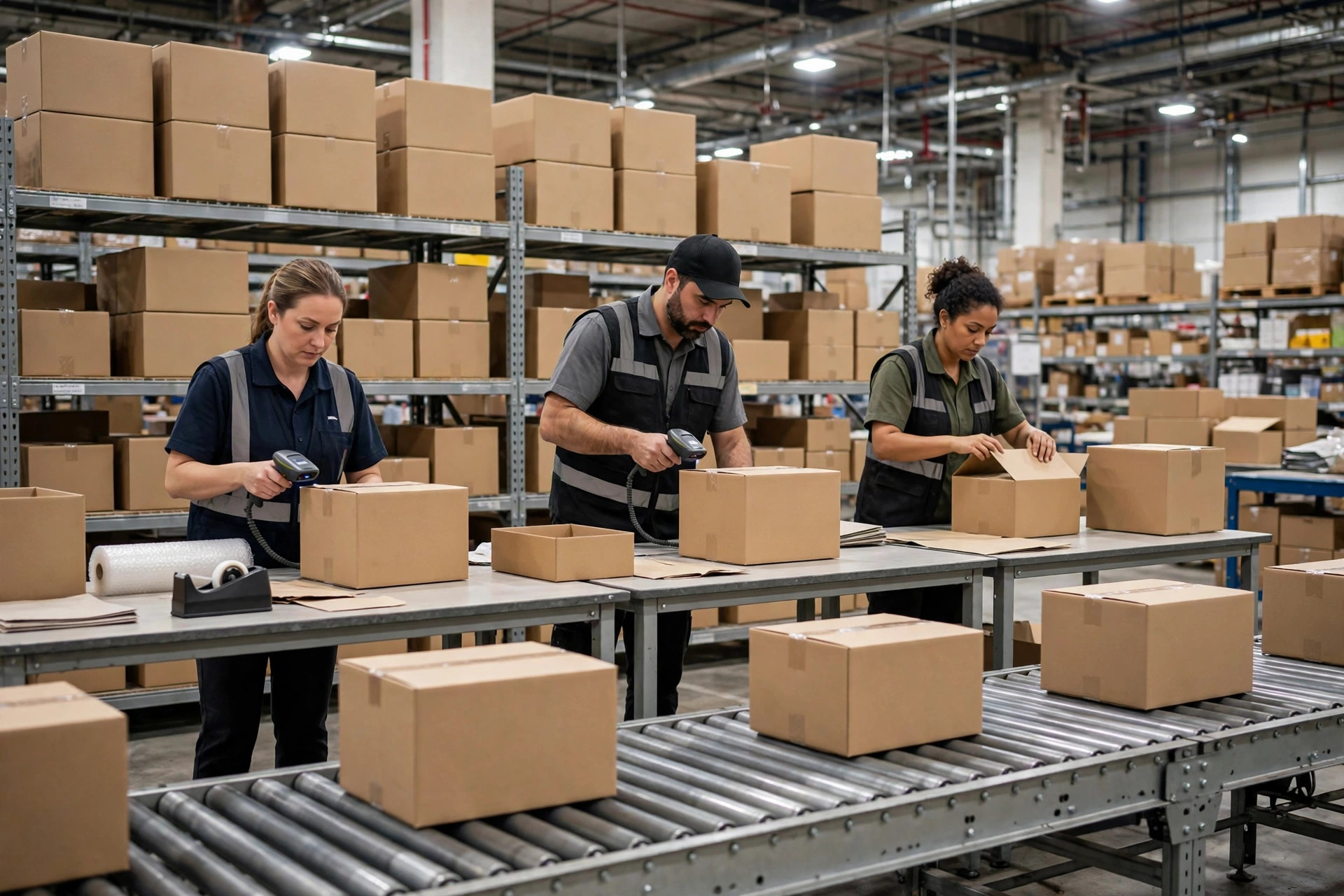
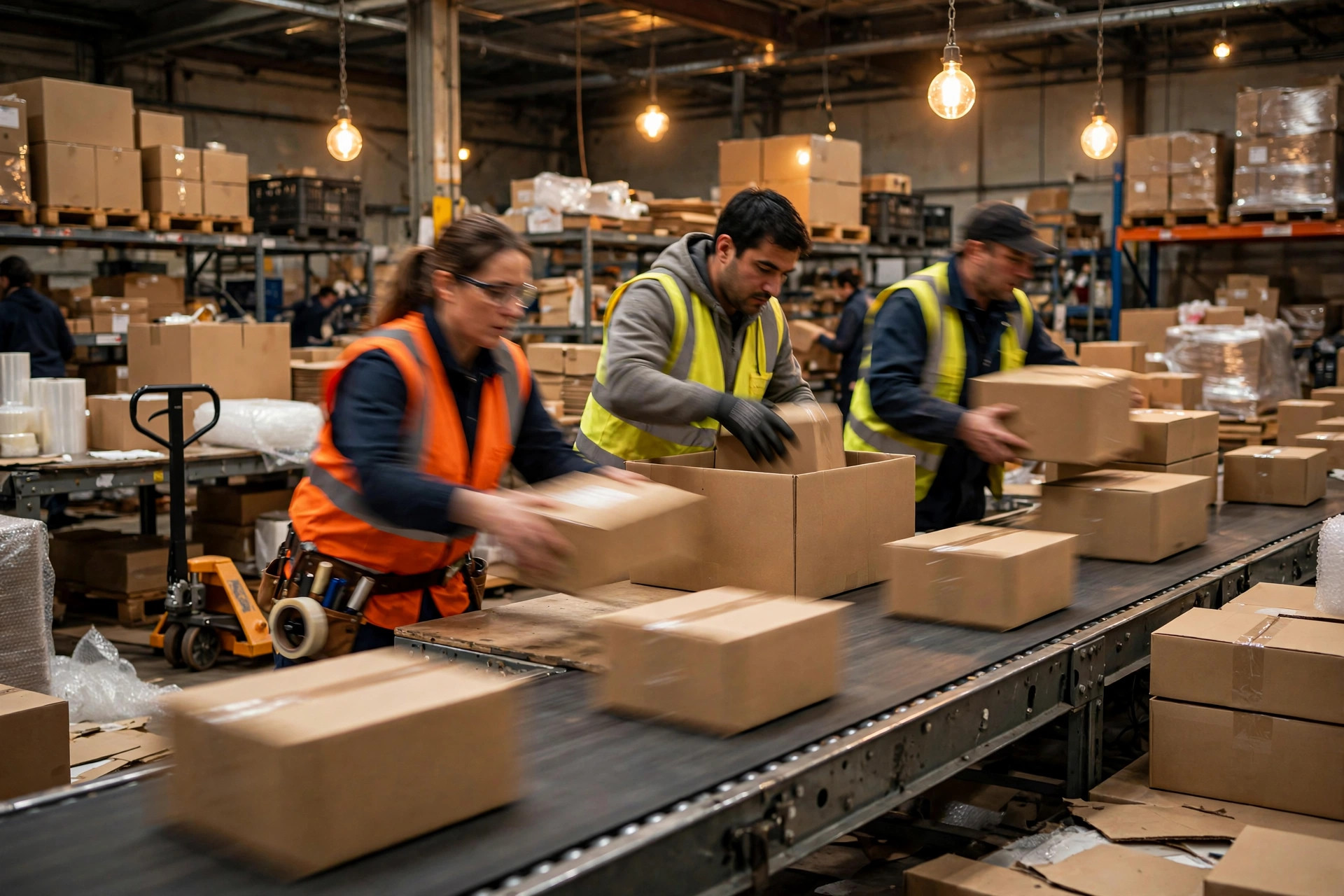
Summer 2023, I had a noon pickup appointment at a 3PL warehouse in Fontana. I got there at 11:30, hooked up the trailer, sat in the cab thinking this would be a smooth run — deliver by mid-afternoon, home for dinner. Half past twelve rolls around and the warehouse kid sticks his head out: "Driver, your load isn't packed yet." I ask when it'll be ready. He scratches his head: "Hard to say, we're backed up." So I sat there for nearly two more hours. When the freight finally came out and I rolled to the next stop, the last outbound departure of the day had already left. One afternoon's delay, and a whole trailer of freight went out a day late. The shipper's customer had empty shelves for a day.
Later I found out from that shipper that the order had sat in their system showing "in progress" the entire time. Nobody thought anything was wrong. The order came in, the warehouse worked on it, whenever it got done it got done. Nobody had ever figured out "this order has to ship by X o'clock." After all these years on the road, I've figured something out: nine times out of ten, a late shipment isn't freight that couldn't be packed. It's an order nobody was watching.
What This Tells Me: Every Order Needs a Deadline
You systems folks have a word for it — SLA. When I first heard it I thought it was some fancy thing. Turns out it just means a deadline: this order has to ship by this time, and past that point, trouble starts.
And the deadline isn't something you pull out of thin air. You work it backward. Take the customer's delivery time, back up past the carrier's cutoff, back up past the warehouse's pack-and-inspect time, and whatever time you're left with — that's your deadline. Say the carrier cuts off at 4 PM and the warehouse needs two hours to pack and check. Then this order's deadline is noon. Past noon with nothing packed, somebody needs to raise their voice.
A deadline alone isn't enough. Somebody has to watch it. Two layers of watching. The first is the alert: two hours before the deadline, the order hasn't moved, and the system yells at the warehouse supervisor — "this one's in trouble." The second is escalation: the yell went unanswered, thirty minutes to the deadline, and now you skip the supervisor and go straight to the boss.
Sounds fancy, but it's the same as setting an alarm on a long haul. You need to know the point of "if I'm later than this, I won't make it" ahead of time. You don't wait until the tank's dry to start looking for a gas station.
In early 2024 I saw the opposite at an e-commerce warehouse near San Bernardino. Every order that came in got a countdown against its deadline, and two hours out the system auto-texted the supervisor. One day I showed up for a pickup and the supervisor had spotted an order stuck in quality inspection an hour early, pulled two people off another line to rush it. My truck hit the dock just as the freight rolled out. One text, and the whole run stayed on schedule. We drivers get this better than anyone: we'd rather show up thirty minutes early and drink water at the gate than arrive on time and sit for two hours.
Do the Math: One Saved Shipment Pays for the Whole System
Honestly, alerts sound like window dressing. But run the numbers and you'll see.
A missed shipment costs you three ways. First, you miss the carrier cutoff or the platform's ship-on-time window, and the fine lands somewhere in the hundreds to low thousands of dollars. That's the visible bill. Second, the freight arrives late — the customer's line might stop, or the e-commerce buyer leaves a bad review and returns it. That loss can be bigger than the fine. Third, and this is the killer: you lose the customer. A big account runs dozens or hundreds of loads a year with you. One late shipment sends them to your competitor, and that loss is in the tens of thousands of dollars and up. Good luck getting that back.
Then there's a fourth bill most people forget: the driver's waiting-time fee. Past the free waiting time, a driver sitting at your dock bills by the hour, tens of dollars an hour — and the shipper pays for that in the end.
Let me lay it out:
| Cost of one late shipment | Cost of an alert system | |
|---|---|---|
| Direct fines | Hundreds to low thousands of dollars | Configure a rule in the system — basically free |
| Lost orders / bad reviews | Thousands to tens of thousands | Thirty minutes a day of someone watching the alert list |
| Driver waiting-time fees | Tens of dollars per hour | Auto text messages — near zero |
| Losing a big customer | Tens of thousands and up, unrecoverable | A dedicated watcher — tens of dollars a day in labor |
See the picture? Preventing one late shipment pays for this mechanism for half a year.
Here's a practical way to decide: pull your late shipments from the last three months. Count them, multiply by your average fine-plus-lost-business per shipment, divide by your monthly shipment volume. If that number is bigger than the labor cost of having someone watch orders, your alerts should already be live.
More Alerts Isn't Better: The Boy Who Cried Wolf
Now here's the counterintuitive part: more alerts is not better.
I've seen a warehouse that set alerts so tight an order ten minutes behind schedule would trigger one. The supervisor's phone went off dozens of times a day. At first everyone tensed up. After a while, they went numb and muted it. Then a genuinely critical order went late, and nobody noticed. Too many alerts equals no alerts. That's the boy who cried wolf.
So you have to tune the threshold. My rough-and-ready method: two levels is enough. Yellow card two hours before the deadline — order not packed, ping the supervisor. Red card thirty minutes out — still not ready, escalate. Yellow can be a text; red has to be a phone call. People miss texts. Nobody misses a ringing phone.
Escalation has its own craft. A lot of companies run it like this: worker to supervisor to manager to director, message passed up layer by layer, and by the time it reaches someone who can actually move people, the deadline's gone. My advice: the red card goes straight to the phone of whoever can reassign people and make calls. One fewer layer, one better chance of making it.
And here's a detail: escalation has to end in action. When the red card lands, the warehouse needs to know what to do — pull people to rush it, split the order and ship the urgent part first, or switch carriers. The sharpest operation I saw froze the other lines the moment the red card hit and rushed that one order first. The point of an alert isn't "now we know." It's "now we move."
One more thing you might not have thought of: in the escalation chain, the driver is the best early warning system you've got. I look at the dock from the gate and I can tell whether this load has a chance — empty dock, freight probably isn't ready. Smart shippers keep a hotline with their regular drivers: freight not ready, give us a heads-up, and the driver can plan the next run. No system is faster than the pair of eyes at the gate.
An Old Saying
We drivers have an old saying: don't fear slow, fear stopped. Freight moving slowly on the road is fine — worst case, it's half a day late. Freight sitting in a warehouse with nobody watching it, an order sitting in the system with nobody tracking it — that's what kills you.
Fulfillment SLAs, alerts, escalation in an OMS — it all comes down to one sentence: never let an order go late without anyone knowing. Set the deadline, shout early, and if nobody answers, take it upstairs. Simple as that. Few do it.
Next time you're in a meeting with the warehouse, don't ask "are we shipping fast enough." Ask this instead: "Last month, how many orders did we only notice after the deadline had passed?" If that number is bigger than zero, you know what to do.
By Shifu Zhao, Trucking Veteran (15 yrs)