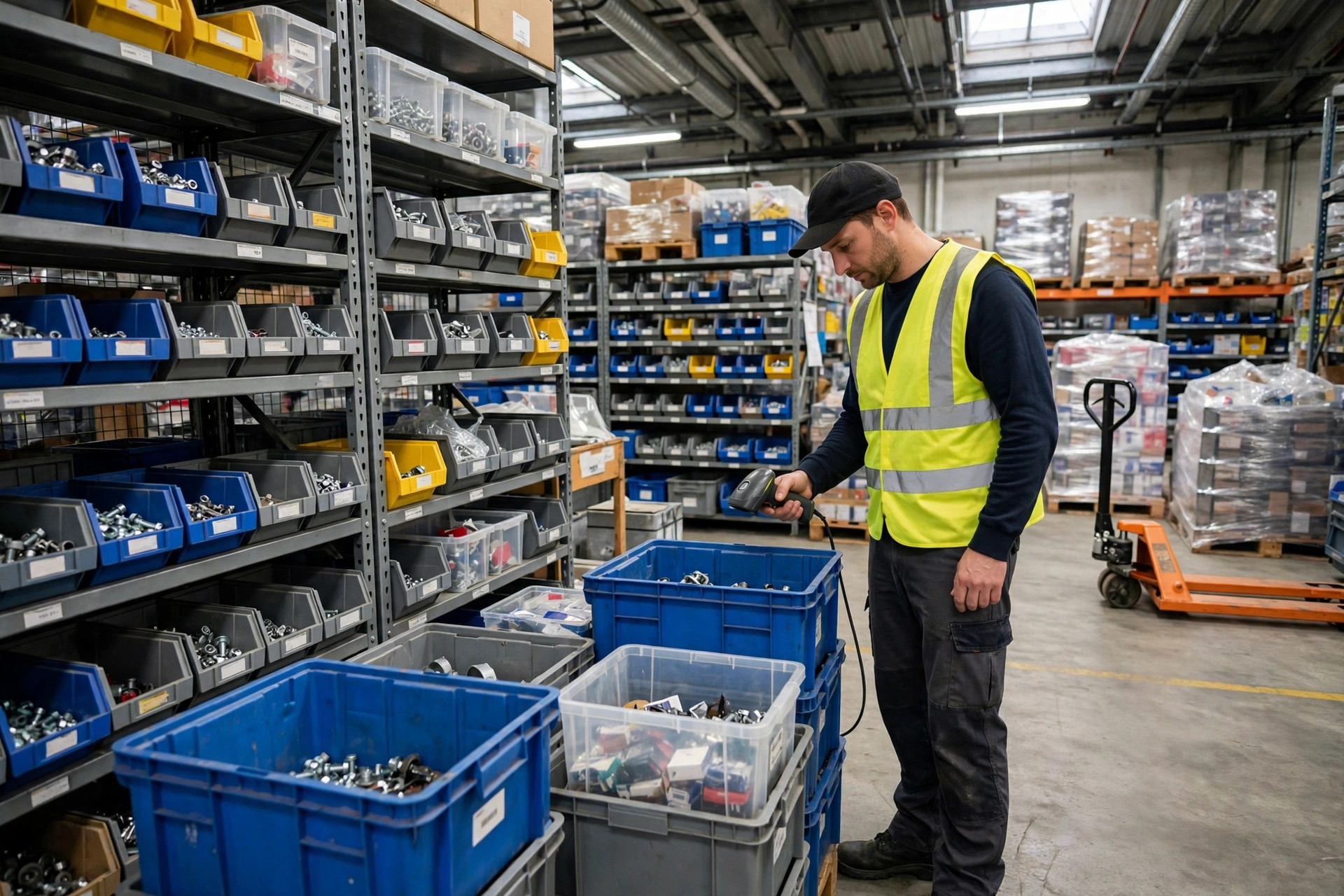
We have a client that sells small home appliances. They signed with our warehouse right before Black Friday last year, and OMS cancelled order interception is one of those topics I only started taking seriously after watching them bleed money on it.
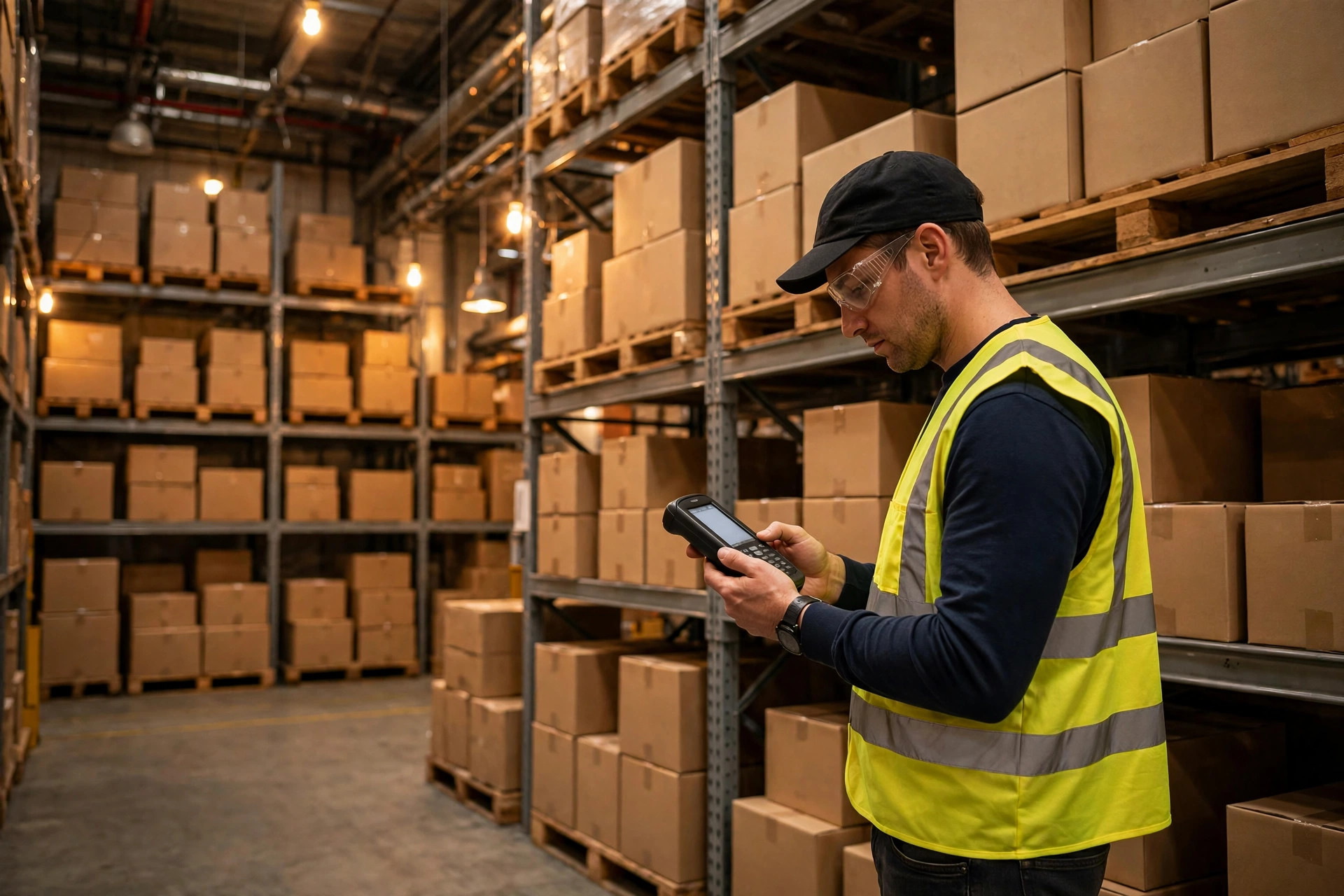
March 2025. They ran a pricing promotion, the price went live wrong, and they pulled the listing to fix it. In two hours, more than 40 cancellation requests flooded in. Their OMS pushed the cancellation signal to our WMS with a 10-plus-minute delay — by which time the pick tasks were already released and the pickers' PDAs were already buzzing. Seventeen orders were picked and sitting on the pack benches. Nothing stopped them. They shipped.
The aftermath: we ran delivery intercepts on 9 of the 17, and the carrier charges a per-package intercept fee (check the carrier's website for current rates — at the time it was in the teens per package). The other 8 couldn't be caught; the buyers refused delivery, and the return freight plus the 3PL's per-unit return processing all landed on the client's invoice. That one incident cost them several thousand dollars. The founder called me, furious: "The customer cancelled. Why did the order still ship?"
Fair question. Here's the uncomfortable answer: between "buyer clicks cancel" and "warehouse stops moving," there are three doors — and most companies' cancelled order interception doesn't even lock the first one.
Where Cancelled Order Interception Leaks
Walk the chain. Buyer cancels on the storefront → the platform pushes the cancellation to the OMS → the OMS syncs it to the WMS → the WMS freezes or recalls the pick task. Sounds clean. In practice, every handoff has latency, and pickers don't wait.
We reconstructed those 17 orders: 10-plus minutes of OMS-to-WMS sync lag, no rule in the WMS to auto-recall released pick tasks, and no order-status check when the pack bench PDA scanned the order. All three doors wide open.
Now some insider honesty from the 3PL side: plenty of 3PLs don't build this interception, and some that do still charge you for the stopped order. Pick fees are often billed on "picked" units — the order got cancelled, but the units were already picked, so the fee stands unless your contract says otherwise. Some warehouses even have a line item called a "cancelled order handling fee," charged per intercepted order. I've seen it priced higher than the freight itself. So before you talk technology, talk money.
What One Leaked Order Actually Costs
Using that appliance client's actual invoice from that month as the reference (their real numbers — every 3PL's rate card differs, so run your own):
| Cost item | What it is | Who pays |
|---|---|---|
| Outbound freight | Already shipped, non-refundable; a small parcel in the teens per order is typical | You |
| Carrier intercept fee | Asking the carrier to stop it mid-transit, per package | You (check the carrier's site for current pricing) |
| Return freight | The refused package coming back | You |
| Return processing | 3PL per-unit receiving, inspection, restock | You |
| Support cost | "I cancelled, why did it ship?" — at least 2–3 back-and-forths per ticket | Your team |
| Review risk | Unquantifiable, but real | Your brand |
See the math? One un-intercepted cancellation costs two to three times the original freight. "Stop one shipment, save one shipment" isn't a slogan. It's arithmetic.
Three Lines of Defence for Cancelled Order Interception
The technology isn't exotic. What's hard is making sure all three lines have a named owner:
Line one: OMS → WMS cancellation sync, down to minutes. Ask your IT team or your 3PL: how many minutes from OMS to WMS? Many systems default to a 15-minute polling cycle — 15 minutes is enough for pickers to finish three waves. Move to push-based or 2-minute polling. Cheap change, dramatic result.
Line two: released pick tasks must be recallable in the WMS. The state machine needs to handle it: assigned-but-not-started → void it; started-but-not-finished → the PDA buzzes the picker to stop; picked-but-not-packed → hold it at the pack bench. Many WMS platforms don't do this out of the box. Ask the vendor to enable it, or file the feature request.
Line three: final check at the pack bench. When the PDA scans the order number for outbound, the system compares live against the OMS order status. Cancelled orders get locked and flagged red. It's the cheapest line of defence — and the one that saves you. Of that client's 17 leaked orders, every one that reached a pack bench had one last chance to be stopped.
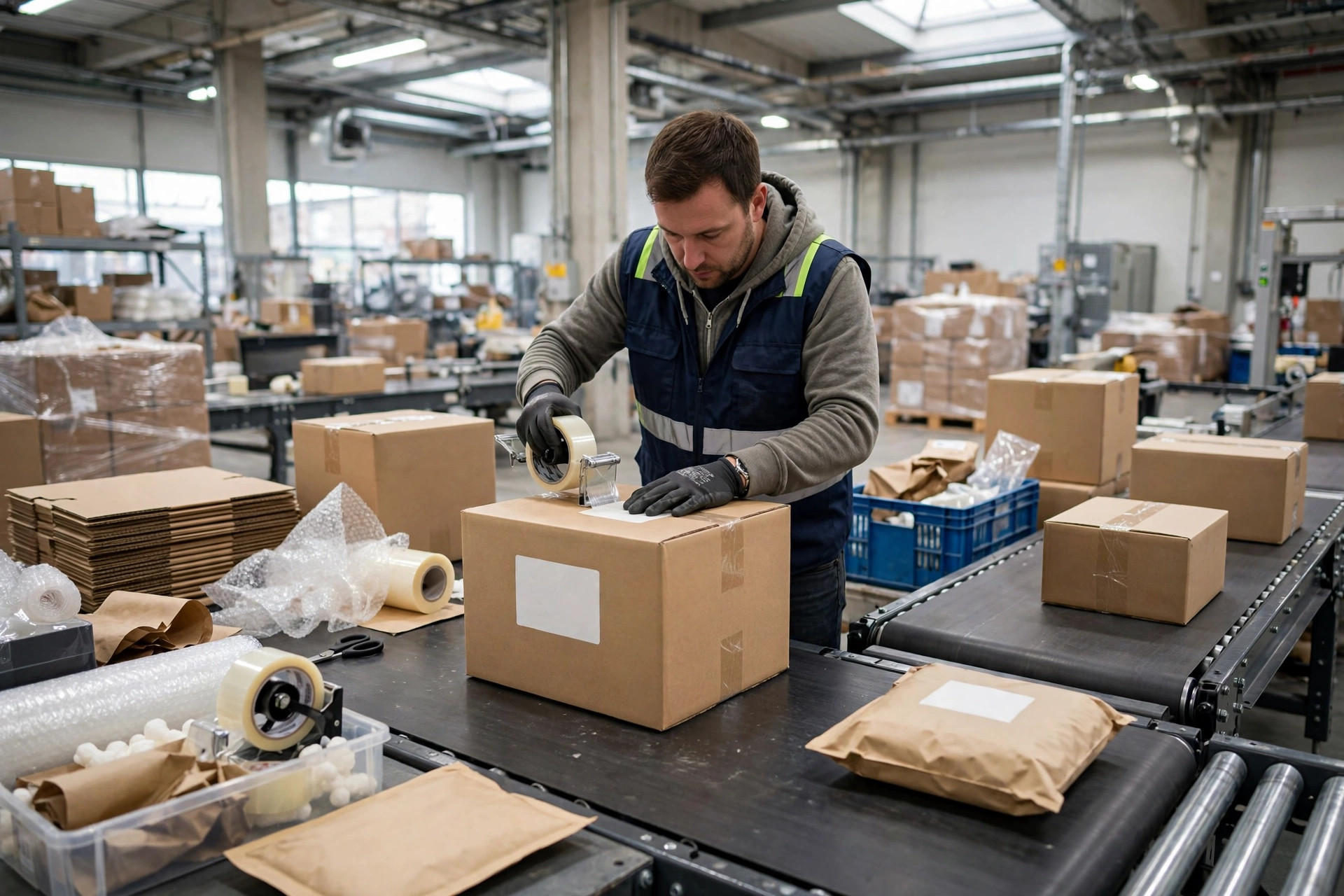
After we built all three lines, we measured it: cutting sync latency from 15 minutes to 2 dropped the cancellation leak rate by an order of magnitude. The tech investment was modest. The hard part was getting the brand and the 3PL to sit down and write down who owns which door.
The Counterintuitive Part: Cancelled Order Interception Isn't About Speed
Here's a trade-off outsiders rarely mention. The more aggressive your interception, the higher your false-positive rate — healthy orders get held, shipments go late, buyers complain, support tickets climb. One false hold (late-delivery credit, a lost order, a bad review) can cost more than one leaked cancellation.
Another client of ours, a local LA beauty brand, learned this the hard way. After one bad incident they demanded "hold every order 2 hours before releasing picks." Their same-day promise broke, marketplace defect rates crept up, and they quietly rolled it back to "hold only high-cancellation SKUs." Lesson: tier your interception rules. Never one-size-fits-all.
My recommendation: track two metrics — interception rate (caught ÷ total cancellations) and false-hold rate (healthy orders held ÷ total orders). Above 95% interception with false holds in the low tenths of a percent is healthy. Chasing 99% interception at the cost of doubling your false holds is a bad trade. From the 3PL side, I'll be blunt: we'd rather leak one order and eat the freight than false-hold ten and eat your SLA penalties. Do the math that way.
Three Questions for Your Next Contract Negotiation
It all comes down to the contract. Signing or renewing a 3PL agreement? Get these three answered about cancellations, and get them in an appendix:
One: "How many minutes from OMS cancellation to WMS — put it in the SLA, and who pays when you miss it?" Don't accept "real-time sync" verbally. Write the number of minutes. Write the remedy. Every extra 5 minutes of latency is another step up in leak rate.
Two: "For intercepted cancellations, do you still charge the pick fee? How is the cancelled-order handling fee priced?" This is the question 3PLs least want you to ask. Half-picked orders, fully-picked orders, orders already at the pack bench — price each state separately, in writing. Some warehouses price the handling fee above freight. If you don't ask, you've agreed by default.
Three: "For orders that already shipped, who eats the intercept fee and the return freight?" Default answer: you do. But there's room to negotiate: if the leak happened because the 3PL missed the sync SLA or skipped the interception process, the 3PL should own that cost. Define "3PL-caused leak" clearly, and this one clause saves you years of arguments.
Brands — interception technology is 30% of the job. Contracts and process are the other 70%. You can buy the system. You have to negotiate the SLA. Print these three questions and bring them to the next renewal meeting.
By Susan, 3PL Sales Director