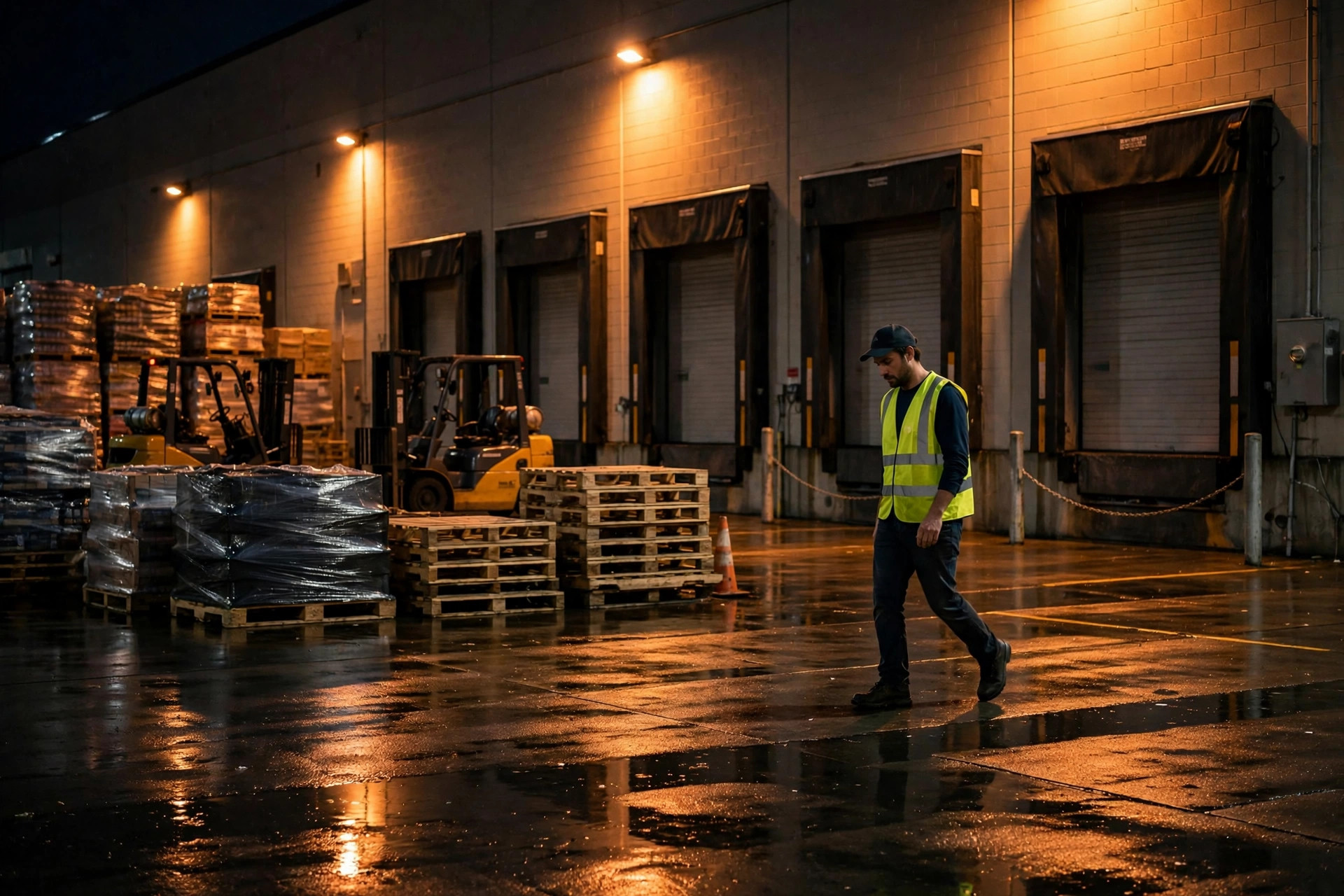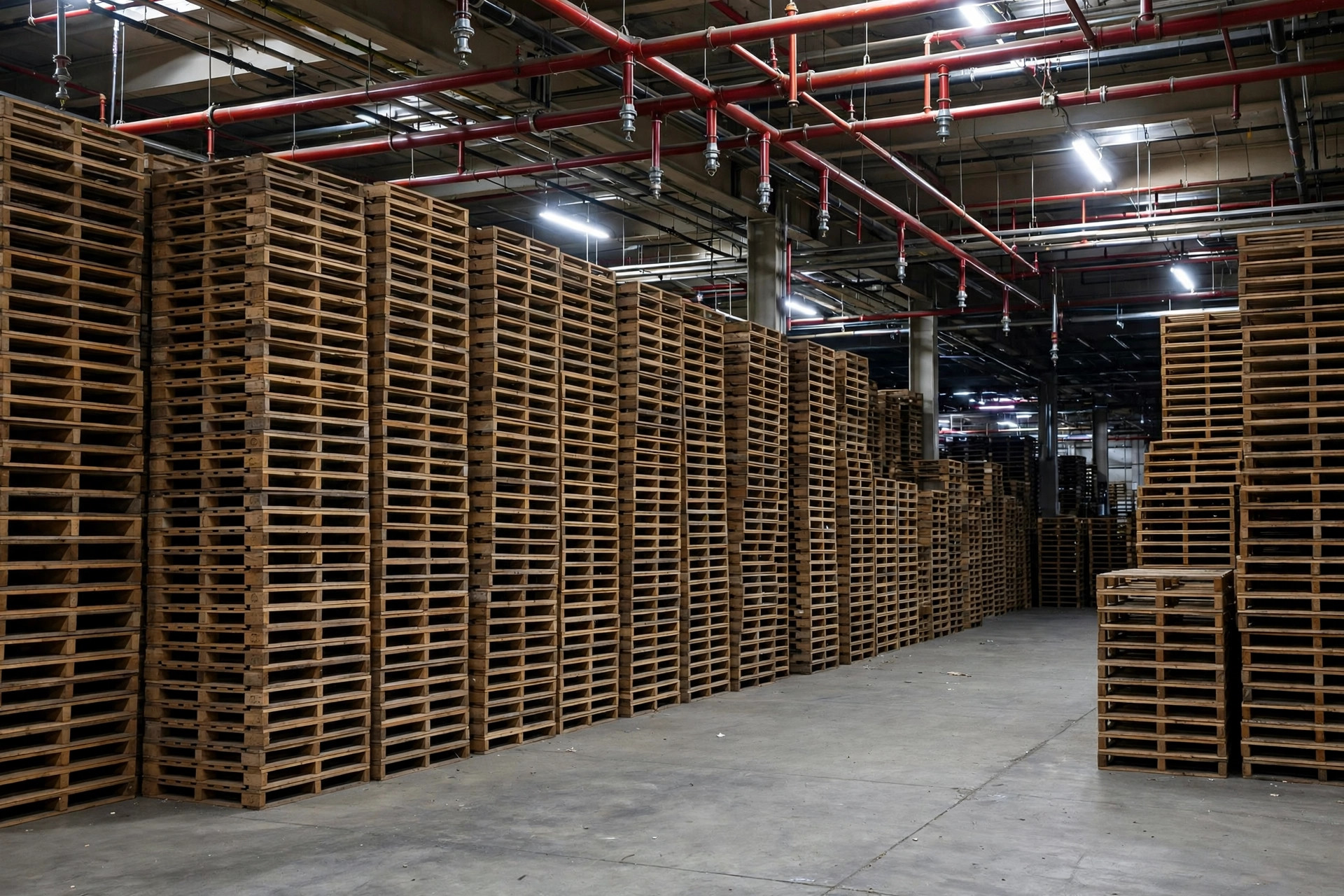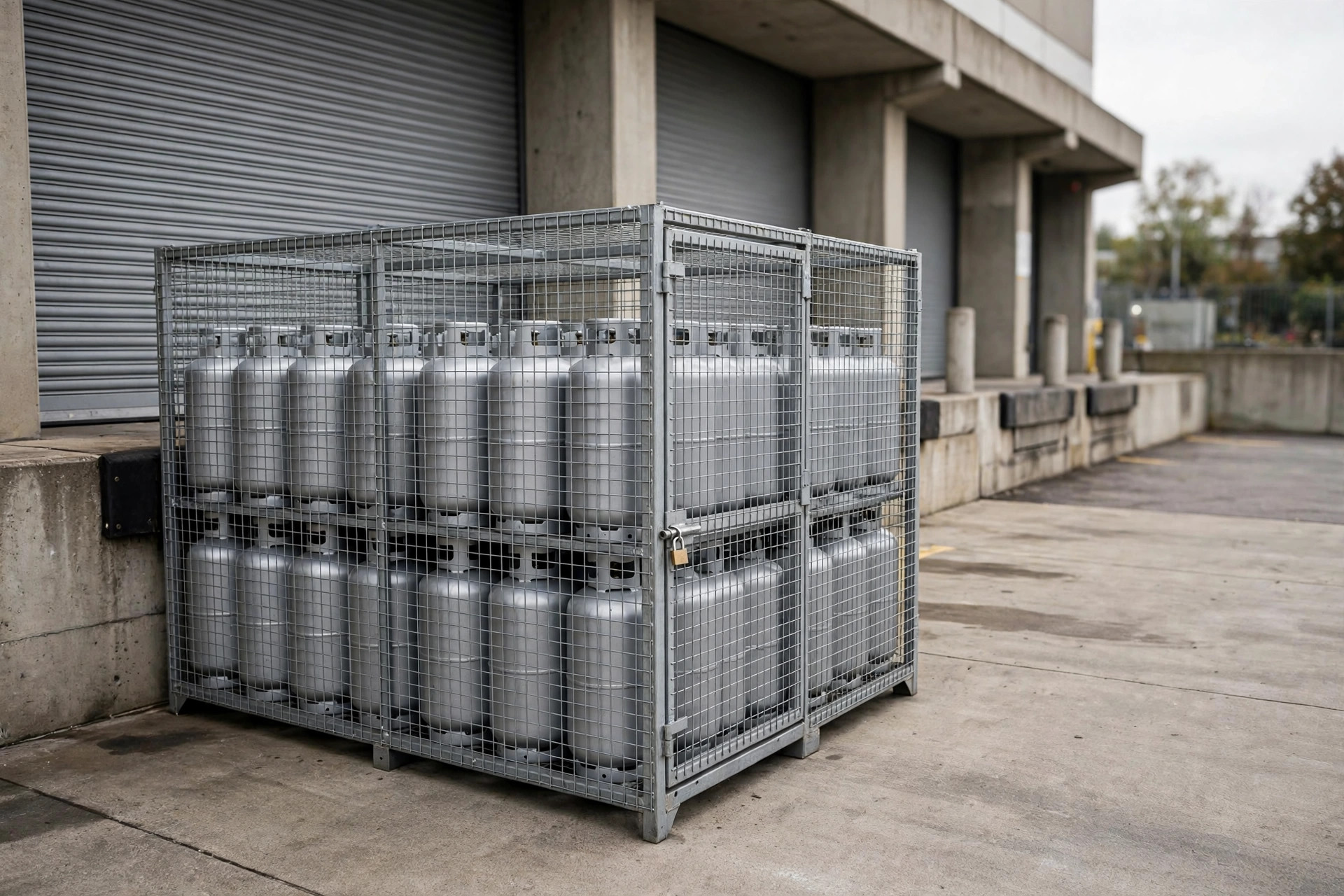
The most dangerous event in my building last year never appeared on our OSHA 300 log. A pallet slipped off a second-level beam in our Ontario, California facility — 120,000 square feet, three shifts — and landed less than two meters from a picker. Wood splintered everywhere. The guy waved it off, said he was fine, and went back to work.
Three months later, in the building next door, nearly the same thing happened in nearly the same spot. Except that time a falling carton caught a forklift driver in the leg and put him in the hospital for three weeks. Medical bills, lost time, and an OSHA citation followed. In the review meeting afterward I asked one question: if we had logged the first incident and investigated it, would the second one have happened? Nobody answered.
That unwritten log is what this article is about. A near-miss reporting system. Nobody got hurt — log it anyway.
OSHA Doesn't Require This Log. That's Exactly Why It Matters
Let's get the regulatory picture straight. OSHA's recordkeeping rule, 29 CFR 1904, only requires you to log injuries and illnesses that actually happened — Forms 300, 300A, and 301. Near misses are not on the mandatory list. And the hard reporting deadlines in 29 CFR 1904.39 — fatalities within 8 hours, hospitalizations, amputations, and eye losses within 24 hours — only kick in when someone is actually harmed.
So why bother? Because an OSHA inspector's first job on site is to figure out whether your safety program is real or decorative. A near-miss log that is continuously updated, reviewed quarterly, and tied to actual fixes is the single strongest piece of evidence that you actively manage safety. It won't make a citation disappear, but it shapes the inspector's judgment of your entire safety culture — and the difference between a "serious" and a "willful" classification is the difference between a fine measured in thousands and one measured in six figures.
The log nobody is required to keep is the log that proves you mean it.
Why Workers Won't Report, and the Only Fix That Works
After twenty years in warehouses, I can tell you exactly why near misses go unreported. Workers fear blame — reporting turns into "whose fault was this." They fear hassle — a three-page form in the middle of a shift. And most of all, they fear retaliation: report today, get the worst assignments tomorrow.
The fix has three parts, and all three are non-negotiable. First, reporting must be separated from discipline, completely and publicly. Filing a report can never be used against the person who filed it. Put it in the handbook, say it in the all-hands meeting. OSHA backs this up: Section 11(c) prohibits retaliation against workers exercising safety rights, and workers have 30 days to file a retaliation complaint with OSHA. Say that number out loud in the meeting. It changes the room.
Second, reporting has to take thirty seconds. A QR code on the wall, two sentences, one photo. Anything heavier and your reporting volume rounds to zero. I once saw a facility with a three-page paper form collect four reports in a year — two of them filled out by the safety manager himself.
An anonymous channel is worth building separately. Some workers aren't avoiding hassle — they're avoiding being known as the person who reported. A physical drop box, or an anonymous QR code that doesn't require a name, will catch things the named channel never sees. A warehouse I know collected eleven anonymous reports in the first month; one flagged poor ventilation in the forklift charging area. Left unreported for another six months, that one becomes a fire.
Third, every report gets a response within 48 hours. "Received, here's what we're doing about it." A worker whose first three reports vanish into silence will never file a fourth.
Five Fields and a Quarterly Habit
The log itself is simple. Five fields: when, where, what happened, what almost happened, and a preliminary guess at the cause. The reporter fills in the first four; the safety lead adds the fifth during follow-up.
Example: "Oct 3, 2:20 PM, Aisle B-7, forklift nearly clipped a picker on a turn. Preliminary cause: no convex mirror at the intersection, driver's view blocked by racking."
Two things matter here. The "what almost happened" field is mandatory — it's what separates a near-miss log from a routine inspection checklist. And the cause stays preliminary. No conclusions, no blame assignment on day one. That comes later, in the review.

The review is where the value compounds. Once a quarter, thirty minutes, one habit: sort the quarter's events by cause — equipment, process, behavior, environment. You'll find that roughly 80 percent of your near misses cluster in one or two categories. That cluster is your real hazard, wearing a name tag.
The industry has quoted Heinrich's pyramid for decades — one serious injury for every 29 minor injuries and 300 near misses. Argue about the exact ratio all you want; the logic holds. Near misses are serious accidents sending you a free preview.
One quarter, our review surfaced the blind intersection in Aisle B-7. We installed convex mirrors and speed bumps for under $2,000. A single forklift-pedestrian accident would have cost dozens of times that in direct and indirect costs. That is the entire economics of near-miss reporting: pennies of prevention against the invoice you never want to receive.
Here's another real use. An apparel warehouse logged seventeen "carton falling from height" near misses across two quarters, clustered in three aisles. The review traced it to aging beam clips that loosened every time a forklift rumbled past. Replacing the clips cost a little over $3,000. The following quarter: zero. Without the log, those seventeen drops were seventeen strokes of luck.
So here's my question for you: when was the last time someone in your building reported something that almost happened? If you can't remember, you already have your answer — and your starting point. Start there. The log costs nothing, and the first entry is always the hardest one to write.