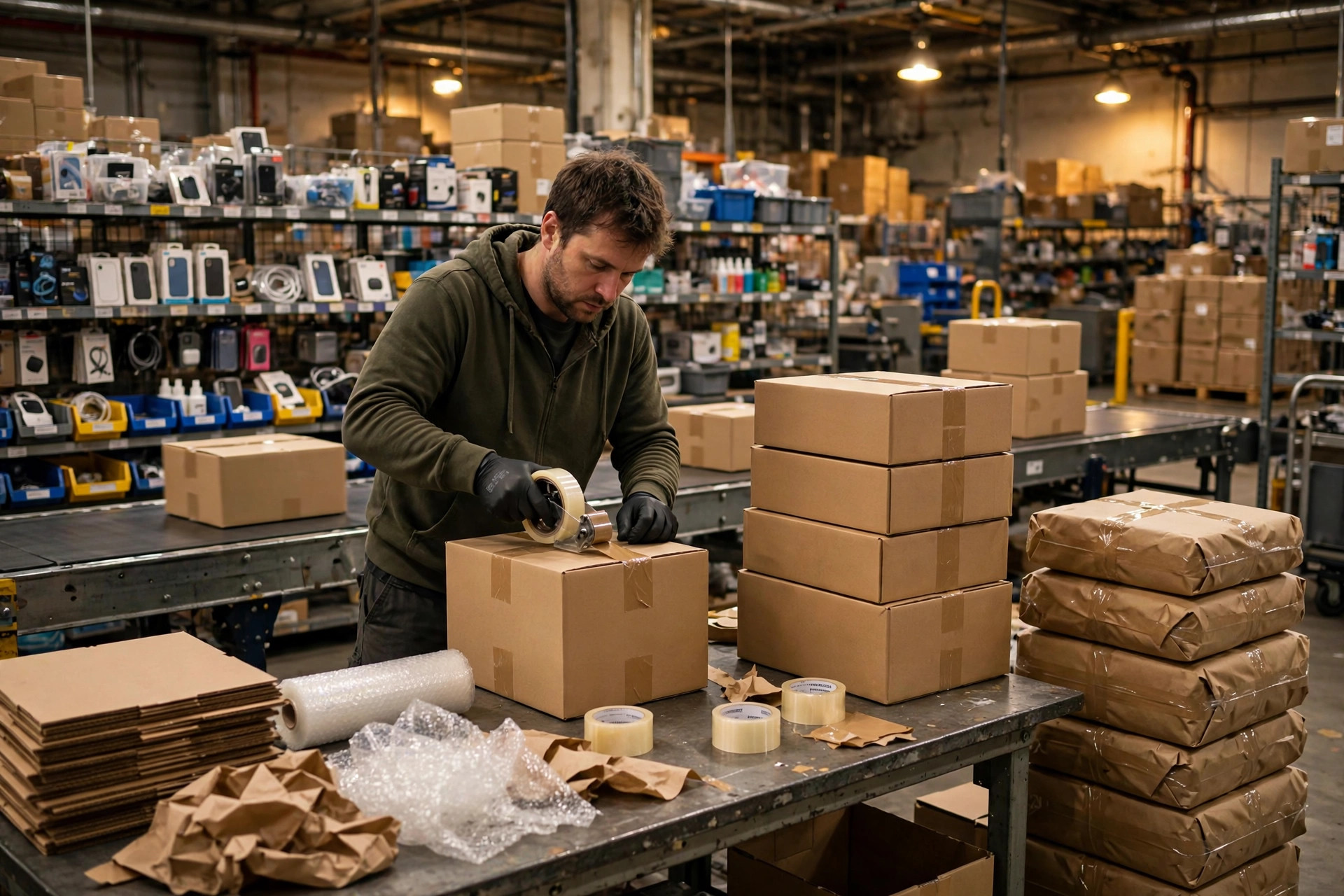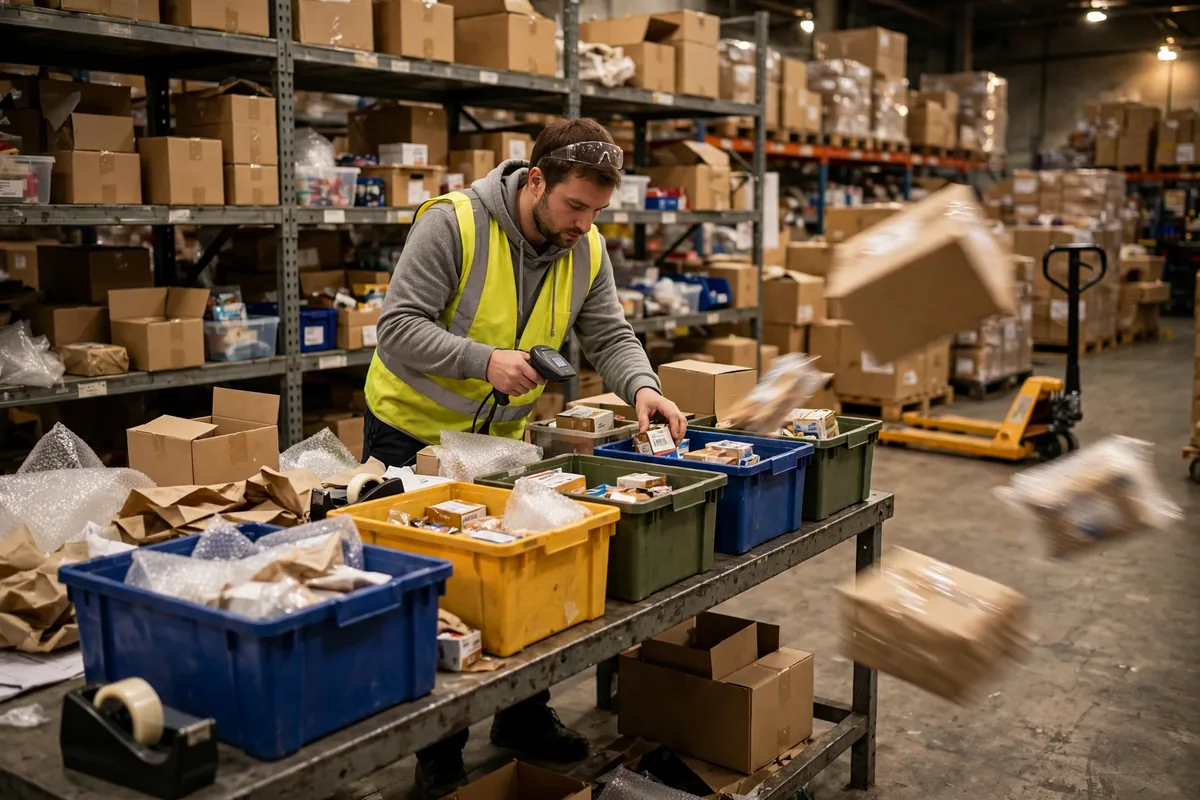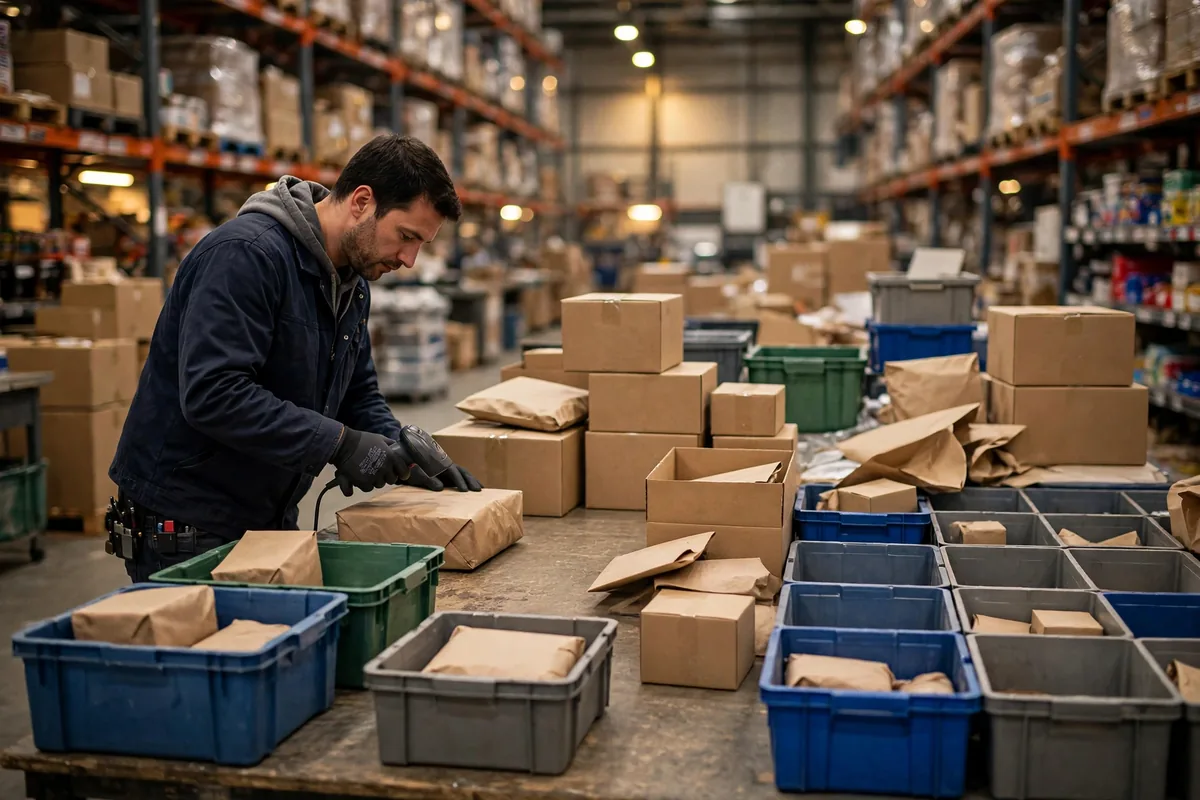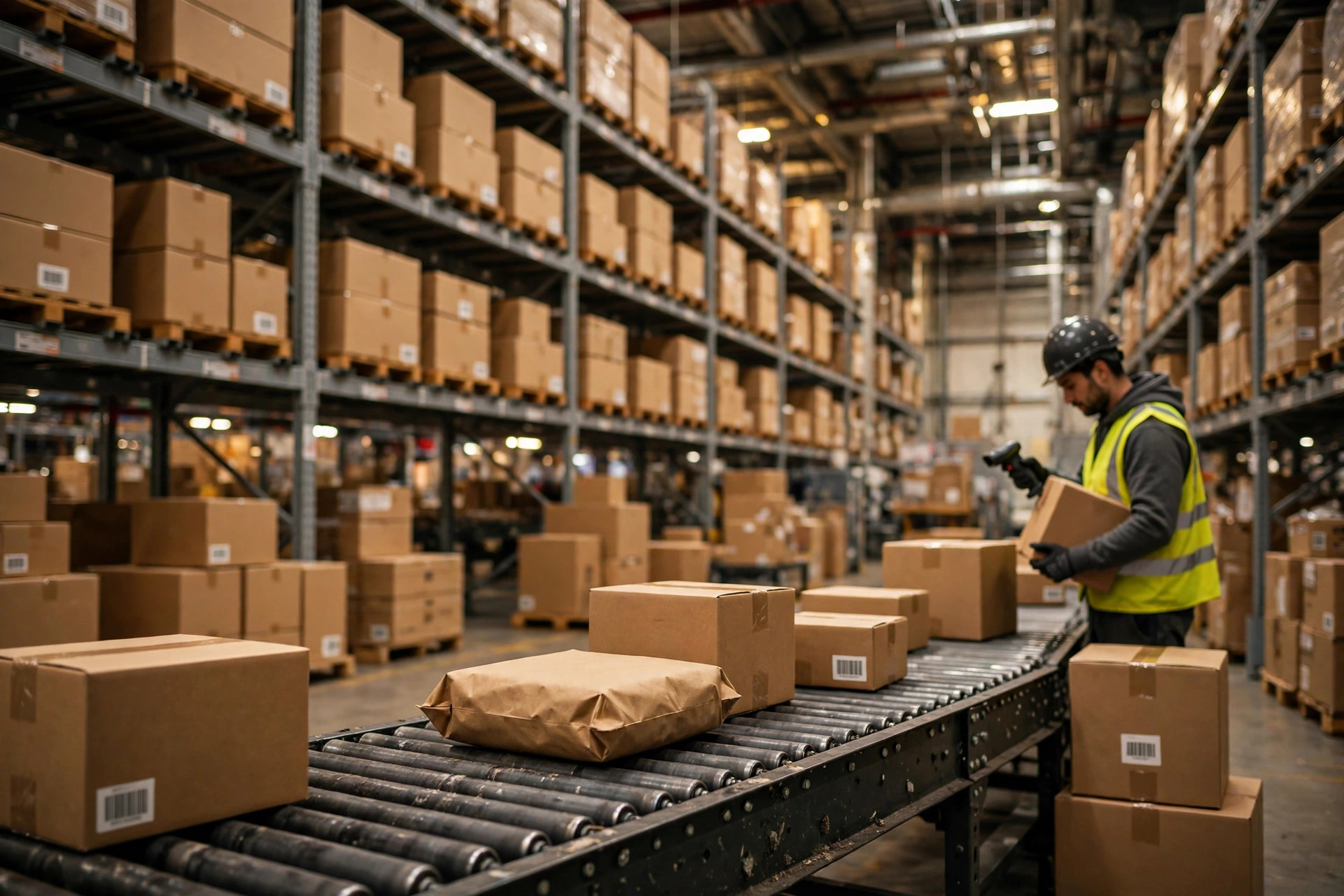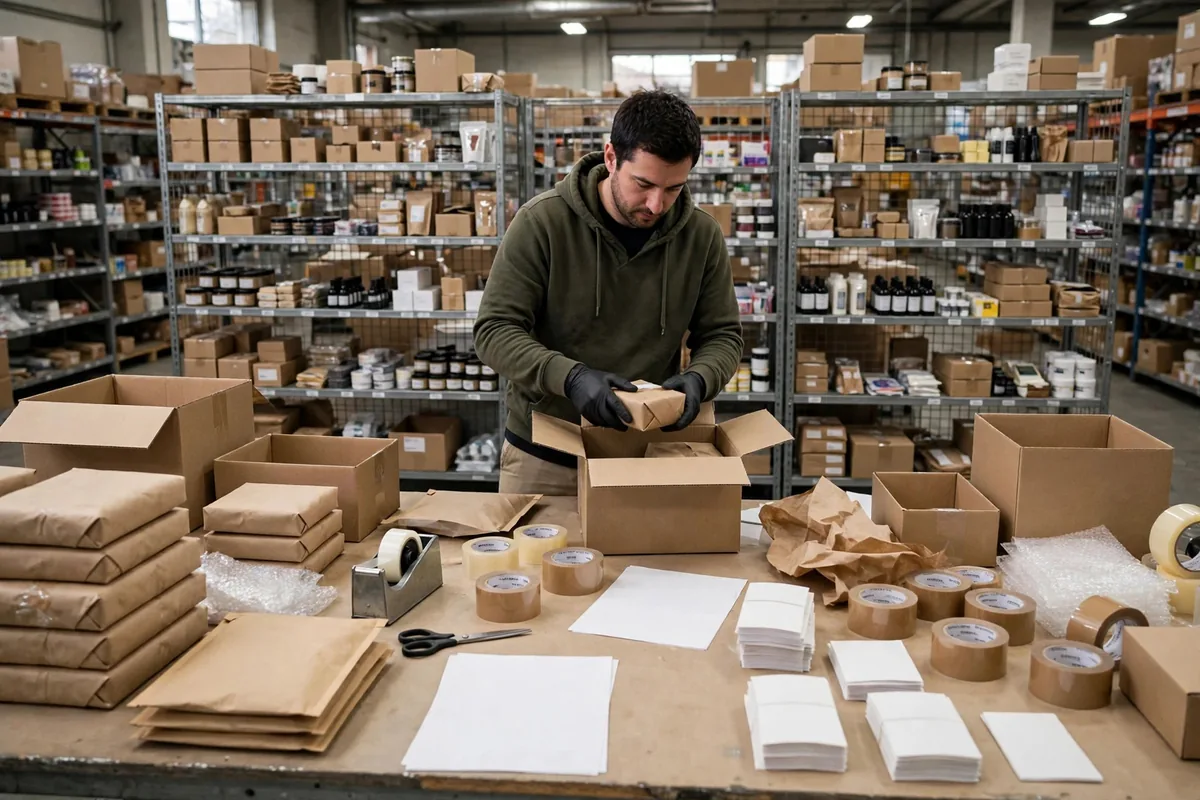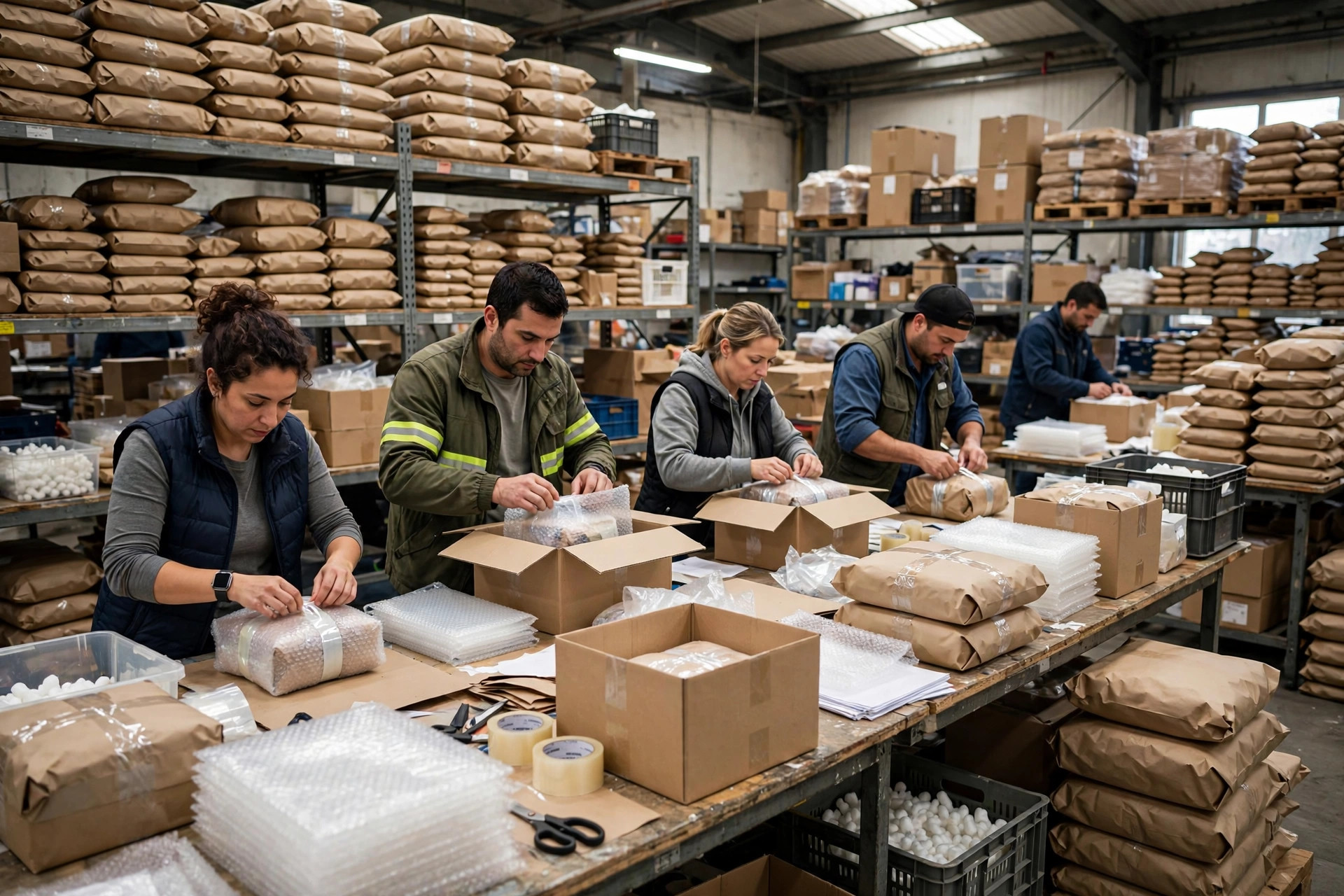
Here is the ugly truth: a lot of multichannel sellers are not losing money to rising shipping rates. They are losing it by shipping every order one by one. Multichannel fulfillment order batching is just the discipline of grouping the orders that can travel together, then sending them as a wave instead of a drip.
I paid for this lesson myself. Around Black Friday in November 2024, my own store and my TikTok shop blew up at the same time, more than 300 orders a day. To keep things simple, I pushed every order to MCF the moment it arrived, one at a time. When I reconciled at month end, shipping costs were up nearly 40 percent on the previous month. Worse, several buyers in the same city, buying almost the same items, got three separate parcels across three days. Nobody complained, but staring at that bill hurt.
Multichannel Fulfillment Order Batching Rules First, Feelings Never
Batching is not throwing every order into one pile. Batch the wrong orders and you wreck delivery promises, drive up returns, and hand back every dollar you saved. I run three hard rules now, written into the team's operations sheet, and nobody gets to override them on a feeling.
Rule one: batch by promised speed. Orders promising two-day delivery form their own wave. Orders promising five days can wait a bit. Never drag a rush order into a slow wave just to fill it out. One late rush order, with the support tickets and the bad review that follow, costs more than ten waves of savings.
Rule two: batch by warehouse and weight. Only orders leaving the same warehouse belong in the same wave. Forcing orders from different warehouses together just adds a needless leg. Weight matters too. Small light items batch beautifully. Heavy items batched together can jump into a higher shipping tier and cost more than shipping them apart.
Rule three: two fixed cutoffs a day. Mine are noon and 8 p.m. Orders in before noon join the midday wave, orders in before 8 p.m. join the evening wave, and anything after 8 p.m. waits until tomorrow. Support can give buyers a straight answer on ship timing, and the warehouse gets two focused packing windows instead of chaos all day.
When I reran January 2025 under those rules, at similar volume, average shipping cost per order dropped about 20 percent, packing moved from scattered all day to two concentrated blocks, and mis-shipments fell. Nothing magical happened. I just stopped wasting motion.
Before you build waves, get the MCF basics right. Multichannel fulfillment order batching only works when the underlying fulfillment rules are clear: which orders can be combined, how cutoff times affect dispatch, and how orders from different channels show up in the system. I make new team members read the Amazon multichannel fulfillment guide first, then let them schedule waves. In February 2025, a fellow seller told me he saved on shipping with batching, then shipped a batch of orders that were supposed to include a free gift as plain orders, because nobody had flagged the channel note. Reshipping the gifts cost more than the batching saved. Waves are an efficiency tool, not a magic formula. Get the basics wrong and the more you batch, the more you break.
| Wave type | Batching condition | Good fit | Never mix in |
|---|---|---|---|
| Speed wave | Same delivery promise | Two-day orders together, five-day orders together | Rush and slow orders |
| Region wave | Same city or state | Multiple orders in one city or nearby areas | Far-apart regions forced together |
| Light-item wave | Light and small items only | Accessories and small goods | Heavy items mixed into light waves |
Run the Math to Cost Per Order, Not Total Shipping
Most sellers check one number: total shipping this month versus last month. That is not enough. Total shipping can fall because volume fell, or because you quietly slowed delivery down. The three numbers that matter are cost per order, on-time ship rate, and return rate. If all three improve, batching is genuinely working. If cost per order falls but on-time rate drops, you traded speed for savings, and that bill comes due later.
Here is the template I use. Say you ship 200 orders a day at 8 dollars average shipping. That is 1,600 dollars a day. After batching, average shipping falls to 6.50 dollars, so the day costs 1,300 dollars, saving 300 dollars a day, or about 9,000 dollars a month. Sounds great. But if on-time rate slips from 98 percent to 93 percent, the extra 5 percent of delayed orders, with support time and goodwill gestures, can easily eat 3,000 dollars a month. Net saving: 6,000 dollars. Still a win, just not the win the headline number promised. Run the math this way and the feeling of "we saved so much" stops fooling you.
Here is the counterintuitive part: not every order deserves batching. On a very low-ticket order with one or two dollars of margin, the shipping saved by batching may not cover a single support conversation if something goes wrong. Custom items, one of a kind each, get mis-shipped more easily when forced into a wave. I ship those separately and fast, and I do not chase a 100 percent batching rate. A perfect batching rate looks pretty on a dashboard and can be the most expensive way to run the warehouse.
One more trap: do not change the rules during a peak. Black Friday or Prime Day volume runs three to four times normal, the warehouse is already stretched, and a last-minute change to cutoffs or wave logic guarantees confusion on the floor. Freeze the batching rules two weeks before a peak, execute only during the peak, and tune afterward with real data.
Multichannel Fulfillment Order Batching: Orders I Never Batch, No Exceptions
Gift orders from my own store never batch with regular orders. They need a card and special packing, and stuffing them into a wave creates warehouse headaches, not savings. Business purchase orders that need separate invoices stay apart too, or finance reconciliation turns into a mess. And orders with bad addresses, missing phone numbers, or incomplete details wait until the buyer confirms. Shipping them in a wave and having them bounce back costs more than any batching saving.
Multichannel fulfillment order batching is not a trick. It is a routine: fixed cutoffs, written wave rules, and three numbers checked daily. Stick with it for a month and the bill will tell you the story. This one I tested myself, and it works.
By Ah K, E-commerce Seller (5 yrs)