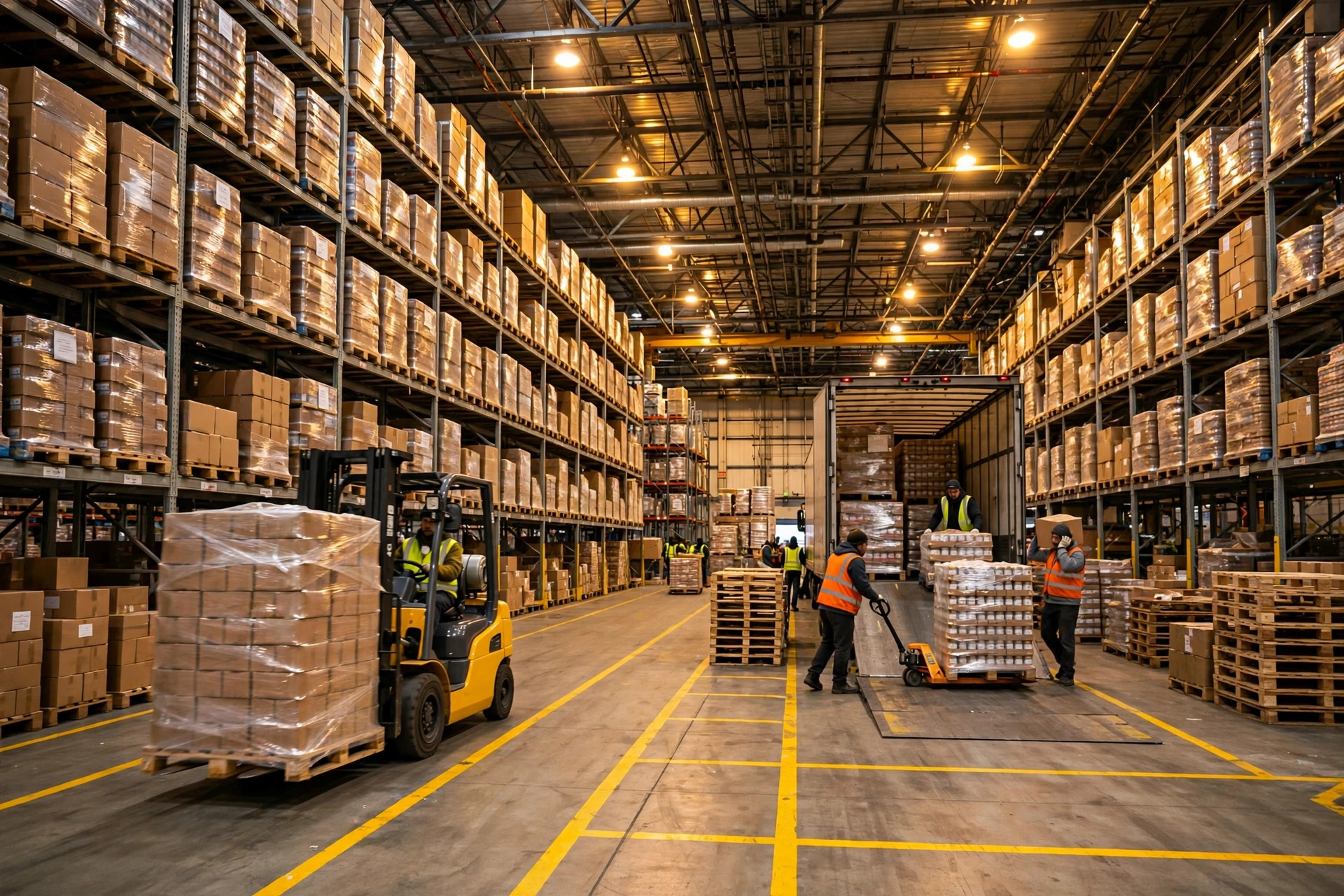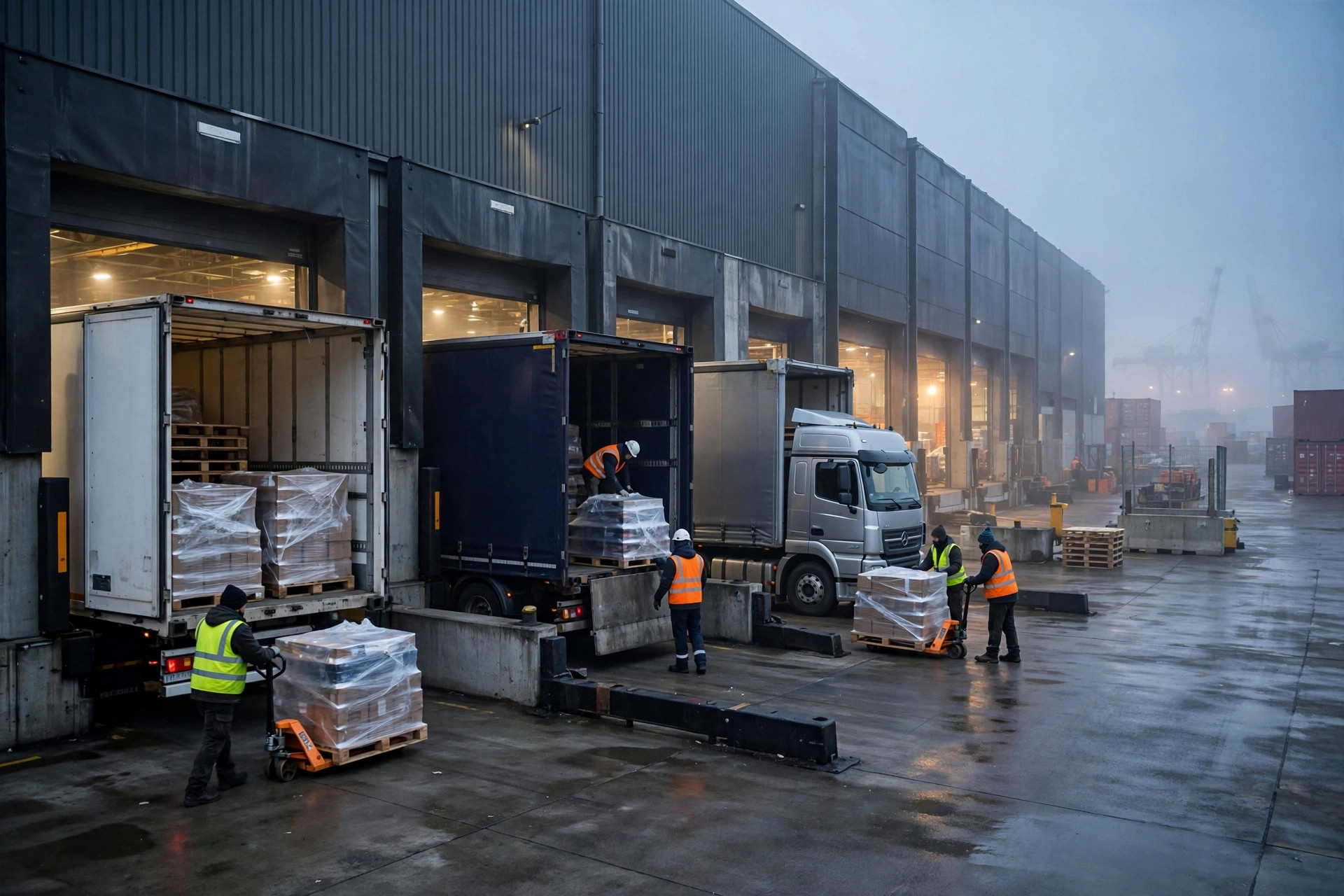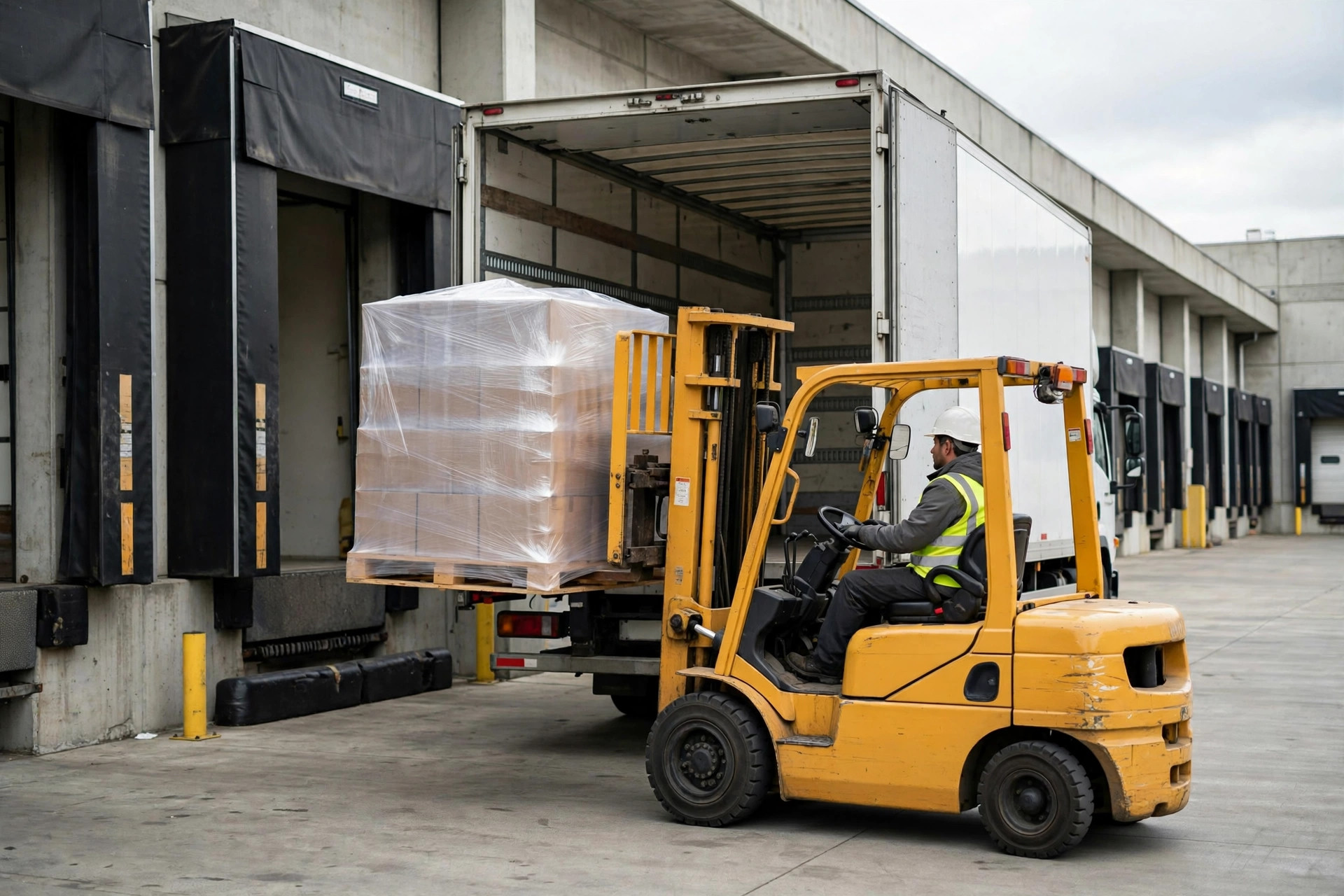
Last November, night shift, 1:40 a.m. The picking zone in Warehouse A was jammed, the hot SKU had stocked out, and the system showed 800 units sitting idle over in Warehouse B. I stood on the dock, cold wind in my face, and my head cleared all at once: move it, or not?
Let me be straight with you: moving stock between warehouses sounds like a logistics problem, but it's really a math problem. Get the math wrong and the transfer is wasted effort.
Ask yourself three questions first
Question one: when do you move stock? Watch the trigger line, not your gut. The trigger line is daily sales multiplied by transfer transit days, plus a 2-day buffer. When inventory drops below that line, act. Don't wait for the stockout. Moving stock after the stockout isn't a transfer, it's an emergency pill — and it might not even work.
Question two: how much? Enough to last until the next replenishment, no more. Transfer quantity equals daily sales times transit days times 1.2 — that extra twenty percent is for volatility. Don't drain the sending warehouse dry; Warehouse B can blow up too, and all you've done is move the problem from your left hand to your right.
Question three: which mode? Full truckload, LTL, or parcel — let the volume decide. More than half a truck, go full truckload; it's the cheapest. A few pallets, LTL. A few cartons for an emergency, parcel — most expensive, but fastest. One rule for peak season: take any LTL transit-time promise and shave thirty percent off it. Nobody guarantees transit times during peak.
One more thing most people miss: they plan the transfer but nobody owns booking the truck. We learned this the hard way in March 2024. The transfer plan was locked at noon, but the earliest truck we could book was 4 p.m. the next day — a full day lost, with the freight baking on Warehouse B's dock. Since then we have an iron rule: before the plan counts as locked, confirm with the fleet that trucks are available. The plan must include the plate number and the agreed loading time. No truck, no plan. Folks, transfer lead time starts when you decide to move, not when the truck rolls.
This math has three ledgers
There are three ledgers to a transfer decision — transfer cost, stockout loss, and temporary warehouse rental — and they only mean something side by side.
| Transfer cost | Stockout loss | Temporary rental | |
|---|---|---|---|
| Where the money goes | Freight plus loading labor on both ends, plus the cash tied up in transit | A day of lost margin, plus the platform downranking your listing when you stock out | Monthly rent plus the move-in labor, plus the headache of cutting the system over |
| The real trap | Fixating on the freight rate while forgetting transit time is money too | Once traffic drops, the stock arriving late won't sell either | Easy to sign, hard to exit — the lease locks you in for months |
My rule of thumb: one day of lost margin from a stockout usually covers several truckloads of transfer freight with change to spare. So the whole math comes down to one line — don't save pennies on freight and lose dollars on sales. Temporary rental is the last resort: unless you're sure that warehouse will be short on space for the next six months, that rent money is probably going down the drain.
There's also a hidden ledger most people skip: transfers eat your own forklifts and labor. During peak, your forklift drivers are already run off their feet, and transfer loading pulls two more bodies away — that cost belongs in the transfer math. Our rule now: any transfer over 20 pallets gets temp labor for loading, paid out of the transfer budget, never borrowed from outbound headcount.
This is how our warehouse does it now
Every morning at 9, each warehouse posts its 7-day stockout-watch SKUs to the group chat. Warehouses with surplus reply with transferable quantities by 11. By noon the plan is locked: how much, which mode, which arrival day. The transfer order goes through the system, we photograph the loaded truck, and the plate number goes into the chat. The receiving warehouse must put the stock away within 2 hours of arrival, or the supervisor answers for it. Simple as that — the key is doing it every single day without fail. A process doesn't have to be fancy; it has to be consistent.
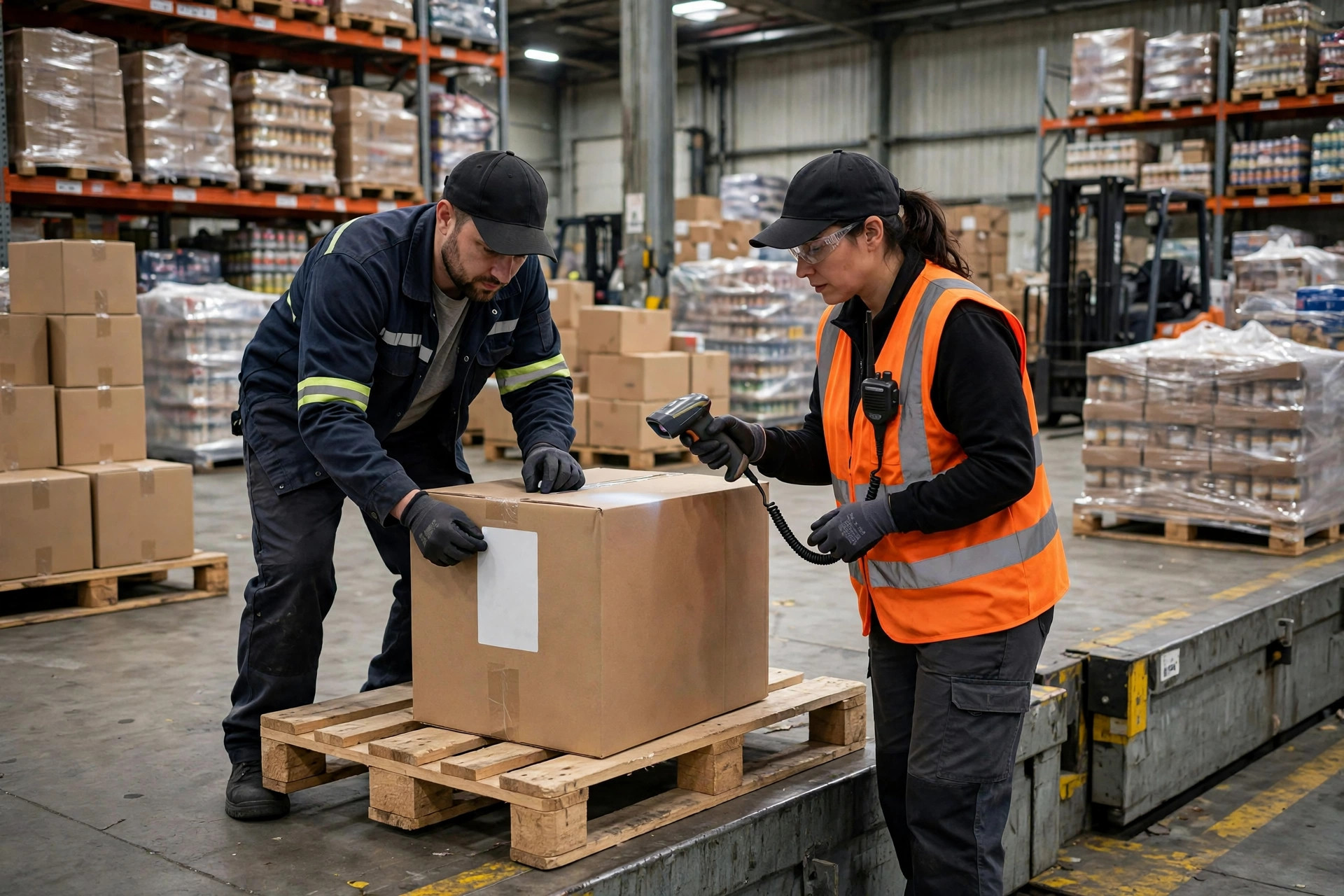
Loading has its own discipline, and the photos aren't for show: plate number, seal number, pallet count — all three, no exceptions. Receiving is even more direct: count wrong, say it in the group chat on the spot, don't wait until putaway to argue about it. We have a team lead nicknamed "the pallet counter" — every transfer truck through his hands has matched to the pallet. Let me be straight with you: seventy percent of transfer problems don't happen on the road; they happen because the handoff at either end wasn't clear.
Now the people side. Transfers get busiest at night — day shift locks the plan, night shift loads the trucks. Our night-shift lead Lao Li has been at it for 8 years, and he has a habit: before any transfer truck leaves, he climbs up and eyeballs whether the pallets sit straight. Last year a load was stacked crooked, and he made the forklift unload and restack the whole thing — 40 extra minutes, but not a single pallet tipped on the road. Let me be straight with you: no matter how sharp your math is, it all comes down to hands in the end. No machine straightens pallets for you.
Two stories from the floor, one bad and one good. The bad one: before Black Friday 2023, we transferred stock from Warehouse B to Warehouse A via LTL, and the freight sat at a hub for 2 days. By the time it arrived, the hot SKU had been stocked out for 4 days, platform traffic had tanked, and the transferred stock took half a month to clear. After that I made a rule: in the 10 days before any big promotion, transfers go full truckload or parcel only — LTL is suspended. The good one: in October 2024, Warehouse C launched with new products, and we moved thirty percent of Warehouse A's stock over two weeks early by full truckload. Warehouse C had product on day one, and first-week sales landed in the top three. Our driver Lao Wang told me that day: in all his years on the road, it was the first time he'd seen a new warehouse open without a stockout.
The counter-intuitive part: a late transfer is worse than no transfer
Freight in transit for 3 days arrives to find the stockout over and the traffic gone — now it's fresh inventory pressure sitting on your racks. Transferring is a race against time, not against freight rates. A late transfer is paying money to make your own problems worse. When should you decisively cancel a transfer? Do this math: on the day the freight arrives, how many stockout days are left? If the answer is "none" or "the traffic already dropped," don't send that truck. Save the freight money and buy the crew a good meal instead.
Before any transfer order goes out, ask yourself: when this truck arrives, will we still be short? Will it still sell? Only send the truck if both answers are yes.
So here's my reminder to everyone in the business: move stock early and move a little extra, rather than firefighting after the stockout. Tomorrow at 9 a.m., check your warehouses' stockout-watch lists first — don't wait until 1:40 a.m. on a cold dock to start doing this math.
By Chen Feng, Warehouse Operations Manager