Here's my verdict up front: the Maputo warehouse corridor is one of the most interesting warehousing plays in southern Africa for the next five years — but only for people who can do three sets of math correctly. To be blunt: the opportunity here is real, the pitfalls are real, and the pitfalls cost more than the opportunity pays.
"Maputo warehouse corridor" translated into plain English means one thing: how does cargo from South Africa's industrial heartland get to the sea? And Maputo is the closest seaport to that heart.
The Maputo warehouse corridor, part 1: the port behind the 32-million-tonne record
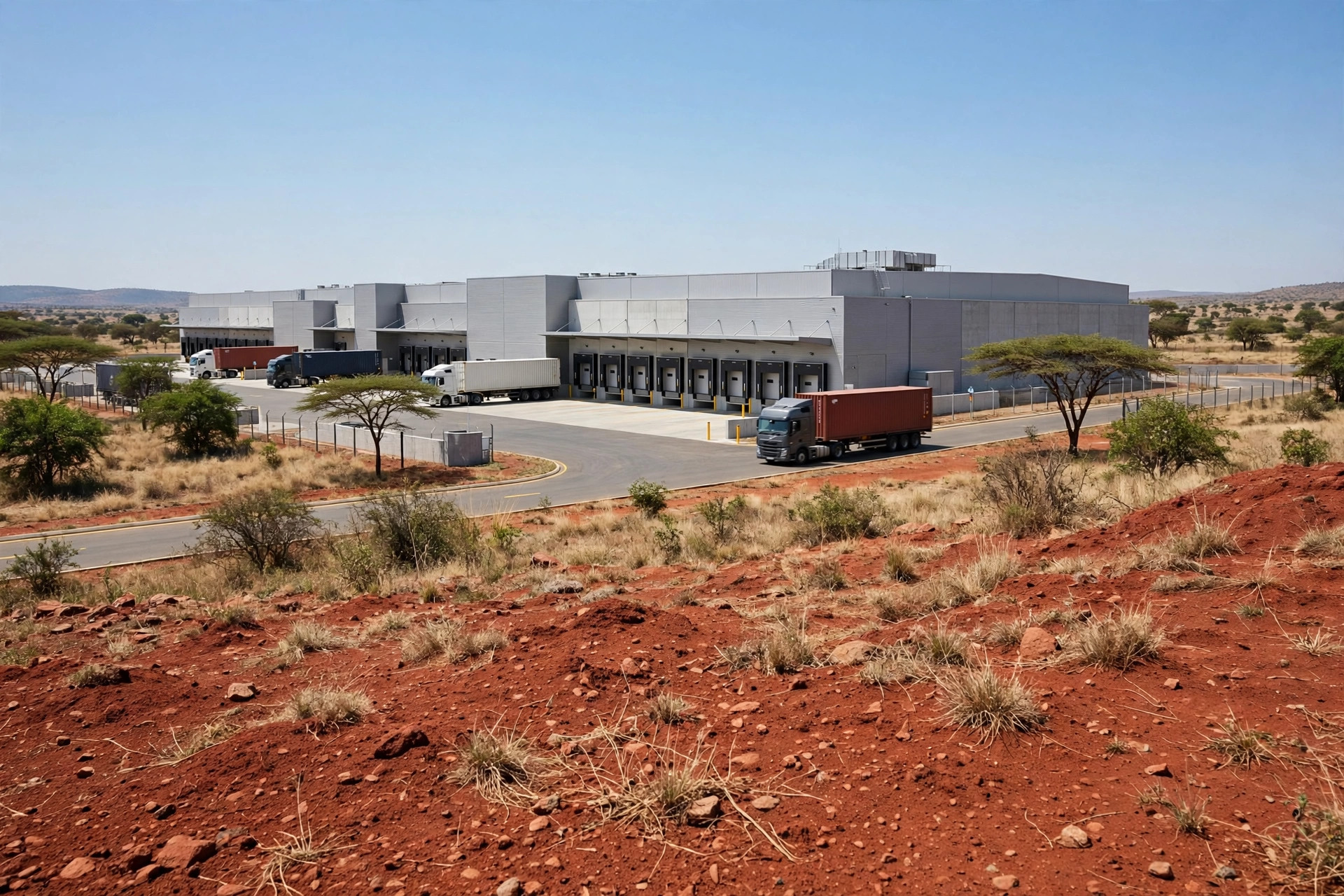
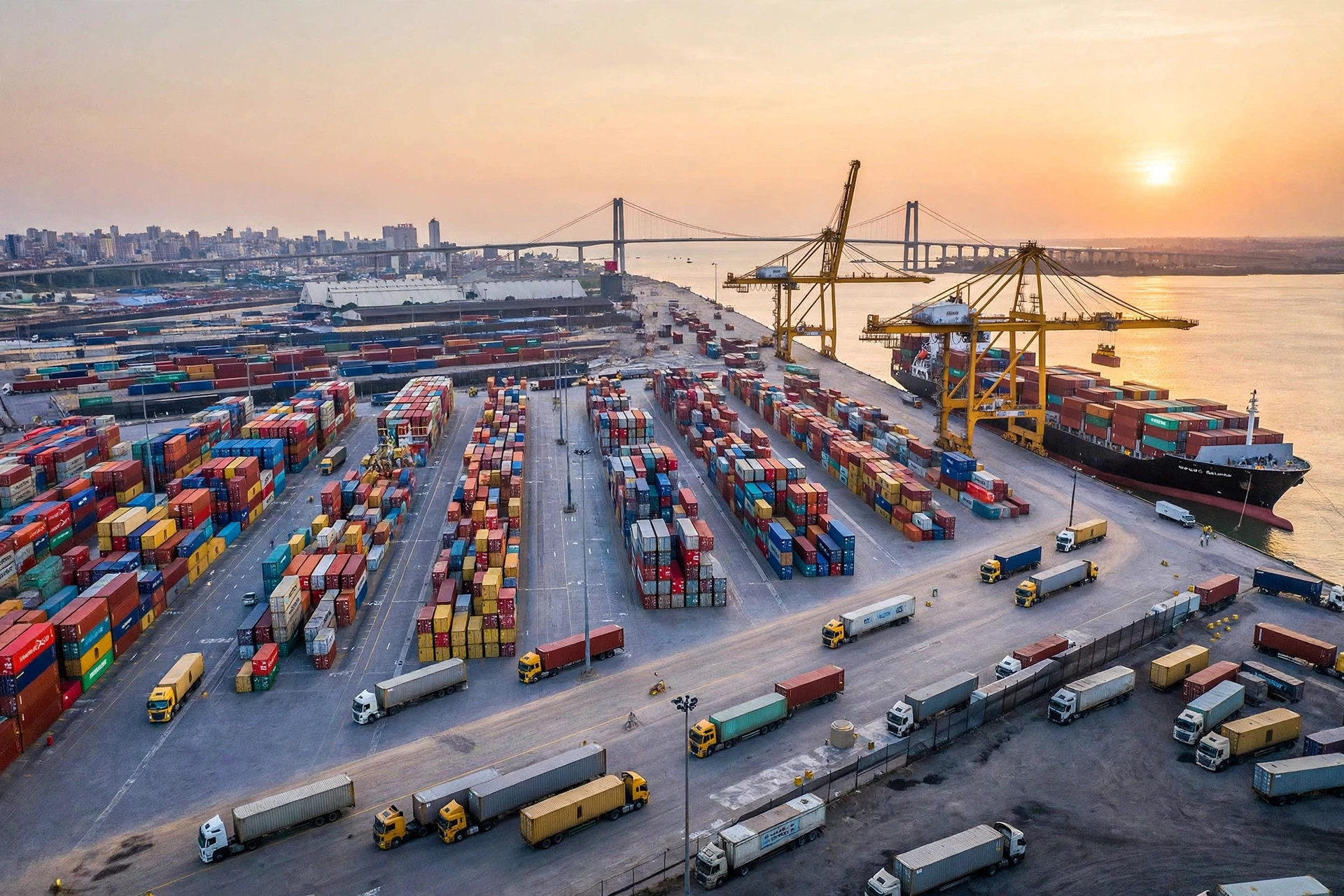
First the numbers, each with a source. In 2025 the Port of Maputo handled 32 million tonnes — an all-time record, up 3.4% from 30.9 million tonnes in 2024, and up 52% from 2019. Rail-borne cargo reached 11.7 million tonnes, up 17% year on year — the road-to-rail shift is the corridor strategy made visible. In May 2025 DP World broke ground on a $165 million container terminal expansion: capacity doubling from 255,000 to 530,000 TEU, quay extended from 308 to 650 meters, completion expected in the first quarter of 2027. The port concession has been extended to 2058.
Two sides to this. The good: capital is voting with real money on Maputo as a regional hub — with Durban congested, diverted cargo (chrome, iron ore, coal, agricultural products) is looking for a new way out, and a concession running to 2058 tells everyone this runway lasts thirty years.
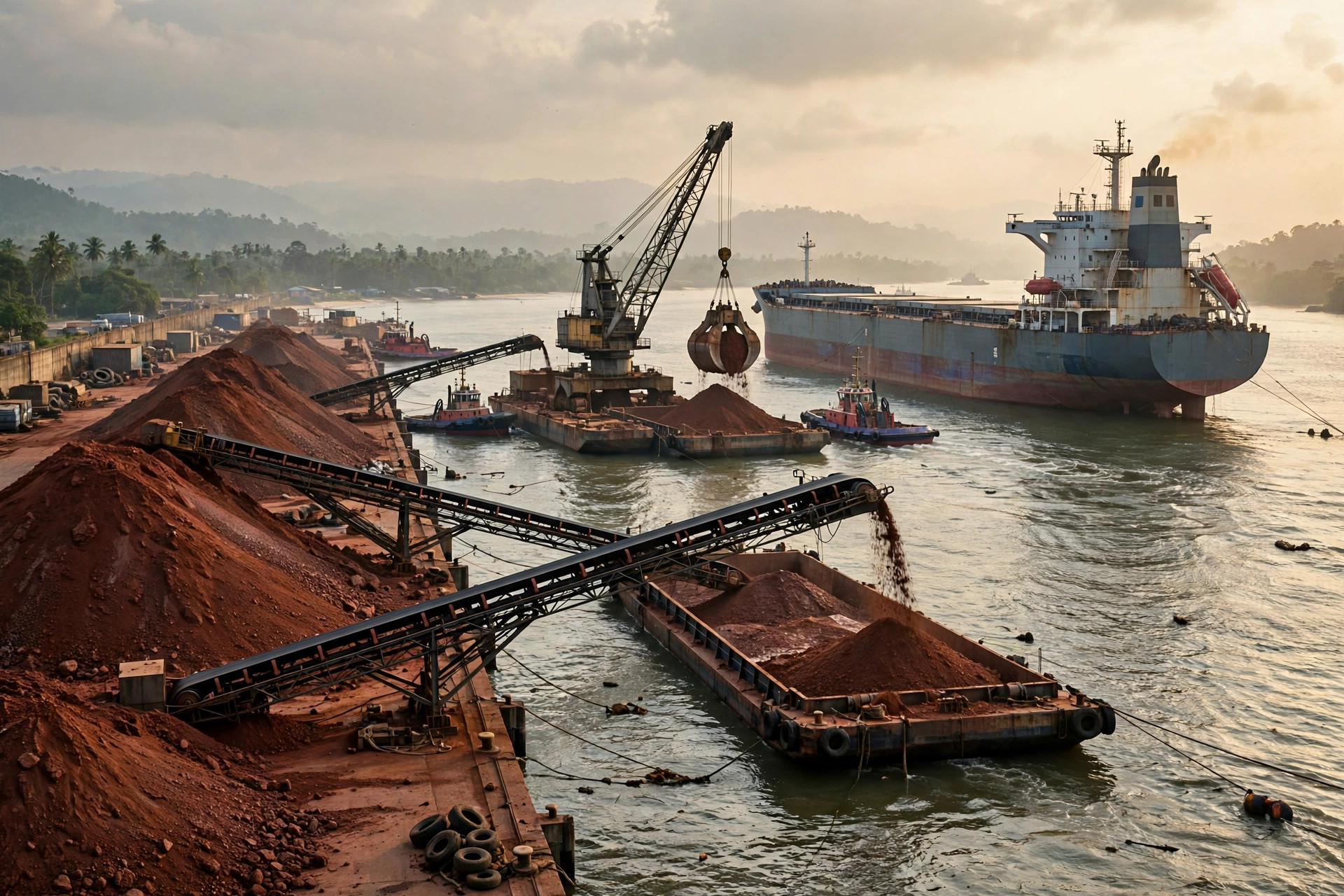
The side most people miss: Maputo's bread and butter is bulk (the Matola terminals handle the bulk side), and containers are the gap being filled. That decides what kind of warehouse you build — a bulk consolidation play at the port and a container distribution play are two different businesses, with different sites, different buildings, different equipment. Leasing a bulk yard next to the port with a distribution-center mindset is bringing a kitchen knife to chop firewood.
There's also a resilience story worth savoring. After Mozambique's post-election unrest in late 2024 disrupted port operations and saw N4 toll plazas in Mozambique vandalized and toll collection suspended for weeks, the port still hit 32 million tonnes in 2025. The resilience is real — it says hinterland demand is hard. The risk is real too — when unrest comes, the land corridor breaks first. See both sides.
The Maputo warehouse corridor, part 2: the trade-off on a 570-kilometer toll road
The corridor's core asset is the N4 toll road: 570 kilometers from Pretoria (Tshwane) straight to the Port of Maputo, held by TRAC under a 30-year concession signed in 1997 — which expires in 2028, with renewal prospects currently uncertain.
Two sides again. The good: this is the shortest route from the Gauteng industrial heartland to the Indian Ocean, and there is no substitute for geography. The highway compresses transit time, which is what makes the transport cost competitive enough for Gauteng's miners and manufacturers to send cargo east instead of south to Durban.
The bad: this lifeline sits in the hands of a concessionaire and of politics. In late 2024, toll plazas on the Mozambican section were smashed and trucks queued for miles. I've seen too many people model freight cost on "full highway, zero disruption" and leave the risk column blank — the prettier the spreadsheet, the harder reality hits.
The variable is rail. Rail-borne port cargo at 11.7 million tonnes, up 17%: over the medium term, rail is this corridor's ballast — bigger capacity, immune to toll-plaza politics. But rail capacity climbs slowly, and for the next two to three years road remains the workhorse. So the N4 concession negotiation is the variable hanging over every Maputo warehousing player: renewed, the corridor gets thirty more years; failed, and every land-transport cost and lead time gets recalculated.
Siting a warehouse in Maputo: three options, one logic
Pick the business first, then the site. Three options, each with its trade:
| Site | Fits which business | Core advantage | Biggest risk |
|---|---|---|---|
| Portside (Maputo/Matola port area) | Bulk consolidation, transshipment | Next to the berth, fast handling | High port-area land costs, truck queues |
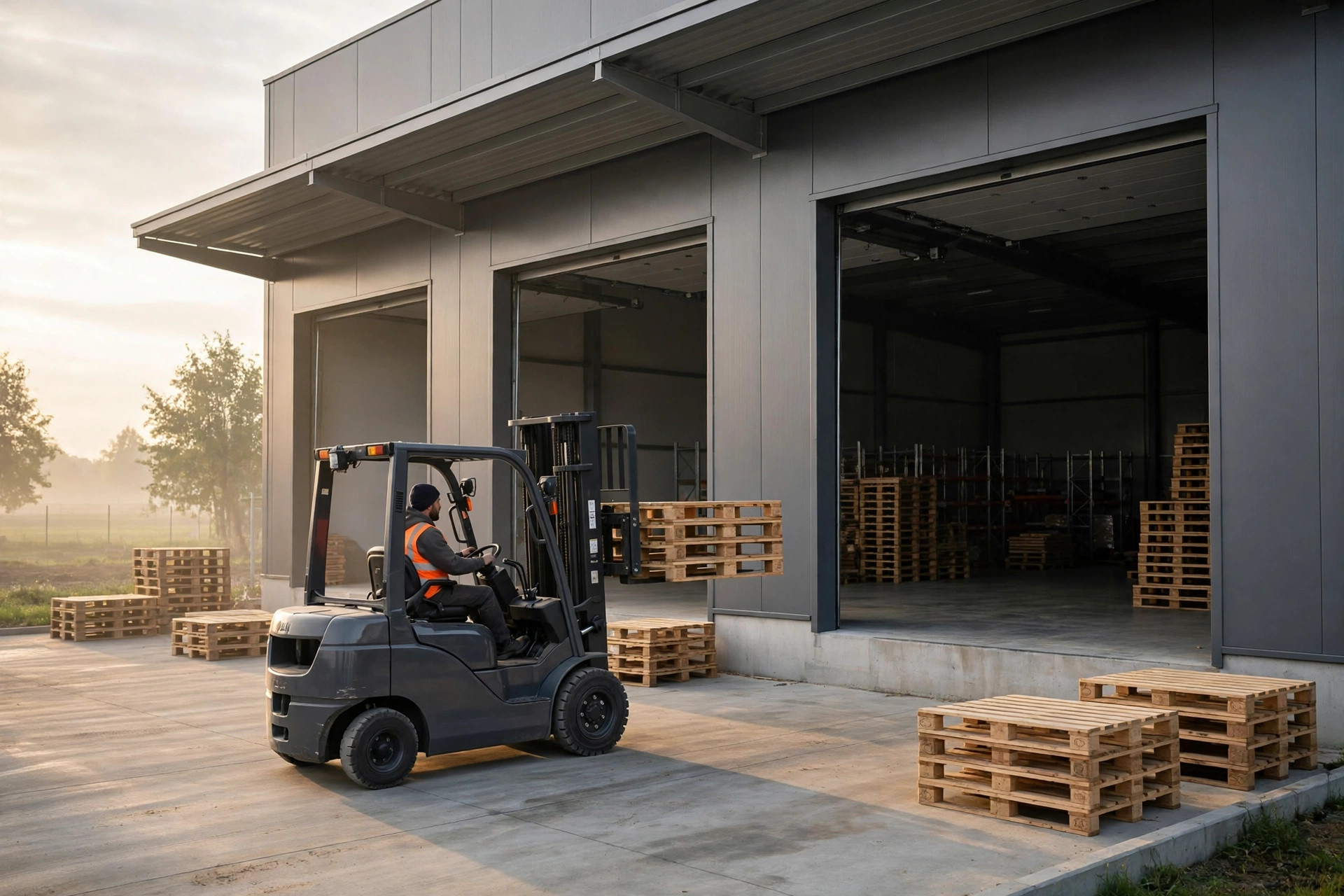
| Corridor belt (Matola–Tchumene industrial zone) | Forward distribution for Gauteng, South Africa | Sits on the N4, fast in and out of South Africa | Depends on the N4 staying open — unrest breaks the road first |
| Beluluane Industrial Park | Industrial配套 warehousing (aluminum/manufacturing) | Clustered industry, mature services | Anchor-tenant risk: the Mozal smelter shut down in March 2026 after power-price talks collapsed — when one plant stops, the whole supply chain around it goes quiet |
Mozal deserves a longer pause. The smelter sits in the Beluluane park outside Maputo, one of Africa's largest aluminum smelters. In March 2026, after failing to agree on electricity pricing with the government and the power companies, South32 put it on care and maintenance — roughly 5,000 direct jobs affected, and the supplier chain with it. I've seen too many "ride the giant's coattails" site selections: the giant is here, so I'm here. The giant leaves, and the配套 warehouse's cargo base goes to zero overnight. Beluluane is fine as a choice — but first ask: what share of your volume comes from that anchor tenant? Over 30%, and you're working for them, not yourself.
One logic only: business first, site second. Distribution goes to the corridor belt, bulk goes portside, industrial配套 starts by examining the anchor tenant's power and politics. Get the order backwards and even a beautiful warehouse is the wrong warehouse.
The bottom line: the math for Chinese sellers and freight forwarders
For Chinese sellers and forwarders, the real trade-off in the Maputo warehouse corridor is: a Maputo distribution warehouse versus shipping straight into Durban, South Africa.
Durban is the mature system — customs, services, sailings all proven — at the cost of congestion: port queues, road queues, peak-season lead times left to luck. Maputo is the "when South Africa jams, it doesn't" alternative and increment: the port is expanding (530,000 TEU, 2027), the corridor is upgrading, and the cost structure has an edge.
Here's the contrarian take: Maputo's biggest alpha isn't cheapness — it's resilience. In 2025, after election unrest, the port still set a 32-million-tonne record. Nodes that keep turning amid chaos are scarce goods in southern Africa. Cheap locations are everywhere; ones that keep turning aren't.
But don't mistake resilience for normality. The N4 concession expiring in 2028 and the Mozal shutdown tell you the variables here are policy and power, not land prices. So before breaking ground, settle five things:
- Line up your customs broker before your warehouse. Mozambique's clearance system isn't South Africa's. An unreliable broker means cargo sits at the port undelivered while warehouse rent keeps running.
- Write power into the lease. Dedicated line plus backup generation. Mozal's lesson is right there — in southern Africa, electricity isn't infrastructure, it's a risk line item.
- Labor: Portuguese-speaking, and yes, cheaper than South Africa — but skilled hands must be trained in-house. Don't expect hire-and-go; budget for training.
- Currency clauses. The metical moves; negotiate the FX adjustment mechanism into the lease so the exchange rate doesn't eat your margin.
- Never bet on one corridor. Sea plus rail, dual channels. One N4 outage will teach you what corridor dependency means.
Finally, the macro picture decides the positioning: Mozambique's GDP is just over twenty billion dollars (about $22.8 billion in 2024 on World Bank figures), growing 2.2% that year — a small economy. Translation: this is a corridor business (money made on transit plus distribution), not a local consumer-market business. Your warehouse serves cargo for Gauteng and neighboring countries, not consumers in Maputo. Get the positioning wrong and the whole leasing strategy points the wrong way.
Worth it or not
So — build a warehouse in Maputo, worth it or not?
My answer: if your business is southern African distribution, yes — but only if you've run the port, corridor, and power math all the way down to the worst case. If you can't do that math, stay away. If you can, the timing is right — DP World's $165 million already voted for you.
By Lao Mi, Supply Chain Veteran (20 yrs)