Here is the verdict up front: in the Montevideo Uruguay warehouse market, there is no warehouse that is cheap, fast, and tax-efficient all at once. Port-adjacent space gets you close to the vessel, but it is small, expensive, and hostage to port traffic. Suburban space is cheaper and roomier, but every shipment pays an extra drayage leg. Free-zone space can improve the tax picture, but it brings a compliance bill of its own. To put it bluntly, this decision has two sides, and you have to decide which side matters more — speed or cost — before you sign anything. Get the order backwards and the arithmetic will punish you.
I Have Seen Too Many People Rent First and Calculate Later
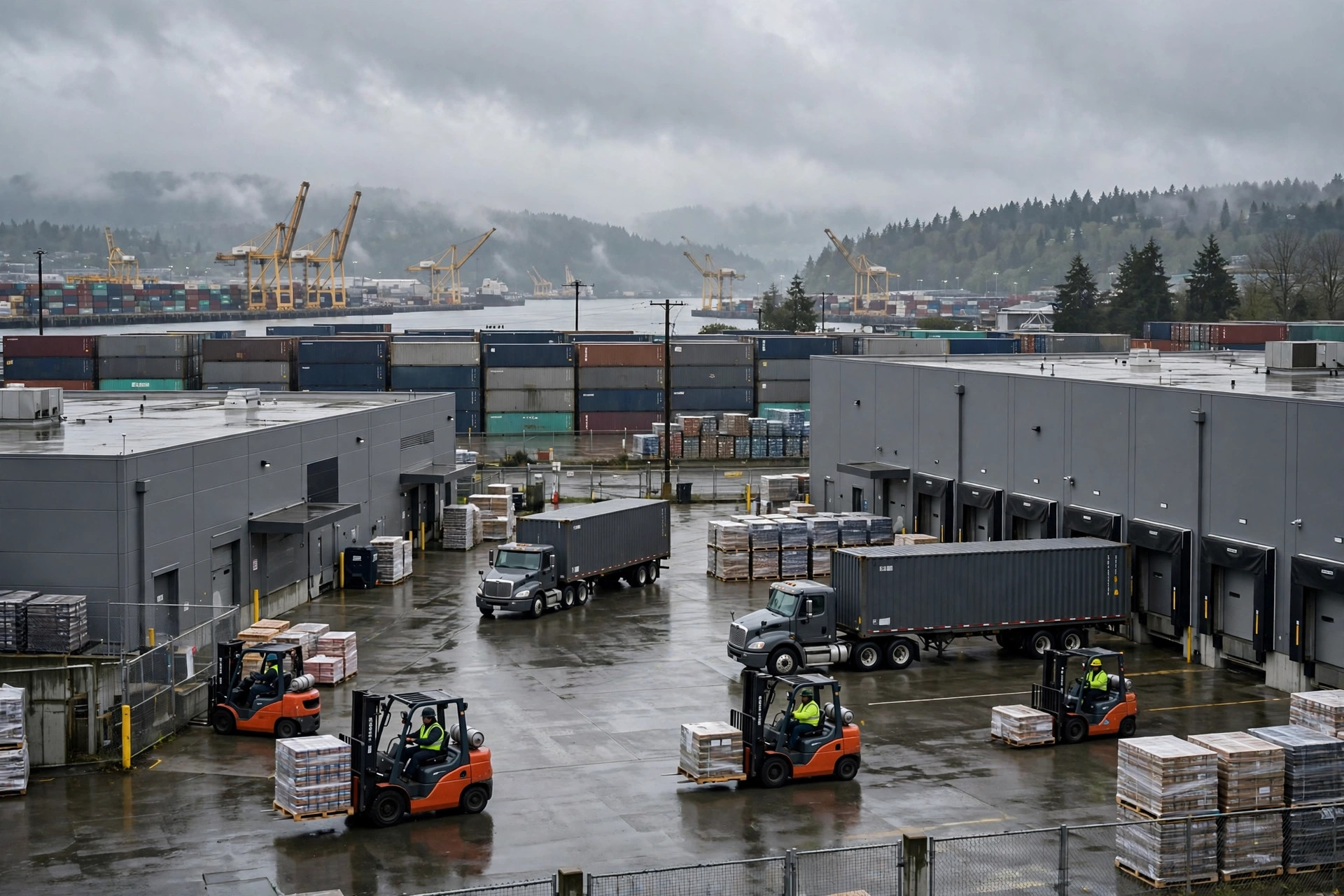
I have seen too many sellers and traders make their first South America mistake right here. One auto-parts distributor shipping from Asia into the port of Montevideo planned to serve Uruguay plus northern Argentina. On arrival, they rented a ready-made unit right by the port, for the obvious reason: close to the port, easy pickup. Three months later the numbers told a different story. The rent ran well above suburban levels, the unit was too small for bulky parts, and in peak season they had to rent overflow space elsewhere — paying twice. Worse, daytime pickup around the port depended on vessel schedules and port-area traffic, so "close" never quite converted into "fast."
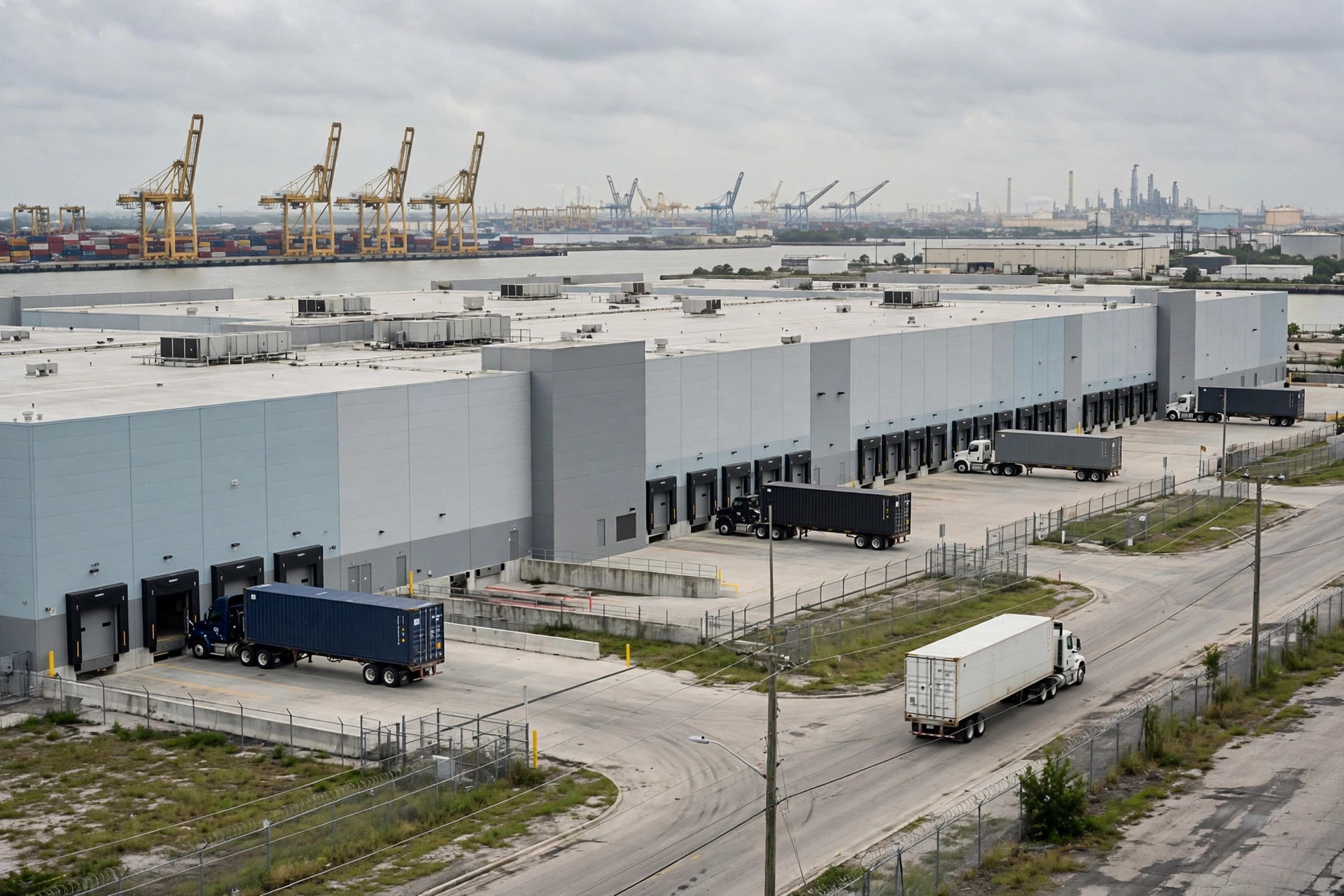
The second case ran the other way. A consumer-goods distributor setting up regional distribution went straight to a large suburban warehouse: room to breathe, friendly rent, space to sort, label, and kitting properly. What they underestimated was the drayage leg — port to suburb, booking time, occasional port congestion — all loaded onto every shipment. Per shipment, the cost was not dramatically lower than port space. But their volume was large and steady, and spread across a quarter, the suburban math still won. That is the honest shape of the Montevideo Uruguay warehouse market: no location is best for every shipper, only best for your volume, your lead-time promise, and your product mix.
Port, Suburb, and Free Zone: Three Separate Calculations
First, port-adjacent space. It fits small lots, high frequency, and time-sensitive freight: urgent replenishment, samples, small-batch distribution. The advantage is a short pickup chain and fast response. The price is high rent, limited expansion, and possible overflow rental in peak season. When you price it, do not look at monthly rent alone; add peak overflow and queuing time, or you are comparing a partial number against a full one.
Second, suburban space. It fits large, stable, long-tenure regional distribution. The advantage is room and rent that allow real distribution work — sorting, labeling, light assembly. The price is one extra drayage leg and a lead-time buffer. The deciding variable is volume: the larger the volume, the thinner the drayage cost spreads, and the stronger the suburban case. Small volume at low frequency flips the result, because drayage eats whatever rent you saved.
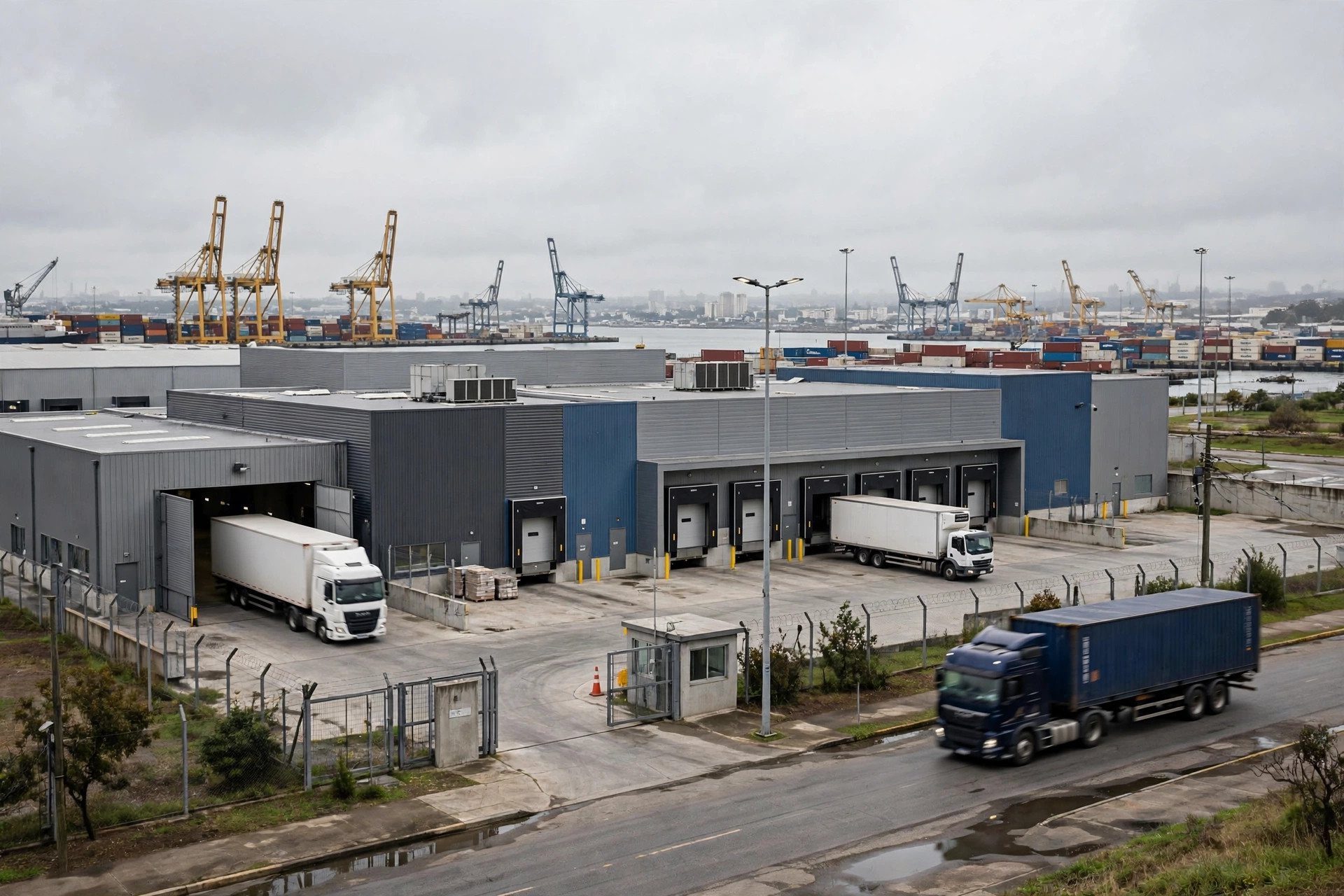
Third, free-zone and bonded space. Montevideo has free-zone arrangements that suit re-export, bonded storage, and regional re-distribution. But do not price this on "tax saved" alone. Add compliance costs — declarations, regulatory handling, system integration, professional services — and the risk cost of getting any of it wrong. Tax and declaration requirements change; confirm the current official Uruguayan rules before committing, and do not sign on a broker's verbal quote.
| Location choice | Fits best | Main advantage | Main price |
|---|---|---|---|
| Port-adjacent | Small lots, high frequency, urgent orders | Fast pickup, short chain | High rent, small footprint, peak overflow |
| Suburban | Large volume, long tenure, stable distribution | Friendly rent, room for real distribution work | Extra drayage leg, lead-time buffer needed |
| Free zone / bonded | Re-export, bonded storage, onward distribution | Potential tax-cost improvement | High compliance and professional-service cost |
The Counterintuitive Part: The Warehouse Is Not Just for Uruguay
Here is the judgment most people get backwards: they price a Montevideo warehouse as a "Uruguay local warehouse," when its larger value is regional distribution — using Uruguay as a hub for the Southern Cone. But the reverse is equally true. The wider you draw the distribution radius, the heavier the cross-border homework becomes: destination-country clearance, destination tax rules, documentation. Whether freight moves smoothly into Argentina or Brazil depends on the destination's rules, not on how good your Montevideo lease is. The rent you saved can be handed straight back at the border if the compliance work was skipped.
So work it in three steps. First, run all three calculations — port, suburban, free zone — on three months of real volume and real lead-time requirements, not impressions. Second, size the lease for peak-season volume, not average volume; South American demand swings harder than most newcomers expect. Third, before signing, negotiate drayage, port handling, and compliance services as three separate line items outside the rent. If you negotiated the rent down but left those three untouched, you did not negotiate at all.
Before You Sign, Ask These Five Questions
This decision has two sides, and the lease negotiation is the second one. I have seen too many people negotiate a beautiful rent and discover after signing that the side clauses ate the profit. So before you sign, get answers to these five questions, and get them written into an annex — not left in conversation.
First, what fixed charges sit outside the rent: management fees, common-area shares, security and system charges, and how do they escalate each year? Second, is drayage and port handling arranged by the warehouse or by you, at what price range, and are there peak-season surcharges? Third, what are the expansion and exit terms: can you take adjacent space first when volume grows, shrink when it falls, and what does early termination cost? Fourth, what are the operating hours and overtime rates: night and weekend pickup charges, and who bears the cost when port congestion delays pickup? Fifth, if free-zone or bonded operations are involved, who handles declarations, who bears the cost of an error, and who pays for system integration?
Ask all five and you will find the same warehouse can carry a very different total cost in different negotiators' hands. Rent is the most visible line, but often not the largest. Pulling every off-rent charge into the open is what completes the Montevideo calculation. One more piece of advice: do not sign too long at first. Take a short first year with a renewal priority, prove your real volume and process, then sign longer in year two at a price set by measured data. One year of flexibility buys several years of certainty, and that is a good trade.
Montevideo is a good hub. A good hub is not the same thing as a good business. Getting the warehouse right only gets the first move of the regional distribution game right — are you ready to pay for the cross-border moves that follow?
By Lao Mi, Supply Chain Veteran (20 yrs)