Mercado Libre alone pulled in roughly $21 billion in revenue from about 161 million active users in 2025 — an Amazon-scale ecosystem in Latin America, with marketplace, payments, and logistics all in-house. Online penetration in LatAm sits around 15% — close to the US figure of 16% — but the competitive map looks nothing alike. My take: if your Amazon US playbook is working, Latin America should be your next growth market, not Europe. In Brazil, Mercado Libre alone holds roughly 35% of e-commerce, with Amazon at about 16%. In Mexico it's a knife fight: Mercado Libre around 30%, Amazon around 40%. With about 161 million active users and roughly $21 billion in revenue in 2025, Mercado Libre is the region's only Amazon-scale ecosystem — marketplace, payments, and logistics all under one roof.
But don't port your US playbook wholesale. Latin America and the US are two different businesses.
Payments: where the US playbook dies first
On Amazon US you're used to one-click credit card checkout. Latin America doesn't work that way. Mercado Pago is a moat precisely because huge numbers of consumers have no credit card — installment buying is the default. A few-hundred-dollar appliance bought in 12 installments is completely normal in Brazil and Mexico. Your pricing has to be thought in "how much per installment," not in US-style sticker price. Price without the installment mindset and you're automatically expensive. Cash-on-delivery and local wallets also carry far more weight than in the US. The platform converts your USD list price into local currency and absorbs the FX swing, but your margin model needs to leave room for that layer.
Delivery expectations: "arrives, eventually" wins
US shoppers are spoiled by next-day delivery; Latin American shoppers are far more pragmatic. In 2024 Mercado Libre moved about 1.8 billion parcels through its own network, Mercado Envíos, with roughly seven in ten delivered within 48 hours. Unremarkable by US standards — infrastructural by Latin American ones. One caution: that's the platform's own network talking. Your direct shipments from a US warehouse will post different transit times and delivery success rates, so don't borrow the platform's numbers for your own SLA.
Don't treat five marketplaces as one market
Global Selling puts Mexico, Brazil, Chile, Colombia, and Argentina behind a single account, but don't run one playbook across them. Mexico is the obvious first stop: closest to the US, one language, the clearest customs rules. Brazil is the biggest prize but speaks Portuguese only, changes its tax rules fast, and deserves its own customer service and listing translation — machine-translated Portuguese titles read as fake to Brazilian buyers instantly. Argentina is Mercado Libre's home turf at roughly 35% share, but currency controls and FX volatility are permanent variables, so build slack into your cash cycle. Chile is actually Mercado Libre's weakest stop, where local players Falabella and Ripley dominate; trying to price-war your way into Chile is unwise. Colombia is upside, but the logistics base is thinner, so promise transit times conservatively. My order: prove it in Mexico, follow with Brazil, watch Argentina's exchange rate, let Chile and Colombia come when they come.
Categories matter too. Auto parts, home organization, 3C accessories — the stuff that sells on Amazon US — travels well, because it's standardized and low on after-sales. The reverse is also true: skip heavy, low-ticket goods, where freight eats the margin and returns are a catastrophe. Anything with batteries or magnets needs its import permits checked country by country; never assume that sellable in the US means sellable in LatAm.
Three fulfillment routes: direct, Texas, or local
For a US warehouse shipping into Latin America, the whole game is picking among three routes.
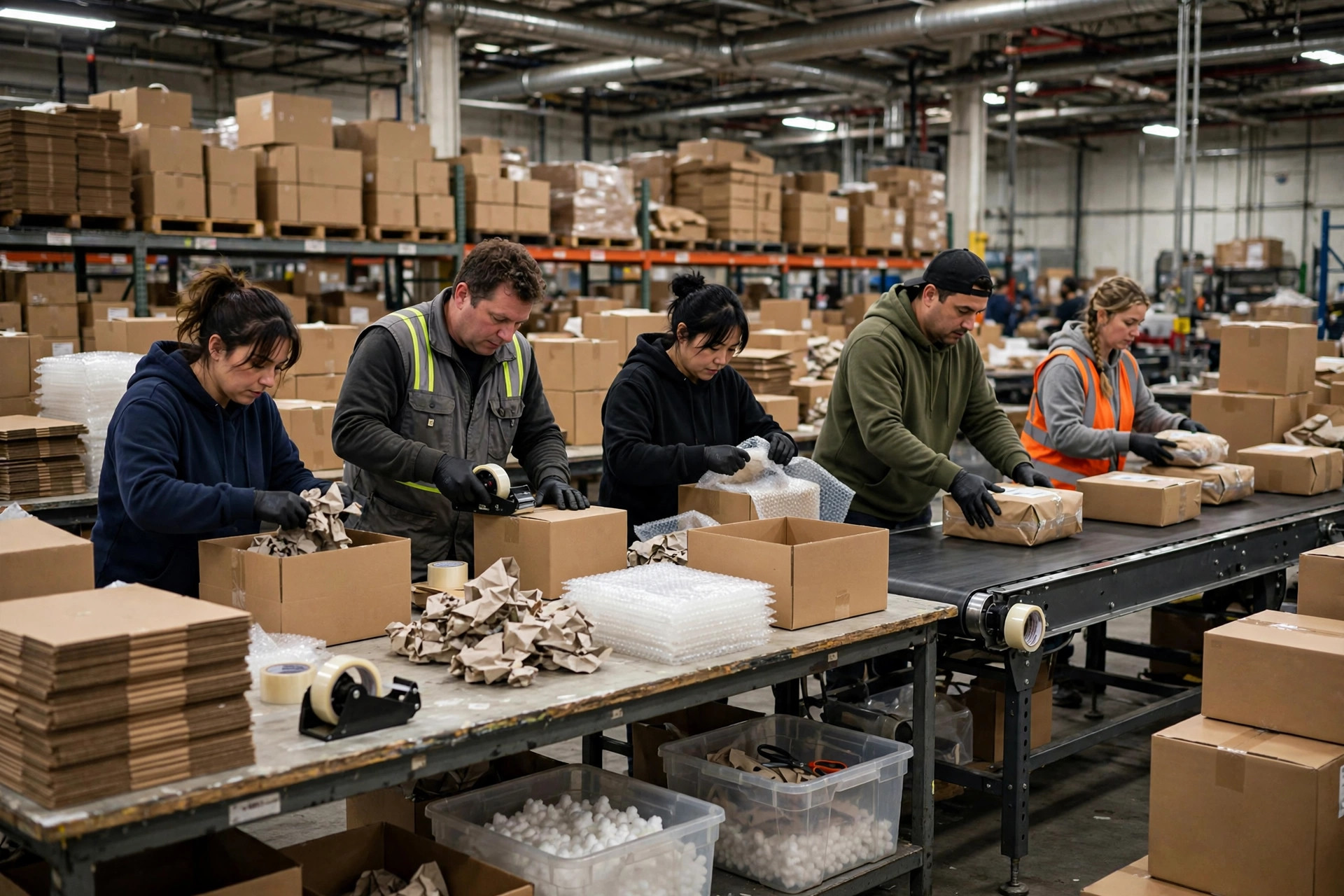
Route one is Global Selling direct-to-consumer. Ship from your US warehouse straight to the Latin American buyer. One account lists across all five sites, Mercado Libre pays you out in USD by wire every two weeks, and a built-in translator handles buyer messages in English, Spanish, and Portuguese. When an order lands, you print the label the platform generates and hand the parcel to the partnered carrier within three business days. This is the lightest route: no local entity, no offshore inventory — ideal for testing products. The price is that transit time and freight sit entirely on you, and the buyer experience can't match local shipping.
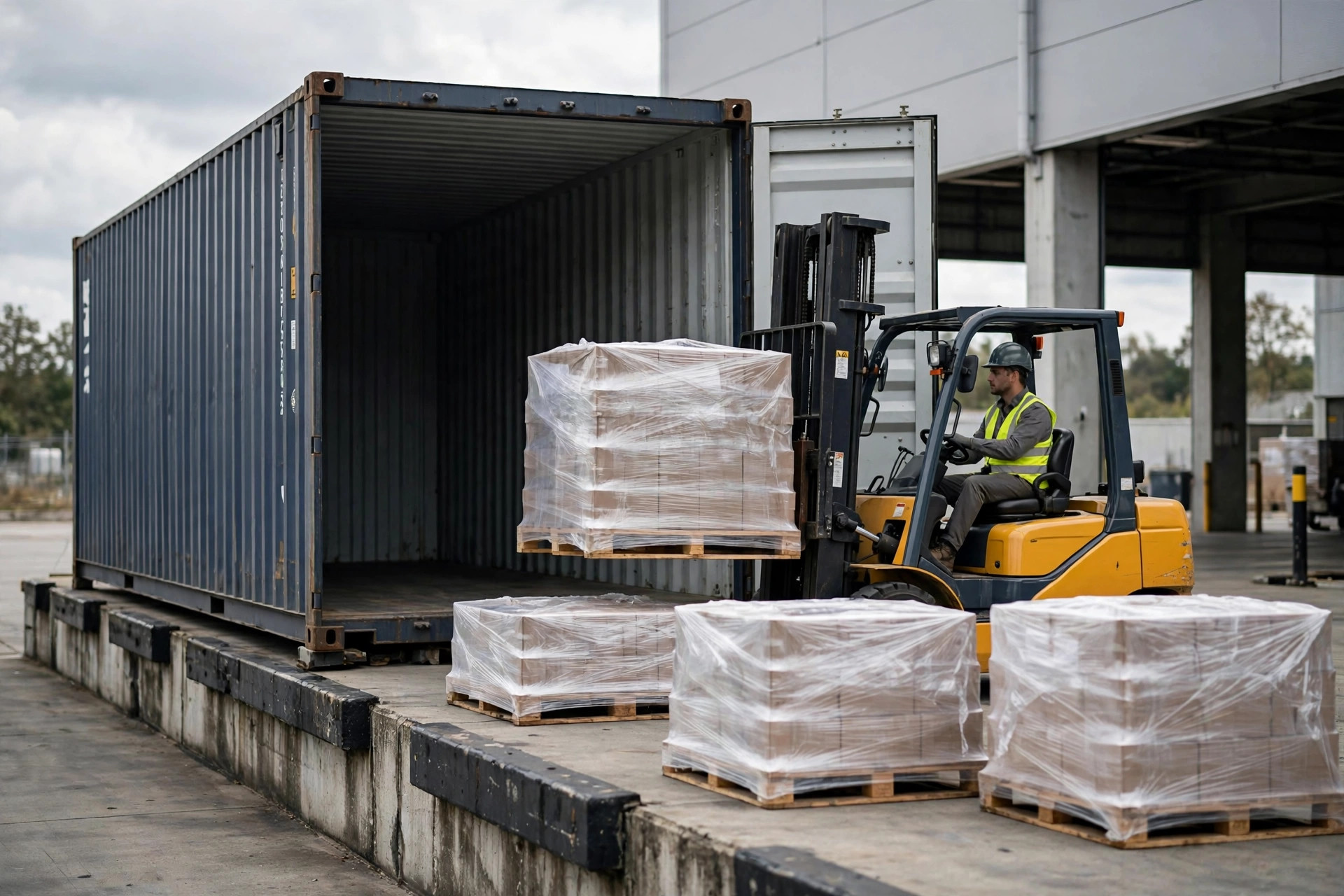
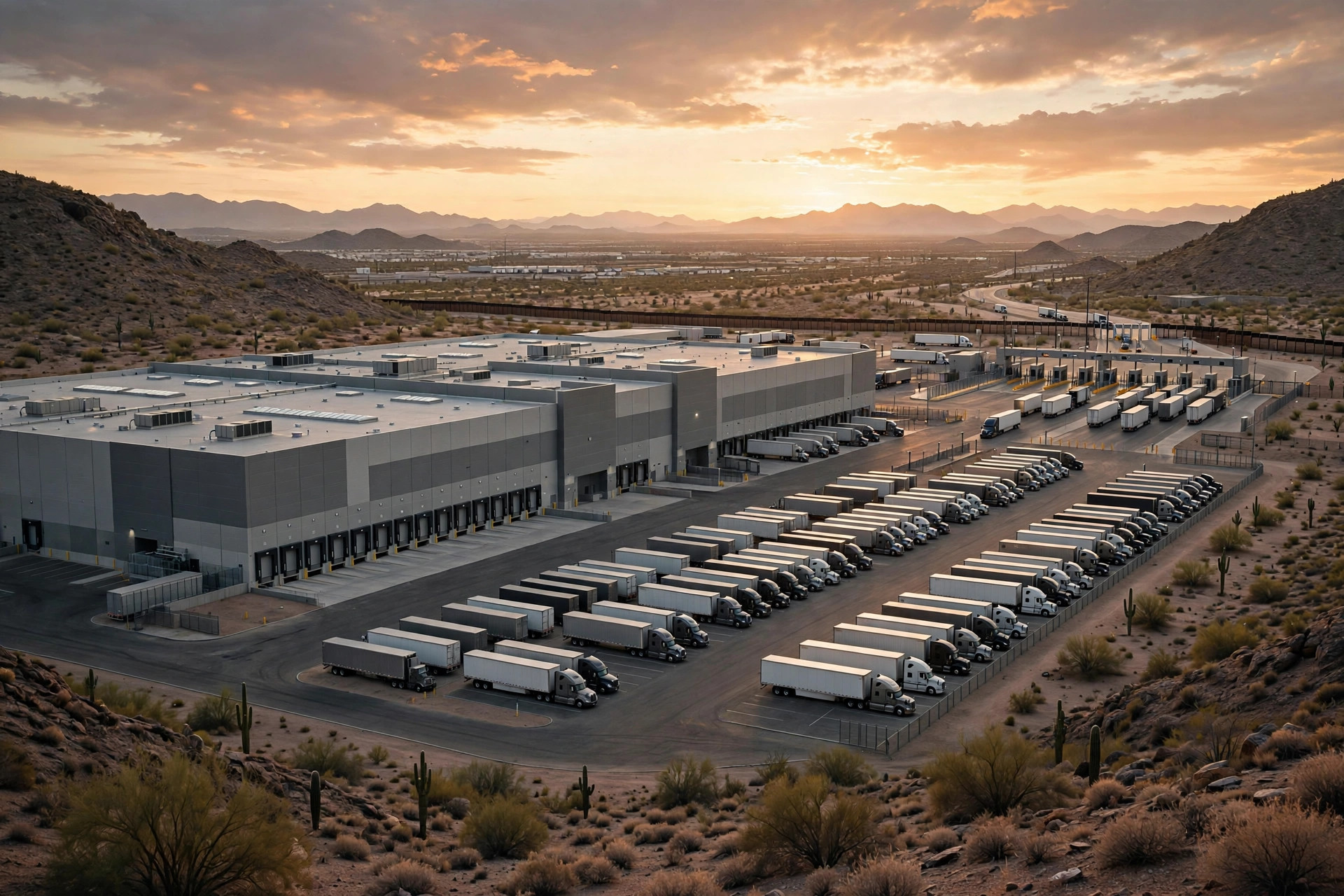
Route two is the Texas fulfillment center. Mercado Libre runs a US fulfillment center in Texas for cross-border sellers: you send inventory there in bulk, and Mercado Libre handles everything from Texas to the buyer's door, duties and taxes included. This is the lowest-effort version of "US warehouse to LatAm" — your job ends at getting goods to Texas; linehaul, customs, and last mile are theirs. Best for the stage where you've found winners and want to scale.
Route three is a local Full warehouse. Push bulk inventory into Mercado Libre's fulfillment centers in Mexico or Chile for local next-day-grade speed and the traffic boost that comes with it. But it's the heaviest route: goods must clear import customs into the country first, which usually means a local broker and an importer of record, and you're carrying the inventory capital and the stock risk. One critical constraint: cross-border sellers can only use Full in Mexico and Chile today. Full in Brazil requires a local company and local stock — which is why most sellers run Brazil on direct shipping only.
Customs and returns: the real margin center
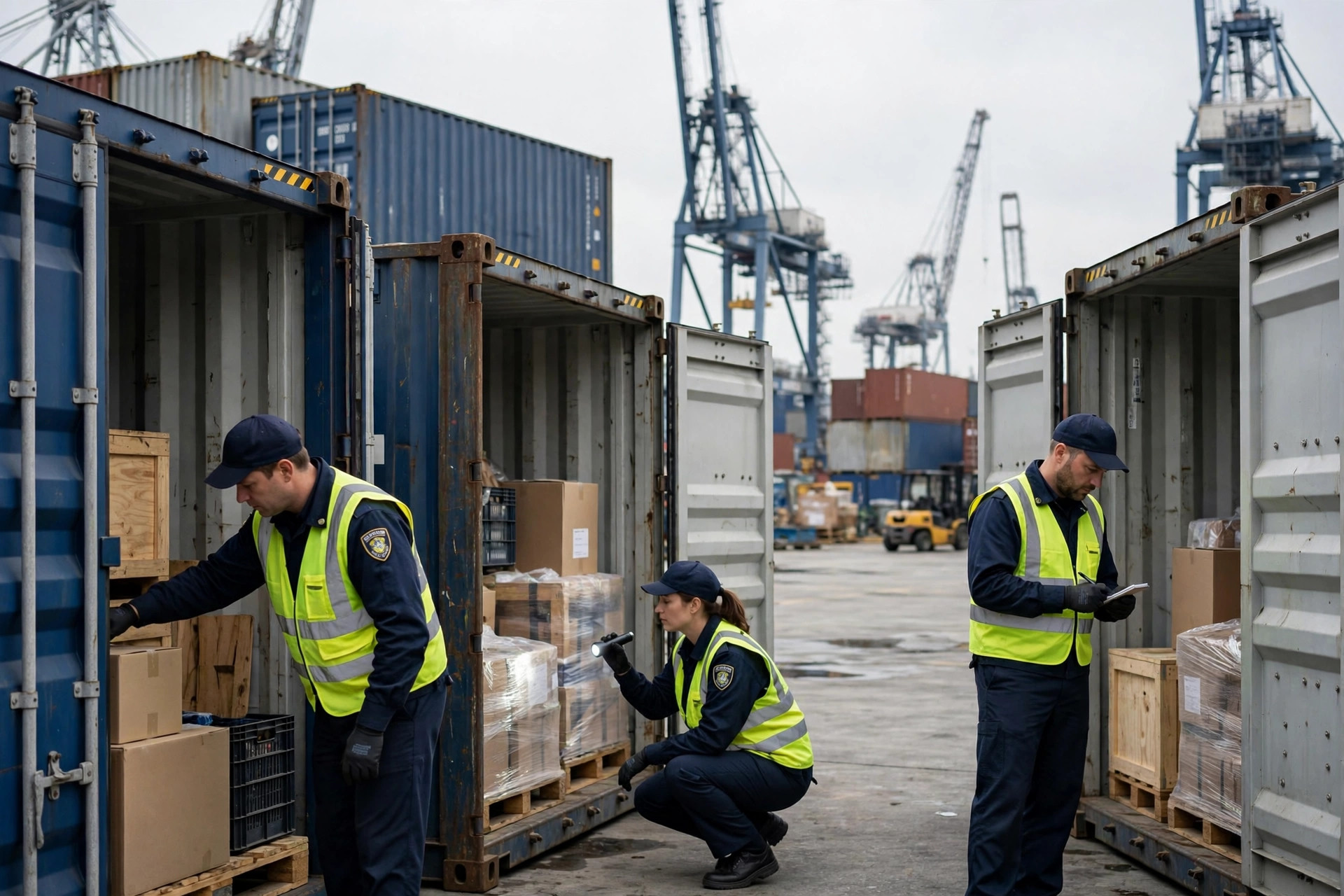
Customs is where LatAm diverges hardest from the US, and the numbers have to be exact. Mexico runs on USMCA terms: under $50 is duty- and tax-free, $50 to $117 is taxed at 17%, above $117 at 19%. Brazil introduced a 20% import tax on cross-border parcels under $50 in August 2024 and scrapped it in 2026 — Brazilian tax rules move fast, so have your forwarder re-run the math against current policy before every buying decision. Last year's guide is not this year's answer.
Returns are the other trap. US reverse logistics is mature; in LatAm, shipping a small direct parcel back often costs more than the goods are worth. My rule: for low-ticket items, build "refund without return" into the pricing from day one; for high-ticket items, route through Texas or a local warehouse so returns are actually operable. Don't wait for the first return to invent a policy.
The biggest operational difference from Amazon US comes down to one line: in the US you optimize conversion and ads; in LatAm you optimize whether goods clear customs smoothly and whether the money comes home. The first is an operations problem; the second is a supply-chain problem. Twenty years in this business lets me say it plainly: LatAm money goes to whoever is willing to chew through the customs and logistics work.
What to do next
- Test with direct shipping: take 3 to 5 proven SKUs from your US store, list them in Mexico and Brazil through Global Selling, and run two months watching conversion and return rates
- Mexico first: close share race, one language, relatively clear customs rules — the easiest first stop in the region
- Stock up only after winners emerge: don't push inventory offshore during the testing phase; scale through the Texas center once sales are stable
- Use local forwarders for customs: Mexico needs someone experienced with USMCA procedures, Brazil needs someone who tracks tax-rule changes; make quotes break out duties, advances, and fees separately
- Price for the installment mindset: next to every list price, know the per-installment figure for 12 payments — that's how LatAm shoppers decide
- Set the returns policy before listing: define the low-ticket refund-without-return threshold up front and write it into the ops SOP, not in a panic later