slug: mendoza-wine-cold-chain-logistics-guide lang: en title: "Mendoza Wine Cold Chain: Where the Chain Breaks Between Harvest and Container" excerpt: "The Mendoza wine cold chain logistics Argentina exporters rely on breaks most often before loading, not at sea. Mendoza grows about 70% of Argentina's wine, and the chain fears temperature swings more than heat." section: 仓储门道 subcategory: ops:coldchain tags: ['mendoza', 'wine', 'cold-chain', 'argentina', 'export-logistics'] region: sa author: lao-mi date: 2026-11-09
Mendoza wine does not go bad in the vineyard. It goes bad on the road — more precisely, it goes bad in the temperature swings on the road. That is the Mendoza wine cold chain logistics Argentina problem in one sentence: wine fears not heat, but hot-cold-hot, and the chain breaks most often not during the weeks at sea, but in the days before the container is sealed.
Start with the scale of the place. Argentina is the largest wine producer in South America and the sixth largest in the world, and Mendoza grows about 70% of the country's wine. In 2024, Argentina exported about 147 million liters of bottled wine worth about $625 million (World Bank WITS), and the United States was the biggest market at about 40.56 million liters. Most of Mendoza's wine has to travel, and traveling means surviving the cold chain.
Cost first, benefit second — that is the order I always run a cold-chain calculation in. Pre-cooling, a temperature-controlled warehouse, checking the container temperature: every one of these is a visible cost, and the winery and the shipper can see each of them. The cost of a broken chain is invisible. It hides inside the word "maybe." But once "maybe" happens, you are not just paying for the cargo. You are paying with the customer's trust. One bad container for a US importer, and next year's orders may simply not come. That is exactly the kind of calculation people get wrong.
Volume is still climbing. In September 2026, Argentina's wine exports rose 24% year on year, about 230,000 hectoliters; January through September totaled about 1.48 million hectoliters, up 3.2%, with bottled up 26% and bulk up 18%, and bulk white wine up 329% in a single month. Rising exports are good news, but the more volume moves, the more often a weak link in the chain gets hit. A trap you used to hit once a year, you will hit twice in six months once volume doubles.
Where the Mendoza Wine Cold Chain Breaks: Three Links
The Mendoza wine cold chain logistics Argentina story breaks on land, in three places — not at sea.
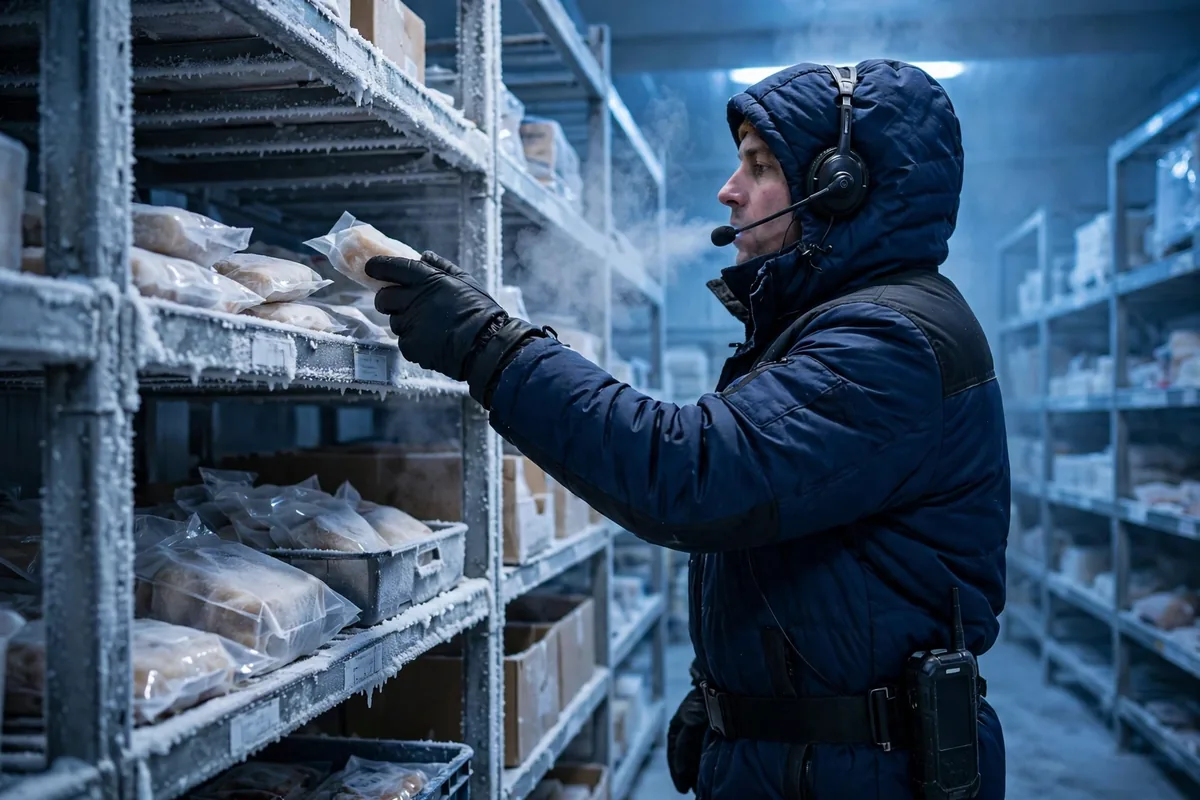
The first link is the day-night temperature swing at harvest. At the foot of the Andes, days are hot and nights are cold, and freshly picked grapes and freshly bottled wine hate sitting anywhere without temperature control. Wine in a barrel or a case is not safe from it: when the temperature moves, the wine moves with it. Harvest season is short on hands and long on truck queues, and half a day extra waiting at the winery gate means half a day more of temperature swings.
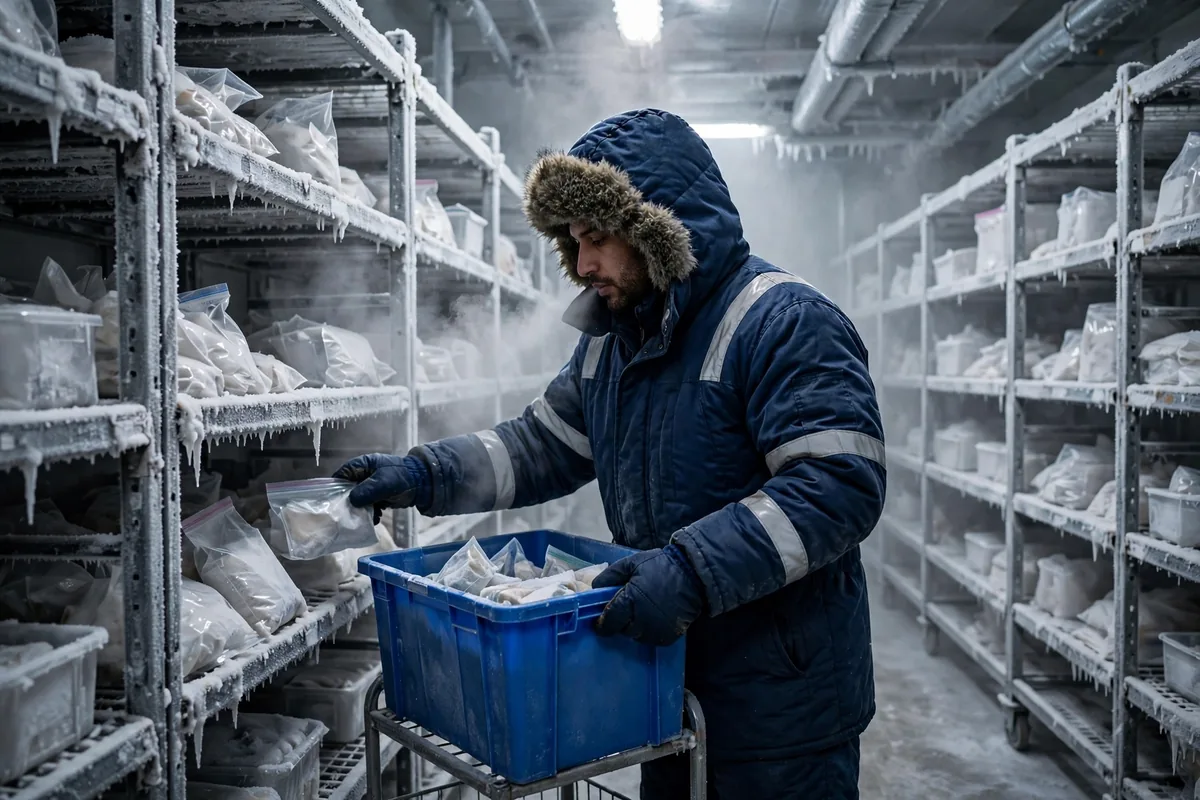
The second link is the wait before loading. The wine leaves the winery for a temperature-controlled warehouse, then to the port, and the waiting in between is the part nobody owns. Two days in an ambient warehouse discounts every bit of temperature control that came before it. It is not that nobody paid for cold chain — somebody paid, and then the last stretch had no owner.
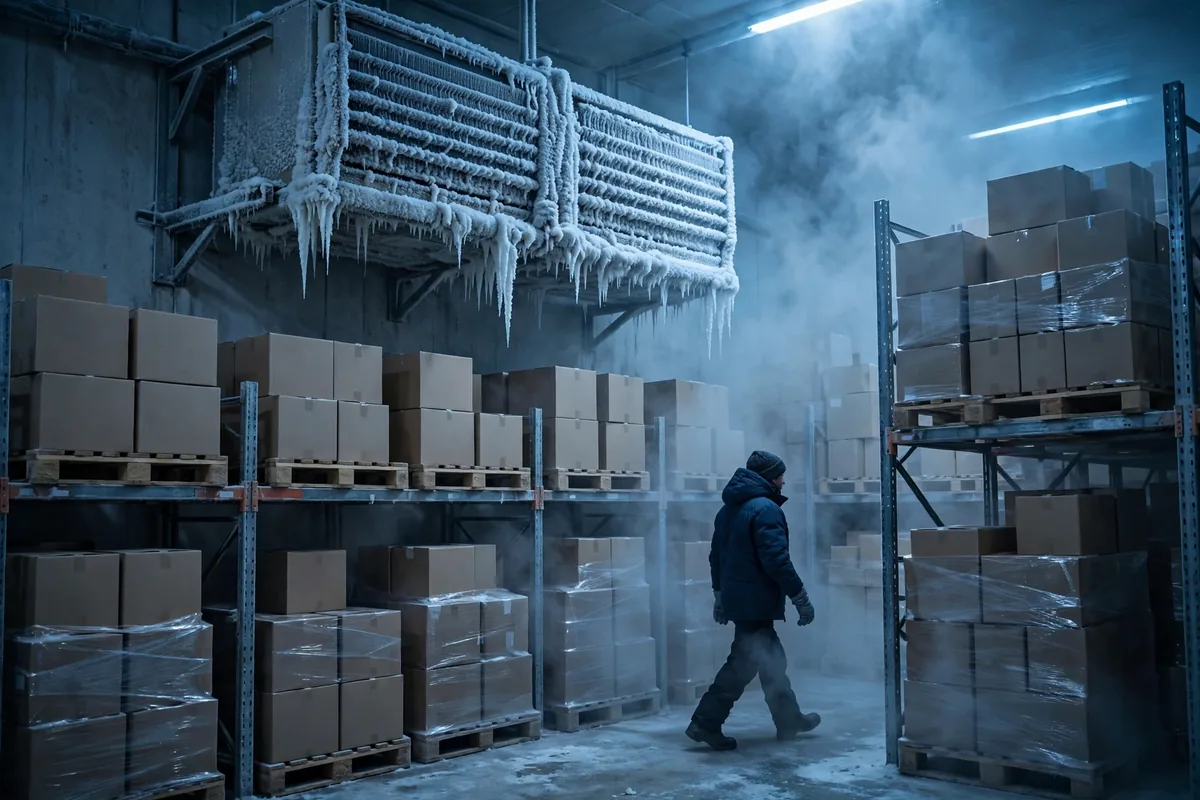
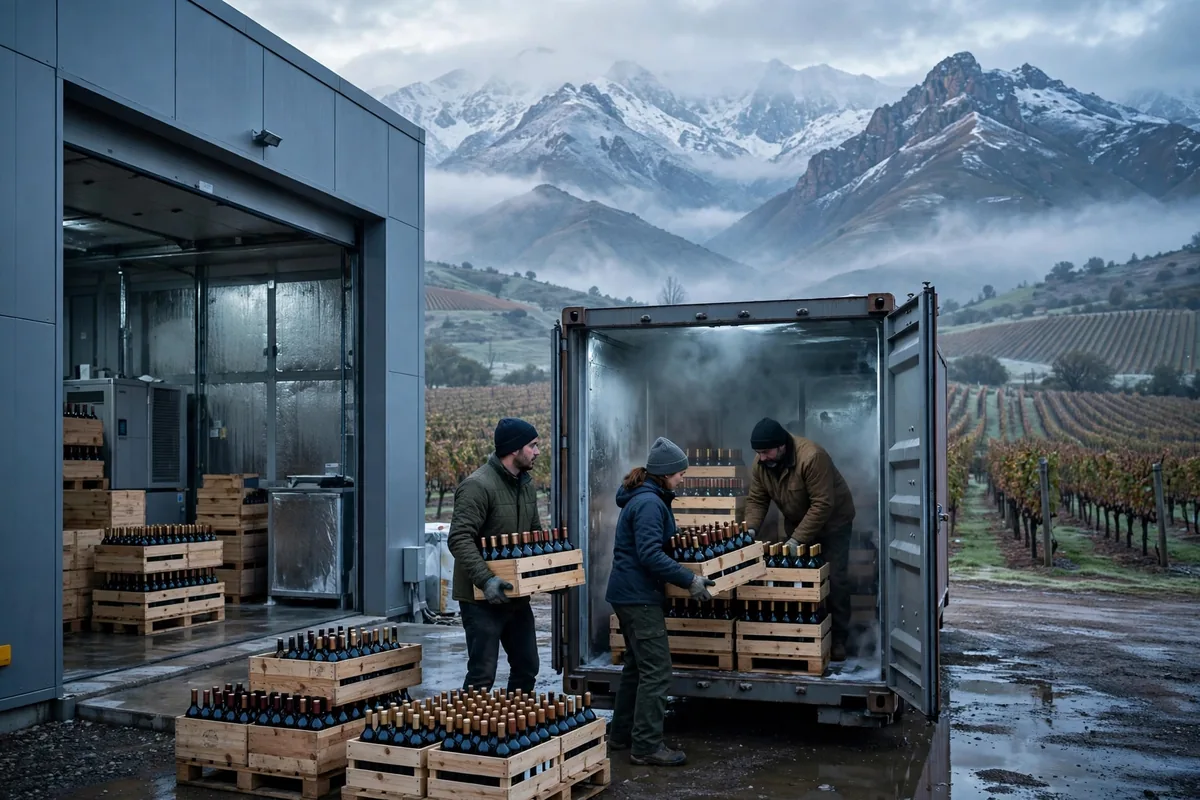
The third link is the loading itself. Was the container pre-cooled? Was it loaded at the hottest hour of noon? How long after sealing before it left the port? Those three details decide the condition of the wine when it sails. A container that baked in the sun all morning is an oven. Put wine from a temperature-controlled warehouse straight into it, and you have personally delivered the temperature swing into the box.
I have seen too many shipments like this. Years ago I handled a Mendoza load that left the winery in harvest season, got delayed on the road, and arrived at the port to find the temperature-controlled warehouse fully booked. The wine sat in an ambient area for days before it was loaded. When it reached the US customer, the wine was off — the taste had changed — and the claim dragged on for months. The money saved on pre-cooling and a temperature-controlled warehouse, measured against the value of a container of wine and a customer, was not even the same order of magnitude. The temperature-control cost you save, set against the value of one container, is small change against the whole shipment — illustrative, but the logic is real. Skimping on cold chain means betting a whole container on a small saving.
Mendoza Wine Cold Chain Logistics Argentina: Bottled and Bulk Are Not the Same Job
Bottled and bulk wine ride the same cold chain, but they fear different things, and the temperature control has to be planned separately.
| Factor | Bottled wine | Bulk wine (flexitank) |
|---|---|---|
| Fears most | Temperature swings, corks drying out and leaking | Local hot spots, temperature shock during handling |
| Temperature control | Steady temperature throughout, no repeated warming and cooling | Once filled, almost impossible to intervene mid-journey — condition at loading decides everything |
| Must-do before loading | Pre-cool, check container temperature | Inspect the flexitank, control loading temperature, keep it out of direct sun |
| If the chain breaks | Taste changes, leaking bottles, claims | The whole container's quality suffers, losses concentrate |
Bulk is not the budget option, and its temperature-control demands are no lower than bottled. Bulk white wine up 329% in a single month tells you more and more wine is leaving in bulk, and if flexitank temperature control does not keep up, the losses concentrate as volume grows. When bottled wine goes wrong, it goes wrong bottle by bottle. When bulk wine goes wrong, it goes wrong container by container. That is why loading matters more for bulk: once a flexitank is filled and sealed, a temperature problem found mid-journey cannot be fixed — you just watch it sail on.
The chain does not end at the port. It ends in the customer's hands. The wine reaches the United States — the biggest market — and then it still has to go into a warehouse and out to distribution. If the destination warehouse cannot hold temperature, the thousands of kilometers of cold chain before it were wasted. Anyone who talks about cold chain only up to arrival is only costing half the chain.
The Last 72 Hours Before Loading: The Final Gate for the Mendoza Wine Cold Chain
The three links above tell you where it breaks; this is the checklist I give clients for the 72 hours before loading:
- Get the wine into pre-cooling right after harvest. Never let it spend a night in an ambient area.
- Move it through a temperature-controlled warehouse, with a full temperature record. If you cannot get the record, do not accept the shipment as temperature-controlled.
- Check the container temperature before loading. If the container was not pre-cooled, do not load.
- Avoid loading at the midday heat. Get the sealed container moving to the port as fast as possible.
- Write down who is responsible and who signs. A link with no owner will break.
The list looks simple. Execution is the hard part. The temperature record is the easiest thing to fudge: a gap of half a day, and someone will tell you "half a day, no big deal." My rule is simple: an incomplete record means the shipment does not count as temperature-controlled, and the claim process runs as it should. Loose rules, fast breaks.
Responsibility has to land on a named person, too. Winery, temperature-controlled warehouse, trucking company, port — four parties handle the wine, and handover is where the gaps open up. Every handover is signed off with the temperature noted: what it was when it left, what it was when it arrived, written down in black and white. A handover with no signature is no handover. When something goes wrong, the first question has to have an answer already — not one you go looking for.
Spending on temperature control is a cost, but one broken chain costs a container of wine plus a customer. The most expensive link in the cold chain is not the reefer container. It is the few days before loading when nobody is watching. Get those days under control, and the whole chain stands.
Before your next container is sealed, ask one question: has this wine been pre-cooled? If nobody can answer, do not seal the container.
By Lao Mi, Supply Chain Veteran (20 yrs)