We have a client who sells small home appliances. Late last year, he decided to enter Luanda, Angola, for the first time, and he called me sounding absolutely sure of himself: the warehouse had to sit right next to the port, as close to the quay as possible, so cargo could be split the moment it landed. Three months later he called again, in a completely different mood. The port-side warehouse was close, sure — but his trucks would arrive at seven in the morning and still be queuing at the gate in the afternoon, burning driver hours that cost more than the freight he thought he was saving. Worse, his city distributors picked up on no fixed schedule, so half his space sat permanently full of slow-moving stock while rent was charged on the whole building. He asked me: Susan, did I pick the wrong location? I told him: you did not pick the wrong place, you treated three different problems as if they were one.
That is the honest shape of the Luanda warehouse market. It is not one market at all. It is three different businesses stitched together: the port corridor sells speed, the suburbs sell space and flexibility, and inland distribution sells tolerance for uncertainty. Negotiate them as if they were the same thing, and every number on the quotation will mislead you.
The Port Corridor in the Luanda Warehouse Market: Fast, With Hidden Costs
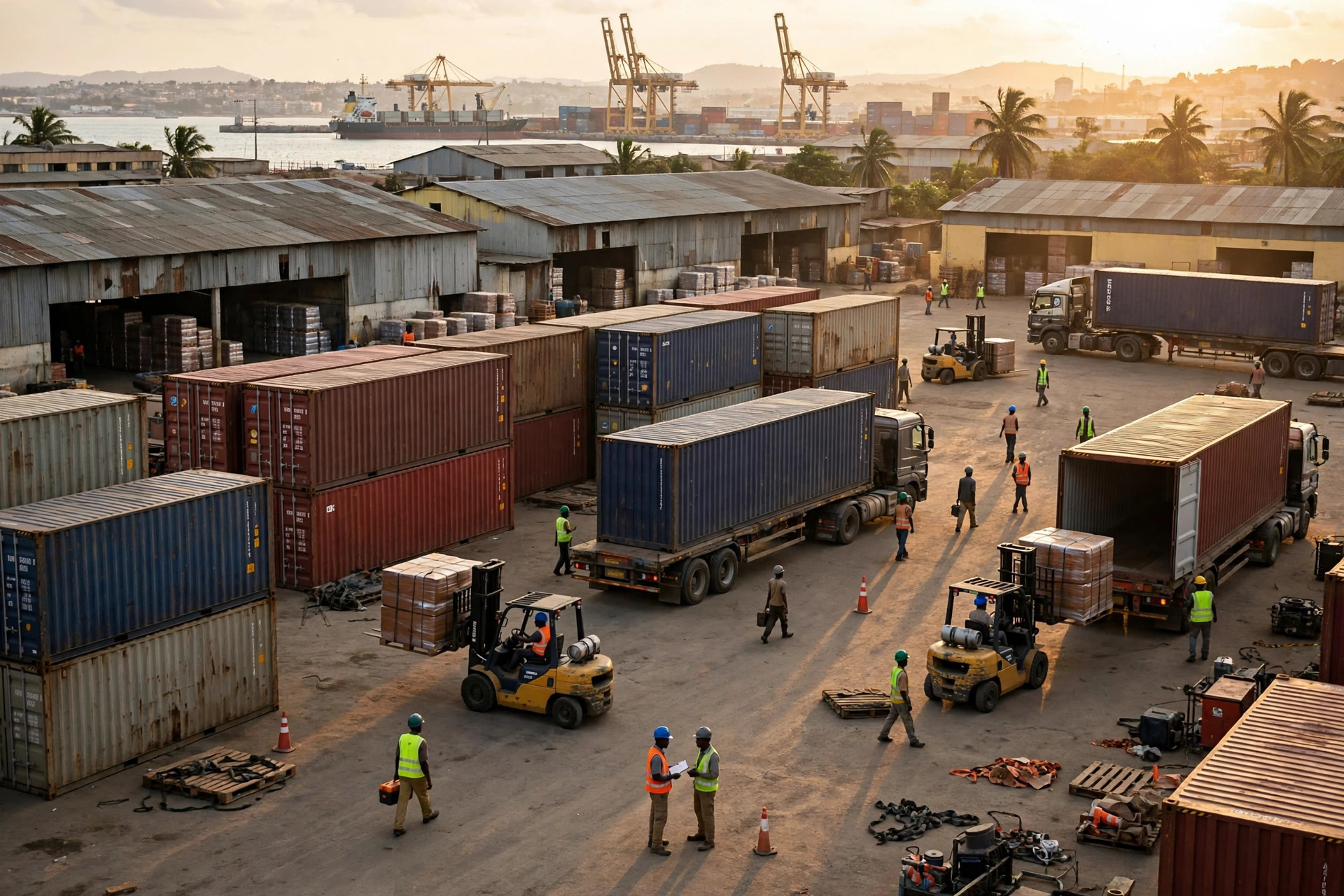
Start with the port corridor. Warehouses around the Port of Luanda win on one thing: a container comes off the ship, a short transfer puts it in the warehouse, and customs clearance, devanning, and sorting can all happen on the same day. For fast-moving consumer goods and seasonal products, that single day is worth real money. We have a beverage client who landed three containers in the two weeks before peak season; the port warehouse devanned them the same day they arrived, and by that evening his goods were already on their way to more than twenty distributors across the city. He bought shelf presence in the first days of the season, and that is hard to price until you have lost it once.
Here is the part only the vendor side usually tells you: in the Luanda warehouse market, the gap between the headline price and the real invoice is where negotiations are won or lost. A port warehouse quotation typically lists rent and basic handling, and stops there. The real money goes on queuing, waiting, and rush work. Berth pickup windows, gate appointments, night-operation surcharges — some are charged per call, some per hour, and a single line of small print can eat a visible chunk of your budget. There is another layer: port warehouses are usually small, so in peak season they fill up, and your cargo may end up split across two sites, doubling your management cost overnight. So when you negotiate a port warehouse, do not just ask the price per square metre. Ask whether waiting time for container pickup is capped, who pays when it runs over, and whether you have a contractual right to expand when peak season fills the building. If you cannot get straight answers to those three questions, the attractive unit price on the quotation is decoration.
Suburban Warehouses in the Luanda Warehouse Market: Cheap Space, Expensive Last Mile
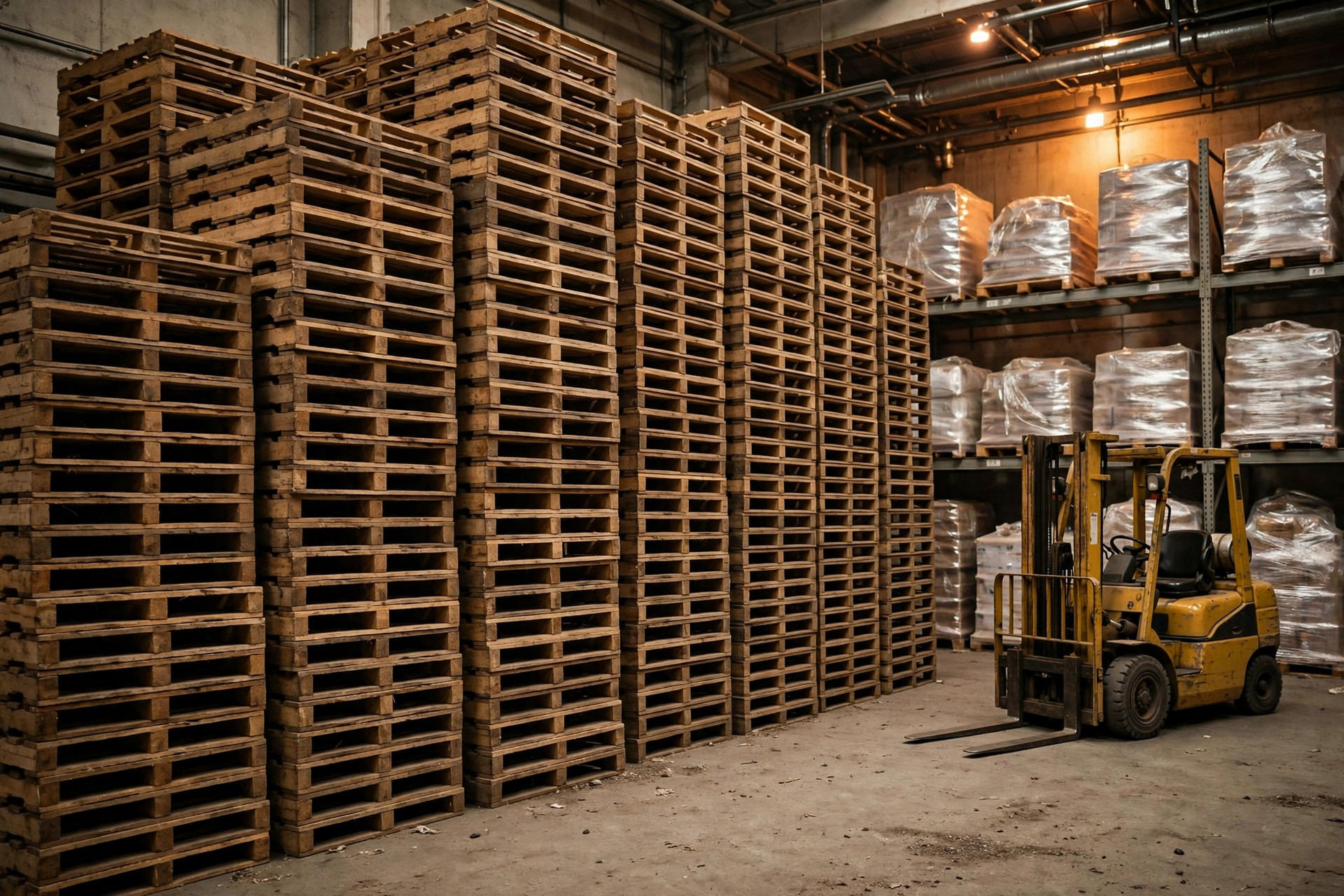
The suburbs run on a different logic. Move out of central Luanda and warehouses suddenly get bigger, taller, and able to take large trucks and a layout planned around your own flow. For bulky, slower-moving goods — appliances, building materials, auto parts — the headline rent looks far friendlier. We have a building-materials client who moved his warehouse from the city centre to the suburbs in 2024. His space more than doubled, his monthly rent actually fell, and for the first time he had a proper staging area and a returns area, so stock counts no longer meant shifting goods around in the aisles.
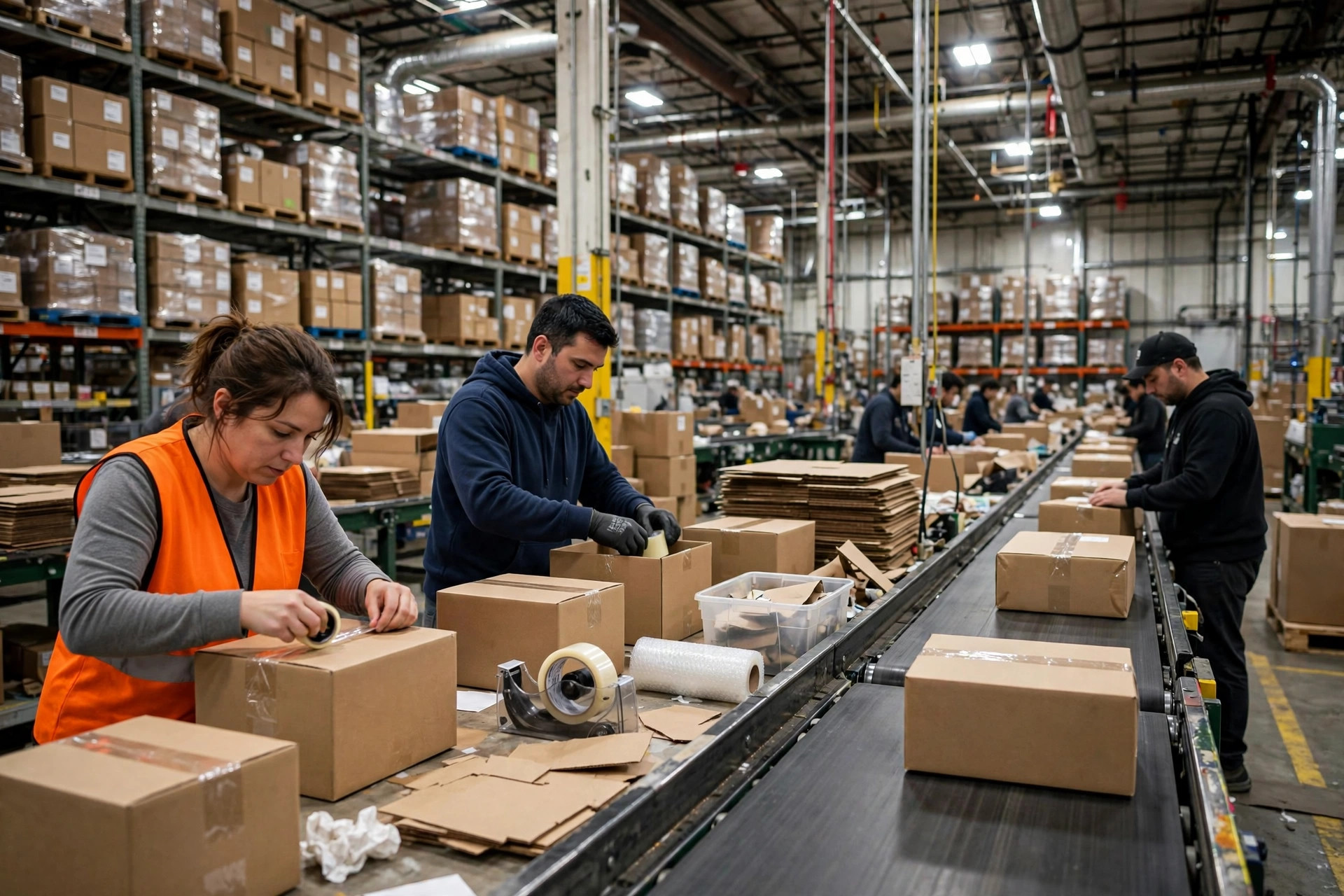
The cost shows up on the road. That is the recurring surprise of the Luanda warehouse market: the suburb saves on rent and spends it back on the road. Deliveries from the suburbs to city distributors swing wildly with traffic and time of day; one bad morning jam can force a whole half-day delivery plan to be rebuilt. Small replenishment orders hurt most: a distributor wants a dozen pieces, you send a large truck across town, and the fuel and driver hours spread over those few pieces wipe out whatever you saved on rent. The counterintuitive judgment here is one many clients resist: a suburban warehouse does not automatically mean lower cost. It often just moves cost from rent to transport and scheduling, and the two have to be added together before anyone claims a saving.
The honest way to decide is a simple comparison table built on your own last three months of shipment data. For the port option and the suburban option separately, list five lines: rent, short transfer, city delivery, waiting and rush charges, and secondary handling, each multiplied by your actual volumes. In our experience, modest volumes with high time sensitivity often come out cheaper at the port, while large, bulky volumes that can tolerate next-day delivery belong in the suburbs. Do not pick by gut feel. Run your own volumes through that table, and the answer tends to announce itself.
Inland Distribution: Patience, Not Rent
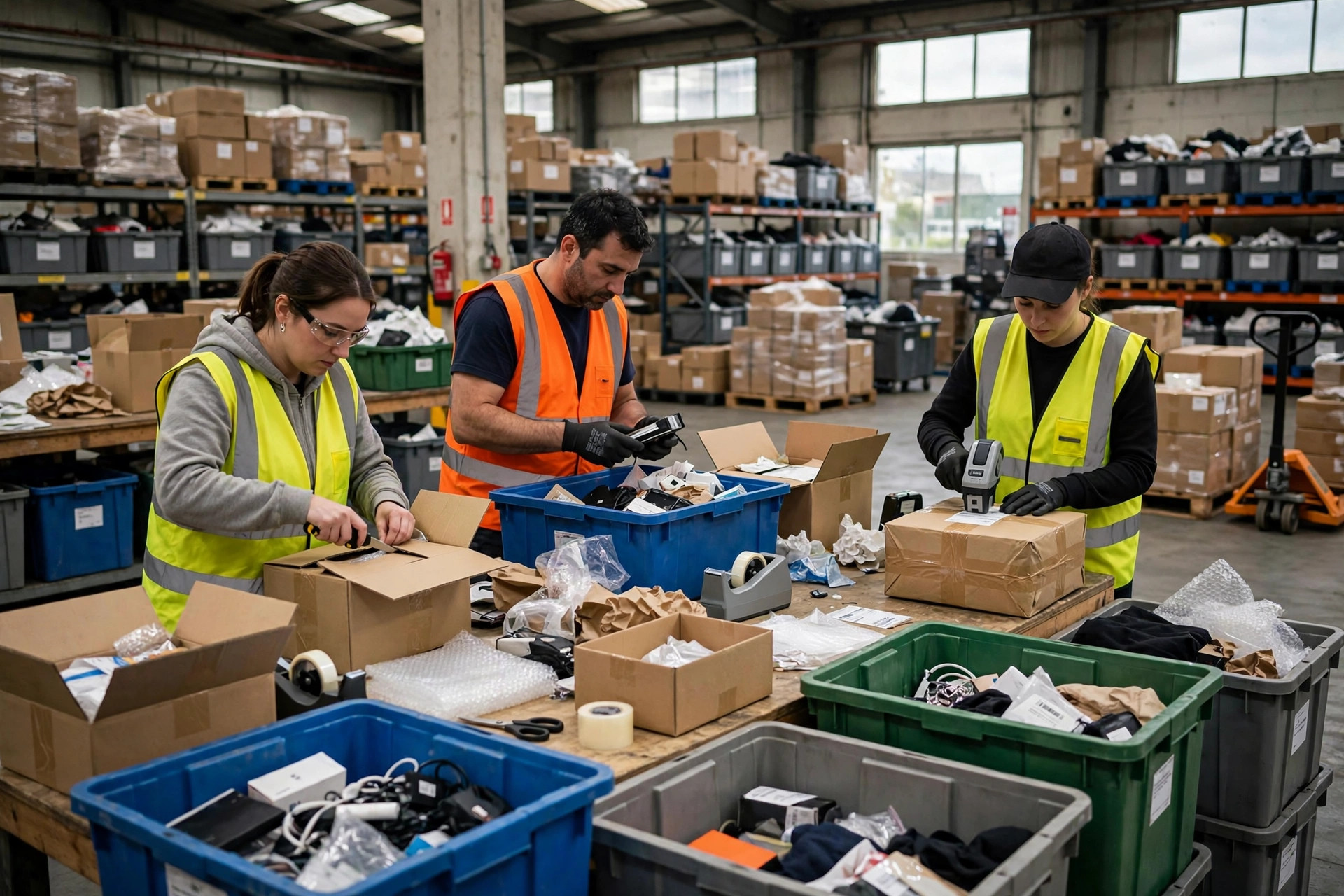
The third option is inland distribution, and it plays by entirely different rules. Move inland from Luanda and warehouse conditions change completely: in some places even reliable forklift repair is hard to find, and rainy-season road conditions turn delivery time from a date into a range. Why would anyone bother? Because once an inland customer relationship is established, competition is thin and price tolerance is high. We have an agricultural-machinery parts client who set up a small inland distribution point in 2023. The first six months were almost dead quiet. Once he got through that stretch, repair workshops across several provinces were ordering from him, and repeat business became as steady as a subscription.
For inland distribution, contract terms matter ten times more than rent. Settle in advance who bears loss and damage on the last mile, fix the stock-count cycle in writing, and put replenishment triggers into the agreement — cargo spending an extra week on the road is normal, so safety stock cannot be calculated at Luanda's pace. And one piece of vendor-side honesty: do not sign a long lease for an inland point on day one. Sign short, run two quarters, verify the real delivery cycle and the real payment rhythm of your customers, and only then talk about renewal and expansion. Half a percent saved on rent is worth less than a credible exit clause.
One more thing clients routinely underestimate: inland distribution is less about the building than about the local people working with you. A dependable local partner who watches pickups, checks goods, and handles exceptions is usually far cheaper than stationing your own staff there. Price that partner's fee as its own line item, not buried inside rent, or the day something goes wrong you will both argue about whose responsibility it was. Payment rhythm needs the same attention: inland customers often pay on a different cycle from city buyers, so put payment terms, overdue handling, and reconciliation into the contract before the first shipment, not after the first dispute.
Next Time You Negotiate, Ask These Three Questions
Our appliance client from the opening story ended up splitting the problem. He kept a small transit warehouse near the port for urgent and peak-season cargo, rented a main suburban warehouse for regular storage and bulk distribution, and tested inland demand through a shared slot with a partner before committing to anything. Three separate contracts, each negotiated on its own terms, and his total cost came in below what he had been paying to stubbornly hold one port warehouse.
So next time you negotiate, ask these three questions. First, are the charges beyond the quotation capped, and who pays for overtime and rush work? Second, when peak season fills the building or demand shifts, can I expand, can I exit, and what does either move cost? Third, does the contract say anything about compensation or adjustment when delivery and waiting times swing? In the Luanda warehouse market, those three questions are the difference between a quotation you understand and a budget that gets quietly eaten, one "charged as incurred" line at a time. The cheapest warehouse is rarely the one with the lowest rent on page one. It is the one whose full cost you actually saw before you signed.
By Susan, 3PL Sales Director