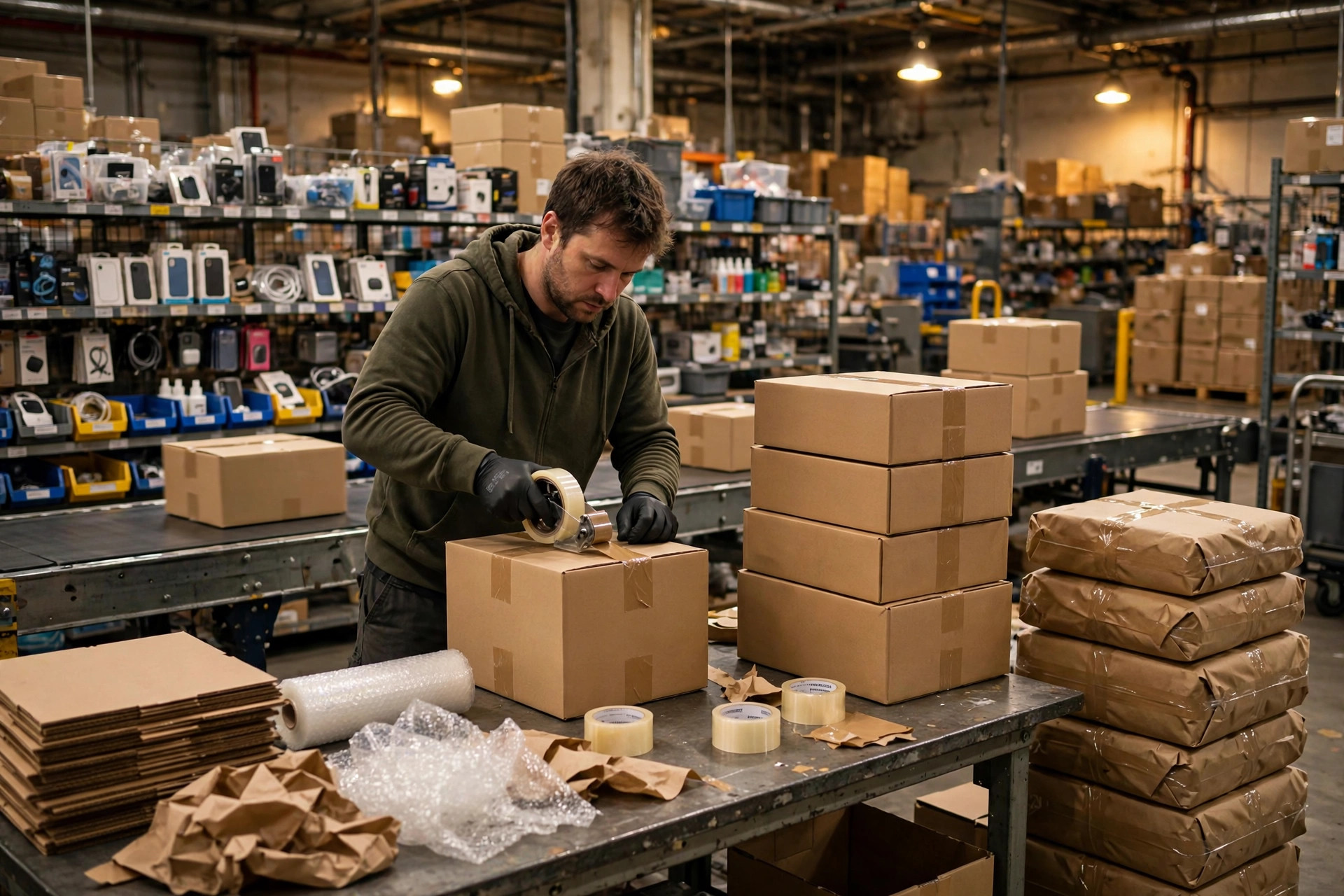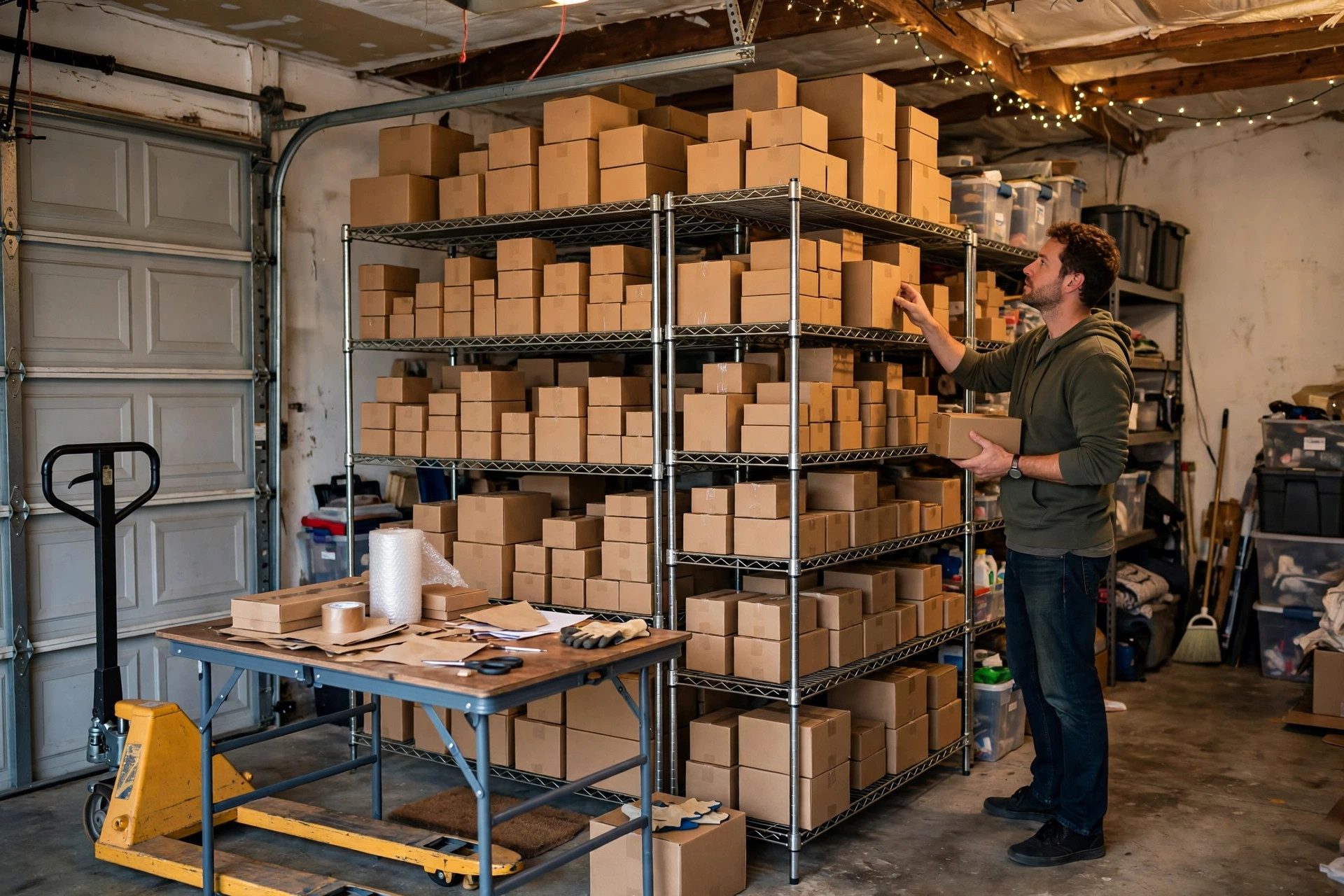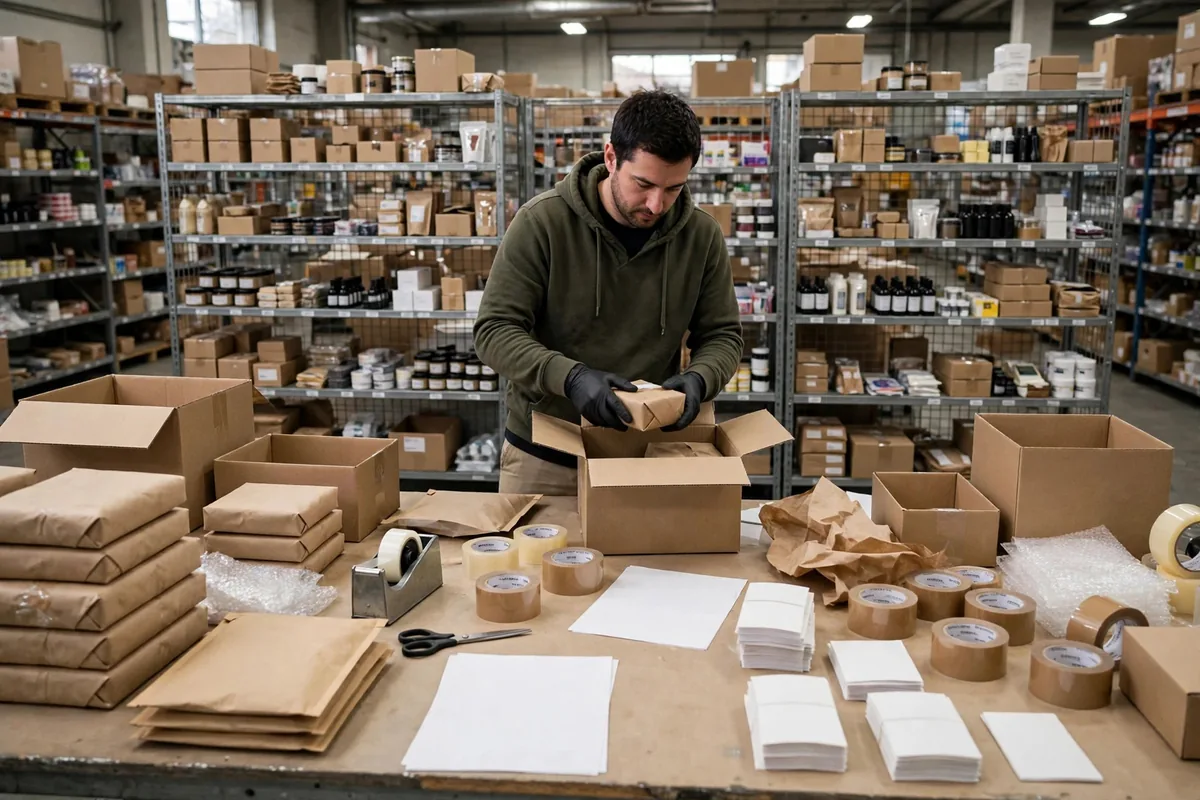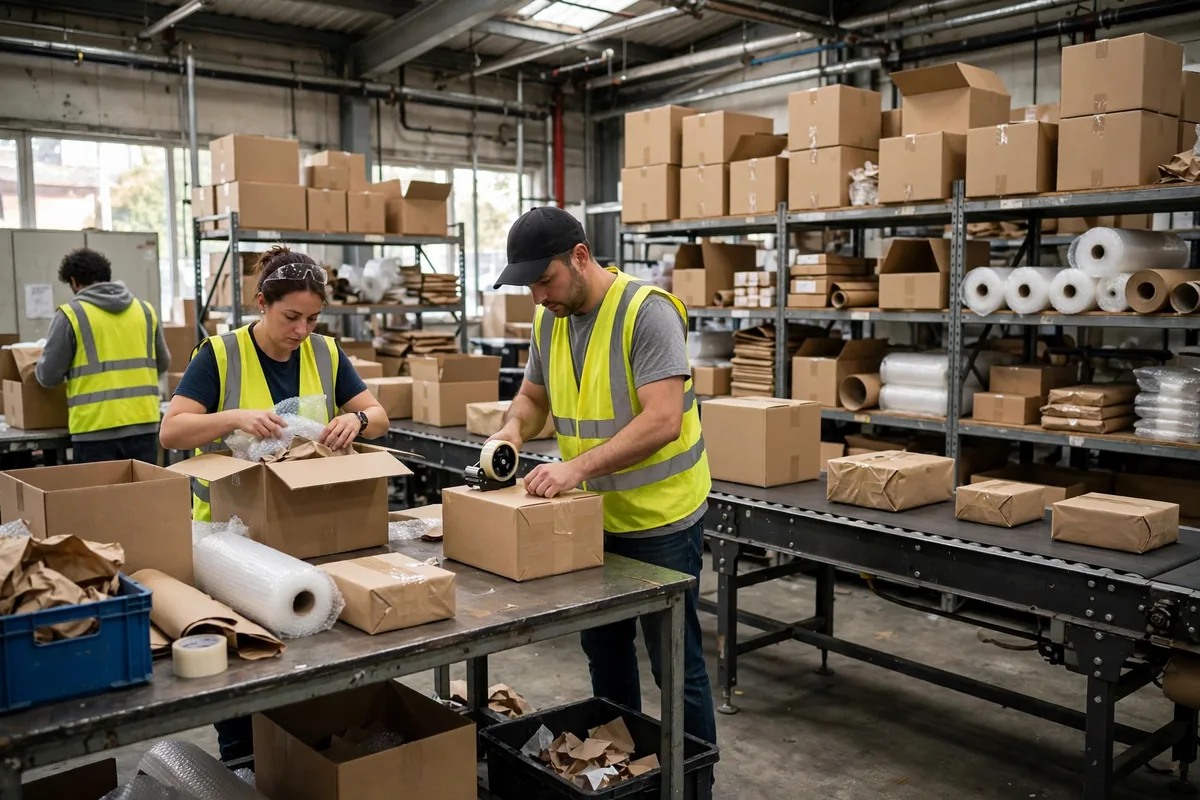
Lazada seller warehouse fulfillment is a bill my little warehouse simply cannot afford to get wrong. Let me start with the awkward truth: my warehouse is 3,000 square meters, six people, and when peak season hits, orders double, hands run short, shelves run short, and the packing bench turns into a queue. The big warehouse next door talks about automated sorting lines, and I laugh when I hear the quote, because one of those lines costs about three years of my payroll. We small warehouses cannot burn money like that. We have our own way of surviving, and our way is to stop copying the big players and squeeze every drop out of the cheap tricks we already have.
I paid tuition for this lesson too. In my first year, I pushed all my best sellers into an overseas warehouse before a big sale, thinking that being close to buyers meant fast delivery and better conversion. The sale ended, the slow stock sat in the overseas warehouse for three months, storage fees kept coming, sending it back cost a fortune, and I only cleared it with a deep discount. That was when I understood that fulfillment is not about how fast you ship. It is about how many days your money sits on a shelf being nibbled away.
Lazada Seller Warehouse Fulfillment: Stop Copying the Big Warehouses
On Lazada, the fulfillment choices in the public playbook come down to two main lines. One is cross-border direct shipping: goods leave a warehouse in China through Lazada Global Shipping, and the platform handles the trunk line and customs. The other is Fulfilled by Lazada, or FBL: sellers send stock into Lazada's local warehouses, and Lazada handles storage, picking, packing, and delivery. Direct shipping is light, with low startup cost, but slower. FBL is faster, buyers trust it more, but storage and fulfillment fees have to fit inside your margin. Fees and policies differ by market, so check the latest official policy before you price anything, and never treat another seller's fee screenshot as your own cost.
My cheap trick is to split shipments by layer. New products and long-tail items go cross-border first, to test demand. Only the items that actually sell get restocked into an overseas warehouse. Best sellers and repeat-purchase items go into FBL, and only in one market at first, until that market works, then I copy the model. Six markets look tempting, but a beginner who spreads everywhere at once slices inventory into six pieces, none of which sells well, and every piece still pays storage. Here is the counterintuitive call: in fulfillment, wider is not better. A small seller who goes deep in one market beats a seller who dips a toe into six.
Case one: in June 2025, a friend selling home storage listed in six markets at once and split the first batch evenly across three overseas warehouses. During the sale, Singapore exploded for two products while Malaysia barely moved, transfers could not keep up, the hot items went out of stock, and the slow items kept paying rent. He later cut back to two markets, concentrated his stock, and his stockout rate actually fell. Case two: in November 2024, ahead of a big sale, my own warehouse sorted best sellers into picking zones by daily volume two weeks early, moved slow stock to the farthest shelves, and kept only best-seller packaging and labels at the packing bench. Over three sale days, six of us shipped about 1,200 orders a day, and our mispick rate came in lower than on a normal day. Those are real dispatch records, not numbers I made up.
Lazada Seller Warehouse Fulfillment and Stocking Rhythm: Do Not Push Everything In Before the Sale
Stocking rhythm is where small warehouses most often fall over. My rule is three tiers: everyday items get two weeks of stock based on average daily sales over the past four weeks, sale items get about 70% of the estimated peak, and seasonal or tail items get one week only, then clearance, no attachment. The stocking sheet updates every Monday. Anything that is not moving gets a price cut that same week, never after the sale when it is too late. Do not push all your stock in before a big sale. Every carton you push in is cash, and cash that does not sell turns into rent.
Time to do the math. The table below is an illustrative example, not a price list.
| Plan (illustrative example) | First batch | Storage pressure | Stockout risk | Best for | | All into overseas warehouse | Large, all at once | High, tail stock hurts | Low | Deep pockets, proven best sellers | | Cross-border test, then restock | Small, in batches | Low | Medium | Beginners, small warehouses, new products | | Overseas plus cross-border mix | Medium, main lines in warehouse | Medium | Low | Sellers with one or two proven winners |
The numbers in that table are built from the shape of my own warehouse, and real fees follow the latest official policy. The conclusion is one line: a small warehouse would rather stock out for a day than let tail stock sit for three months. A stockout costs one day of sales. Tail stock costs three months of rent plus a clearance discount. Work out which is bigger and the answer is obvious.
Returns: A Mess You Can Clean Up With Cheap Tricks Too
Returns are the most grinding part of Southeast Asian e-commerce. Wrong size, color that looks different on screen, an impulse buy, and soon a mountain of returns piles up in the warehouse. Big warehouses have a dedicated returns inspection line. We do not, so we use cheap tricks: every return gets opened the day it arrives and sorted into three piles the same day. Items fit to resell get cleaned and relisted, lightly flawed items go on discount clearance, and dead items get written off and logged. Never let returns pile up until the end of the month. By then you cannot even tell which return belongs to whom.
I also set a small rule: every Friday afternoon, one hour, the whole team does returns only, no new orders. The returns cleared in that hour can start selling again on Monday, while returns left sitting are cash locked in a cardboard box. One more trick: when the same problem keeps showing up in returns, like one shirt running a size small, I add one line of sizing advice to the listing, and that item's returns dropped noticeably the next month. Returns handled well are money saved, not just a cost to bear.
Three Tips for Warehouses Like Mine
Three tips for warehouses like mine, each one paid for with a real mistake. First, price the fulfillment plan on margin before you talk about speed. A plan that ships half a day faster but eats your margin is not a plan. Second, stock in batches: test with cross-border direct shipping, and only move proven items into FBL. Never push everything in at the start. Third, process returns the day they arrive, keep one fixed hour a week to clear the returns mountain, and feed what you learn from returns back into your listings.
Life in a small warehouse looks like this: no big machines, no big team, just careful math, fast hands, and owning your mistakes quickly. A peak-season surge is not scary. What is scary is pushing all your stock in at once and letting returns pile up until your cash is locked on the shelves. Split fulfillment into stocking, delivery, and returns, leave a little slack in each part, and a small warehouse can come through a big sale in good shape. Small warehouses have their own way of surviving.
By Xiao Ma, Small Warehouse Owner