Kumasi urban warehouse distribution looks simple on a map and turns stubborn the moment a truck tries to move. Kumasi sits in central Ghana, at the heart of the Ashanti region, and its market trade gives the city a pull that any small warehouse owner can feel: goods flow toward the crowds, orders cluster around the markets, and every newcomer assumes the winning move is to warehouse as close to the action as possible. I made that assumption too. Then I ran the routes, watched the clock eat my margins, and learned that in this city the last mile rewards the operator who admits what size he really is.
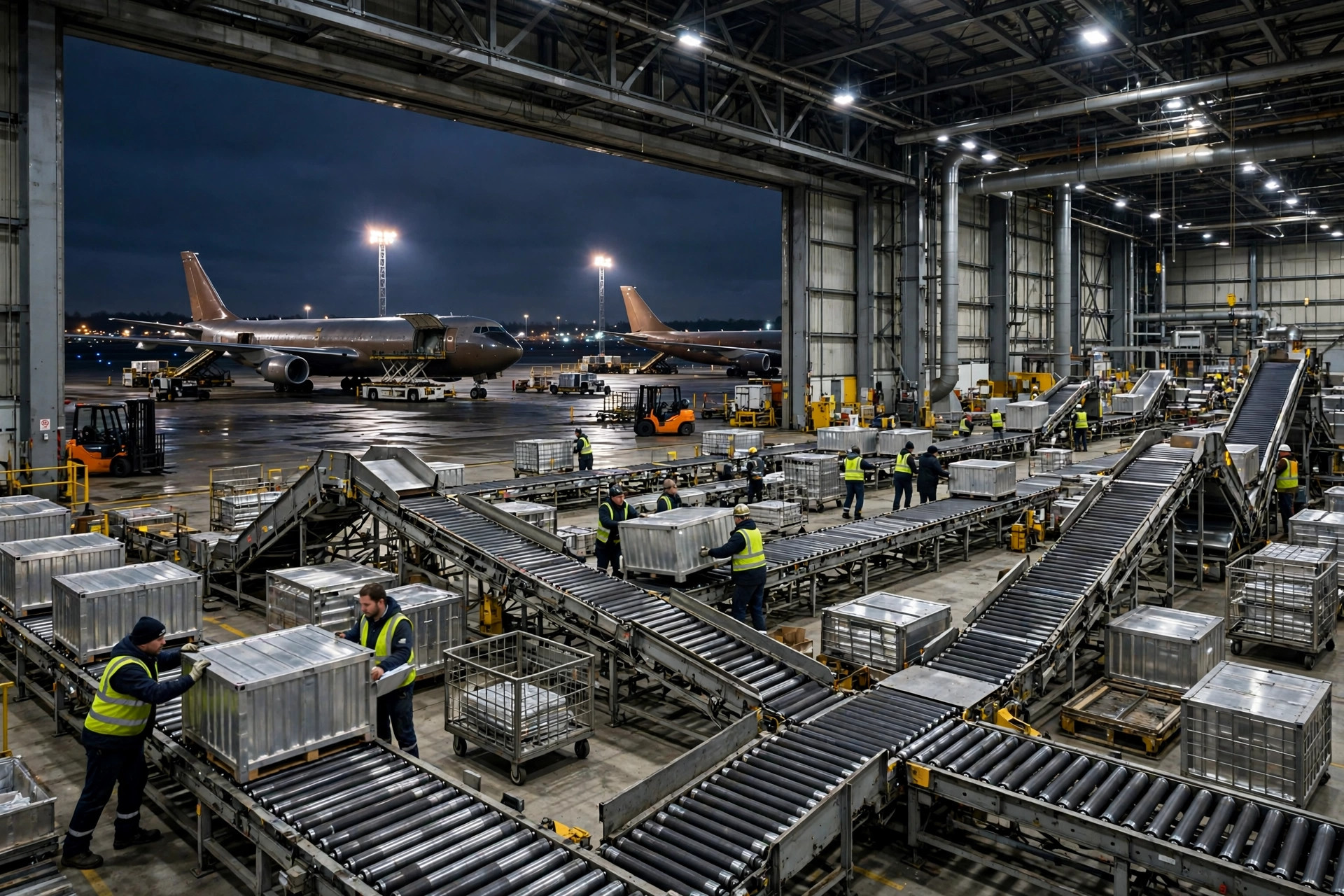
We are a small warehouse. Three thousand square metres back home, a handful of people, a couple of small trucks, and no budget for the big-company playbook. The textbook version says lease a large site downtown, build your own fleet, and manage every parcel through one system. The downtown site is close, yes, but close means nothing when the truck cannot get in and the goods cannot get out.
In Kumasi, Last-Mile Cost Starts With Traffic
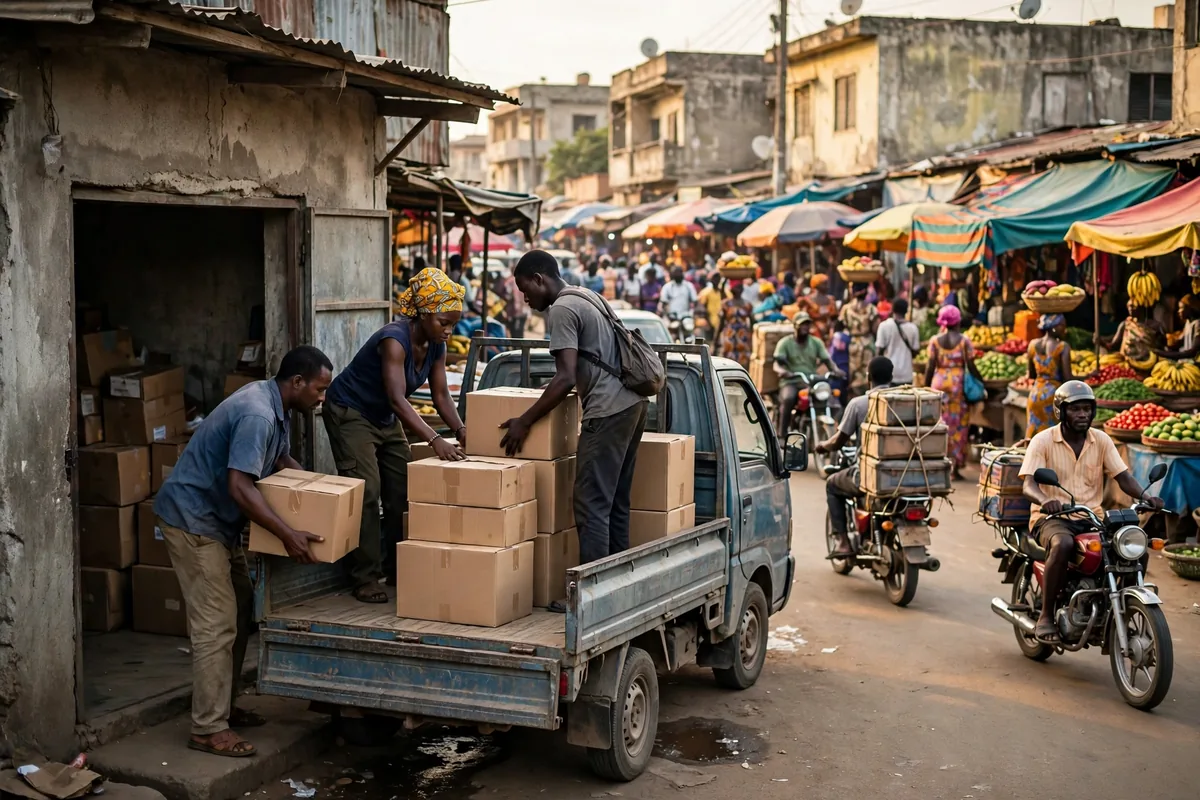
Let me start with a Tuesday that rewired how I think. At 7:30 in the morning, one of our small trucks left a warehouse on the edge of town carrying twelve orders of household goods for shops around the market area. On a quiet road that first drop should have taken about half an hour. That morning the streets near the market were packed with three-wheelers, motorbikes, and small delivery trucks all trying to do the same job at the same time. We reached the first customer at 9:50. The rest dragged on until midday. The truck spent close to four hours on the road and less than one hour actually unloading.
The loss was not mainly fuel, although fuel hurt. The real loss was that the truck and the driver were locked on one route for half a day. That same truck was supposed to run an afternoon round to the suburbs. Instead, that round slipped to the next day, and the customer, quite reasonably, sent a motorbike team to collect his goods himself. We did not lose the freight. We lost his patience.
So we stopped fighting the morning. Now we split dispatch into two waves: one leaves at 6:30 for the urgent market-area orders, while the roads are still moving, and another leaves at 10:30 for the parts of town that are easier to reach. In practice it buys us back a full extra run most days. A small warehouse cannot afford to buy time. It has to dodge it.
The Counterintuitive Fix: A Smaller Cross-Dock Beats a Bigger Warehouse on the Last Mile
Traffic can be dodged, but goods still need somewhere to land. Our first instinct was to lease one big warehouse and be done with it. Then I priced the fixed costs — rent, staff, security, all of it sitting there whether orders came or not — and backed away. Our workaround runs in the opposite direction. The main warehouse stays on the edge of town, where space is affordable and trucks can come and go. Then we rent a tiny cross-dock point toward the market: basically a small shuttered unit that holds only that day's deliveries, with no proper office at all.
The routine is deliberately boring. The night before, the main warehouse sorts the next day's orders by delivery zone and loads them onto one small truck for a single run to the cross-dock. The next morning, motorbikes collect from there and fan out into the market area while the truck never has to squeeze downtown. One rainy afternoon, when the roads were at their worst, three riders cleared more than twenty small orders in just over two hours. If that truck had tried to deliver them one by one, it would probably still have been out after dark.
Small has its own advantages. With little stock in the unit, a stock check is fast and a missing carton is obvious. With few people, the whiteboard says who carries which orders, and a finished run gets crossed off, so there is far less arguing. Here is the part that still surprises people: adding a node cut our cost. The truck now runs one fixed, predictable leg between the warehouse and the cross-dock, so its fuel and time are controllable, while motorbikes handle only the final few kilometres, where they are flexible and cheap. We used to believe fewer nodes meant simpler and cheaper. For a small operator, the real simplicity is giving the expensive road to the cheap vehicle.
In-House, Outsourced, or Cross-Dock? A Small Operator's Table
This table is not an industry benchmark. It is my own bookkeeping, the way a small warehouse owner actually decides. Same goods, three ways of moving them, and the difference is always who absorbs the cost of traffic and waiting.
| Option | Best for | Where the money goes | Biggest trap |
|---|---|---|---|
| Own small truck, door to door | Large suburban orders, full loads | Fuel, driver wages, vehicle wear | One jam traps the whole truck |
| Edge cross-dock plus motorbike relay | Many small orders near the markets | Cross-dock rent, per-order rider fees | A wrong pick at the cross-dock cannot be fixed that day |
| Fully outsourced to a local fleet | Days when volume spikes suddenly | Per-order fees, no fixed cost | In peak season the fleet serves big clients first |
My own mix is the middle option on ordinary days, the truck for large suburban loads, and outsourcing only as a top-up when volume jumps. Outsourcing is not the enemy. It is simply not something to bet the business on. A local fleet will look after its big clients first in peak season, and that is fair enough — they have to survive too. A small warehouse should keep the steadiest work in its own hands and let the market absorb the swings.
There is another trade-off people dislike hearing: some orders are better refused. A delivery deep inside the market, two or three pieces, with a shopkeeper who needs to count everything slowly before signing, can easily cost more to deliver than the delivery fee covers. I used to accept everything because I feared losing customers, and the more I delivered, the more I lost. Now I am honest about it: come and collect from the cross-dock and I will have it ready, or let me combine three orders and bring them together. Most customers understand. They are running their own sums too.
What I Would Tell Another Small Warehouse About Kumasi Last-Mile Delivery
First, change your departure time before you change your route. In a city where market trade sets the rhythm, the morning peak belongs to people bringing goods in. Insisting on pushing your truck through at the same hour only burns your own day. Split dispatch, send the urgent orders early, send the easy ones later, and your trucks and people will turn one more round.
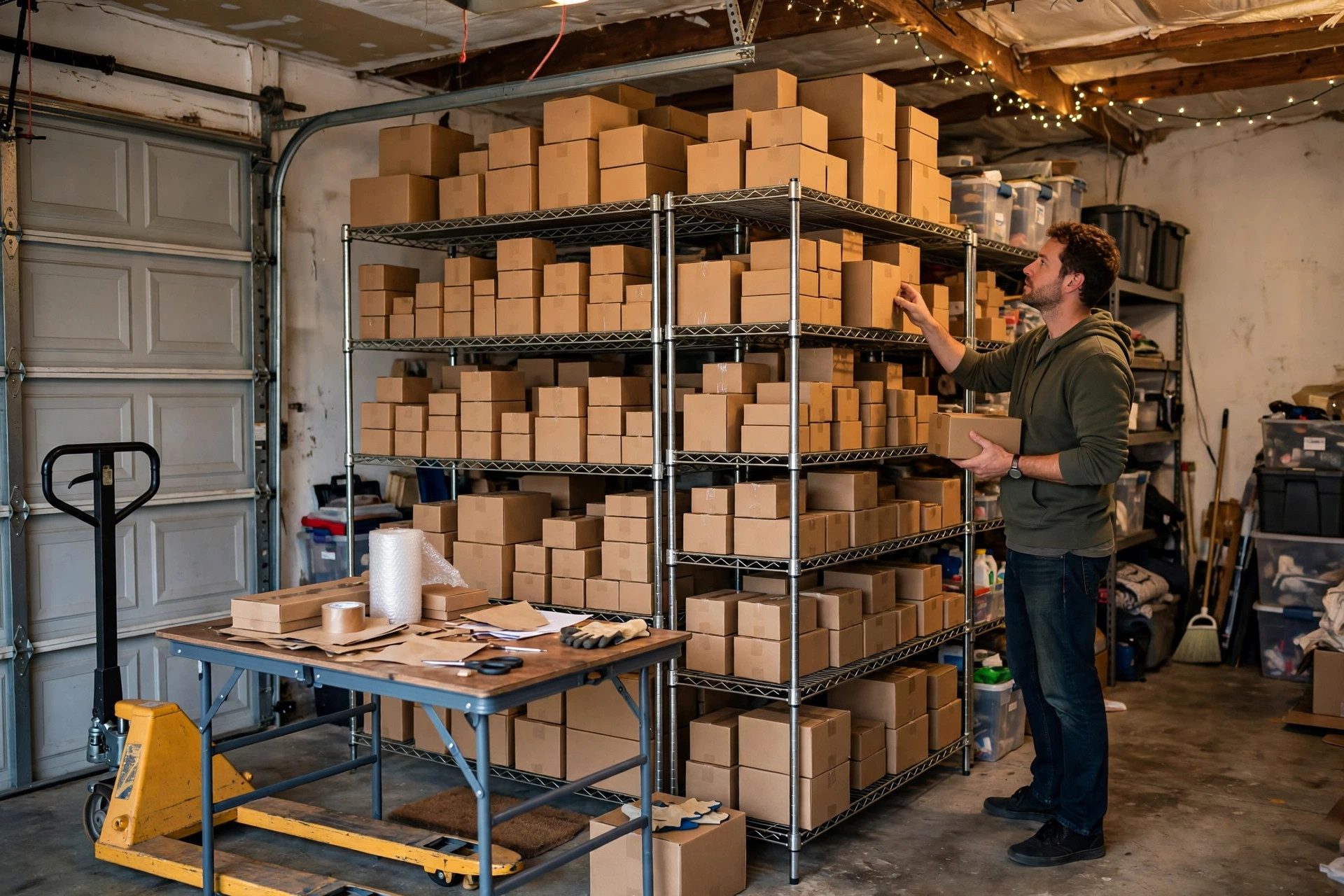
Second, keep the cross-dock small until volume proves otherwise. Ours started without proper racking; goods were simply stacked on the floor by zone, and it still worked. Add racking and people only after the volume holds steady. Lease big and staff up first, and a dip in orders will kill you before the market ever gets the chance.
Third, cost every order, not every month. By the time the monthly accounts show a loss, the loss has already happened and you cannot trace it back to the order that caused it. We now log each delivery: departure time, arrival time, how long traffic held us, truck or motorbike. One review a week shows which kind of order earns money and which kind quietly subsidises the rest. The data does not need to be fancy. It only needs to be enough to plan next week's routes.
I will admit the limits of what I know here. My Kumasi is the delivery-side Kumasi: busy markets, narrow streets, and motorbikes that beat trucks where it matters. I am still learning the rest. But one thing is already clear to me. A small warehouse does not come to a city like this to outbuild the big companies. It comes to outcount them on the small numbers, and to find workarounds that get the last mile done. A warehouse in the centre is no use if the truck cannot reach it. A cross-dock that looks too small is a good one if it puts the goods in the customer's hands on time.
Small warehouses have their own way of surviving, and in Kumasi that way starts with an honest delivery bill.
By Xiao Ma, Small Warehouse Owner