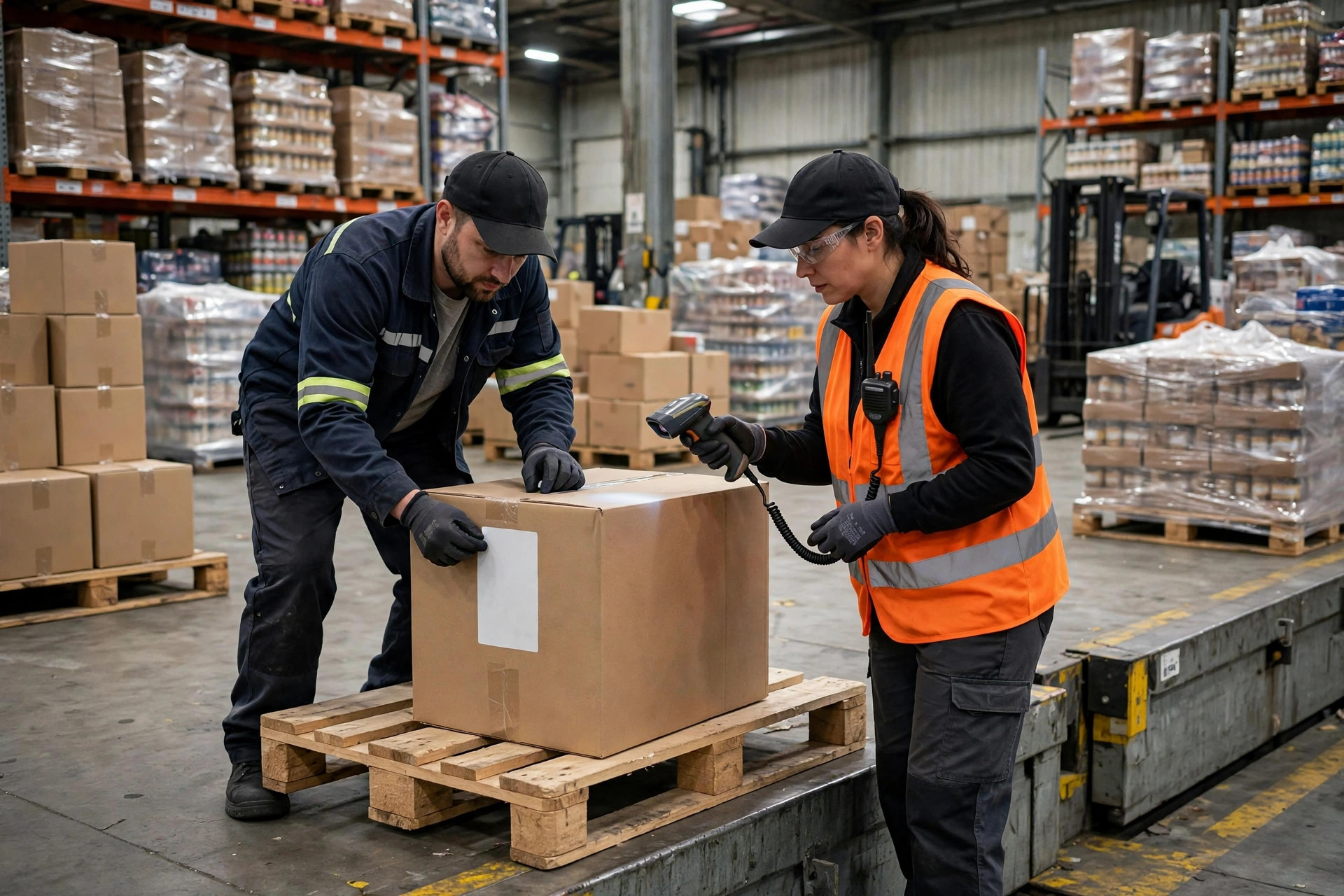
It was 7:40 on a Monday morning. I hadn't even set my coffee down when Ray, our cycle count lead, showed up at my office door looking grim.
"Boss, that hot SKU in Zone A is off again. System says 214. We counted the slot three times — 186. Twenty-eight units short."
"We just counted it last Tuesday."
"Yeah. It matched then."
Listen — if you run a warehouse, you've had this exact conversation. Here's what years on the floor taught me about inventory discrepancy root causes: most have nothing to do with the counting itself. Counting only discovers a discrepancy; the discrepancy was born long before anyone started counting.
The uncomfortable truth: counting is a thermometer, not medicine
A thermometer tells you the number but doesn't bring the fever down. Counting works the same way — count more often and all you've done is discover the mess faster. The root problem hasn't moved an inch.
We've been down this road. One year variances got ugly, so management called it: monthly counts became weekly, hot SKUs daily. The count team nearly mutinied, overtime piled up — and months later the variance rate hadn't budged.
That's when it clicked: take half the counting budget and plug the source instead — you'll get further than more counts ever will. It's a trade-off. Do you want to spend money finding problems, or spend money creating fewer of them? We picked the second one.
The five below are ones my building earned the hard way — how each showed up, what we tried, what stuck. No theory, just what we do now.
The 5 inventory discrepancy root causes start before anyone counts
1. Receiving: this is where the books start lying
Peak season, November two years back. Night shift. A truck rolls in with 40 pallets, and the driver's leaning on the horn — two more trucks queued behind him. Our receiver copied the quantities off the bill of lading, signed, and called the load "complete."
Three months later, one SKU showed 12 extra units on the books. We traced it back: the BOL said 120 units, the pallet held 108 — a full layer short. Nobody peeled the stretch wrap. Those 12 ghost units lived on our books from that night on.
How does it happen? Simple: receiving copies numbers off paperwork instead of verifying the freight. Short night crew, driver pressure, a jammed dock — signing is always faster than counting.
What we tried: two-person verification — couldn't staff it at night. Counting every carton — drivers waiting two extra hours, dock gridlocked. Neither survived reality.
What stuck: full pallets are received by the pallet, but we spot-check the layer count — peel the top layer, count per layer, multiply. Broken-case freight gets scan-counted, every unit. Variances go on the receiving document on the spot, driver signs off. No after-the-fact edits, ever — whoever edits later owns it.
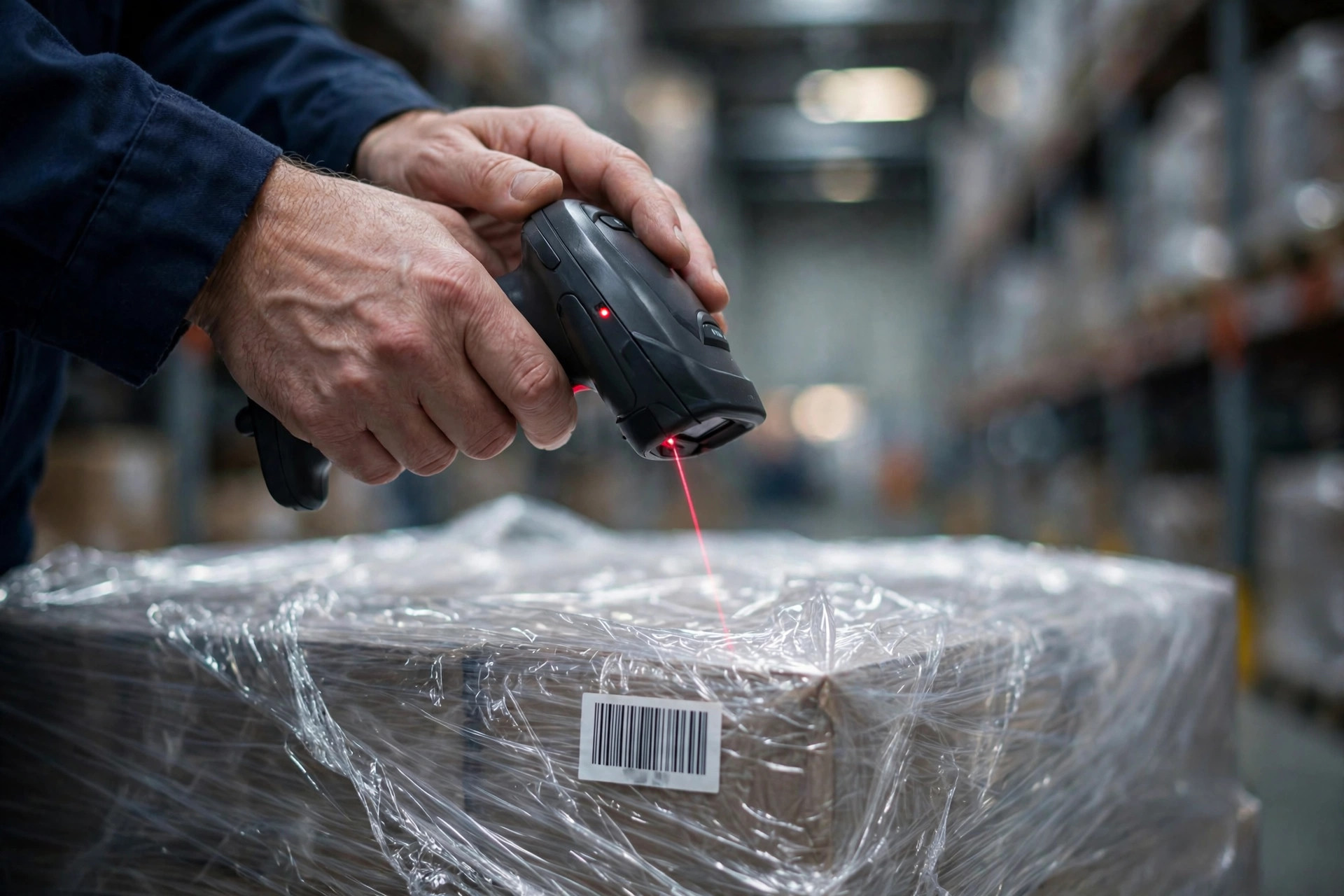
2. Putaway in the wrong slot: the system address becomes a fake address
We had a veteran putaway associate — fast hands, hated hassle. One day he dropped a full pallet into a convenient empty slot and skipped the scan confirmation. The system still pointed at the original slot. Counters went to the system location and found air. On the books: in stock. In reality: gone.
Worse, it's contagious: the next picker can't find the product, grabs a lookalike from the next slot, and the books get messier.
We tried the shift-meeting lecture: "Everyone must scan on putaway!" It worked for three days. You can't beat human nature with a pep talk — you beat it with a process that won't bend.
What stuck: a two-step confirm — arrive at the slot, scan it, then place the freight. System location and physical freight land in the same motion. Wrong slot? It doesn't get quietly slid back — it goes through a formal move transaction with a system trail. High-velocity SKUs get color-coded slot labels readable from across the aisle.
3. Picking the wrong unit — or too many: peak season's favorite
Peak-season night shift. Two SKUs in near-identical brown cartons, similar size, adjacent slots. A picker rushing orders grabs the wrong one. The system deducts from SKU A; the units that actually left were SKU B. Next count: A shows a surplus, B shows a shortage — a matched pair.
Here's the thing: a matched surplus-shortage pair almost never means theft or loss — somebody grabbed the wrong carton. Before adjusting anything, pull the pick records for those two SKUs. Nine times out of ten they reconcile. That's our count team's reflex now.
What we tried: telling pickers to "be more careful" — worthless when people are tired. Separating lookalikes entirely — ran out of slots.
What stuck: lookalike SKUs zoned apart with at least one aisle between them; warning-colored slot labels; scan verification on every pick, mismatches fixed on the spot. Before each peak, the worst-variance SKUs move to visible, easy slots. Fill the potholes before the rush.
4. System lag and lost interface data: the books get lost "in transit"
After last year's peak push, the system showed hundreds of units we didn't have. It took a full day to find it: a batch of ship confirmations never made it back from the sales platform. The goods were long gone; the WMS never got the message, so the books kept showing "in stock."
This is the most maddening kind: nothing on the floor is wrong — the data got lost on the road. Count a hundred times and you'll never find it; the problem was never inside the building.
We tried manual reconciliation — two people, one afternoon, bleary eyes. Treats the symptom, not the disease.
What stuck: automated daily reconciliation between the WMS and every connected system, focused on outbound orders and confirmation status. Missed confirmations past a threshold alert my phone directly. One hard rule: key documents can't close until the confirmation comes back. The books follow the freight — never the assumption.
5. Returns and damaged goods: the invisible inventory on your books
Returns sit in the returns area for three days — still booked as good stock. Damaged units lean against a column — still on the books as inventory. Come count day, it's all variance. Returns and damage are the most underestimated slice of this whole problem.
Why it happens: a return needs inspection, disposition, restocking — a long chain nobody volunteers for. Delay it, and the books detach from reality.
What stuck: a 24-hour closed loop — inspect, disposition, good units back to a slot, damaged units to the damage cage, no skipped steps. Damaged goods get their own location and ledger — never mixed with good stock. The returns area hits zero before end of shift; anything left, the supervisor explains why in the group chat. After we enforced this, returns-related variance fell by more than half.
Inventory discrepancy root cause checklist: run this before your next recount
| Root cause | Typical symptom | Check this first | What stuck in our building |
|---|---|---|---|
| Receiving over/under count | One SKU chronically over or short by a fixed amount | Receiving records and BOLs from recent months | Spot-check layer counts on full pallets, scan-count broken cases, log variances on the spot — no late edits |
| Putaway in the wrong slot | System slot is empty, freight sits elsewhere | Putaway records — look for unconfirmed scans | Scan-then-place two-step confirm; wrong slots go through a formal move with a trail |
| Picking errors | Matched surplus-shortage pairs | That day's pick records for the problem SKUs | Zone lookalikes apart, warning-colored slot labels, scan-verify every pick |
| System lag / lost interface data | Books show stock the building doesn't have | Outbound confirmation status and interface logs | Automated daily reconciliation, phone alert past threshold, no close without confirmation |
| Sloppy returns and damage handling | Backlog in the returns area, no separate damage ledger | Days of returns backlog and the damage log | 24-hour returns closed loop, separate location and ledger for damage, returns area to zero daily |
This checklist hangs on our count team's wall. Numbers don't match? Don't call a meeting — run the list. Most problems surface by step three.
A reminder for fellow operators
Next time the books don't match the floor, skip the recount meeting and don't blame the counters. Spend ten minutes on the receiving dock — watch for anyone signing without peeling the wrap. Glance at the returns area — three days of backlog is a hole in your books. Then move half your counting budget to the source: receiving and putaway.
The counters don't own this problem. It was buried long before they started counting.
By Chen Feng, Warehouse Operations Manager