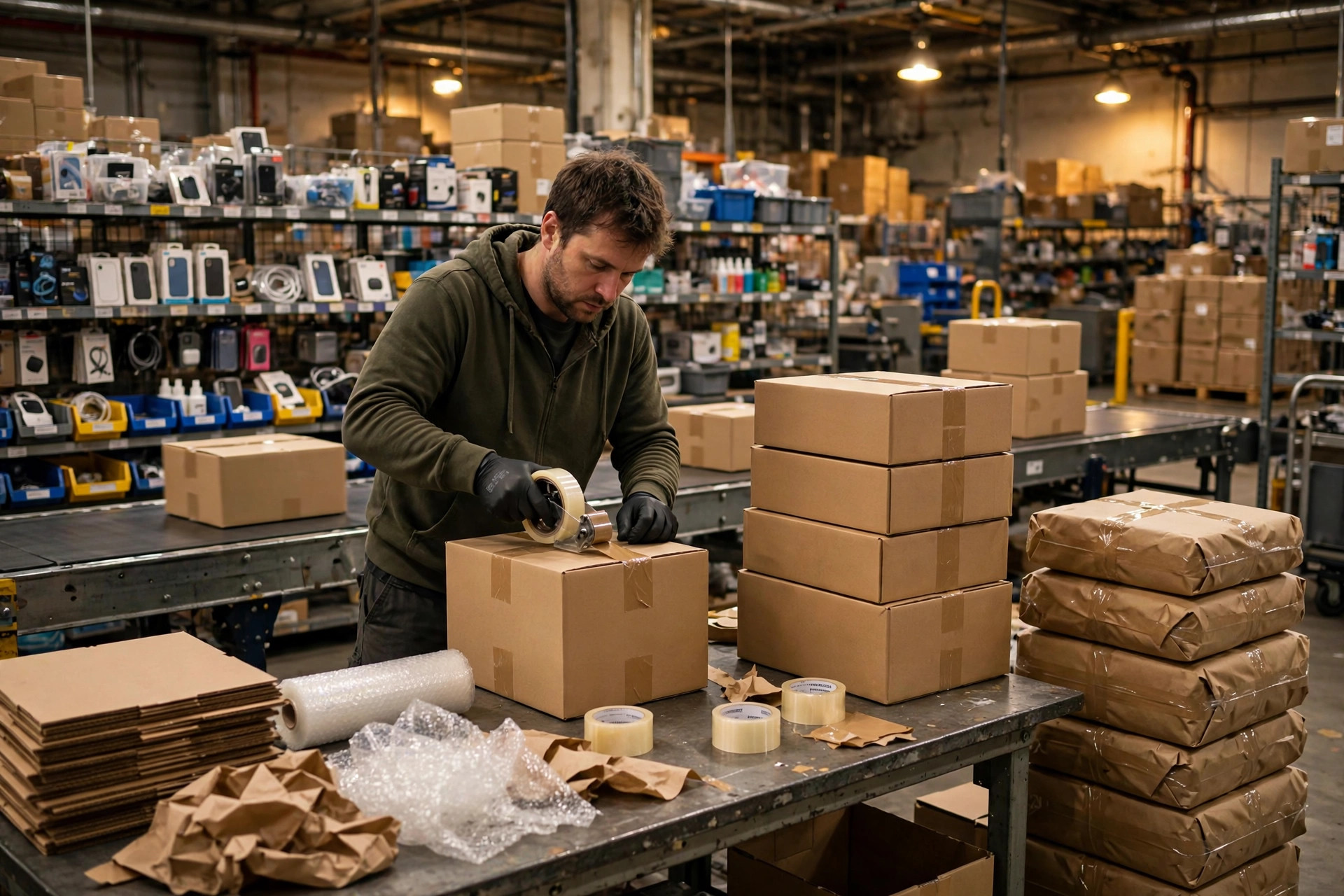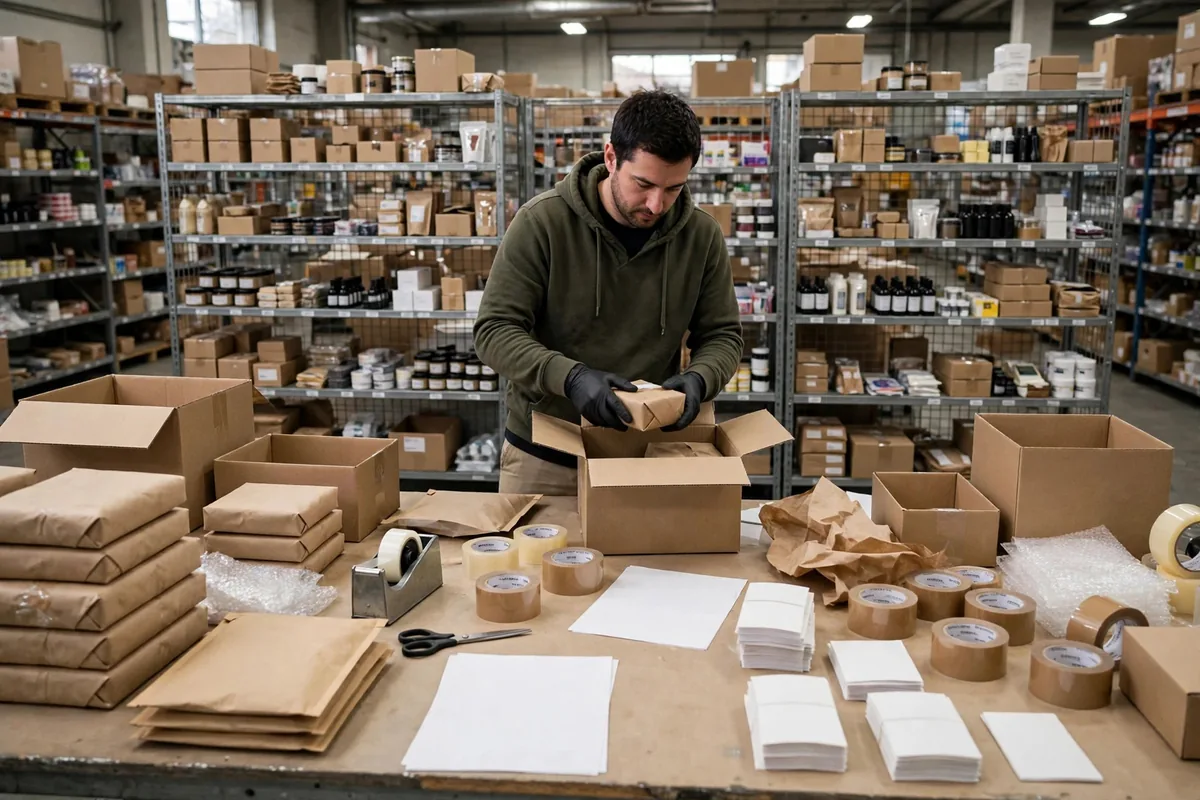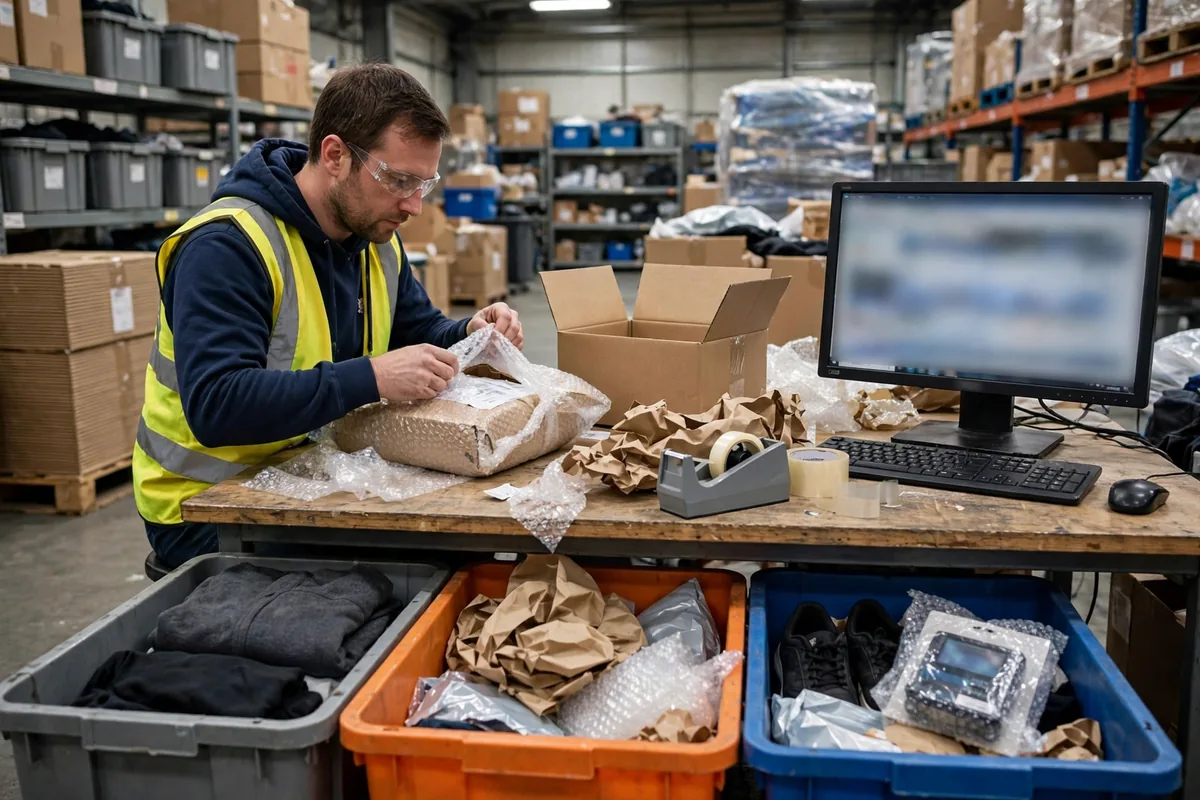
Honestly, the independent site seller US returns warehouse thing is something I ignored for my whole first year. On an independent site there is no platform returns system to hide behind. You have to fill in the returns address yourself. Write a China address and the buyer sees return shipping that costs more than the product, so they leave a bad review instead. Write a friend's home address and returns pile up in a living room, nobody inspects them, nobody relists them, and the stock is basically thrown away. That was my first year. My return rate did not look terrible, just over one in ten orders, but every single return felt like money coming straight out of my pocket, and all my time went into chasing them.
The turning point came last summer. One home product of mine suddenly took off, jumping from forty or fifty orders a day to more than two hundred. Returns doubled with it. For two weeks I started every morning with return emails, then dug through returned parcels by hand. Half of them were perfectly fine. People had just ordered the wrong size or color, and the product could have been sold again. But I had no real returns process, so those parcels sat at my friend's place for two months. By the time I sorted them, the packaging was crushed and I had to clear them at a discount. That month, returns ate nearly twenty percent of my gross margin. After that, I decided to treat the returns address as a real part of the business, not an afterthought.
The independent site seller US returns warehouse problem starts with the address
Here is the hard part for independent sellers: platform sellers get a platform returns system, we do not. We decide where returns go, who receives them, who inspects them, and where inspected stock goes next. A lot of new sellers pick the China address because it looks free. That math is wrong. A US buyer shipping back to China often pays more than the product is worth, so they either do not ship it and leave a bad review, or they ship it and ask you to reimburse the freight, so you pay anyway. Worse, the parcel takes a month on the road, and by the time it arrives, reselling it is often unrealistic. It is basically a write-off.
A friend who sells pet supplies learned this the painful way. His average order was just over thirty dollars, with a return rate around eight percent. After he used a China address, fewer than half of returns actually came back. The rest turned into bad reviews and refund disputes. He told me later that returns did not just cost him freight, they cost him store rating and ad conversion, and rebuilding those costs far more than return freight ever did. I agree completely. Pick the wrong returns address and you damage the whole store, not just one order.
Independent site seller US returns warehouse: three routes I actually tried
I have tried all three routes, and I have run the numbers on each. The first is shipping back to China. It only makes sense for very high-priced products with a very low return rate, where the item is valuable enough to justify a month-long round trip. The second is renting a local US returns warehouse that receives returns, opens and inspects them, relists what can be sold again, and batches the rest for disposal. It is fast and buyers like it, but you pay storage and handling fees. The third is a 3PL returns desk, where you pay per order and do not rent a warehouse yourself. It is the most flexible option, and it fits sellers whose volume is not stable yet.
| Returns route | Freight and turnaround | Inspection and resale | Best for |
|---|---|---|---|
| Ship back to China | Expensive for the buyer, more than a month | Hard to resell on arrival | High price, extremely low returns |
| Local US returns warehouse | Local freight, handled in days | Fast inspection, more items relisted | Steady return volume, protecting ratings |
| 3PL returns desk | Pay per order, no fixed rent | Inspected to your rules, with photos | Unstable volume, early-stage sellers |
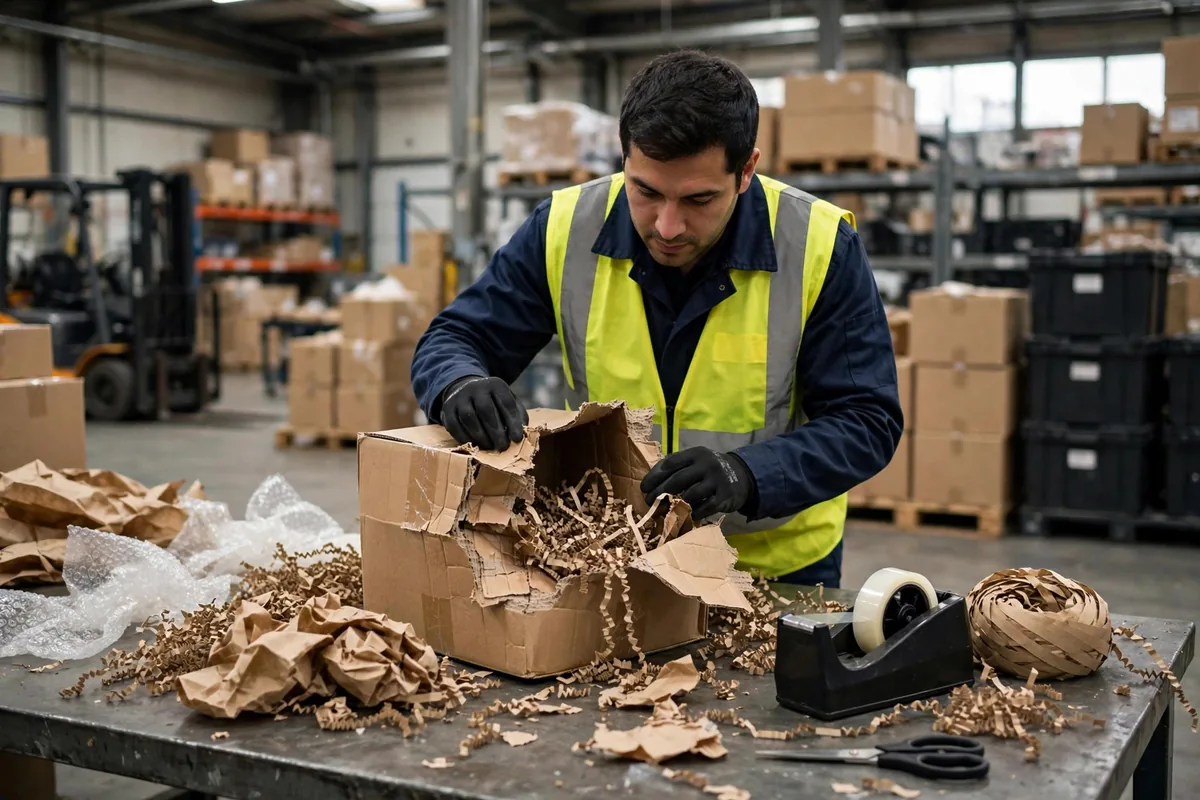
My first month with a local returns warehouse taught me another lesson, and it was an ugly one. I wrote the inspection standard too loosely at first, basically relisting anything that looked sellable. A few of those relisted orders came back again because buyers found opened packaging, so one item traveled three times and the freight plus handling cost more than a new item. After that I switched to three grades: perfect packaging goes straight back to sale, lightly dented packaging gets repacked before sale, and anything with signs of use goes straight to disposal and never gets sold again. Once the standard tightened, the return rate on relisted items dropped immediately, and customer service stopped apologizing for the same item twice. A returns warehouse is not just a receiving address. The inspection standard is where the money is made or lost.
My own setup now is a mix. Main products go through the local returns warehouse because the volume is large enough that the per-order handling cost beats doing it myself. New products and small batches go through the 3PL returns desk, pay per order, and I can stop anytime without being trapped by fixed fees. Shipping back to China is reserved for a few high-priced custom items, only a handful a year. In real numbers from my own store, not an industry benchmark, the share of returns that could be resold rose from under thirty percent to more than sixty percent after local handling, refund processing fell from over a week to two or three days, and complaints about difficult returns in reviews almost disappeared. Every store is different, so do not copy my numbers directly. Run your own.
Choosing your independent site seller US returns warehouse by price and return rate
The choice really comes down to two numbers: average order value and return rate. Low price and low return rate mean returns cannot support a fixed fee, so start with a pay-per-order 3PL desk and get the process running smoothly. Medium price with a return rate above ten percent, or a clear sign that returns are dragging down your rating, is when a local returns warehouse deserves serious thought. The fixed fee looks scary, but higher resale rates and fewer bad reviews often make the math positive. High price and very low return rate can justify shipping back to China, but only if you tell buyers upfront about the timeline and freight rules, so nobody expects a three-day return.
Here is a counterintuitive point I learned the hard way: handling returns faster actually saves money. Many sellers think dragging things out will reduce returns. In practice, buyers who wait too long escalate to disputes and bad reviews, and those cost more to handle than a quick refund. My rule now is that every returned parcel must be inspected within two working days of delivery. Items that can be resold go back to sale the same day, and items that cannot are photographed, logged, and sent to disposal the same day. That pace felt tiring at first, but once it became routine, customer service spent far less time on return disputes.
One last pitfall, and I stepped right into it: before you sign a returns warehouse or a 3PL, get three things in writing. First, who sets the inspection standard, and can they photograph items to your rules. Second, how are unsellable items handled, returned, destroyed, or donated, and who pays for it. Third, does the data sync into your store system promptly, or do you get a monthly report that never reconciles. If those three points are vague in the contract, the later arguments will cost more than the rent. This trick actually worked for me: run a small batch for one month, calculate the real returns numbers, and only then commit long term. Do not sign a year upfront.
By Ah K, E-commerce Seller (5 yrs)