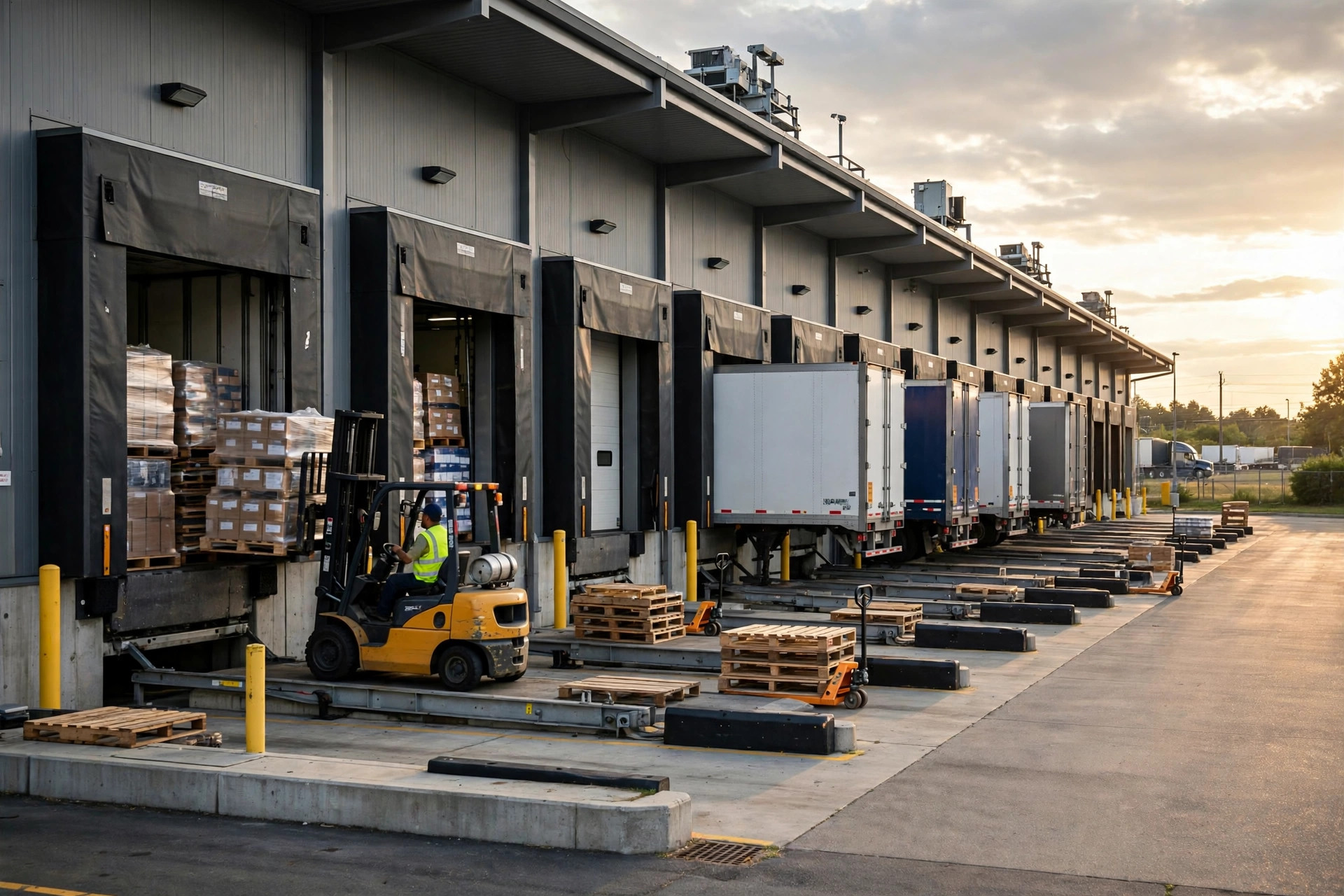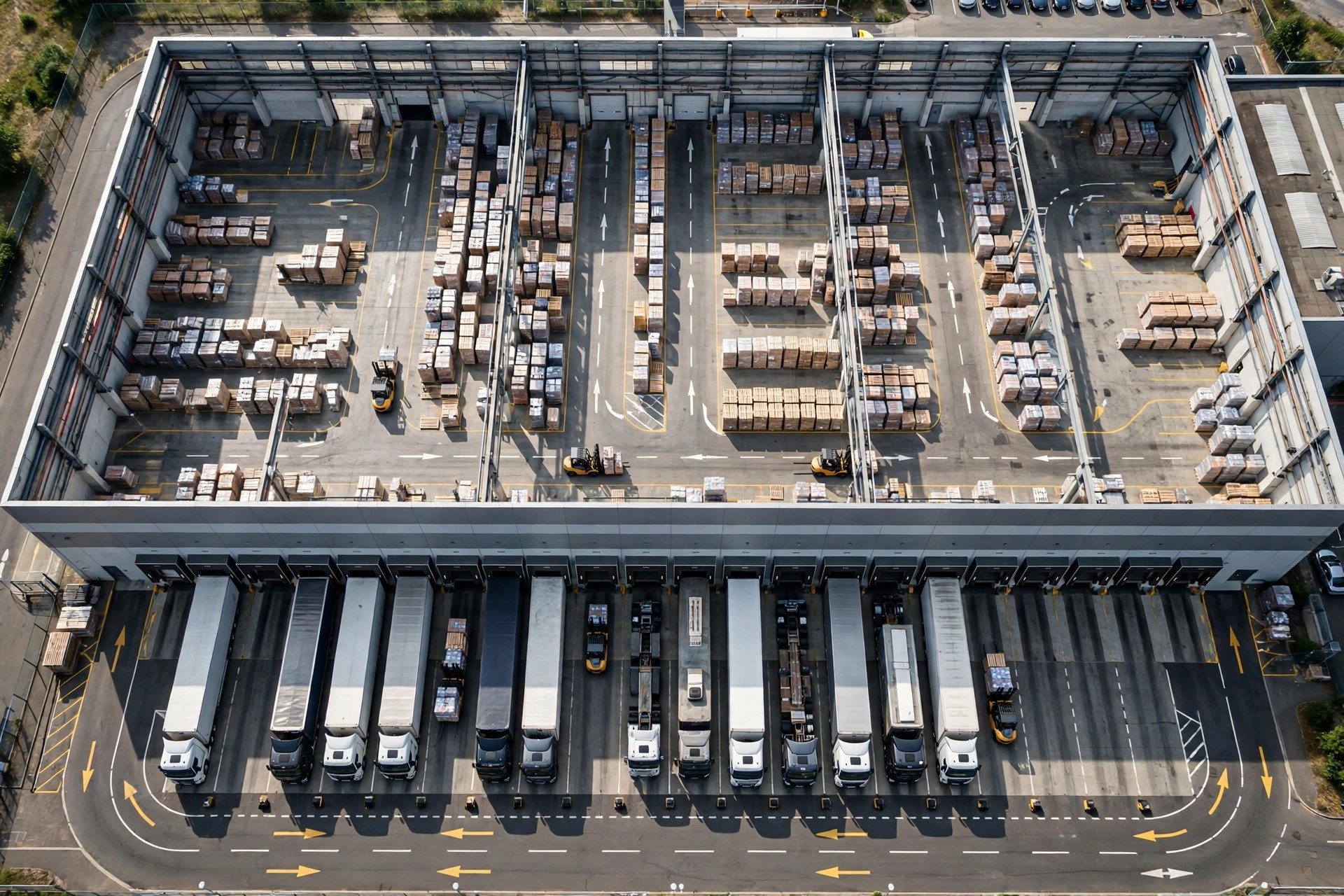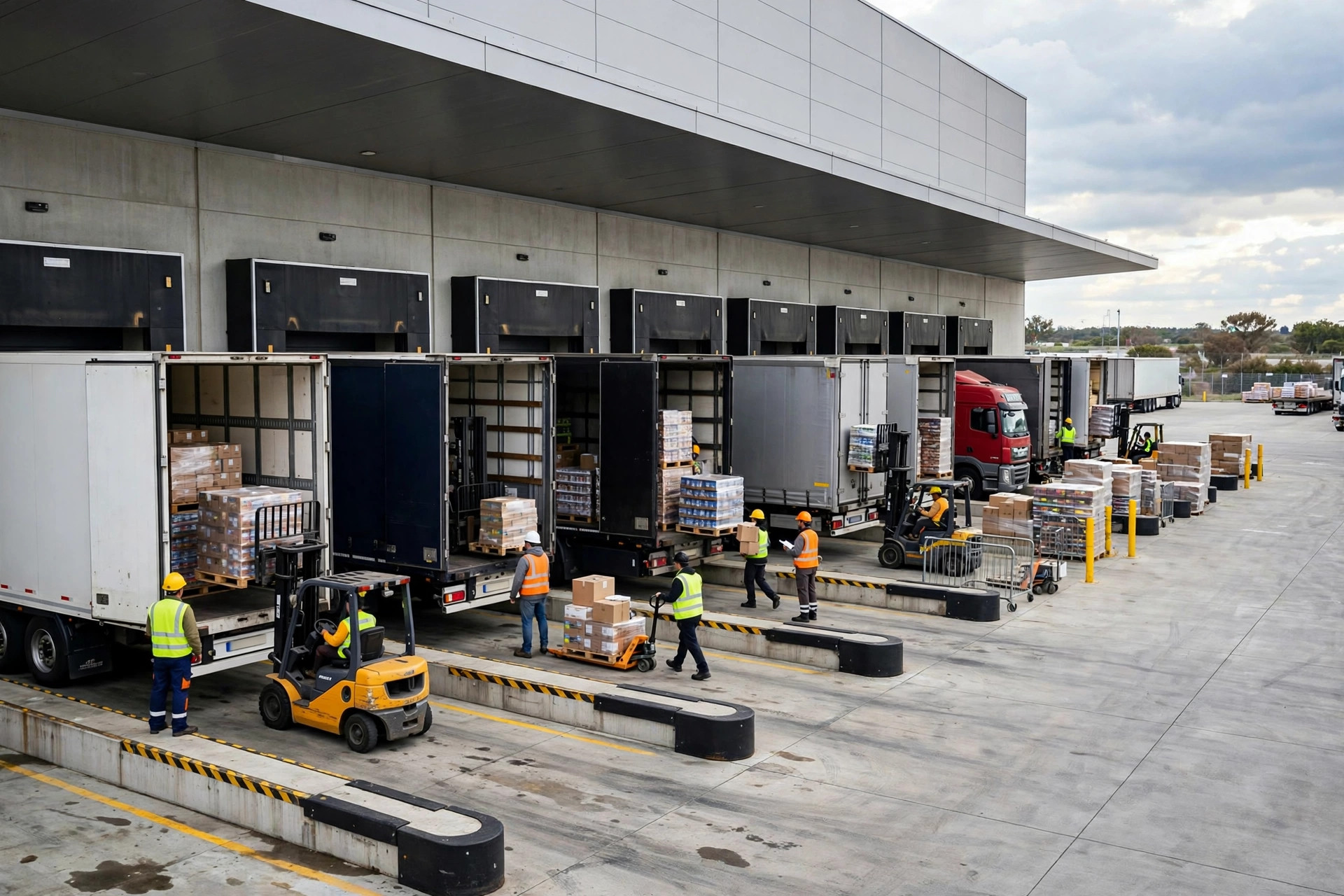
A buddy of mine who does cross-border e-commerce stopped by my warehouse the other day, stood at the entrance counting doors, and asked the question every warehouse owner eventually Googles — how many dock doors per square foot does a warehouse need? Then he looked at my building: "Xiao Ma, your 3,000-square-meter warehouse... has two dock doors?"
I held up two fingers. "Two. Can't afford a third."
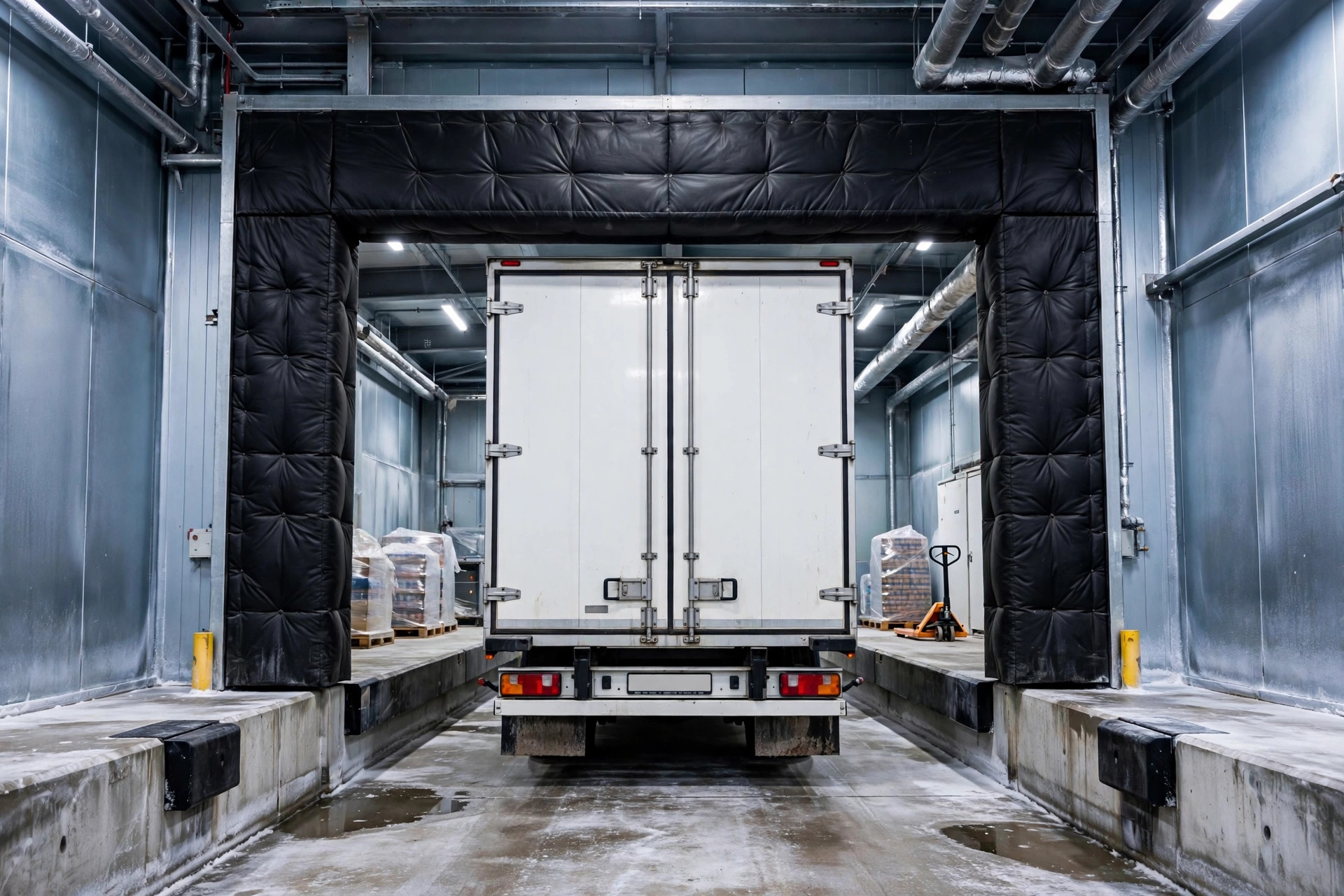
The look on his face — like he'd just met a caveman. Then he showed me the 100,000-square-foot facility he'd just leased: 16 dock doors in a row, grand as an airport terminal. I said "impressive," while my mental abacus clacked away: how much money are those 16 doors burning?
Today, this small warehouse owner with exactly two doors is wading into this big-warehouse topic. Fair warning: the big consulting firms' design methodology doesn't apply to us. I'll translate the industry rules for you, then show you how small warehouses actually survive.
The Industry's Stock Answer to "How Many Dock Doors Per Square Foot"
Let's get the textbook answer out of the way so nobody accuses me of making things up. In industrial due-diligence and design guides, there's a widely cited rule of thumb: for distribution warehouses, one dock door per 8,000 to 10,000 square feet; pure manufacturing or pure storage operations can get away with fewer.
Do the math: a 10,000-square-foot warehouse gets 1 to 2 doors; 100,000 square feet gets 10 to 12. My buddy's 16-door palace is technically "over-provisioned" — probably sized for peak volume or future expansion.
Sounds scientific, right? Here's my cold water: that square-footage division is a screening tool for people shopping for buildings, not a decision tool for people running them.
True story. There's a 3PL in our industrial park — 100,000 square feet, 12 doors, "compliant" or even "excellent" by the rulebook. Last year I went there to pick up freight and saw with my own eyes that half their doors sit idle year-round, dust collecting on the seals. Why? Their inventory turns slowly; trucks just don't show up that often. The doors were sized for a "what if we blow up someday" scenario, and that "someday" never came. Every door built for peak but used for average is real money burned.
The Contrarian Truth: The Real Formula for How Many Dock Doors Your Warehouse Needs
The serious way to size dock doors, per warehouse design literature, doesn't mention square footage at all. It goes like this:
Doors needed = (peak-hour trailer arrivals) × (average hours each trailer occupies a door) ÷ (target door utilization)
It's simple enough that even I, a math disaster, can follow it. A commonly used worked example: 8 trailers arriving in the peak hour, each occupying a door for 1.5 hours, with doors targeted at 80% utilization — 8 × 1.5 ÷ 0.8 = 15 doors. The theory behind it is the flow-rate-times-time relationship from warehouse science (Georgia Tech's Warehouse & Distribution Science), the same logic as queuing theory.
See the trick? Square footage never appears in the formula. What determines your door count is your business peak, not your building size. A 10,000-square-foot warehouse with two or three trucks a day and four doors is performance art. A 5,000-square-foot cross-dock pushing dozens of trailers daily will gridlock the highway if it's short on doors.
That's my contrarian take: a dock door is a peak asset. You're paying big money for the busiest few weeks of the year; the other forty-some weeks it just sits there sunbathing, collecting maintenance bills and eating your rent. Big companies can afford peak assets without blinking. Small warehouses like mine cannot — so we flip the logic: don't add doors, shave the peak.
A Small Owner's Answer to How Many Dock Doors Per Square Foot: Making Two Doors Do the Work of Six
Back to my predicament. My warehouse sits near Ontario, California — 3,000 square meters, roughly 32,000 square feet. By the industry rule I should have 3 to 4 doors. I have two. Most of the year it's fine; every November, peak season exposes me.
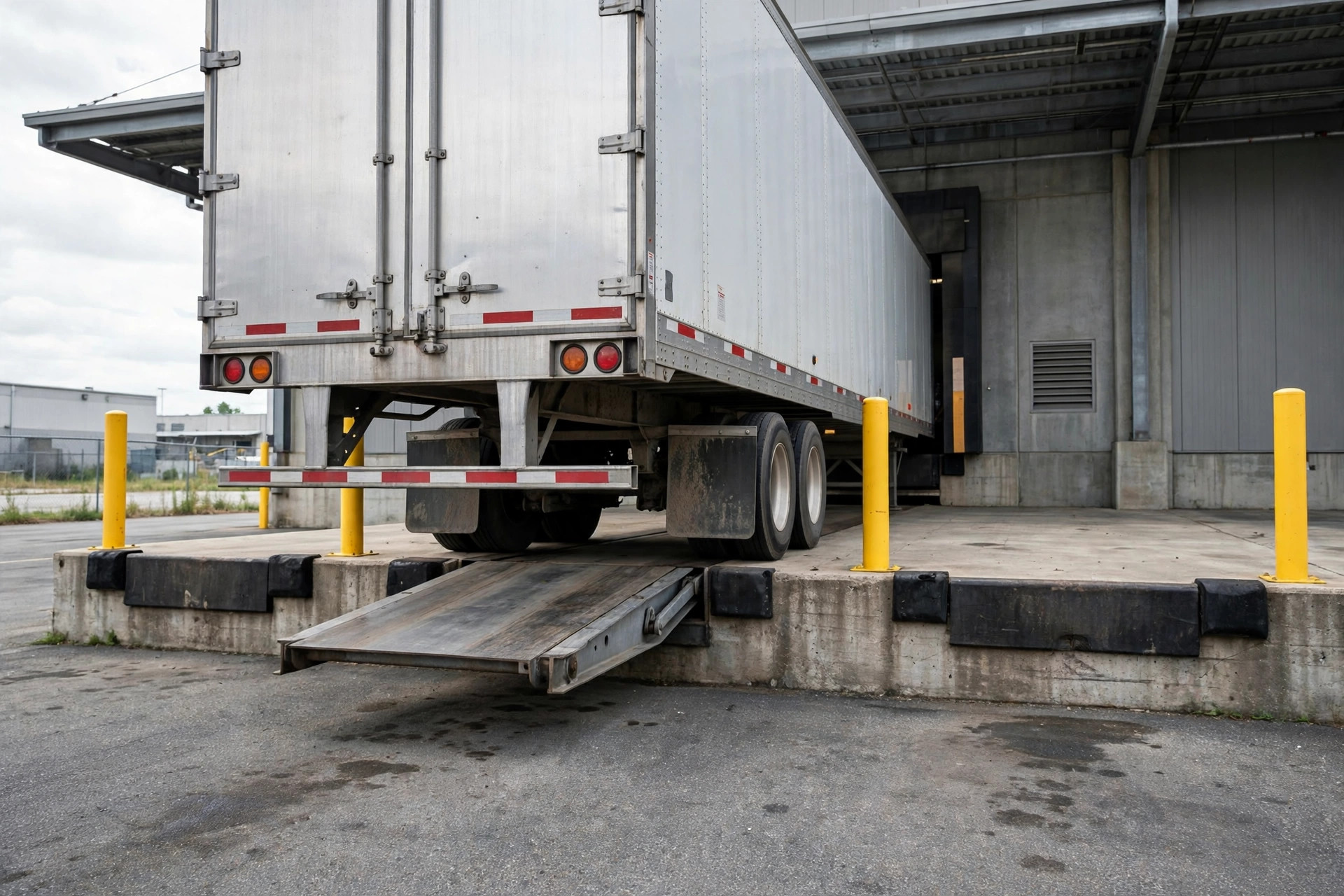
Worst day last November: four 40-foot containers showed up at 10 a.m. like they'd coordinated it. Two doors, four trucks, a line forming outside, my forklift driver hopping with frustration, horns blaring from the cabs. For one glorious minute I thought, "maybe I should just add a door" — then I looked up what adding a door costs and sobered up instantly. Replacing one dock leveler alone runs $8,000 to $12,000 per position installed, per industry guides — before the door opening, the door, seals, and construction. Levelers last 15 to 20 years, then you pay again. After that math, my decision was final: no new door, not now, not ever. I'd make two doors do the work of six, with zero construction budget.
Three dirt-cheap tricks, each costing basically nothing:
Trick one: a free appointment system. I made a group chat with the trucking companies and freight forwarders we work with. Every evening they report next day's arrivals, and I slot them into a spreadsheet: two trucks in the morning, two in the afternoon. Drivers don't idle at the gate anymore — they back in and get a door. It's the dollar-store version of the big players' appointment systems. They spend a fortune on software; I spend zero on a group chat. Maybe 70% of the effect at approximately none of the cost.
Trick two: everything staged before the truck arrives. The real killer of door time isn't slow unloading — it's "the truck is here but nothing is ready." Our rule now: pallets, labels, and crew staged before arrival. Truck backs in, we unload immediately, and it leaves the moment we're done. Per-trailer door time dropped by nearly half. Same doors, faster turns — it's as if the doors multiplied.
Trick three: cross-dock what you can. Some freight is just passing through and ships out the same day. Unload at door A, load at door B, skip putaway entirely. One less process, and doors don't get held hostage.
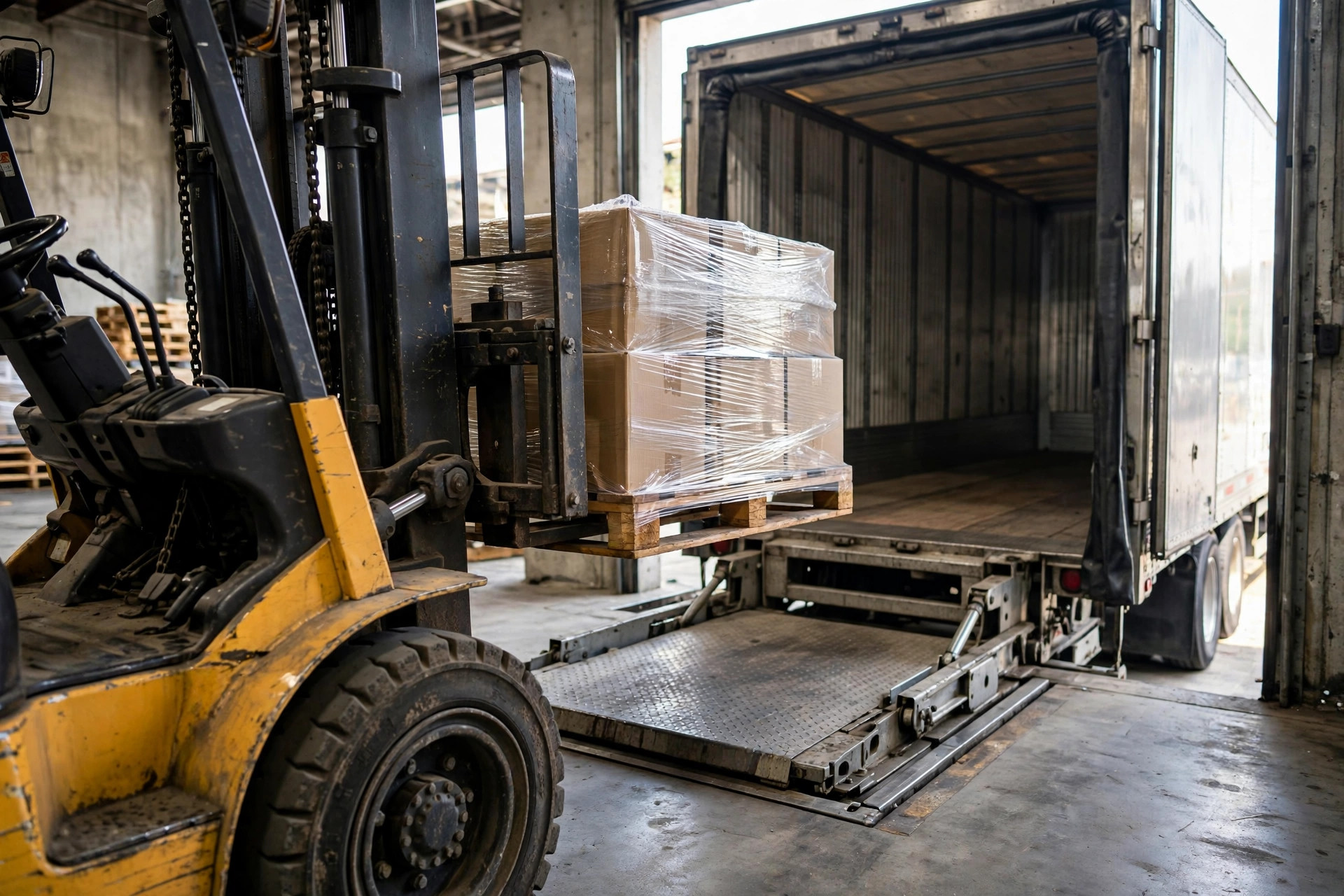
The result? Last November and December, with peak days hitting three to four trucks, two doors held the line. Zero new doors, zero construction spending. Drivers in our group chat now say my place beats the big warehouses — more doors over there, but more process too, and worse queues. That warmed my cheap little heart.
Before You Add a Door: Three Questions
If you're agonizing over whether to add doors, don't call the contractor yet. Give yourself this three-question checkup:
Question one: how many trucks in your true peak hour? Not the average — the peak. Pull the busiest weeks of the past year and count hourly arrivals. Plenty of small warehouses discover their "not enough doors" crisis happens about two or three days a year.
Question two: how long does each truck actually occupy a door? Time it for a week, stopwatch in hand, from back-in to pull-out. You'll find that cutting dwell time is a hundred times cheaper than adding a door.
Question three: what does the formula actually say? Peak trucks × dwell hours ÷ 80% utilization. If it says fewer than you have — don't add. If it says one or two more — try appointment scheduling and staggered arrivals for three months first. If it says many more — then talk construction. And if you're building new, pick a design with knock-out wall panels for future door positions; when business really grows, adding doors later gets much cheaper. Leave your future self an escape hatch.
Here's the honest math, small-warehouse style:
| Add one door (hard cost) | Manage better (soft fix) | |
|---|---|---|
| Upfront | Door opening + door + leveler + seals + construction — and the leveler alone is $8,000–$12,000 per position per industry guides | Near zero: an appointment spreadsheet and a group chat |
| Ongoing | Maintenance, energy, rent on the square footage it occupies | Half an hour a day of scheduling |
| Risk | Idle in slow season = pure burn; levelers need replacing every 15–20 years | Drivers don't cooperate; surprise trucks wreck the schedule |
| Fits | Big operations running dozens of trucks daily | Small warehouses with single-digit daily truck counts |
The design firms optimize for the "best" answer. Small warehouses optimize for the "stay alive" answer. More doors look impressive, but behind every idle door there's an $8,000–$12,000 leveler depreciating and rent paid on space nobody uses. So instead of asking how many dock doors per square foot your building "should" have, ask whether your trucks can be staggered and your dwell time cut in half. The first is the science of spending money; the second is the science of saving it.
We small warehouses can't afford to burn that kind of money. But small warehouses have their own way of living — squeeze six doors' worth of work out of two, and the savings cover two months of bonuses for my forklift crew.
By Xiao Ma, Small Warehouse Owner