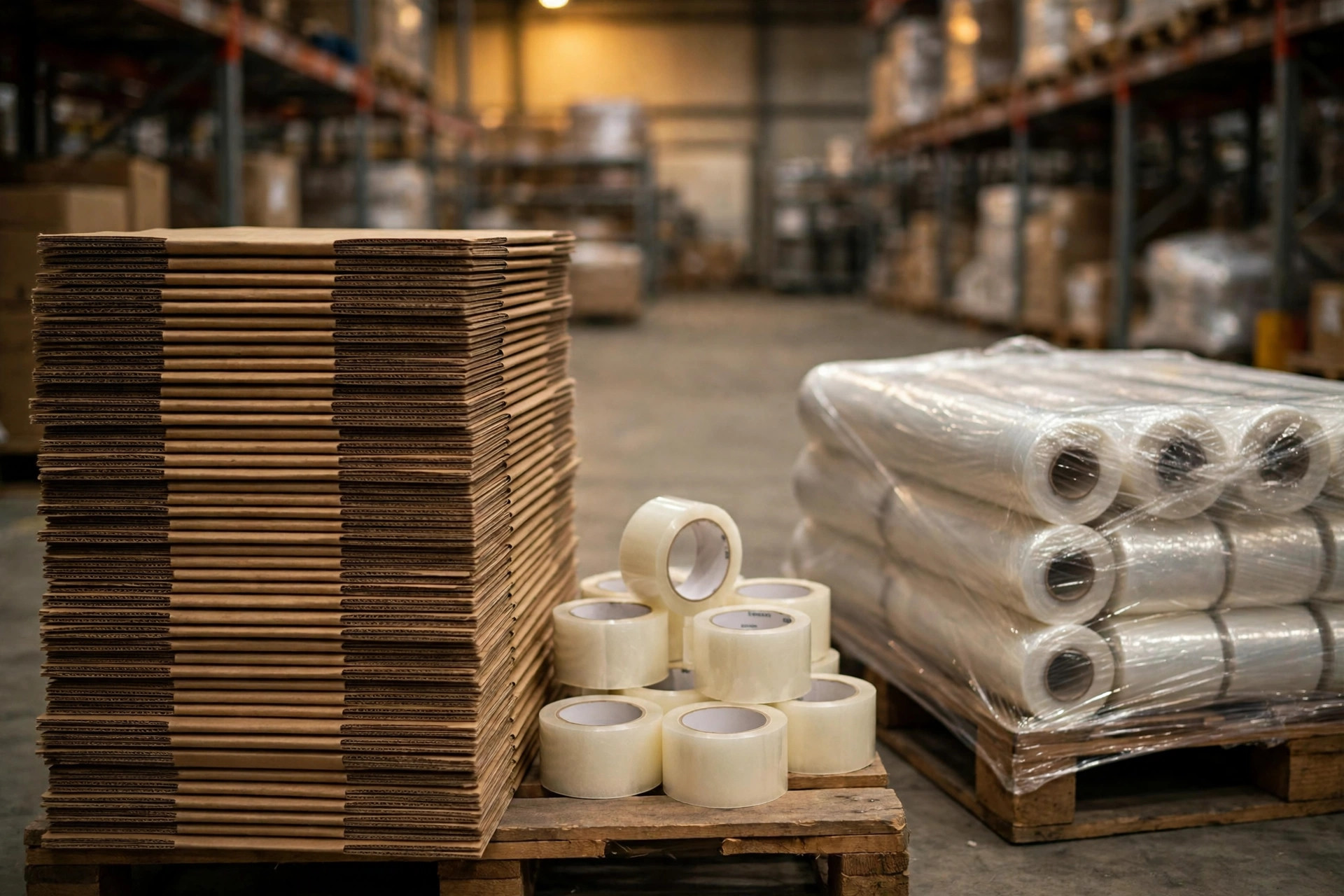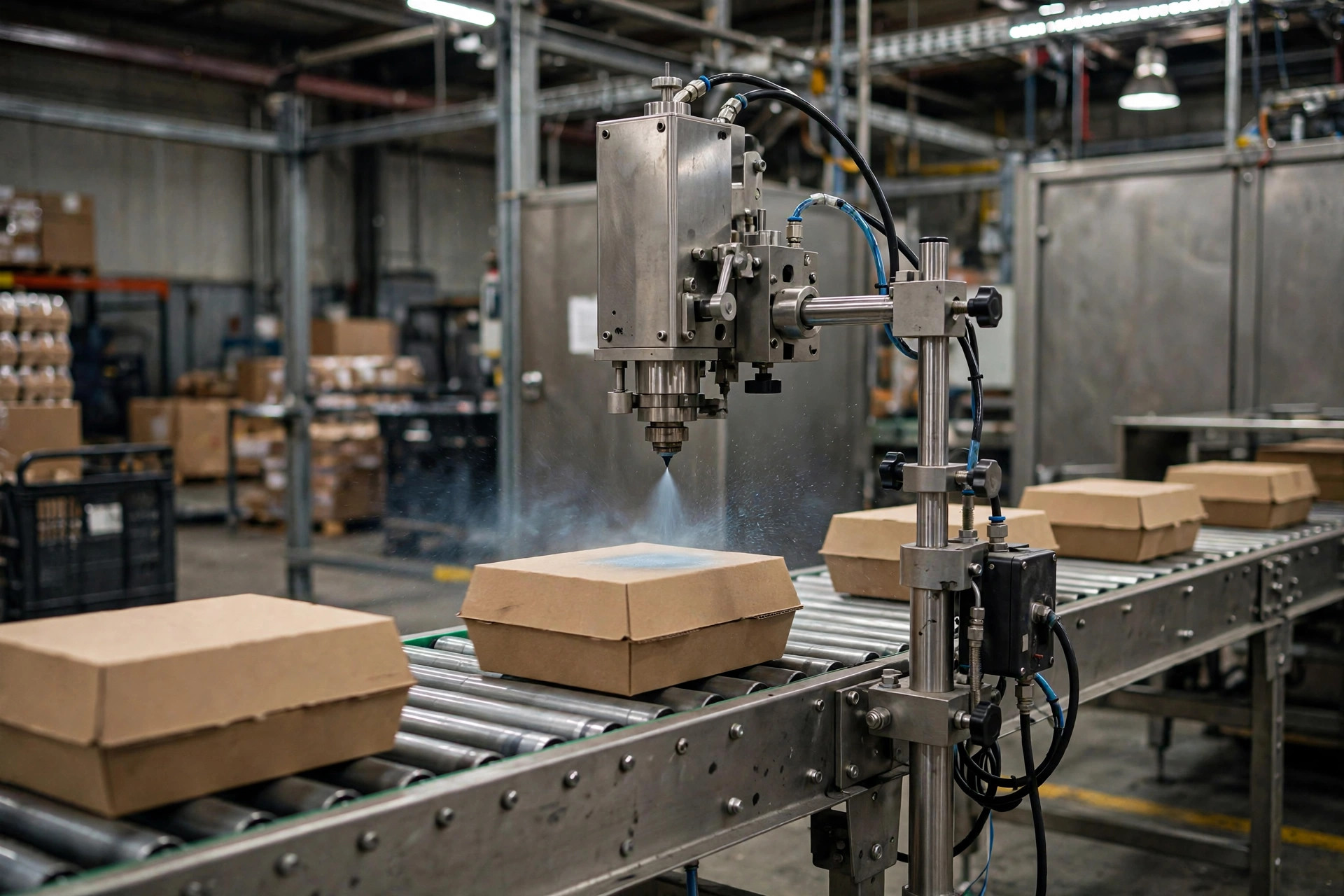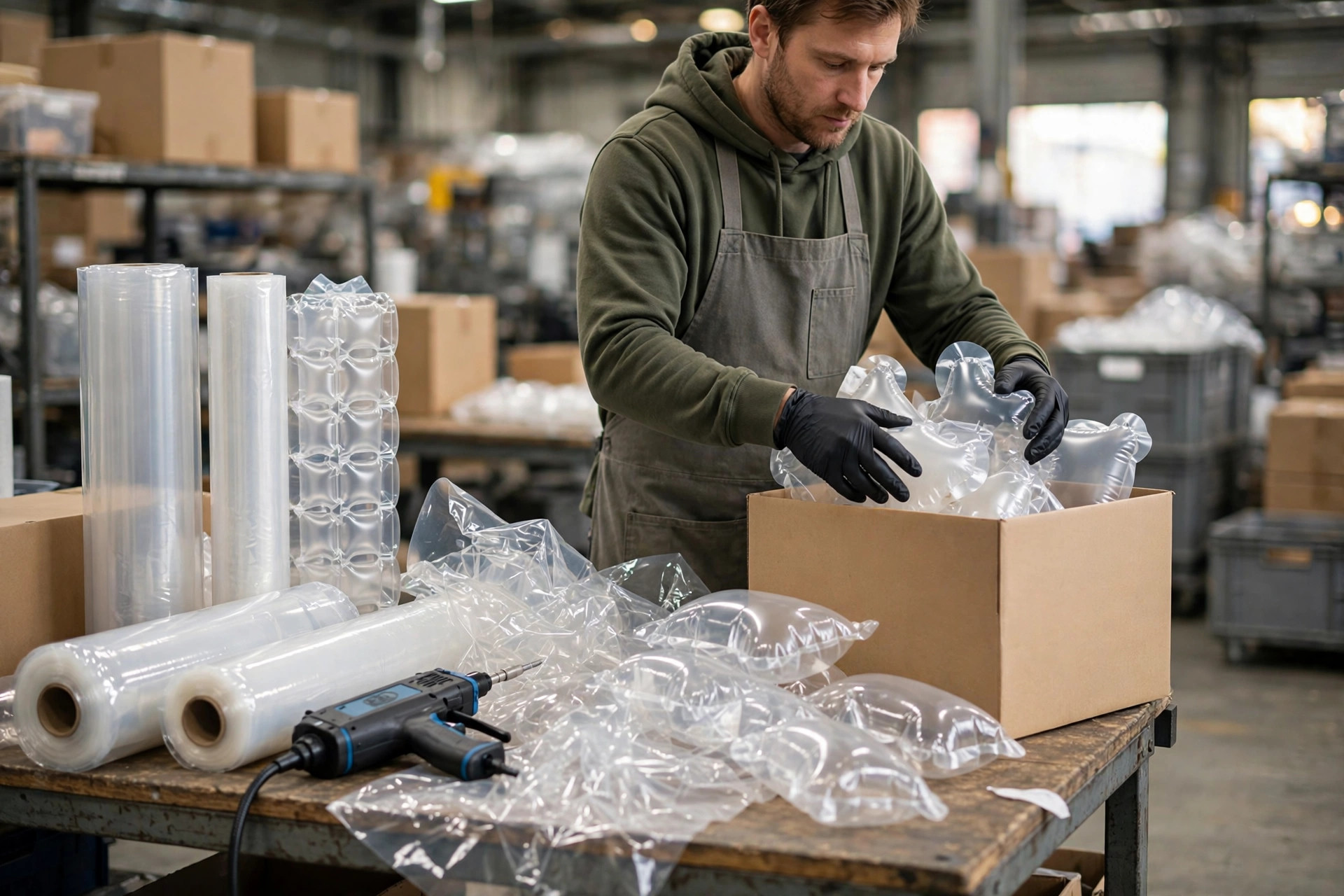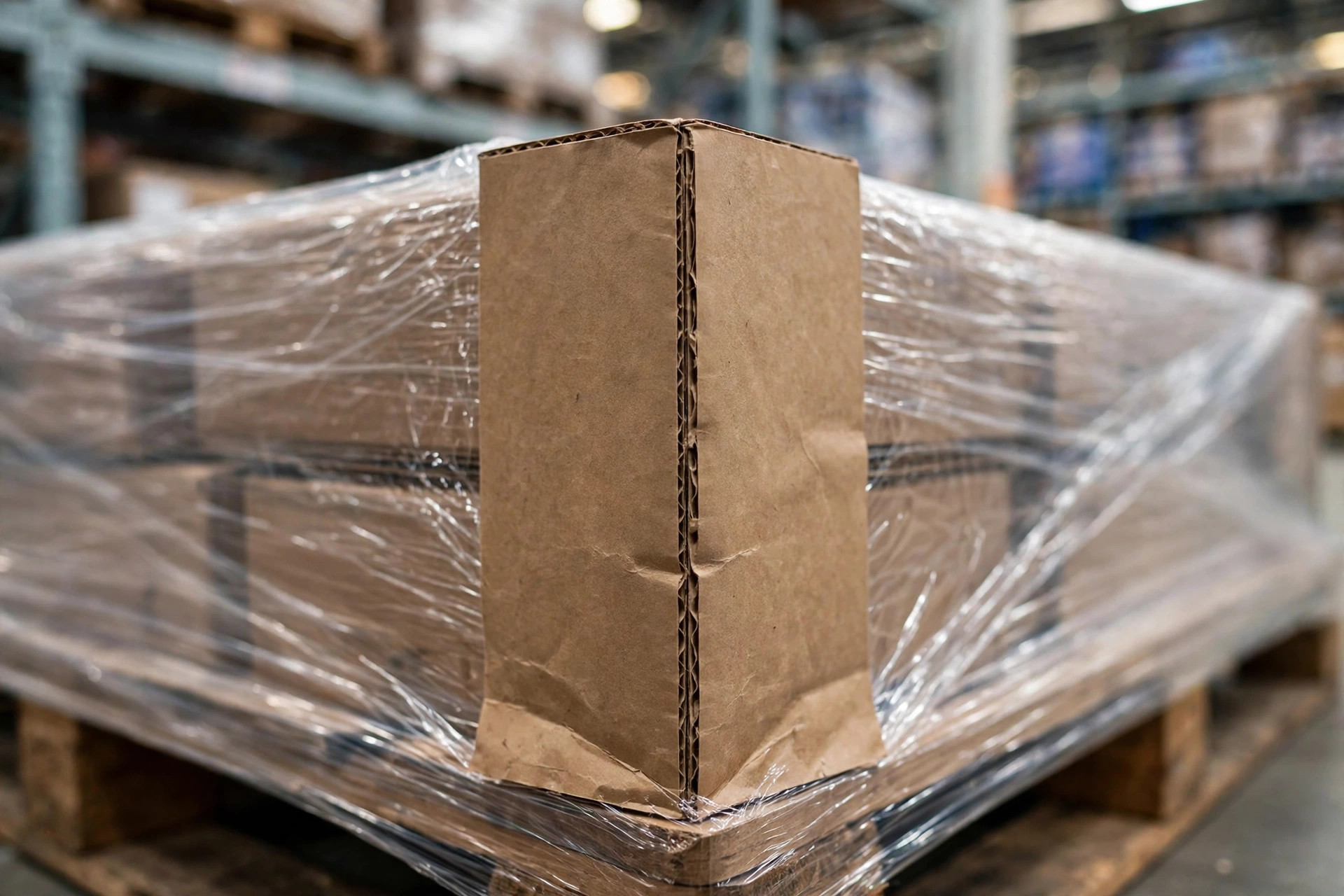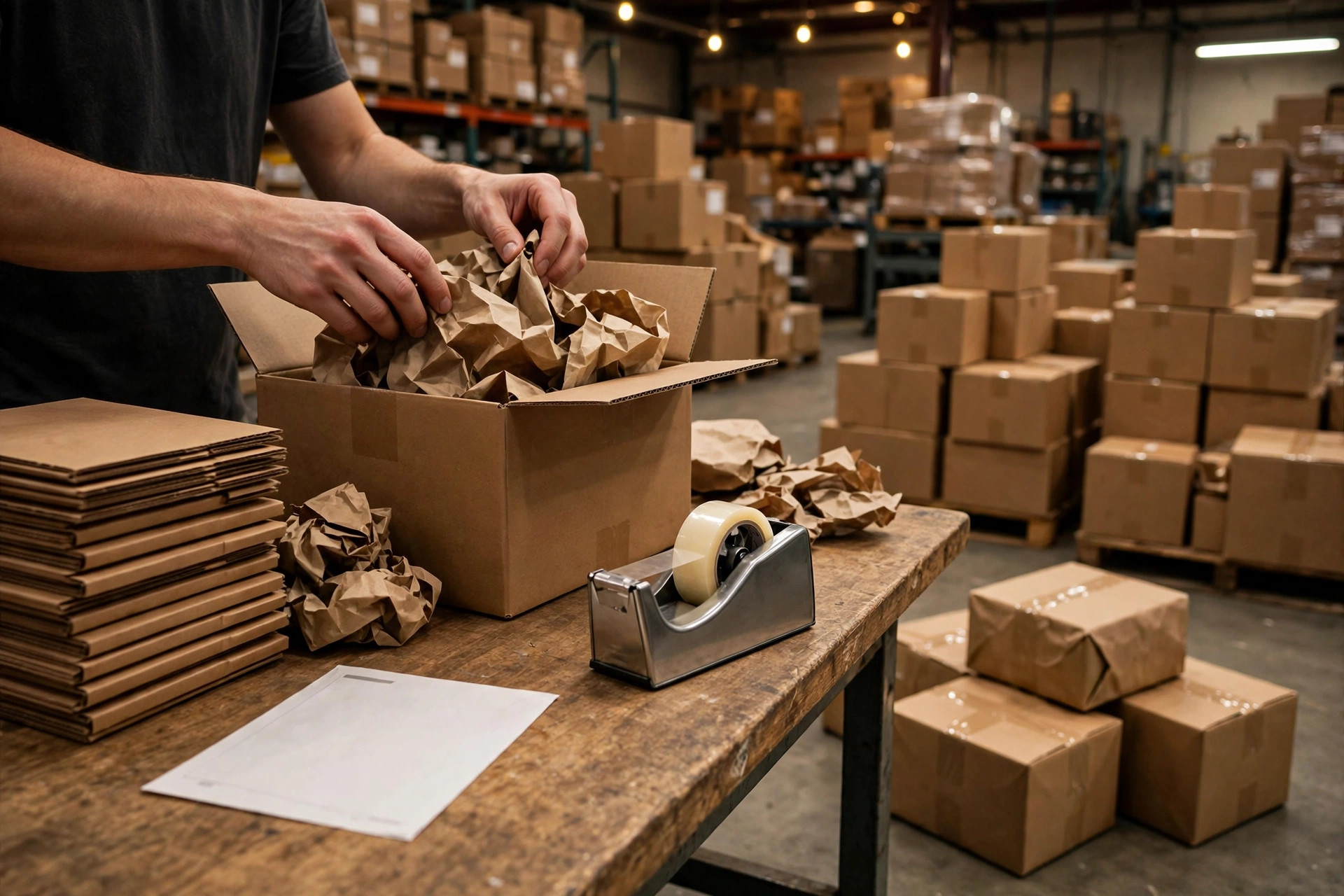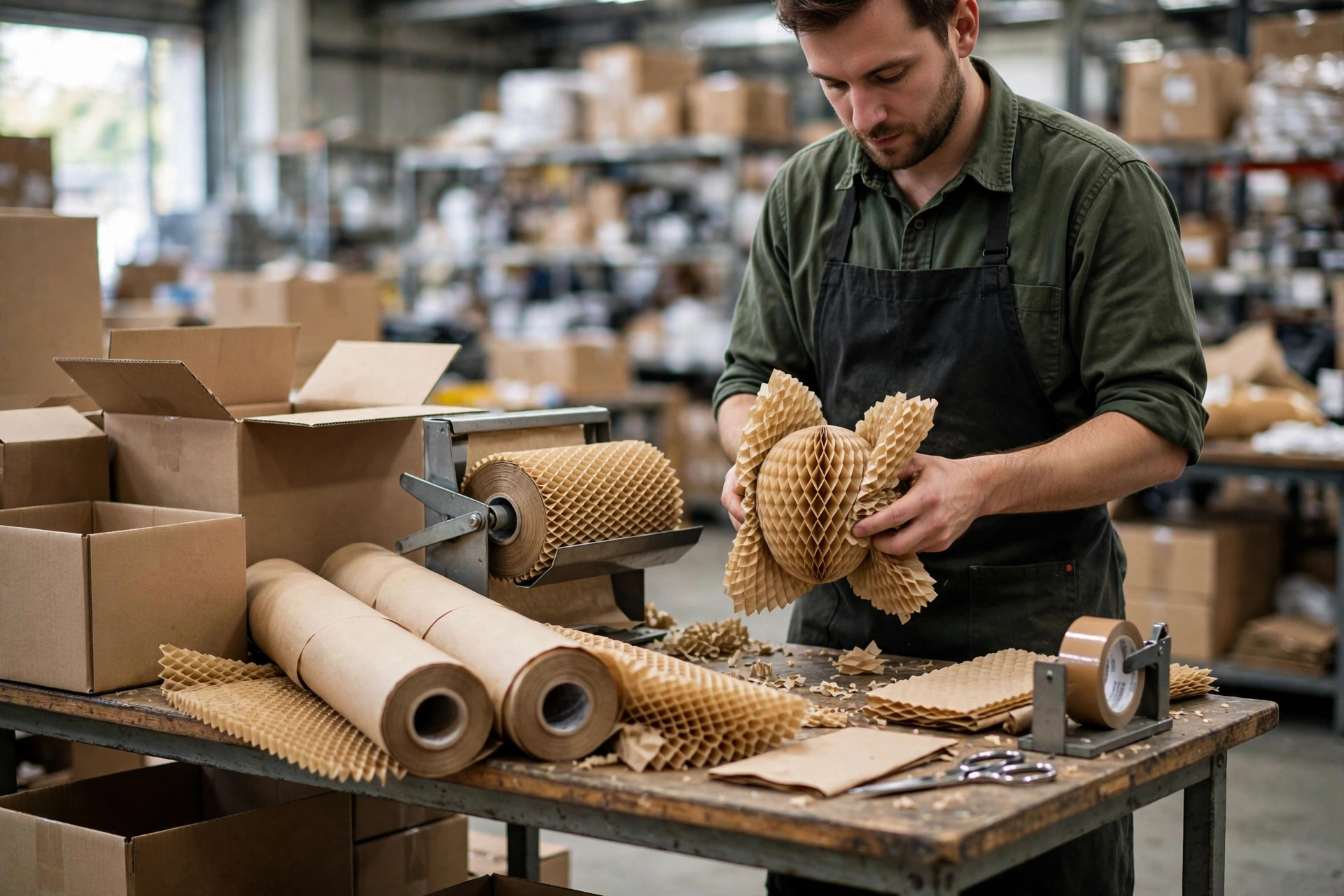
Open enough parcels lately and you'll notice something: the plastic bubble wrap is disappearing, replaced by crumpled kraft paper or a layer of honeycomb-patterned paper.
This is no accident. According to Amazon's official announcement in June 2024, its North American fulfillment centers had replaced 95% of plastic air pillows with paper filler — avoiding nearly 15 billion plastic air pillows a year. By October 2024, plastic air pillows were gone from Amazon's global fulfillment network entirely. The company also noted that third-party lab testing showed paper filler protects goods as well as, if not better than, air pillows.
When the world's largest e-commerce company has completed the switch, "replacing plastic with paper" stops being an environmental slogan and becomes an operational decision that needs real math. So: can honeycomb paper actually replace plastic void fill in a warehouse? Let's look at measured data.
The data: a four-week controlled test at a partner warehouse
First, the methodology. The numbers below come from a four-week A/B test at a partner e-commerce warehouse (mostly small home goods). Group A packed with bubble wrap and air pillows; Group B with honeycomb paper. Over 3,000 cartons total. These are that warehouse's measured results — not industry averages — but the test method and comparison framework are universal, and any warehouse can replicate them.
| Metric | Group A (plastic) | Group B (honeycomb paper) |
|---|---|---|
| Material cost per carton | Baseline | ~15–20% higher |
| Packing time per carton | Baseline | Roughly equal once packers adapted |
| Transit damage rate | Baseline | Slightly lower |
| Damage-related customer complaints | Baseline | Down ~30% |
| Material storage footprint | Uninflated film is under 2% of inflated volume | Paper rolls take 3–4x more space |
The number that matters most is the bottom line: once damage claims, re-packing of returns, and support costs are included, Group B's fully-loaded cost per carton came out about 8% lower than Group A's.
Why it works: honeycomb paper protects differently
Honeycomb paper and plastic cushion on completely different principles. Plastic relies on air — sealing it inside film and using air pressure to absorb shocks. Honeycomb paper relies on structure: kraft paper die-cut into interlocking hexagonal cells that expand into a three-dimensional honeycomb, absorbing impact through the paper's own toughness and structural deformation.
That gives it three practical advantages.
First, self-locking. Once wrapped around a product, the paper's high-friction surfaces grip each other — no tape needed to hold the wrap in place. One less taping step per pack.
Second, conformity. Paper is soft and follows irregular product shapes. Air pillows come in standard shapes; with odd-shaped items you either leave gaps or waste material.
Third, anti-shift. The rough paper surface keeps products from sliding inside the box. In our observation, a lot of damage isn't from impacts — it's from products shifting and hitting the box walls. Honeycomb paper directly counters that.
Where it doesn't work: four categories to be careful with
Honeycomb paper is not universal. Based on the test data and material properties, four categories deserve caution.
Weight threshold. For items over about 5 kg, honeycomb paper's load-bearing capacity starts to struggle and can collapse under stacking pressure. Air column bags or foam remain safer for heavy goods.
Fragility threshold. High-value, geometrically fragile items (glass, ceramics) need many layers of honeycomb paper to reach adequate protection, at which point material cost overtakes the alternatives. Keep air column bags for these.
Moisture exposure. Paper's weakness is water — a physical fact, not a design flaw. In cold chain, fresh food, or humid ocean-freight conditions, wet honeycomb paper loses strength dramatically. Don't use it there.
Large-box void fill. The bigger the box and the emptier it is, the more honeycomb paper you consume, while air pillows' "one film roll fills cubic meters" efficiency wins. For pure void filling, plastic is still the efficiency king.
In short: honeycomb paper fits "light, moderately fragile, presentation matters" parcels best — which happens to be the core carton profile of most e-commerce warehouses.
The full cost formula
Many warehouses can't make this math work because they only compare material unit prices. The complete per-carton formula should be:
Per-carton cost = materials + labor (packing time) + equipment amortization + damage claims + return re-packing + material storage footprint
On the first term alone, honeycomb paper looks 15–20% more expensive. But it wins back ground on damage claims and complaints — which is exactly why our measured fully-loaded cost came out 8% lower.
Fairness requires acknowledging plastic's genuine advantage too: film storage efficiency is overwhelming. Uninflated film occupies under 2% of its inflated volume — one roll of film replaces a wall of paper rolls. For warehouses tight on space, that's real money.
So the "paper vs plastic" calculation is never about material unit price. It's about total system cost.
The trend: this is a systems decision, not a material swap
Why do I call it a systems decision? Three forces.
First, regulation. The EU's Packaging and Packaging Waste Regulation (PPWR) took effect in February 2025, and extended producer responsibility (EPR) fees scale with how hard a material is to recycle — hard-to-recycle plastics cost more. Several US states are tightening plastic restrictions too. Compliance cost is moving from optional to mandatory.
Second, platforms. Amazon's completed switch proves paper filler works at massive scale. With the leader having validated it, followers face far lower trial-and-error costs.
Third, consumers. The "eco feel" of a paper-packed unboxing has itself become brand equity. I've seen more than one seller get one-star reviews for "a box full of plastic."
And here's the counterintuitive judgment: the biggest risk of eco-friendly packaging was never cost — it's damage-rate blowback. Switch to paper, let your damage rate rise one point, and every cent you saved goes right back out the door, with bad reviews on top. Any switch has to be validated with a controlled test, not decided from a supplier's brochure.
An open question
Back to the original question: can honeycomb paper replace plastic void fill?
The data says: partially. For light, moderately fragile, presentation-sensitive parcels, honeycomb paper is the better answer. For heavy goods, high fragility, moisture exposure, and large-box void fill, plastic still holds irreplaceable efficiency.
Maybe the right question for your warehouse isn't "switch or not" — it's "which 30% of our cartons should switch first." That's a question worth answering with your own data.
By Dr. Chen, Supply Chain Researcher