
Amazon changed something again — no wait, this time it wasn't Amazon. It was the hijackers.
Last August, my little Bluetooth speaker was doing great on Amazon US: 4,000+ units a month, Buy Box locked down tight. Then one morning I woke up and the Buy Box was gone. A seller I'd never seen had latched onto my listing, undercut me by three dollars, copied my images and bullet points word for word, and started siphoning my reviews. Sales dropped 40% that same day.
Two weeks later, a one-star review landed: "cheap knockoff, probably fake." Then the performance notification: counterfeit complaint. The hijacker was shipping fakes. The listing was mine, so the blame landed on me.
Five years selling on Amazon, I've dealt with hijackers 20+ times. The bloody lesson: hijackers aren't the scary part — having no evidence chain is. Amazon's appeal reviewers don't care how wronged you feel. They only care whether your evidence is complete. Here's my full playbook: test buys, appeal letters, and the warehouse-side evidence most sellers forget.
The morning my Buy Box disappeared
Here's the gut punch nobody tells new sellers: when you report a hijacker, Amazon usually replies "please provide evidence." No evidence, no action. The hijacker opens a new account and keeps going while your listing keeps bleeding.
So get the order right. It's not report-then-investigate. It's investigate first, then report, then appeal — with evidence in hand at every step. A complete evidence chain gets a hijacker removed fast. An incomplete one just hands the reviewer a reading-comprehension test, and reviewers reading hundreds of appeals a day don't have time for your puzzle.
Test buys: your only weapon against hijackers
When you spot a hijacker, don't rage and don't open a case yet. Run a test buy first.
Here's exactly what I did. I had a friend order 2 units from the hijacker — never use your own buyer account, a linked account torpedoes your evidence — and I ordered 1 unit from my own FBA listing as a control. Three days later, unboxing on video, one continuous take, no edits:
- The hijacker's units: blurry box printing, no brand engraving on the bottom, nearly 40 grams lighter.
- My FBA unit: packaging, engraving, weight — all matched.
Photos, video, both order numbers. That's exhibit group one. Three hard rules: the buying account must be clean, the unboxing must be one uncut take, and you need close-ups of every single difference. Amazon reviewers trust this kind of third-party evidence. You saying "my products are genuine" a thousand times is worth less than one buyer order.
The Amazon appeal letter: evidence chain, not essay
This March, my kitchen scale got slapped with an authenticity complaint and the listing went down. My first appeal was an 800-word heartfelt essay about my sourcing standards and QC process. Rejected within hours.
Second attempt, I rewrote it the way Amazon actually wants — three sections, each under 150 words:
1. Root cause. One sentence on where the problem came from. "On [date], seller [X] hijacked this listing; units they shipped differ from genuine products (see comparison exhibits), triggering buyer complaints."
2. Immediate actions. What's already done. Test buy completed, hijacker reported, affected batches pulled for inspection.
3. Prevention. How this never happens again — which brings us to the three layers of defense:
| Layer | Cost | Anti-hijacker strength | Notes |
|---|---|---|---|
| Brand Registry | Free | Baseline — you need it to file hijacker complaints at all | No registry, no leverage. Get this first. |
| Transparency program | Per-unit fee, check Amazon's site for current pricing | Strong — hijackers can't get your codes, can't ship via FBA | Worth it for your most-hijacked SKUs |
| Exclusive packaging | One-time design + packaging cost | Medium — makes test-buy comparisons damningly obvious | Packaging differences are your smoking gun |
Second appeal, full evidence attached — listing reinstated 4 days later. From takedown to recovery: 11 days, roughly two weeks of sales gone. That listing was doing about $30k a month, so the takedown cost me something like $15k. The test buys cost under $100 all-in. That's roughly a 150-to-1 return on evidence. Do the math and tell me test buys are "too much hassle."
Here's the counterintuitive part: a longer appeal letter doesn't win — a more "judgeable" one does. Reviewers read hundreds of appeals daily. If yours can't explain "whose fault, where's the proof, what's the fix" in three minutes, it's rejected. Turn your evidence into a numbered checklist, each item mapped to an attachment, so a reviewer can rule in your favor in 60 seconds. In Amazon appeals, writing skill is worthless. Structure is money.
The appeal checklist: don't hit submit without these
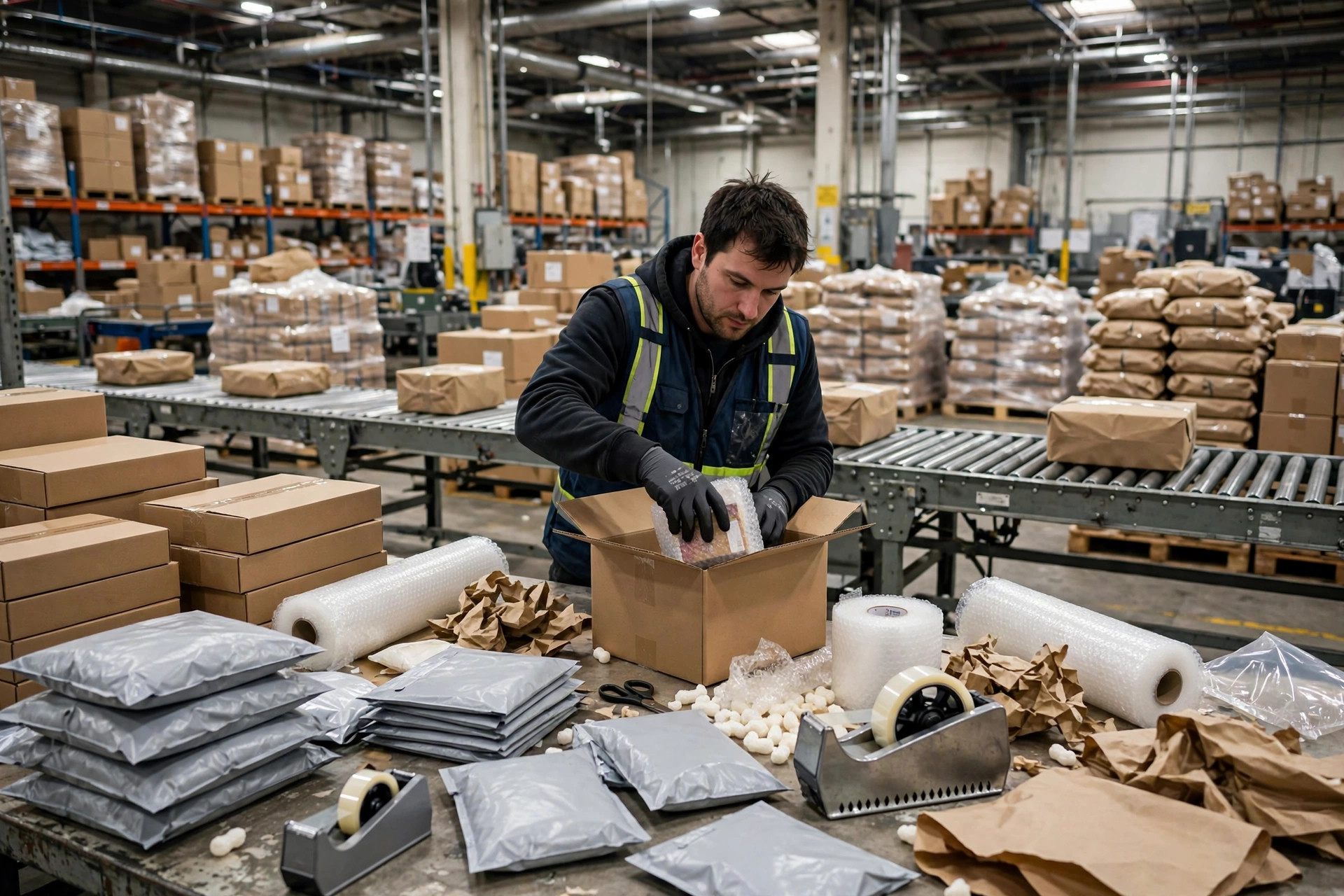
Most sellers prepare only storefront-side materials and skip the strongest card: warehouse and fulfillment evidence. It's what Amazon trusts most, because it comes from third-party systems — you can't fabricate it.
My fixed checklist now. I don't submit missing a single item:
- Complete test buy file: hijacker's order number, tracking number, unboxing video, comparison photos (packaging, engraving, weight — three close-ups minimum)
- Brand Registry certificate screenshot plus trademark registration
- Three-section appeal letter, evidence numbered to match attachments
- FBA inbound records, 3PL outbound slips, lot numbers — proving you really shipped this batch and it's traceable
- Factory invoices or authorization letters — clean sourcing
- Real photos of exclusive packaging and lot stickers — fakes can't match a lot code
Item 4 deserves emphasis. Every batch I inbound now gets a lot code in the 3PL system, lot stickers on cartons, lot numbers on outbound slips. Once a reviewer explicitly asked me for "supply chain records for this lot." I sent the lot records; reinstated in 2 days. Since then, every batch leaves a paper trail. That's how your warehouse operation covers you.
Three pitfalls, all paid for in tuition. First, never trust "guaranteed appeal" services — once accounts get linked, you die faster. Second, never run the test buy from your own buyer account. Third, don't retouch your evidence photos — reviewers are allergic to edited images.
You can't stop hijackers. But you can beat them. The evidence chain is your ammunition: keep lot records, packaging photos, and invoices in order every single day, and when appeal day comes, you submit a 60-second-verdict file instead of an essay.
This actually worked for me.
By Ah K, E-commerce Seller (5 yrs)





