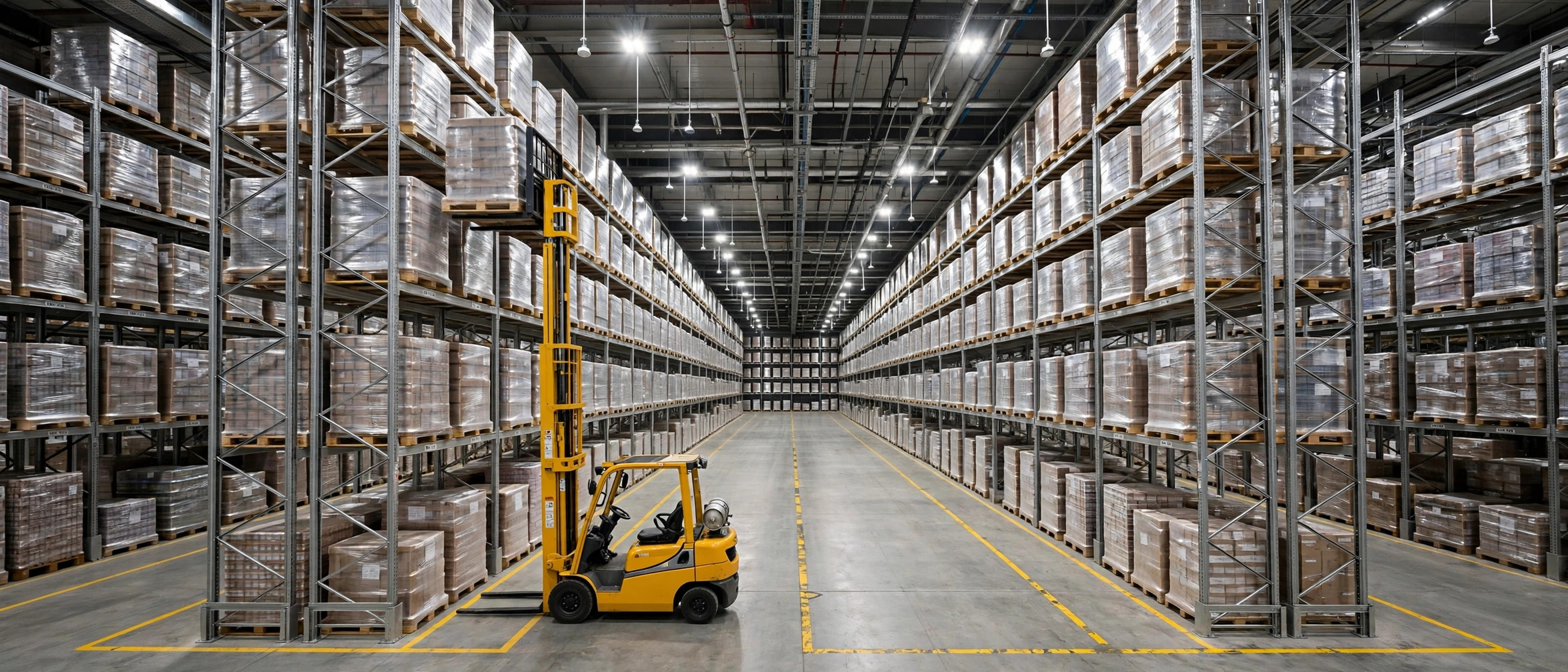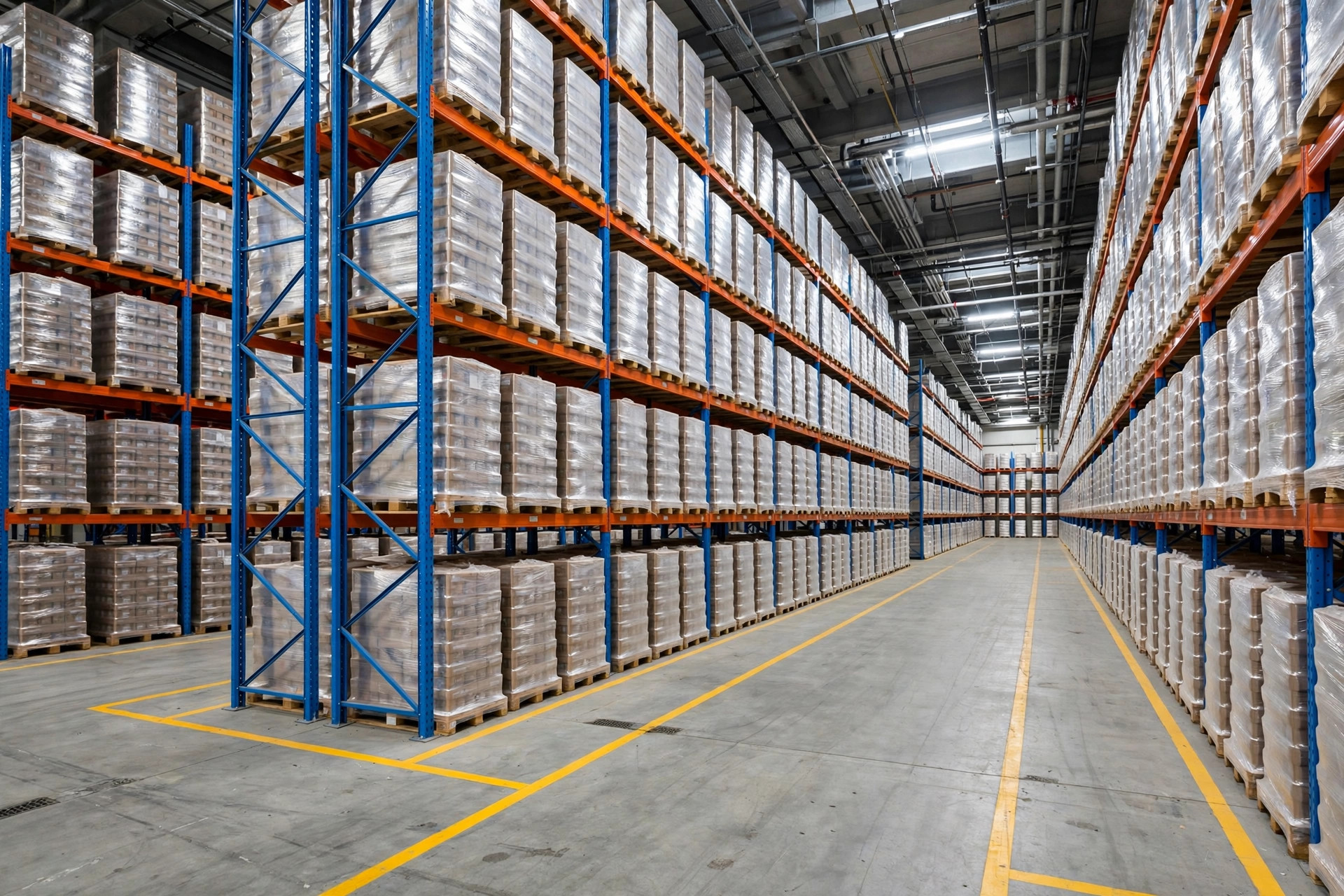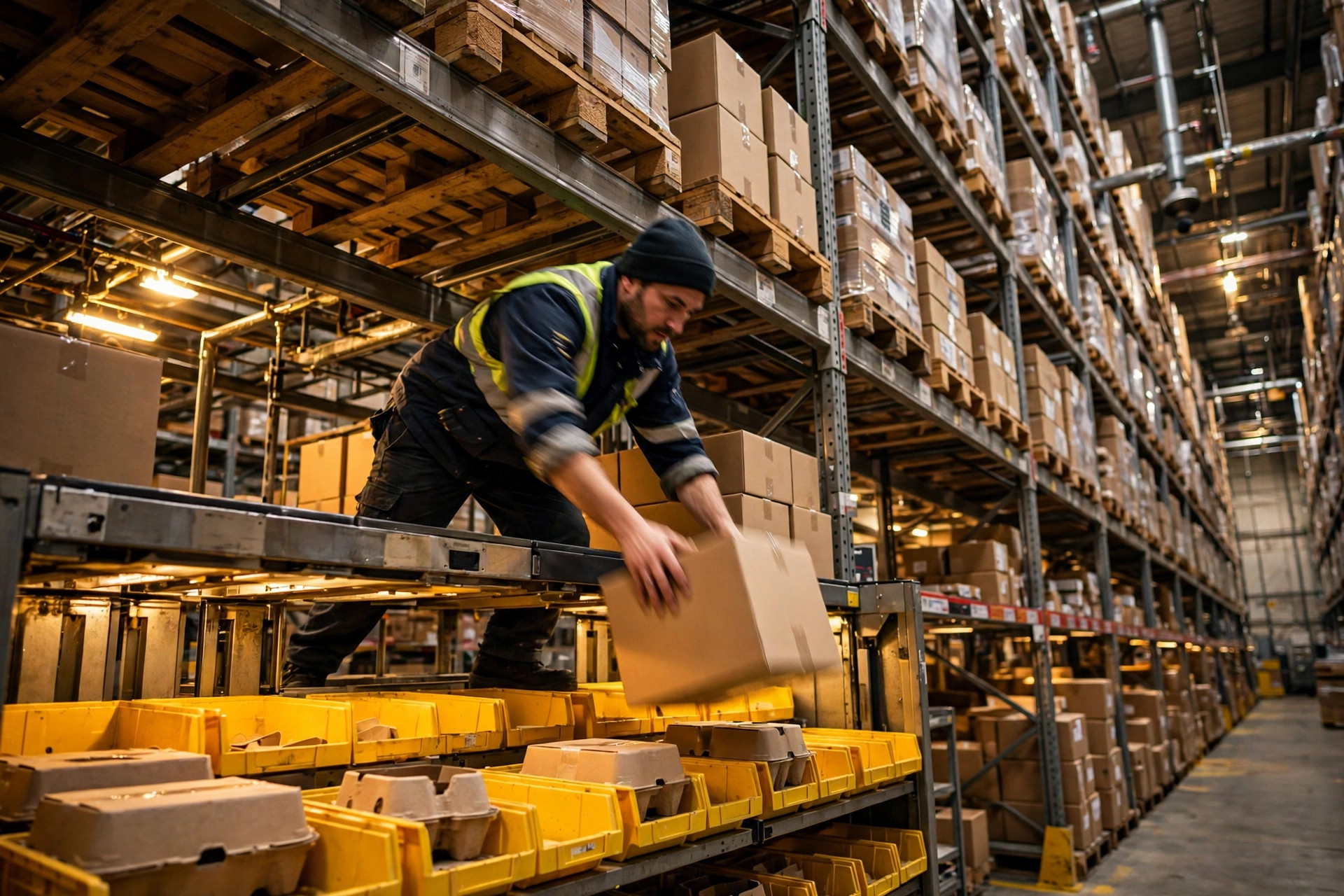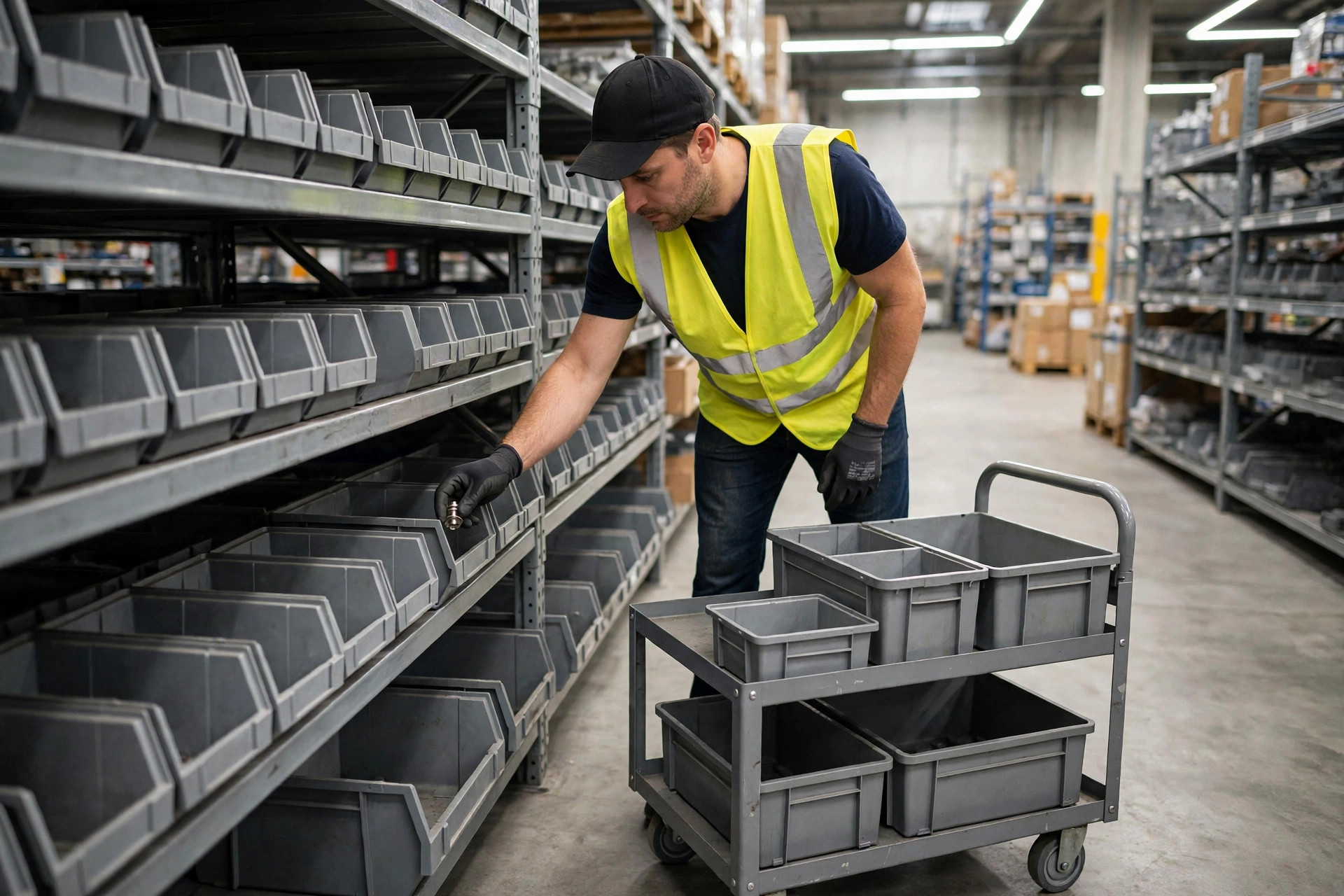
How many times does a picker bend over in a day? I've measured it across three warehouses: on a small-parts pick assignment, the average is over 400 bends and squats per person per day. Across 300 working days, that's 120,000. The back gives out first, productivity follows, and the injury reports pile up. The fix is embarrassingly cheap: move your fastest-moving SKUs to waist height. That's the "golden zone," and today I'll show you the economics.
Where the zone is: above the knees, below the shoulders
Ergonomics gives us a clear consensus: the human hand works most efficiently around waist level — roughly 65 to 130 centimeters off the floor. Below the knees means bending; above the shoulders means reaching and stretching on tiptoes. Both are slow and both injure people.
So every shelf level falls into three zones naturally: 65–130 cm is the golden zone, above 130 is the reach zone, below 65 is the bend zone. Walk into most warehouses and you'll find the logic inverted: heavy goods on the bottom (so they don't crush what's below), light goods on top (easy to grab), fast movers scattered at random. The result is that most of a picker's 400 daily bends serve SKUs that could have lived in the golden zone all along.
Step one of the fix is gloriously low-tech: take a tape measure and mark the 65–130 cm band on every pick-face upright with tape. Once marked, you'll notice the golden zone is only about a third of all pick locations. Good positions are always scarce — which is exactly why they deserve deliberate allocation.
Fast movers get the comfortable spots
Everyone has heard of ABC classification, but most warehouses classify by sales revenue. That's wrong for the pick face. Pick-face ABC must be ranked by pick frequency: A-items get picked daily, B-items a few times a week, C-items occasionally.
The rule is one line: A-items go golden, B-items go to the reach zone, C-items to the bend zone, and D-items (barely moving) leave the pick face entirely for bulk storage. A-items typically represent 15–20% of SKUs but 70–80% of picks — the 80/20 pattern holds across industries, though you should verify with your own data. Move that 15% into the golden zone and the daily bend count collapses.
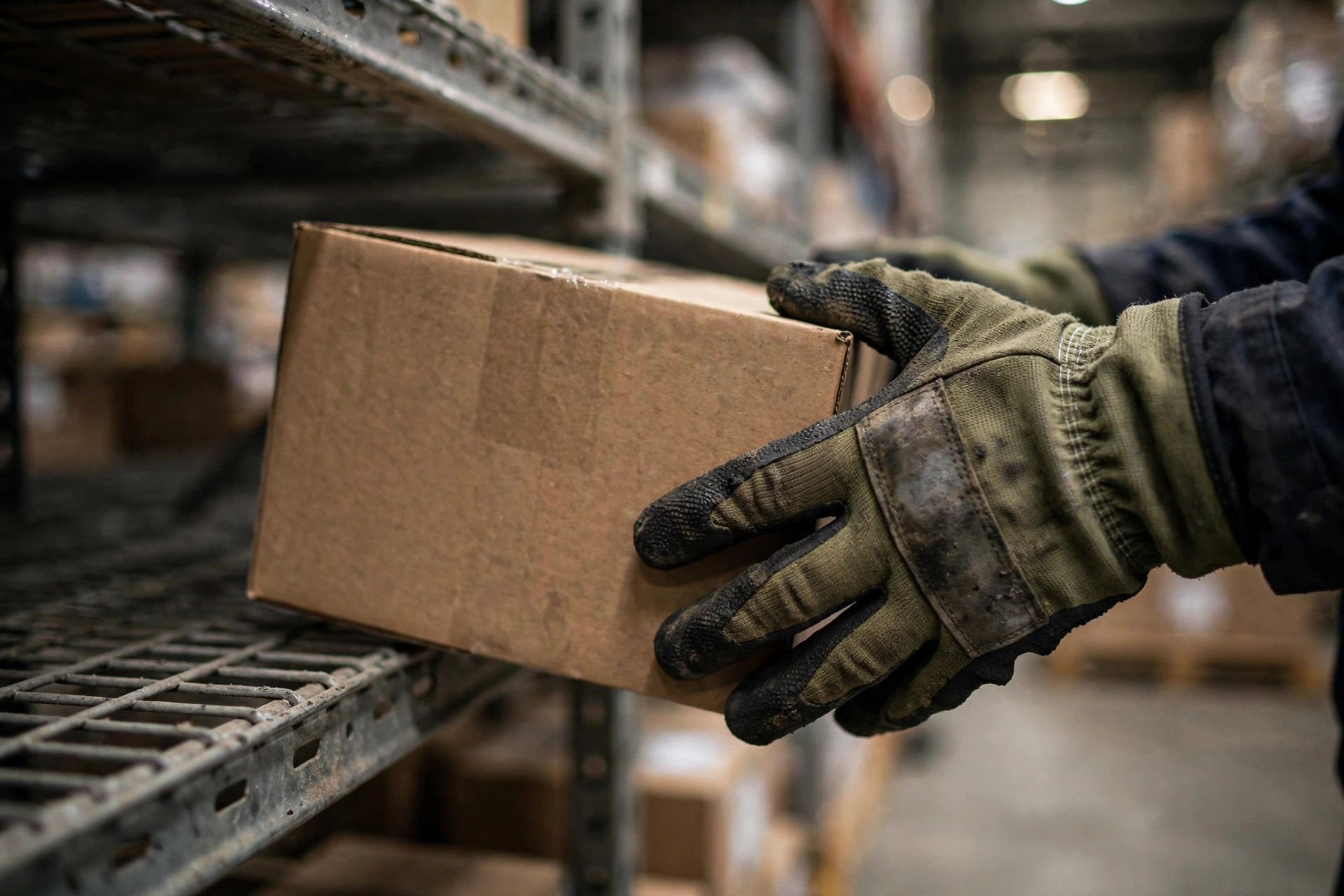
There's a trade-off to be honest about. A-items in the golden zone means more frequent replenishment to the golden zone — replenishment runners making extra trips. But replenishment moves full cases and pallets (efficient), while picking moves single units (expensive). Trading "two extra replenishment trips" for "a few hundred fewer bends" is a deal you take every time. Just plan the replenishment travel paths separately so pallets don't block the pick aisles — otherwise every second you saved gets donated back to congestion.
And ABC isn't static. Summer makes beverages A-items; winter demotes them. Pre-holiday hero SKUs are C-items most of the year. Re-run the pick-frequency report quarterly, re-classify, and move locations accordingly. Plenty of warehouses classified once three years ago and never again — by now the classification is fiction, which is the same as having none.
That raises the classic debate: where do heavy goods go? "Heavy on the bottom, it's safer" is half-right. Above 20 kilos per unit, yes — bottom level, moved with powered equipment, not backs. But the 5–15 kilo middleweights are precisely what belongs in the golden zone — bending for a 10-kilo case all day destroys backs fastest. The balance point: over 20 kilos goes low for mechanical handling, under 20 goes golden by velocity. A blanket "heavy goods low" rule condemns your medium-weight fast movers to the bend zone.
Don't turn the golden zone into a traffic jam
One counterintuitive trap: cram every A-item into the golden zone and every picker crowds into the same aisles. Aisle congestion eats every second the reduced bending saved. Golden-zone projects must include aisle planning: keep main aisles wide enough, and spread A-items along the pick path instead of stacking the ten hottest SKUs on one bay.
Slot depth matters too. Fast movers want shallow slots with multiple facings — two or three faces per SKU so one replenishment lasts half a shift and picking never waits on restock. Facings are always scarce, so evict the almost-A B-items to make room for true A-items. Scarcity and triage are the daily reality of slotting.
The math: two seconds a motion buys you a headcount
Conservative numbers only. Say moving A-items golden saves 2 seconds per pick motion (one fewer bend is about that). A picker doing 800 picks a day saves 1,600 seconds — roughly 27 minutes. Over 300 days, that's 135 hours per person per year.
A 20-person pick team saves 2,700 hours a year — the equivalent of 1.3 free headcount. At US warehouse picker labor costs, that pays for a full re-slot twice over. The project cost? A tape measure, some floor tape, and two days of relocation labor. Nearly zero. I can't think of another warehouse improvement with a better return.
The injury math is even more lopsided. Lower-back strain is among the most common warehouse injuries, and a single claim — medical plus lost time plus insurance increases — easily reaches five figures in dollars. OSHA watches repetitive-strain hazards ever more closely, and an ergonomic hazard citation is its own line item. The golden zone is one of the rare moves that saves money and keeps you compliant at the same time.
Three things you can do tomorrow
First, measure. Mark the 65–130 cm band in your main pick zone and look at what's sitting in the golden slots today — and how many fast movers are still living in the bend zone. Second, run a 90-day pick-frequency report and re-classify ABC by frequency, not revenue. Third, pilot one pick zone: move A-items golden, run it two weeks, and compare units per labor hour and crew feedback. Let the data talk.
No equipment to buy, no system to install — a tape measure and a report get you started. In warehouse optimization, zero-cost high-return opportunities are rare. Grab this one.