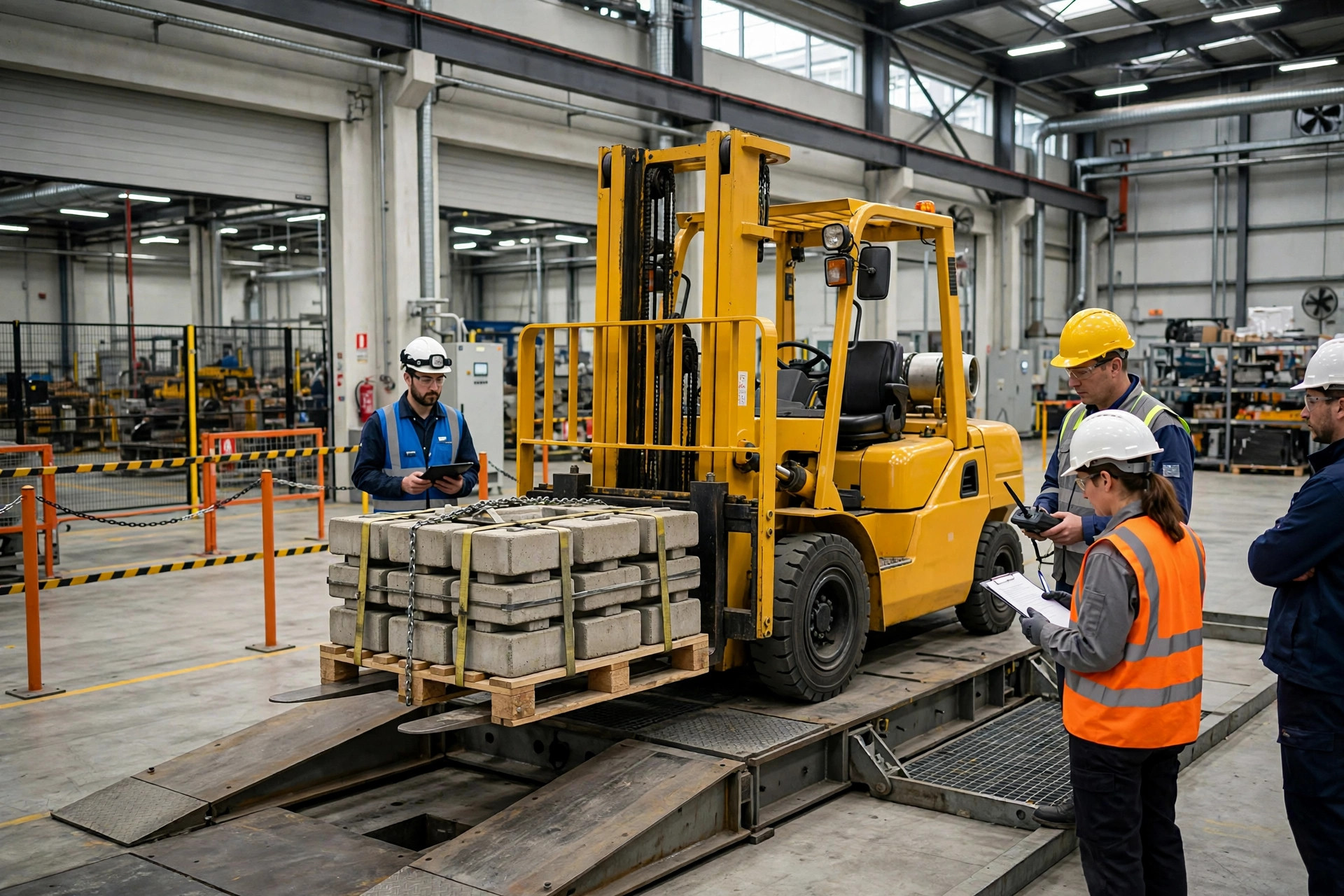
"UL listed?" That was the first question from the US integrator — not the price, not the lead time. A four-way shuttle manufacturer in Ningbo had a 40-unit order almost signed, and the buyer wanted one thing confirmed before anything else. The factory owner called me, frustrated. The shuttle bodies were built in-house, the charging stations were outsourced, the vertical lifts came from another supplier, and the control cabinets were welded on his own floor. His question: do we certify the whole system once, or does every subsystem need its own certificate?
There is no universal answer. But pick the wrong path and you are looking at 6 to 12 months of delay and costs in the hundreds of thousands of dollars. The decision comes down to how you split the system.
A shuttle system is never one machine, so stop certifying it like one
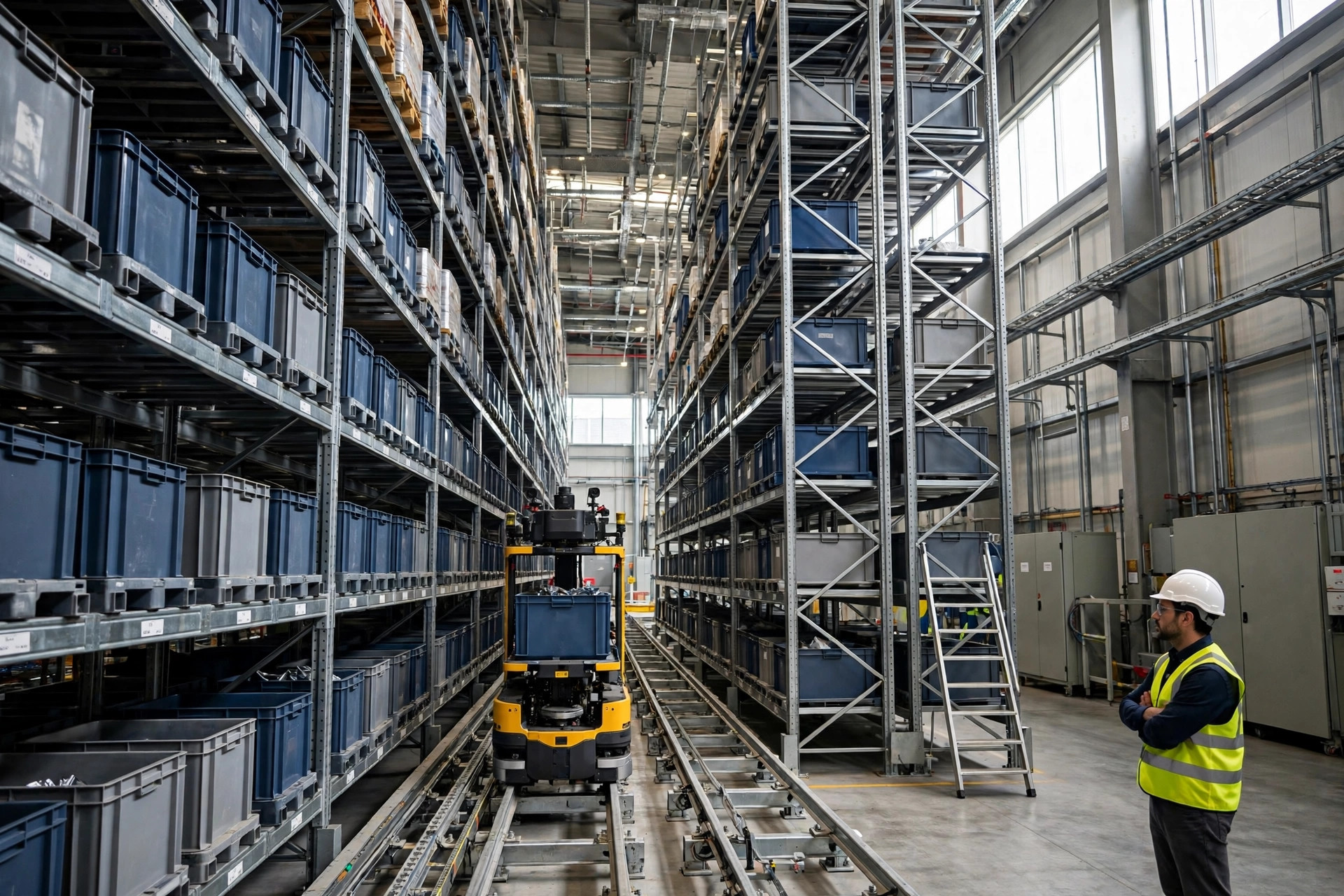
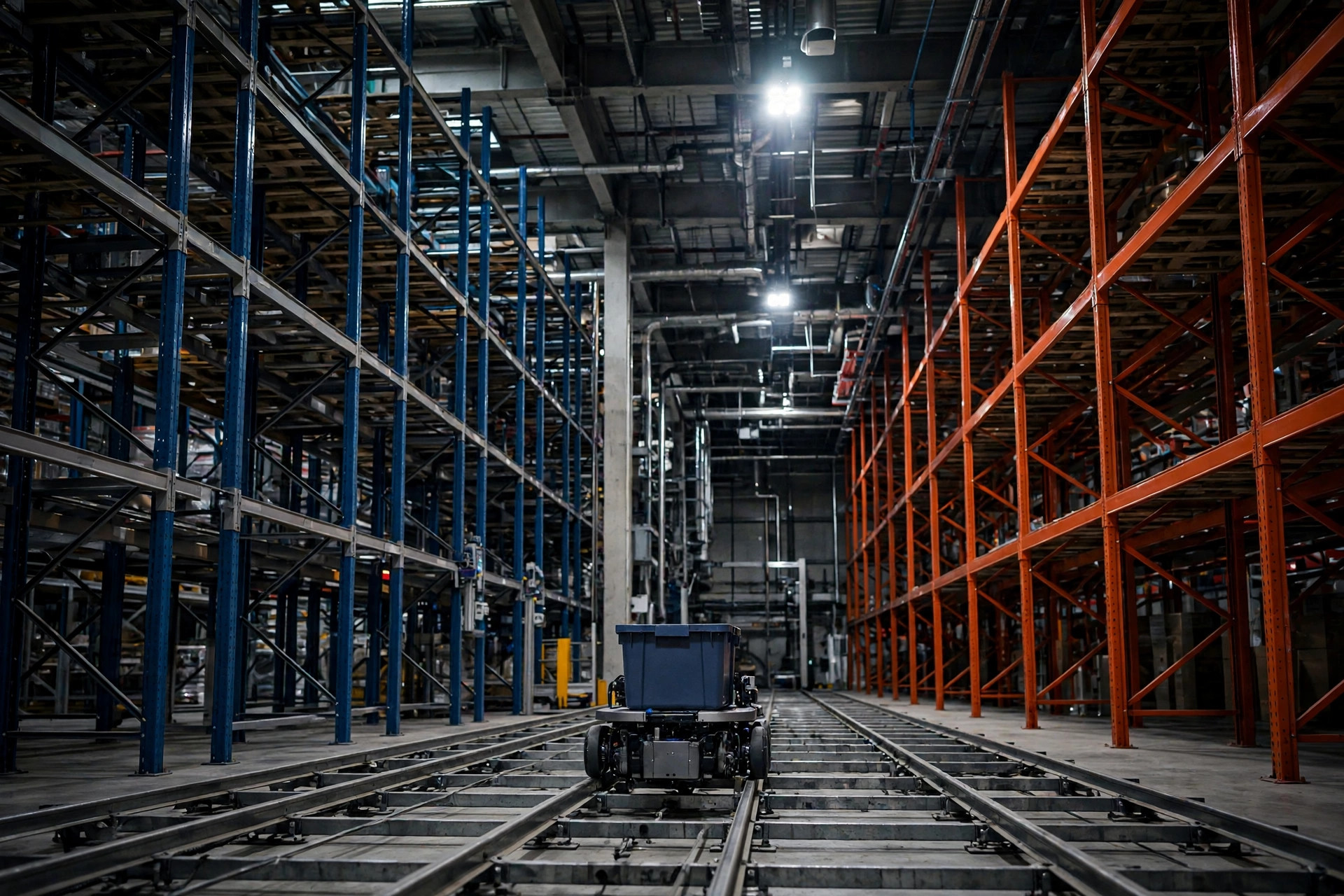
Open up any four-way shuttle installation and you will find a stack of subsystems wearing a single project name: the shuttle body itself (drives, lifting mechanism, battery), the charging stations, the vertical lifts that change levels, the rails on the racking, the electrical control cabinets, and the wireless link to the fleet manager. At certification time you have two extremes: treat the whole thing as one machine, or certify each subsystem on its own.
Whole-machine certification is simple to sell — one certificate, one label, one happy customer. It is also expensive, slow, and brittle. Expensive because testing runs against the harshest whole-system conditions. Slow because any design change in a subsystem — say, switching battery suppliers — can force a re-evaluation of the entire certificate. Brittle because risk concentrates in one place. The worst case I saw: a charging station failed EMC testing twice, and 40 finished shuttles sat in a warehouse for four months while the customer withheld 15% of the final payment.
Split certification flips the trade-off. The charging station goes through power-supply standards, the control cabinet through something like UL 508A for industrial control panels, the shuttle body through mobile-robot safety standards. The win is modularity — swap a supplier, re-certify only that block. The price is planning discipline: interface responsibilities have to be nailed down in contracts, or when something fails, the shuttle maker and the charger maker point at each other while the customer points at you, the system integrator.
My rule of thumb after years of this: split at project kickoff. Build the subsystem list on day one — body, charger, lift, cabinet, battery, wireless module — and map each one to the target market's standards. For outsourced subsystems, write "supplier shall provide valid certification for the target market" into the purchase contract. I learned this the hard way on a 2021 project: the charger supplier's CE certificate had expired three months earlier, the container sat at Rotterdam for six extra weeks, and demurrage plus customer claims cost more than 20 replacement chargers.
Europe and the US are playing different games, so play both
The second trap is assuming one certificate travels. Europe's CE system is built on self-declaration: your system must meet the Machinery Directive, the EMC Directive, the Low Voltage Directive, and RoHS. Note the clock ticking in the background — the EU Machinery Regulation (EU) 2023/1230 replaces the 2006/42/EC Machinery Directive starting January 2027, and the requirements only get stricter. Rail-based storage equipment like shuttle bodies maps to harmonized standards such as EN 528; wireless goes through the EN 61000-6 EMC series. You compile the technical file and sign the declaration of conformity yourself — but self-declaration is not casual declaration. Risk assessment, test reports, the full file: market surveillance authorities check documents, not stickers. I watched a Chinese manufacturer exhibit with nothing but a declaration; a German prospect asked for the test reports on the spot, and the deal died right there.
The US runs on a different currency: UL listing. Plenty of bid documents say "UL listed required" outright. Industrial mobile equipment like shuttles points at the ANSI/RIA R15.08 family for mobile-robot safety; control cabinets go to UL 508A; lithium batteries to UL 2054, plus UN 38.3 for transport; anything on 2.4 or 5 GHz wireless needs FCC Part 15. The big difference from CE self-declaration: UL does factory inspections, roughly four follow-up visits a year. A lapse in your quality system can suspend the certificate. This is not a one-time purchase; it is a long-term commitment.
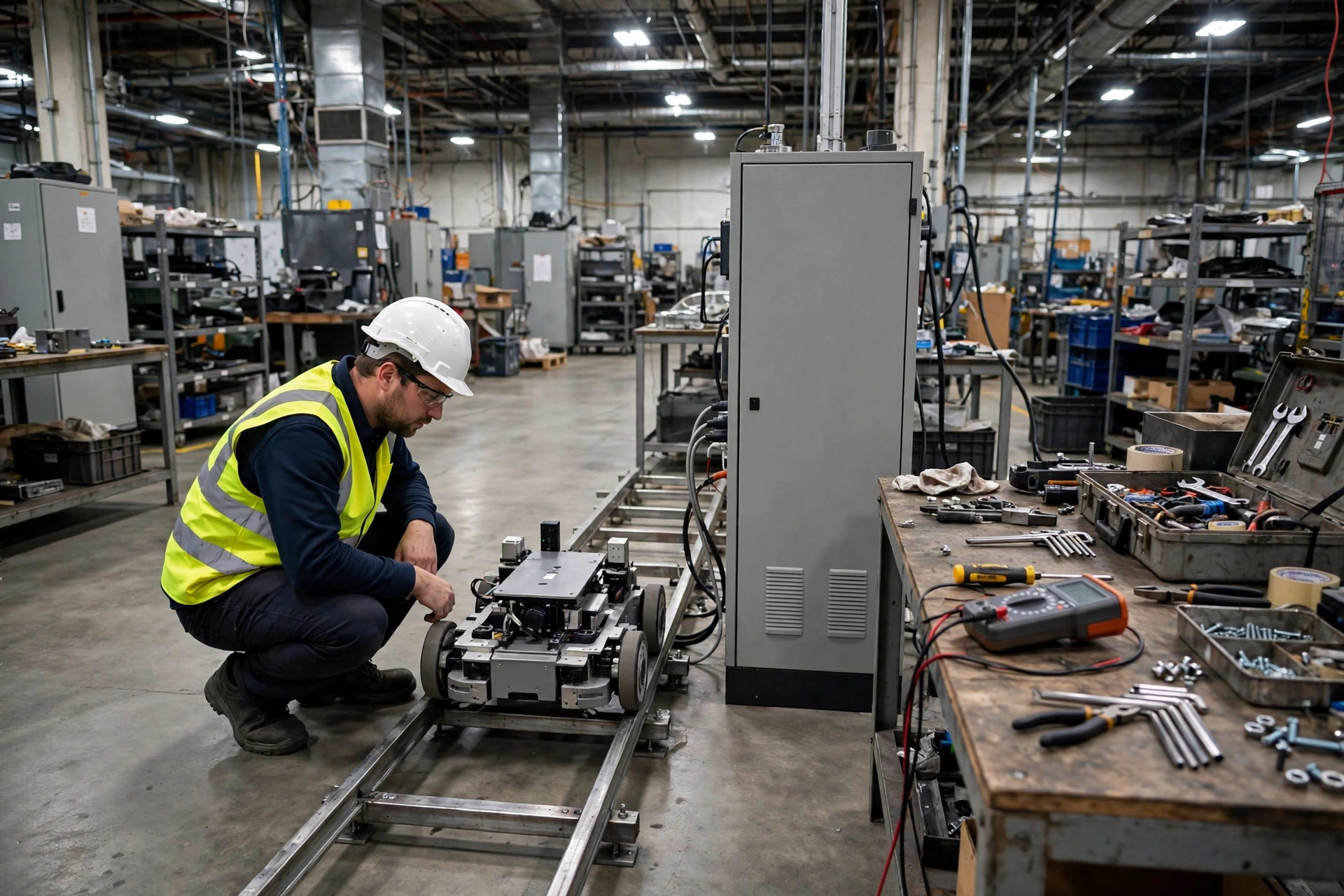
Then close the loop at system level. With subsystem certificates in hand, run one system-level risk assessment and integration test, and hammer the interfaces: electrical safety of the charging dock, wireless immunity at full load, e-stop response time. I recommend taking safety controls to PLd per EN ISO 13849 — it is the single most common finding European customers raise, and a permanent resident on punch lists everywhere. Other repeat offenders from my files: grounding continuity failures, manuals missing the local official language, no thermal-runaway protection in the battery bay, underrated insulation on the charger. Catch these at the factory and they cost thousands; catch them at the customer site and they cost dozens of times more, plus your reputation.
On cost and schedule I can only give orders of magnitude — get firm quotes from your certification body: a CE self-declaration with complete files can clear in weeks; with a notified body involved, count in months. A UL listing typically runs in quarters, starting in the tens of thousands of dollars, plus annual follow-up fees. Write those numbers into the project plan before you sign a delivery date. Ask "how long does certification take" after signing, and the answer is always "too long."
My closing habit, and I mean it literally: one certification folder per project — test reports, risk assessment, declarations, supplier certificates — reviewed by me personally before anything ships. Missing one item, nothing leaves. That habit has saved me at least three times. The buyers who ask the hardest certification questions are usually the ones who pay on time; treat their checklist as free consulting, not as harassment.