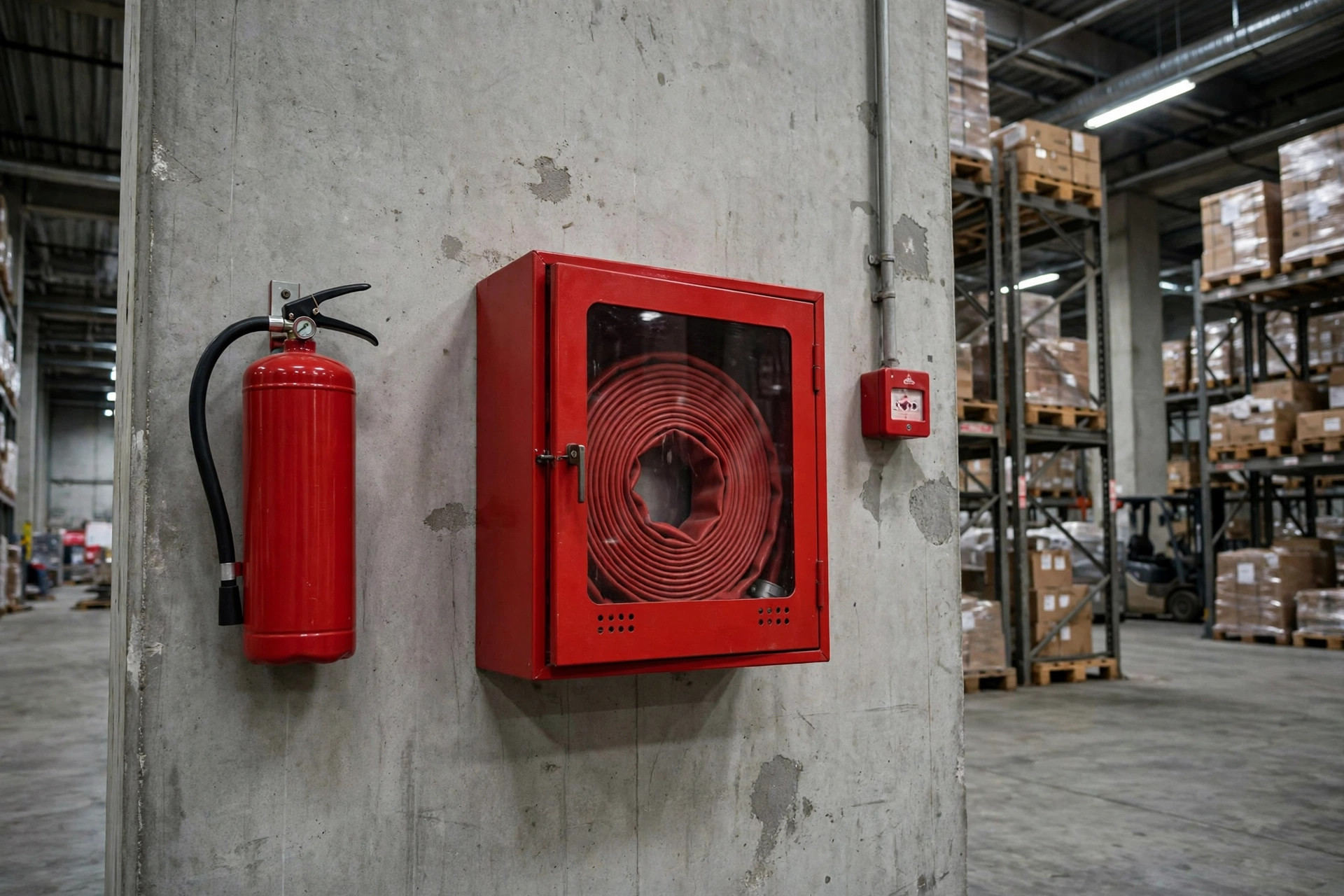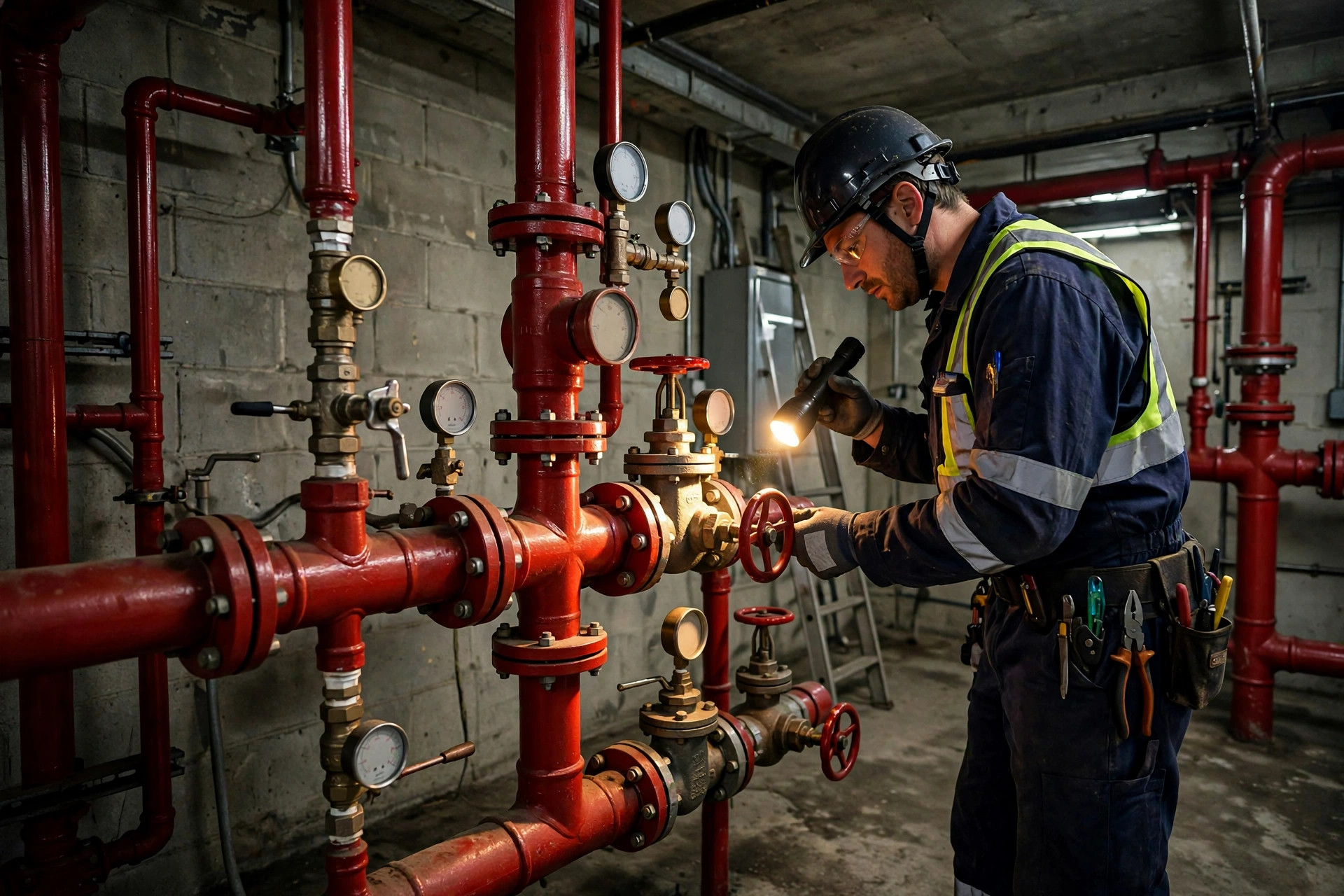
Here's my verdict up front: the biggest trap in a fire protection maintenance contract isn't the price — it's that nobody writes down what "he came and did" actually means. If the contract doesn't spell that out, what you're buying is a stack of paper, not someone who actually put hands on your sprinkler system.
I've seen too many warehouses pay thousands a year for fire protection maintenance, only to discover during a fire that sprinkler heads were painted over and valves had rusted shut — while the vendor waves a stack of "inspection passed" reports and says we showed up every time. Showing up and doing the work are two different things.
Eight lines that must be in the contract
The standard must be named in full. For US warehouses, fire protection maintenance revolves around NFPA 25, the Standard for the Inspection, Testing, and Maintenance of Water-Based Fire Protection Systems. The contract should say "per the current edition of NFPA 25" — not "per industry practice." NFPA released the 2026 edition in August 2026; any vendor still working off an old edition can be shown the door.
Monthly, quarterly, annual, and five-year rhythms must be laid out in a table. NFPA 25 layers sprinkler requirements: control valves confirmed open monthly, alarm devices checked quarterly, sprinklers, piping, and hangers inspected annually, and internal pipe inspection plus gauge calibration every five years. The contract needs an attachment table listing each item, its frequency, and who performs it. A contract without that table is barely a contract.
Every visit must leave three things behind: photo-documented inspection records, a list of deficiencies found, and corrective recommendations with pricing. "Everything looked fine" said out loud doesn't count. I make the vendor's tech get a signature from the on-site manager before leaving. If he won't sign, he doesn't trust his own work.
Response time must be quantified. For an alarm valve malfunction or a pipe leak, "on-site within 2 hours" versus "within 24 hours" is a different price — and, when it matters, a different outcome. Spell out which severity maps to which response time.
Spare parts ownership must be clear. Are consumables like sprinkler heads and gauges included in the maintenance fee or billed separately? Most disputes start here: a cheap annual quote, then triple price when a sprinkler head actually needs replacing.
Licensing and qualifications. The vendor needs proper licensing, techs need the right certifications, and — the part warehouses never check at signing — the insurer needs to accept their reports, or your claim gets complicated when it counts.
Price adjustment mechanics. On a three-year contract, how much does year two go up, and by what formula? Leave it vague and you'll stare at a 30% increase in year two, with switching costs too high to walk away.
And finally, the exit clause. How much notice to terminate, and how is unfinished work handed over? In this trade, a sloppy handover means the new vendor starts blind — and everything you paid before was wasted.
What a year of maintenance actually looks like
Translated into plain language, the NFPA 25 rhythms make a yearly calendar roughly like this: every month, someone verifies valves are open and seals undisturbed; every quarter, alarm devices and waterflow indicators get checked; every year, sprinklers, piping, and hangers are fully inspected — paint, corrosion, and obstructions get replaced or cleared — plus a main drain test; every five years, piping gets opened for internal scale inspection and gauges are calibrated or replaced.
Many warehouse contracts just say "annual maintenance." The vendor shows up once a year, takes photos, and leaves. Nobody does the monthly or quarterly checks, which means the system sits unwatched for eleven months out of twelve. Any contract without the four-rhythm table is almost certainly this kind.
Three ways maintenance vendors fail you
The first: sign without doing. Twenty minutes on site, report says "all normal." The contract counters this with a minimum service duration and a mandatory checklist per visit — don't finish it, don't get paid.
The second: find problems, then vanish. Seventeen deficiencies in the report, and nothing ever happens. The contract counters this by making deficiency follow-up the vendor's responsibility: every visit starts by re-checking whether last visit's items were closed. Not closed, not complete.
The third: cheap maintenance, expensive repairs. Rock-bottom annual fee, profit made on parts. The contract counters this with a locked parts price list, or "parts at market price plus no more than 15% markup," with anything above requiring your written approval.
Three failure modes, three contract patches. Before signing, decide which one you're defending against.
What a vendor handover checklist looks like
Switching maintenance vendors is where things most often go wrong. The old vendor leaves before the new one understands the system, and in that gap the system is effectively unguarded.
My handover checklist has seven items: full historical inspection reports (at least three years), system drawings and valve location maps, spare-parts inventory, the open-deficiency list with remediation progress, insurance and compliance document expiry dates, keys and access credentials, and the old vendor's technician contact (paid advice beats an incident).
Don't sign long-term in the new vendor's first month. Start with a three-month trial: have them run one complete NFPA 25 inspection cycle, and have a third party review the report. If the report quality holds up, then talk long-term.
Remember: a maintenance contract buys "someone is always watching," not "someone visits once a year." How smooth the handover goes decides whether your fire protection is watched or unwatched for the next three years.
Three questions to ask before signing
When was the last time you flagged a problem serious enough to recommend shutting a system down? If they can't answer, they sign papers; they don't take responsibility.
Of the deficiencies your reports find, what share actually get corrected under your follow-up? A maintenance vendor's value isn't finding problems — it's making sure problems get fixed.
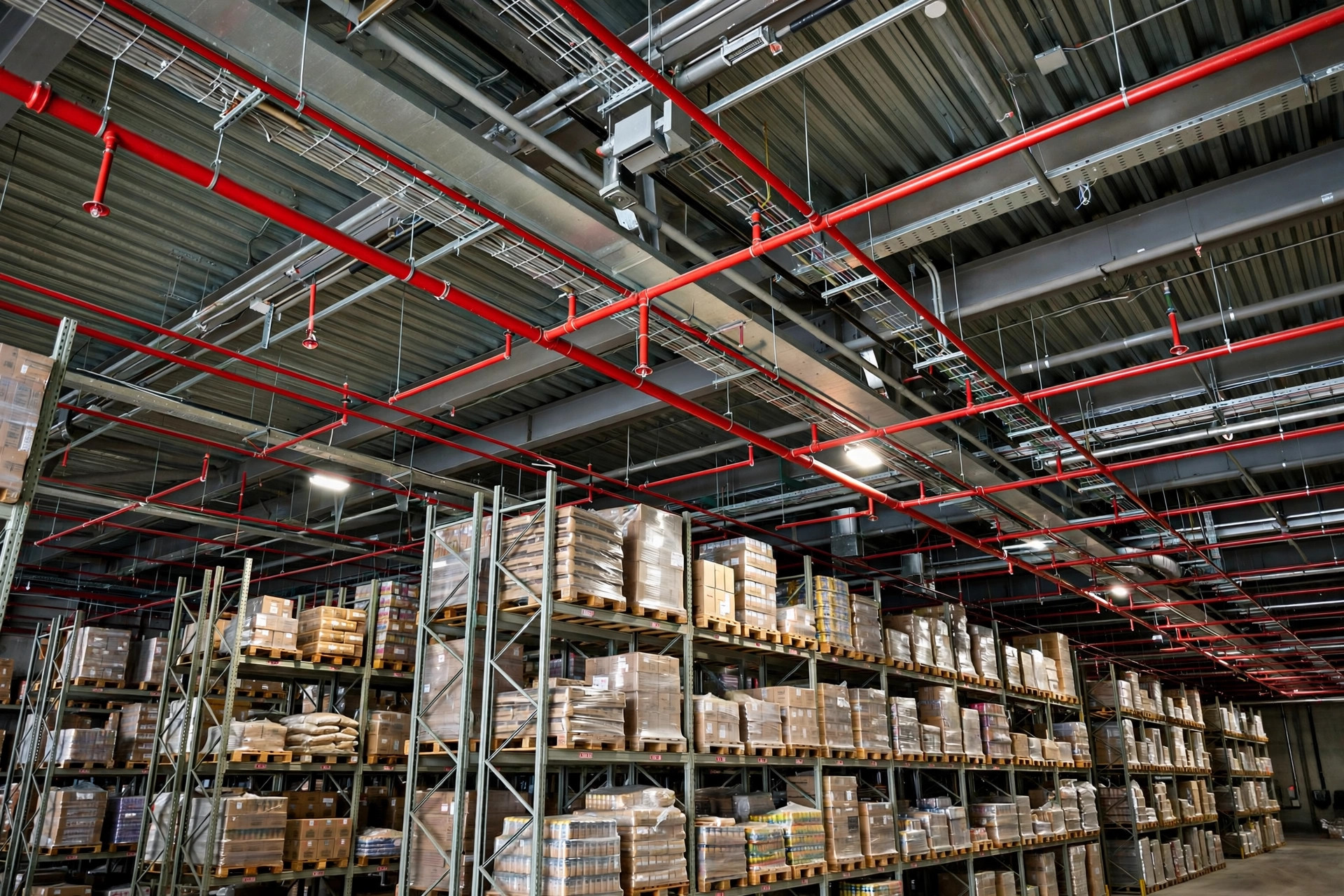
Can you show me a sample annual inspection report you did for another warehouse? Anyone who won't share one has reports that can't survive a reading.
Fire protection maintenance is money you can't skip — but you can't spend it blindly either. The more precise the contract, the calmer you'll be on the day it actually matters. How many of these eight lines are in your current contract?