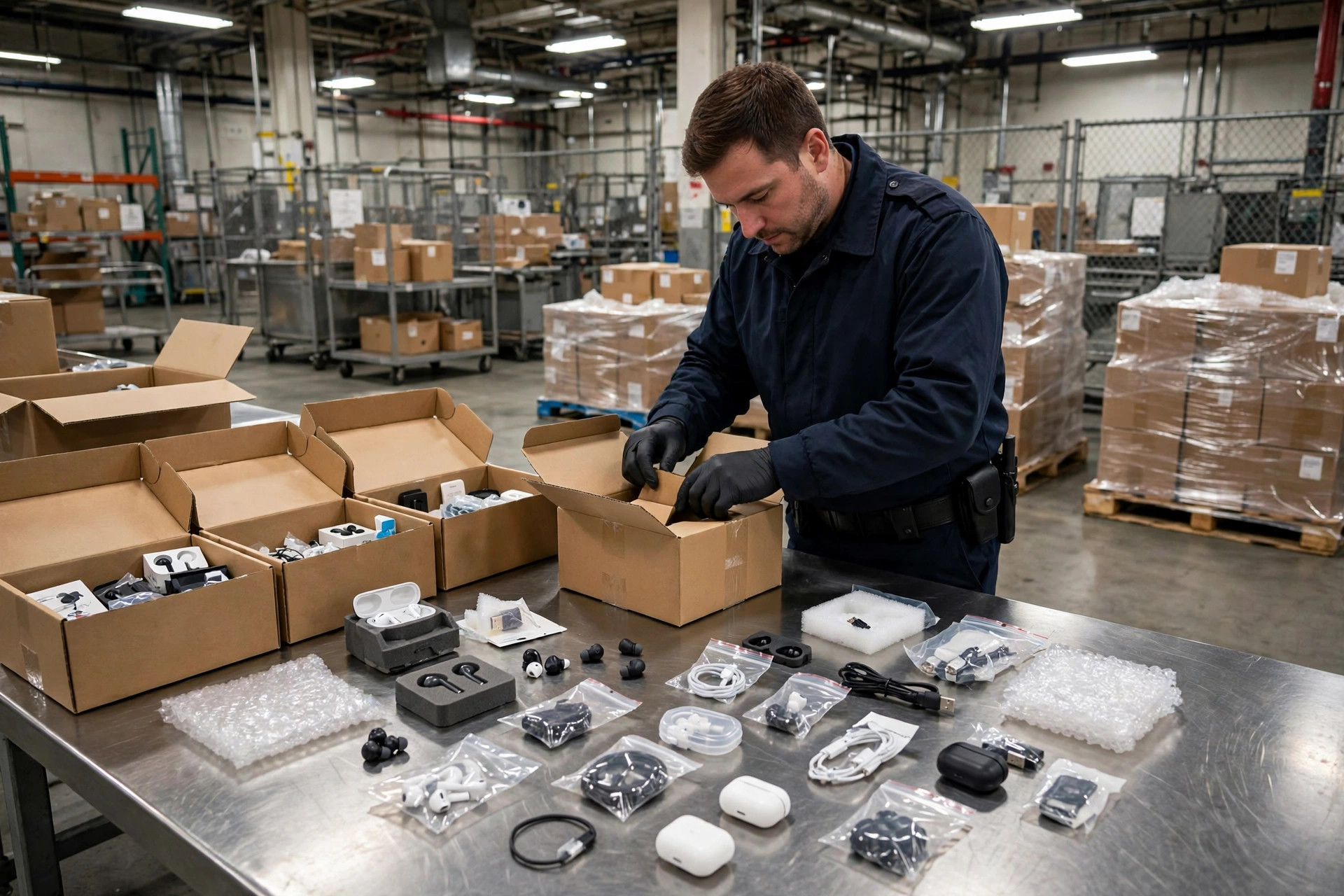
In 2019, a friend who builds AGVs called me from the Port of Los Angeles. His shipment of autonomous forklifts had been sitting there for three weeks — not because of tariffs, but because the US importer discovered the units had no FCC certification. The whole batch went back for testing. Four months and one nearly lost customer later, the lesson stuck. Now, whenever I talk to equipment makers exporting to the US, my first question is always about wireless compliance, and I ask it while the product is still a prototype.
Most people think FCC certification only matters "if it has Wi-Fi." That is the single most expensive misunderstanding in this business. FCC Part 15 has two halves. Subpart B covers unintentional radiators — in plain English, every electronic device. Your motor drives, your variable-frequency drives, your charging docks: anything that switches current emits electromagnetic noise, and Subpart B applies whether or not the machine has a single wireless chip. Subpart C covers intentional radiators — things that deliberately transmit: Wi-Fi, Bluetooth, UWB, 5G modules.
Here is the bottom line up front: if it plugs in, Subpart B applies. If it transmits, Subpart C applies on top of that. I have seen manufacturers focus entirely on the wireless module, then fail radiated emissions in the 30-230 MHz band during formal testing — that is the switching noise from the motor drives talking.
What a pre-certified module actually saves you
This is the question I get most often, and the honest answer is: it saves you the Subpart C money, but Subpart B is still on you.
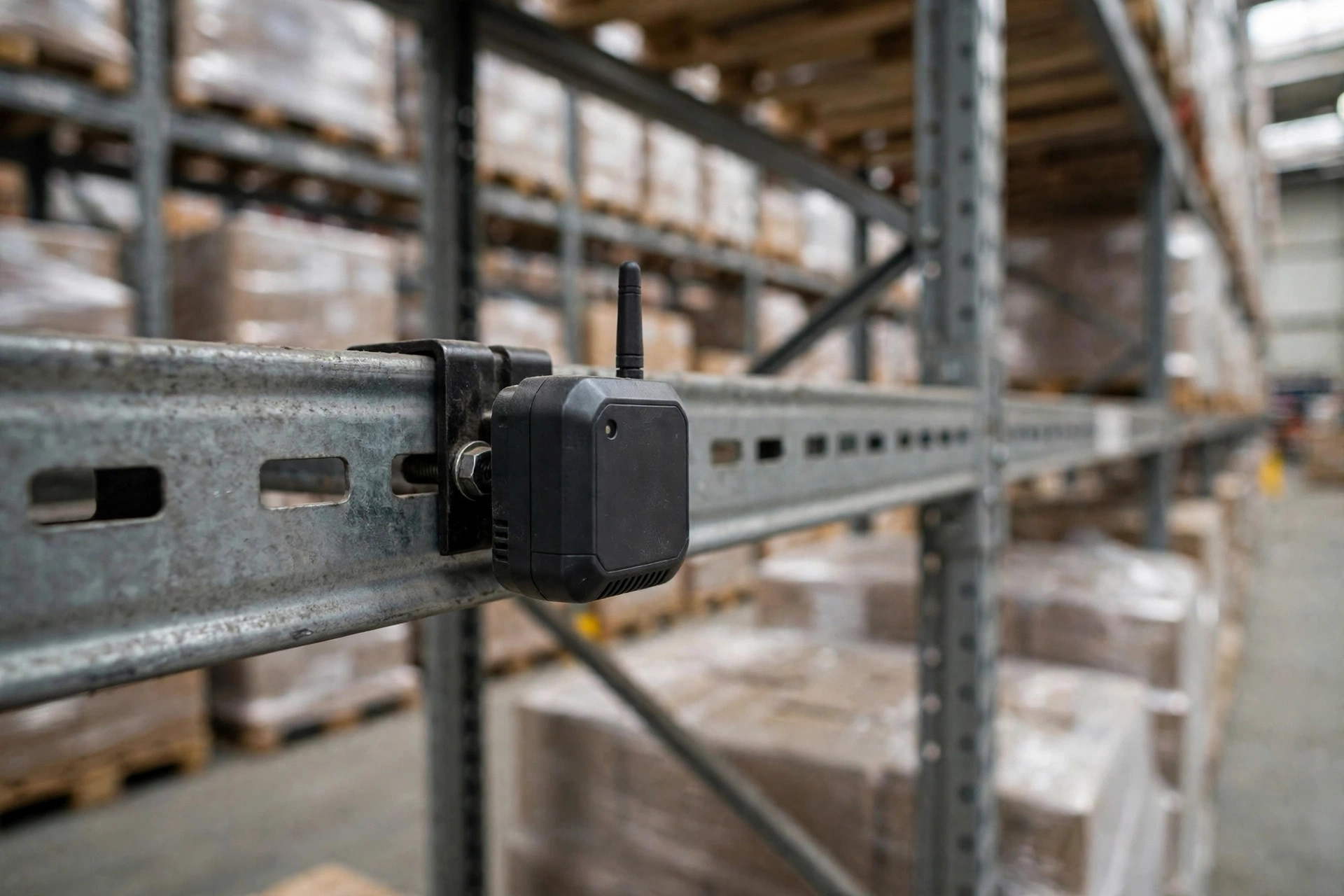
Most Wi-Fi and Bluetooth modules on the market are pre-certified. The module vendor holds a Grant of equipment authorization and an FCC ID. If you integrate the module exactly as certified, you can reference that FCC ID on your product without running the full Subpart C test suite again — provided you respect the conditions: antenna gain must not exceed what was certified, you cannot add a second co-located transmitter without additional evaluation, and the host enclosure must be labeled "Contains FCC ID: XXX."
The classic failure is the antenna. The module was certified with a 2 dBi whip, and your team swaps in an 8 dBi high-gain antenna so the signal reaches across the warehouse. That one swap voids the grant, because radiated power is transmitter output times antenna gain — exceed the limit and you are transmitting illegally. Another one I have seen: a mid-production module supplier change, with the old FCC ID still printed on the label. Customs checks these things.
My advice: freeze the antenna design when you select the module, lock it into the BOM, and route any antenna or module change through a formal engineering change process. That single discipline can save you the cost of a full retest.
Where testing actually fails: radiated emissions
The practical flow goes like this. First, pick a lab recognized by a TCB (Telecommunication Certification Body). Do not jump straight into formal testing — run a pre-scan first. It costs a fraction of the full test and tells you exactly where you stand. For AGVs, conducted emissions are rarely the problem. Radiated emissions are where machines die: motor drivers, VFDs, and high-current switching loops are all noise sources.
The fixes are unglamorous but they work, and I have seen all of them in the field: ferrite cores on the motor leads (tens of dollars), a metal shield can over the drive electronics, and proper chassis grounding with 360-degree shield termination. What is expensive is not the parts — it is the calendar. Each fix-and-retest cycle typically eats two to three weeks. Never skip the pre-scan; it lets you burn through the surprises before the meter is running on the formal test.
On timeline and cost, I can only give indicative ranges: SDoC testing for Subpart B on a full vehicle usually takes one to three weeks; adding the Subpart C module integration assessment, four to eight weeks end to end is typical. Costs run from a few thousand to around twenty thousand dollars depending on the lab and the complexity of the machine — check the lab's latest quote for current numbers. One number worth remembering: a single retest costs about as much as three pre-scans.
Labeling and paperwork: do not leave this for the night before shipment
The label needs three things: the FCC ID (for Subpart C devices), the compliance statement, and importer information. Subpart B follows the SDoC (Supplier's Declaration of Conformity) route — no TCB certificate required — but the test reports and technical documentation must be kept on file by the importer, and US authorities can ask for them at any time.
The user manual must include an RF exposure statement confirming the device meets MPE (maximum permissible exposure) limits, with the required separation distance. An AGV with Wi-Fi is normally evaluated as a mobile device under MPE rules, and 20 cm from the human body clears it in almost every case — but that statement has to be printed in the manual. Missing it is a paperwork failure, full stop.
The 10-item pre-shipment checklist
Run through this list before anything leaves the factory, and you will dodge the vast majority of problems:
- Subpart B test report is current and matches the exact shipping configuration.
- The wireless module's Grant and FCC ID are real and verifiable (searchable on the FCC database).
- Antenna model and gain match the certified configuration exactly — no "quiet upgrades."
- The enclosure carries "Contains FCC ID: XXX," and the ID matches the actual module inside.
- No additional transmitter has been added to the same device without evaluation.
- SDoC documentation is complete, with test reports archived and traceable.
- The manual includes the RF exposure statement and the compliance declaration text.
- Noise sources (motor drives, VFDs) went through a pre-scan, and fixes are locked into production.
- BOM is frozen: module, antenna, and drive changes go through engineering change control.
- The importer has the full compliance package and understands the record-keeping obligation.
One last practical thought: FCC compliance is not technically hard. What is hard is taking it seriously early enough. Spending one week mapping out the certification path at the prototype stage is dramatically cheaper than spending four months firefighting at the port. So here is a question worth answering today: which module is in your AGV right now, and is the antenna design actually frozen?